Directions
 Call Us
 Email Us


Key Takeaways
- It’s important to note that hypothyroidism slows metabolism and often changes fat distribution. Stabilizing thyroid hormone levels with an endocrinologist prior to body contouring can improve the safety and results of such procedures.
- Test for fluid retention and skin elasticity before scheduling procedures because edema masquerades as fat and substandard skin quality increases the likelihood of redundant tissue after fat extraction.
- Gain and record weight stability for at least 6 to 12 months. Examine recent thyroid blood tests to validate surgical candidacy and minimize the risk of suboptimal results.
- Choose procedures based on individualized assessment of fat pattern, skin excess, and overall health. Prioritize minimally invasive options when appropriate and set realistic expectations.
- Adhere to a preoperative protocol of optimized thyroid medication, balanced nutrition, smoking cessation, regular activity, and medical clearance to optimize healing and minimize complications.
- Figure out long-term maintenance with continued thyroid care, lifestyle adjustments, consistent follow-up, and watch for weight or hormone fluctuations to maintain your contouring results.
Body contouring for hypothyroidism weight history consists of procedures to reshape the body where weight change related to low thyroid function has occurred.
It addresses surgical and non-surgical options, timing in relation to thyroid control, and anticipated outcomes for skin laxity and fat distribution. They usually require stable thyroid levels and reasonable expectations.
The body discusses the research, dangers, and how to map out care with providers.
Thyroid’s Weight Impact
Hypothyroidism can slow down a lot of body systems and weight is one of the most noticeable. Low thyroid hormone decreases metabolism, increases fat, decreases lean body mass and alters fat distribution. These shifts are important to any prospective body contouring patient because they dictate the baseline, the treatment response and the procedure selection.
Metabolic Slowdown
Low levels of thyroxine and triiodothyronine reduce BMR, so the body expends fewer calories when resting. That slows fat loss. People who used to keep weight off with moderate activity now gain it even if they don’t eat more.
Research indicates that following thyroid normalization, the majority of patients shed just 2.25 plus or minus 2.01 kg, and those with extremely high TSH (i.e., 46.50 or 91.00 μU/mL) might actually lose under 2 kg upon becoming euthyroid.
Lowered metabolism also renders traditional diet and exercise less impactful. Others with hypothyroidism describe being resistant to traditional weight-loss plans and need to become medically stabilized before having hope for significant change.
Stabilizing your thyroid is a must before surgical or device-assisted fat removal because otherwise your impaired metabolism will diminish results and lead to recurrence.
Fluid Retention
- Swelling in the face, hands, or lower legs.
- Puffy eyelids or periorbital puffiness.
- Tight rings or shoe fit changes.
- Skin that pits slightly when pressed.
Thyroid’s Weight Effect Continual edema makes evaluation for liposuction or excisional procedures difficult as it modifies measurements and can lead to increased bleeding or wound-healing concerns.
Check for and address edema prior to contouring procedures to enhance precision and minimize operative risk.
Fat Distribution
Thyroid – weight shift to subcutaneous fat generally in abdominal, hip, and thigh areas. Such irregular patterns can generate contour deformities that straightforward liposuction is not able to fix.
For example, extra subcutaneous fat in the hips or inner thighs might require specialized techniques or combination surgeries. Post-surgical hypothyroidism can manifest with more weight gain than autoimmune forms, so patient history comes into play when mapping areas to treat.
A custom plan that takes into consideration localized deposits provides a more aesthetically pleasing balance and longer lasting results.
Skin Elasticity
Hypothyroidism will lower your skin quality and elasticity. This makes the excess skin more prone to hanging after fat loss or significant weight loss.
Bad tone increases the likelihood that liposuction alone will redevelop sagging. Excisional lifts may be necessary. Evaluate skin laxity cautiously.
Pinch tests, pictures, and serial documentation assist in monitoring changes. Pre-op photos provide a baseline and inform reasonable expectations for tightening.
The Contouring Connection
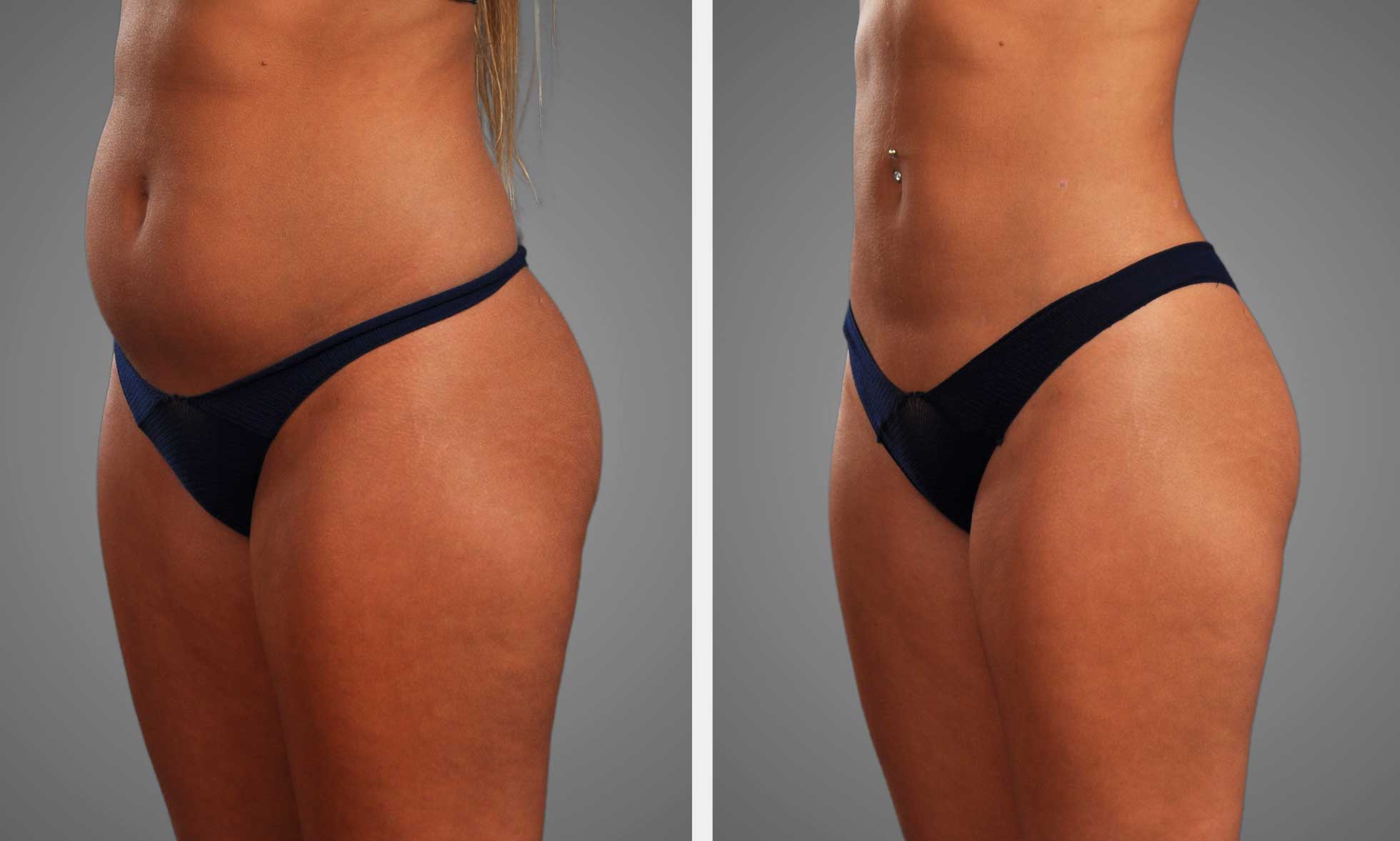
Body contouring ties the tale of weight flux in hypothyroids to contemporary surgical interventions. Hypothyroidism can result in slow weight gain, changes in fat patterning, and skin stretching. Once thyroid levels are normalized and weight lost or stabilized, there is still excess fat and redundant skin typically lingering.
Contouring innovations from early surgeon pioneers to decade-by-decade refinements have grown the toolset to take on these leftover problems. This growth has been fueled in part by the rise of bariatric surgery and the need to treat large-volume skin excess across the trunk, thighs, arms, and back.
1. Candidacy Assessment
Evaluation begins with confirming thyroid status and stability. Recent thyroid blood tests, including TSH and free T4, should be reviewed alongside the current medication regimen and dose history. Surgeons must screen for metabolic risks like diabetes, dyslipidemia, and cardiovascular disease as these raise perioperative risk.
A full surgical history is required. Previous abdominal operations, hernia repairs, and any skin procedures alter planning. Past infection, scars, or keloid tendency can change flap or incision choices. A patient with well-controlled hypothyroidism on levothyroxine and normal TSH for months is a better candidate than one with fluctuating lab results and recent dose changes.
2. Weight Stability
Weight stability is necessary pre-surgery. Shoot for weight that’s been maintained for at least 6 to 12 months post-major loss or post thyroid stabilization. Weight fluctuation damages ultimate contour and increases the likelihood of wound issues.
Weighed loss charts, contouring photos, and thyroid management are all well documented to aid surgical timing. For example, the patient who dropped 25 kg and maintained it for 9 months has a more stable tissue consistency than a patient still fluctuating. Weight stability is important for choosing excisional techniques that will be enduring.
3. Procedure Selection
The Continental Linker/Intercontinental Routings There’s liposuction (awake or laser-assisted) for localized fat and excisional lifts like body lift, brachioplasty, or thighplasty for redundant skin. Minimally invasive lipo is great for small, isolated deposits.
Lower body lift or high lateral tension abdominoplasty address the entire thigh-trunk-abdomen aesthetic unit and continue to evolve belt lipectomy principles. Regnault’s leap from semicircular to 360-degree thigh reduction demonstrates how technique progressed, though perils like gluteal depression lurk.
Aponeurotic suturing of the muscles may be used to tighten the waistline. Surgeons must opt for minimally invasive options when possible and provide a transparent side-by-side comparison of techniques for each site.
4. Realistic Outcomes
Be reasonable when the skin is bad or the fat is stubborn. Multi-staged procedures are not uncommon for massive weight loss patients. Thyroid disorder patients can have slower healing and minor wound issues, with longer follow-up helping catch and treat these early.
Routine postoperative follow-ups, photographic documentation, and setting realistic expectations about scars and contour boundaries enhance satisfaction.
Pre-Procedure Protocol
For patients with hypothyroidism, a targeted pre-procedure protocol is needed that combines surgical safety with endocrine stability. This area covers the necessary medical, nutritional, and lifestyle preparations. Use the checklists as you talk to your surgical and endocrine teams to help make sure lab monitoring aligns with individual risk.
Medical Clearance
Need complete work-up by endocrinologist or primary care physician to verify thyroid stability and titrate levothyroxine or combination therapy as necessary. Check that thyroid-stimulating hormone and free T4 are within target range for the patient’s age and comorbidities. If unstable, postpone elective contouring until normalized.
Screen for concurrent metabolic or hormonal disorders such as diabetes, adrenal insufficiency, or PCOS that impinge on wound healing or anesthesia risk. Preoperative labs should consist of SMA-21 panel, CBC with platelets at every visit, and baseline iron studies with repetition as indicated.
Schedule lipid profile every 6 to 12 months depending on CVD risk and treatment. Get any recommended imaging and record findings in the chart prior to booking the procedure.
Nutritional Strategy
Advise a balanced diet that supports tissue repair: aim for daily protein targets, for example, 1.2 to 1.6 grams per kilogram of body weight, healthy fats like omega-3 sources, and a broad spectrum of micronutrients. Test vitamin A at baseline and every 6 to 12 months for those at risk.
Deficiency and excess both impact healing. Consider work-up for thiamine, copper, zinc, and selenium when clinical or diet screen indicates deficiency; correct specific findings preoperatively. Stress hydration to minimize edema and aid circulation.
No crash or severe caloric cutting preoperatively. Steady, nutrient-dense intake is safer. Suggest easy tracking, such as food journals or apps, to verify you are hitting your protein, iron, and caloric targets in the weeks leading up to surgery.
Lifestyle Adjustments
Promote daily, gentle exercise to enhance circulation and skin complexion. Targeted routines may include mini walks, resistance bands, or low-impact classes based on fitness level.
We require patients to quit smoking at least six weeks prior to surgery to reduce risks of wound breakdown and hypoxia at the tissue level. Recommend ceasing NSAIDs preoperatively to minimize bleeding.
Suggest alcohol tapering and discuss stress management techniques such as breathing exercises, short mindfulness practices, and light counseling to keep hormones and sleep in check. Stick to a sleep schedule to keep your immune system at its best.
Screen medications that may need perioperative adjustment and provide prophylaxis for gout and gallstones in at-risk patients. Make a customized checklist of these steps with lab dates and contact points for the care team.
Risks & Realities
Post-weight-loss body contouring following a history of hypothyroidism and weight creep has unique risks that impact anticipated recovery, complication profiles, and long-term results. Patients and clinicians require facts to address healing delays, anesthesia effects, and how hormone management transforms fat so that decisions are well-informed and grounded in reality.
Healing Concerns
A hormonal imbalance in hypothyroidism increases the risk of postoperative wound complications, both minor and major. Minor wound-healing disorders are seen in approximately 3.68 percent of body contouring cases overall, but rates increase when thyroid levels are unstable. Delayed tissue repair is common, collagen synthesis and cellular turnover slow, so small wounds can take longer to close and larger flaps may show breakdown.
Seroma is a common minor complication, occurring in approximately 6.74% of cases, and can typically be treated with drains, aspiration, or compression. Compression garments are frequently required for a few weeks to alleviate fluid accumulation and support tissues. Major complications, while less frequent, occur as well. Overall complication rates hover toward 16.07% and include pulmonary embolism in approximately 1.84% of patients, which is a caution to consider risks, particularly in the setting of combined procedures.
Efficient tissue-repair strategies matter: optimize nutrition, control thyroid levels, avoid smoking, and use meticulous surgical technique. Close post-op follow-up catches early infection or wound dehiscence so conservative measures can prevail. Adhering to post-op directives minimizes risk and facilitates a smoother recuperation, which can take weeks to months depending on the procedure and individual recovery.
Anesthesia Sensitivity
Hypothyroid patients are more susceptible to anesthetic agents and cardiovascular changes. Altered drug metabolism and a blunted sympathetic response may prolong emergence from anesthesia and increase the risk of intraoperative hypotension. Anesthesia teams must adapt protocols by lowering dosages, selecting agents with predictable clearance, and providing additional time for emergence.
Intraoperative monitoring should include serial blood pressures and preparedness to rapidly treat hypotension. If applicable, regional anesthesia techniques can be considered to minimize systemic exposure. Slow awakening could translate to increased times in the PACU and closer monitoring for respiratory depression or hemodynamic instability.

An anesthesia checklist should encompass confirmed euthyroid status if at all possible, dose adjustments, extra monitoring, and plans for fluid and pressor support, as well as effective communication between the surgeon, anesthetist, and endocrinologist.
Hormonal Effects
Thyroid management has direct implications on fat metabolism and healing capacity. Suboptimal replacement lowers basal metabolic rate and changes lipid handling, which can impact contouring results and longevity. Hormone replacement needs to be optimized pre-surgery and monitored after. Perioperative fluctuations can encourage new fat formation or uneven contours.
Standard lab checks through the perioperative period aid in this stability. Surprisingly, even patients who’ve had massive weight loss are still battling with body-image issues. Many never quite reach a ‘normal’ BMI, so sensible expectations and staged operations are key.
The Psychological Component
Body contouring after a history of hypothyroidism weight loss is as much of a personal psychological endeavor as it is a physical one. They arrive with years of yo-yo dieting, a changed metabolism, and usually decades of self-doubt. They form expectations, coping skills, and preparation for change, which impact results as much as surgical technique.
Body Image
Hypothyroidism and significant weight loss alter the way others perceive their own bodies. Fat shifts, skin hangs differently, and parts aren’t in the right proportion to the inside. A lot of people say these changes chip away at your confidence. Research reveals that 86% believed their social life deteriorated due to bad self-esteem preoperatively.
The psychological component is typically fixated on excess skin in the abdominal region, drooping arms and breasts, and stubborn fat pockets that are resistant to diet and exercise. Set goals that fit your anatomy and health. Discuss realistic targets with your surgeon and a treating endocrinologist. Track change using preoperative and postoperative photos.
Photos establish a concrete baseline and capture those little gains that count. Visual documentation assists surgeons in planning incisions, debulking, and tissue tightening to your proportions.
Emotional Readiness
Emotional preparedness is more than motivation. It comes down to mood, transparent motivation, and pragmatic expectations. Screen for depression and anxiety; these are prevalent in individuals with chronic thyroid disease and can distort post-surgical satisfaction.
Question if the motivation for surgery stems from inner self-care or outside pressure. Support plans must include counseling if required. Develop strategies for the emotional swings that accompany recovery: anticipate low-energy days, temporary body distortion from swelling, and social withdrawal during healing.
Promote incremental, achievable milestones, such as walking a couple of blocks daily, to cultivate a feeling of mastery. There is frequently a psychological component. Body contouring has many patients telling us their mood improves markedly as depression and social avoidance abate with enhanced function and comfort.
Expectation Management
Clarify capabilities and limits: Body contour surgery can remove excess skin and reshape tissue, but it cannot change underlying metabolic rate or fully restore pre-weight-gain skin elasticity. Other patients require staged procedures or revisions to achieve the desired contour.
Emphasize patience — improvement can take months to become visible, with swelling going down and scars maturing. Typical timelines include early mobility within days, reduced swelling in weeks, and near-final contours by six to twelve months.
Outcomes vary by age, skin quality, and thyroid control. Reportedly, nearly 70% of patients increase their self-confidence by six months, and a substantial number report persistent improvements in daily activities, work, and relationships. Focus on follow-up care, realistic milestones, and psychological supports to maintain those gains.
Long-Term Success
Long term success post body contouring for individuals with a history of hypothyroidism relies on stable thyroid management, a consistent lifestyle, and diligent follow-up. Sustaining your surgical result takes a combination of hormones, a lean body composition, and regular maintenance. Here are the key spaces to control and actionable processes to adhere to.
Thyroid Management
Keep your thyroid hormone levels optimized with regular blood tests, usually TSH and free T4, and medication adjustments. Work with an endocrinologist to establish target ranges pre-surgery. Ideal control reduces the risk that thyroid issues will afterwards change weight and fat distribution.
It’s important to remember that either the recurrence or under-treatment of hypothyroidism can increase fat and decrease lean mass, which sabotages contouring outcomes. Document all thyroid blood results, doses, and changes on a chart that you keep with your surgical records. This assists surgeons and endocrinologists in coordinating care.
One study observed an average body weight decrease of 1.2 kg following thyroid replacement in 28 patients, thereby demonstrating that hormone correction can alter overall mass and impact cosmesis.
Sustained Lifestyle
Devote yourself to healthy eating and consistent exercise. Shoot for a minimum of 150 minutes per week of moderate exercise and don’t forget the resistance work to maintain or reconstruct lean mass post-liposuction.
Don’t take your medications inconsistently. Skipping thyroid medication doses or taking your medication at different times can destabilize your levels and cause weight fluctuations. Sprinkle in stress management and sleep habits. Lack of sleep and excessive stress can influence hunger and metabolism.
Monitor your progress with occasional weigh-ins and basic measurements, such as waist and hip, to detect trends early. Little habits like these keep you from gaining back the fat that would disrupt surgical contours.
Result Maintenance
| Strategy | Frequency | Action |
|---|---|---|
| Clinical follow-up | 1–2 weeks, 3 months, 6 months, yearly | Wound check, discuss symptoms, review thyroid labs |
| Thyroid monitoring | Every 6–12 weeks initially, then 6–12 months | TSH, free T4; medication dose review |
| Lifestyle check-ins | Monthly self-checks; quarterly professional review | Weight, measurements, exercise log |
| Skin and tissue review | 3–6 months | Assess skin quality and new fat deposits |
Keep an eye out for new fat deposits or changes in skin tone and elasticity. Some contour changes don’t show up until up to six months after surgery. Adhere to postoperative guidelines.
Compression, controlled activity resumption, and wound management maintain longevity of outcomes. Stay alert for signs of thyroid flare or metabolic shift. Unexplained weight gain, fatigue, or cold intolerance deserve prompt labs and dose adjustment.
Recovery differs, with many returning to light activities at one to two weeks. Full recovery and final contour may take several months.
Conclusion
Body contouring can correct contour concerns that linger following thyroid-related weight fluctuations. It works best for those with stable thyroid levels, an established care plan, and tangible goals. Surgeons observe that fat removal and skin procedures assist with clothing fit, body balance, and appearance in the mirror. Recovery takes time, consistent medications, and follow-up tests. Risks remain real, so choose a surgeon with thyroid experience and request before-and-after photos and outcome data. For mental health, anticipate mood swings and schedule support from a counselor or peer group. To maintain results, monitor weight using the metric system, consume protein-based meals, and introduce consistent low-impact exercise such as walking or light strength training. Discuss with your care team to determine timing and steps that align with your health.
Frequently Asked Questions
Can body contouring fix weight gained from hypothyroidism?
Body contouring for hypothyroidism weight history can eliminate hard-to-lose fat and sculpt. It doesn’t address the underlying thyroid problem or prevent subsequent weight flux. Work with an endocrine first to stabilize thyroid before elective procedures.
When is it safe to consider body contouring after thyroid stabilization?
Think about body contouring once thyroid hormones are stable for three to six months. As long as their medications are stable and they have maintained a consistent weight for several months, they will be fine.
Will hypothyroidism increase surgical risks for contouring procedures?
Uncontrolled hypothyroidism can increase the risk of things like poor wound healing, infection, and anesthesia problems. Appropriate medical optimization pre-surgery reduces these risks. Share your thyroid history with your surgical team.
Can body contouring replace ongoing weight management?
No. Body contouring is for local fat or skin, not weight control. Remain on medication, eat a balanced diet, and exercise regularly to retain your results and facilitate overall long-term health.
How long do contouring results last for someone with thyroid issues?
Results can be permanent if your thyroid levels remain stable and you maintain your lifestyle. Major weight changes or untreated hypothyroidism can affect the lastingness of results.
Will insurance cover body contouring related to thyroid weight history?
Body contouring for hypothyroidism weight history coverage is uncommon unless the procedure addresses a functional issue, such as excess skin inducing infection. It’s worth checking with your insurer; just be sure to provide appropriate medical records.
What psychological benefits and limits should I expect after contouring?
Most patients experience increased body confidence and self-image. Surgery is no panacea for emotional pain. Pair realistic expectations with mental health support.