


Key Takeaways
-
Tumescent anesthesia uses diluted lidocaine with epinephrine to enable higher total doses while simultaneously slowing systemic absorption, minimizing blood loss and post-op pain. It is important to figure out safe mg/kg doses prior to each procedure.
-
Peak plasma lidocaine levels frequently present several hours after infiltration, so track sequential serum concentrations and patient vitals for an extended post-op period.
-
Higher total lidocaine doses, larger treated areas and rapid or large-volume infiltration all increase peak plasma concentrations. Record dose, solution volume, and technique to relate with kinetics.
-
Patient factors like age, body mass, and liver function change lidocaine clearance. Modify dosage for low body weight or hepatic impairment and document total mg given.
-
Epinephrine decreases and delays systemic lidocaine uptake. Ensure proper epinephrine concentration in each tumescent solution to reduce peak levels and toxicity potential.
-
Organize and adhere to protocolized safety measures such as monitoring, documentation, emergency toxicity measures, and discharge information about delayed symptomatology.
Lidocaine peak plasma level timing after liposuction is when blood lidocaine concentration reaches its maximum after tumescent or local anesthesia. Peak levels for large-volume tumescent techniques usually occur between 8 and 12 hours, and for simple infiltrations between 1 and 3 hours, depending on dose, site, and patient. Absorption increases with a larger treated area, additional epinephrine, and tissue vascularity. Tracking the time helps direct safe maximum dosing and postprocedure observation. Clinicians rely on weight-based limits, serum testing in some cases, and symptoms screening for early signs of toxicity. The guide below highlights typical timing ranges, risk modifiers, and practical steps to minimize systemic exposure following liposuction.
Tumescent Anesthesia
Tumescent anesthesia describes the infiltration of very large volumes of dilute lidocaine and epinephrine into subcutaneous fat to provide local anesthesia for liposuction. The method saturates the tissue so the cannula glides through anesthetized, tumescent fat. It shrinks small vessels from the epinephrine, which reduces bleeding and keeps a clearer field.
Tumescent lidocaine allows significantly greater total milligram doses than typical local injection because absorption into the bloodstream is slow from the fatty layer. With the dilute, large-volume solution, peak plasma levels rise more slowly and are lower than with rapid injection into vascular tissue. This pharmacokinetic profile is how multiple clinical reports endorse safe utilization of total lidocaine doses as high as approximately 55 milligrams per kilogram in tumescent liposuction scenarios, well beyond the conventional 7 milligrams per kilogram ceiling associated with rapid infiltration or highly vascular areas.
A good tumescent lidocaine solution is the key to good anesthesia with minimal systemic risk. We mix concentrations and total volumes according to body weight, planned aspirate, and comorbidities. Keep track of total lidocaine dose, infiltration timing, and your projected operative length. For smaller volumes, a clinician may use a 0.05% to 0.1% lidocaine solution with a calculated total dose under the published 55 mg per kilogram threshold. For extensive cases, stage infiltration and aspiration to avoid unexpected peak levels.
Tumescent anesthesia provides local anesthetic and has a vasoconstrictive effect, which minimizes intraoperative blood loss and postoperative pain. It demonstrates less intraoperative bleeding, a mean whole blood loss of approximately 9.5 ml per liter of supranatant fat, and approximately a 1% hematocrit change per liter extracted. The technique correlates with less postoperative thromboembolism and less necessity for IV fluid resuscitation. One series of 112 patients demonstrated no clinical evidence of intravascular volume depletion despite minimal IV infusion.
Cardiovascular responses are rare when epinephrine dosing is maintained under approximately 0.035 mg/kg. Tachycardia appears primarily in patients sensitive to epinephrine or who are given higher doses. Compared with general anesthesia, tumescent local techniques eschew many systemic hazards, including greater complication and mortality risk associated with general anesthesia, which is approximately one death per 2,500 to 10,000 administrations.
Peak Level Timing
Peak plasma lidocaine concentrations after tumescent infiltration in liposuction typically arise several hours postprocedure. Peak level timing
Delayed absorption from subcutaneous fat leaves a long window before peak plasma levels. Since timing is variable, serial monitoring of serum lidocaine after surgery is important to detect rising levels that may foreshadow toxicity as opposed to a single early sample.
1. Dose Correlation
Greater total lidocaine doses predicted greater peak plasma concentrations in liposuction patients. Dosing: calculate safe mg/kg dosing based on patient weight and total volume of tumescent solution delivered, and track both totals mg and anticipated Cmax. Anything above tumescent dosages risks systemic toxicity. Fifty mg/kg in tumescent liposuction has yielded a mean peak of approximately 2.8 μg/ml ± 0.9 μg/ml SE. Use a running log per case: patient weight, total mg lidocaine, and measured peak serum lidocaine when available to refine local practice.
2. Patient Variables
Age, body mass and liver function affect lidocaine metabolism and clearance. Patients with hepatic impairment typically demonstrate increased plasma levels and decreased clearance. Modify tumescent dose for low body weight or significant comorbidity, bias towards lower milligrams per kilogram when clearance is unknown. Other major variables that affect pharmacokinetics are liver function, cardiac output, age, body fat and other medications that modify hepatic enzymes.
3. Procedural Factors
Absorption is influenced by the volume of tumescent fluid and the size of the treated area. High-volume or fast liposuction can increase systemic absorption and accelerate peak level achievement. Staged, slow infiltration and phased suction prevent spikes in blood lidocaine. Record infiltration rate, volume, area treated, and time points so you can correlate procedural detail to lidocaine kinetics and results.
4. Epinephrine’s Role
Epinephrine constricts local vessels and decelerates systemic lidocaine absorption, which delays the time to and reduces the maximum plasma levels. Correct epinephrine levels will consequently lower peak Cmax. Too little epinephrine can cause it to absorb quicker and increase the danger of overdose. Double-check epinephrine concentration in each solution and document in case record.
5. Treatment Area
Anatomical vascularity impacts diffusion and absorption. More vascular sites, for example, face or neck, achieve peak plasma levels quicker than less vascular locations such as the abdomen. Adjust dose and monitoring plans by treatment area and list: face/neck — fast uptake; trunk/abdomen — moderate; thighs/hips — slower.
|
Technique/Dose |
Typical T_max |
Reported C_max |
|---|---|---|
|
Standard tumescent (35 mg/kg) |
~9–12 h |
~4 μg/ml (95% CI est.) |
|
High dose (50 mg/kg) |
~9–12 h |
~2.8 ± |
|
0.9 μg/ml SE |
|
|
| High-volume rapid liposuction leads to the earliest T_max achievable and increases the risk of C_max. |
Safe Administration
Safe lidocaine administration in liposuction demands defined protocols, careful observation, and immediate contingency plans. Below is a numbered set of practical guidelines and operational steps on monitoring, documentation, and emergency readiness to minimize systemic toxicity risk and predictable peak plasma timing.
-
Maximum safe dosage guidelines: * Use weight-based dosing. For tumescent liposuction, 45 mg per kilogram is the best-researched upper limit for thin patients and 50 mg per kilogram for heavier patients. Some data support safety at 50 to 55 mg per kilogram in most patients when properly diluted and infiltrated slowly.
-
Don’t impose a universal 7 mg per kilogram lidocaine with epinephrine limit on tumescent anesthesia. This is unnecessarily conservative with very dilute solutions (less than or equal to 0.15% or).
-
1.5 g/L, since these generate significantly lower and slower plasma peaks.
- Choose concentration by case needs. 0.1–0.5% formulations are common. Higher concentrations like 1% raise peak risk if injected rapidly. - Prefer tumescent technique with epinephrine to reduce systemic uptake and delay peak plasma levels.
-
Infiltration technique and rate: * Slow, controlled infiltration of 1% or other concentrations with epinephrine lowers and delays peak blood levels compared with rapid injections. * Do not bolus or rapidly infuse 1% or 0.5% solutions. If quick penetration takes place, expect elevated initial plasma concentrations and step up surveillance. * Administer as small-volume multiple passes instead of bolus injections to minimize transient highs.
-
Monitoring and clinical surveillance: * Continuously monitor vital signs: heart rate, blood pressure, respiratory rate, oxygen saturation, and level of consciousness during and for several hours after the procedure.
-
Watch for early neurologic signs: perioral numbness, tinnitus, metallic taste, visual changes, or agitation. These usually precede severe toxicity.
-
Measure serum lidocaine if clinically warranted to estimate peak plasma concentration, particularly with large doses.
-
-
Documentation requirements: * Record patient weight, total lidocaine dose in milligrams, concentration used, total volume of anesthetic solution, and infiltration technique for each case.
-
Note the use of adits or other drainage methods that accelerate the removal of residual tumescent fluid.
-
-
Emergency preparedness: * Have lipid emulsion therapy, advanced airway equipment, resuscitation drugs, and clear protocols ready.
-
Toxicity for transient high plasma levels greater than 6 micrograms per milliliter is usually short, but be prepared for the development of seizures or cardiac events.
-
Where appropriate, use adits (punch biopsy holes) to accelerate drainage of residual solution.
-
Toxicity Recognition
Identify toxicity early by correlating symptoms, timing and plasma level quantitation. Early CNS symptoms are perioral numbness, metallic taste, tinnitus, lightheadedness and visual disturbances. These may advance to agitation, tremor, slurred speech and unconsciousness. Cardiac signs begin with tachycardia or bradycardia, followed by widened QRS, hypotension and malignant arrhythmias. In the severest cases, it can result in seizures, ventricular arrhythmias and respiratory arrest if not managed in a timely manner. Combine this observation with timing post-injection. Rapid subcutaneous boluses tend to cause earlier, higher peaks than slow infiltration.
Checklist for clinical recognition and immediate action
-
Vital signs and level of consciousness: monitor continuously. Observe brief fall in blood pressure or respirations, new confusion, or seizure activity. These tend to come before fatal heart attacks.
-
Neurologic exam: Document perioral numbness, tinnitus, dizziness, and motor instability. Escalation from paresthesia to tremor and seizure is common with increasing plasma levels.
-
Cardiac monitoring: obtain ECG immediately. Monitor for PR and QRS alterations, fresh bundle branch block, or ventricular ectopy. Manage arrhythmias according to ACLS with local anesthetic toxicity in mind.
-
Correlate plasma lidocaine concentration. A level greater than or equal to 6.0 mg/L (6.0 μg/ml) indicates significant risk. Treat the patient, not the labs, and use lab results to inform continued therapy.
-
Review dose, concentration, and timing: confirm total mg/kg given, noting whether tumescent technique or rapid bolus was used. Rapid subcutaneous injection of high doses can produce above-threshold peaks even if the total dose looks reasonable.
-
Hemodynamic context: consider hemodilution. A drop in hematocrit of about 10 percent leads to a roughly 10 percent increase in plasma volume, affecting drug distribution and apparent concentrations.
-
Patient factors: assess liver disease, age, concurrent drugs, and obesity. Lidocaine clearance is about 10 milliliters per minute per kilogram, which is approximately 700 milliliters per minute for a 70-kilogram person, and less than 5 percent is renal. Hepatic impairment raises the risk.
Immediate interventions and monitoring
Stop lidocaine at once at first suspicion. Airway, oxygen, and treat seizures with benzodiazepines. Start lipid emulsion therapy early for serious systemic toxicity per protocol. Initiate continuous cardiac monitoring and serial plasma levels as available. Remember dose limits: 7 mg/kg for standard formulations is reasonable. For very dilute tumescent solutions (≤0.15% with epinephrine), higher maxima of 45 to 60 mg/kg depending on body habitus are used, but still require vigilance.
Post-Procedure Implications
Maximum plasma lidocaine concentrations might occur hours after liposuction, not immediately, so observation must continue well past the recovery room. Taking serum samples at multiple time points, such as 0, 2, 4, 6, 8, 10, 12, 14, 16, 18, and 24 hours, can help delineate individual absorption curves. In the real world, many patients with large tumescent doses, for example, 45 mg/kg with mean aspirate volumes approximately 2416 mL (range 1525 to 3300 mL) present these late peaks. Assume admission or strict outpatient observation that encompasses the initial 24 hours during which plasma concentrations are most likely to increase.
Give distinct post-op guidance on mild lidocaine toxicity symptoms and when to seek care, with symptoms including lightheadedness, tinnitus, perioral numbness, metallic taste, visual changes, and mild disorientation. Provide clear direction on red flags, such as seizures, loss of consciousness, and respiratory depression, and indicate that these necessitate urgent emergency care. Apply uncomplicated checklists and recommend a trusted adult to monitor the patient for the initial 24 hours, particularly after high-dose procedures.
Modify postoperative care according to both total lidocaine dose and measured serum levels. There is the often-quoted maximum safe tumescent dose of 35 mg/kg. Anything beyond that, including case reports of 45 mg/kg, raises risk and requires extended monitoring. If serum levels are available, relate them to toxicity risk. Lidocaine toxicity correlates closely with plasma concentration. Remember that plasma concentrations of 3 to 6 micrograms per milliliter decrease inhalational anesthetic requirements by 10% to 28%, which can impact postoperative sedation strategies. For an 80-kilogram patient at 2.5 micrograms per milliliter, the liver metabolizes approximately 120 milligrams per hour. Compromised hepatic function necessarily reduces this rate, prolonging clearance and altering monitoring requirements.
Monitor pulse and neurologic status postoperatively for delayed sequelae. Approximately 12 mL of whole blood is lost for each liter of fat removed. Hematocrit usually normalizes by one week with minimal long-term alteration. Acute vital sign changes may occur. Routine pulse checks, basic neurologic screens (orientation, speech, pupils), and symptom logs during the first 24 hours assist in identifying developing toxicity. Utilize remote monitoring or regular calls if they cannot observe it in person.
The Anesthesiologist’s Perspective
Anesthesiologists need to know tumescent lidocaine pharmacokinetics to optimize patient safety. Lidocaine in tumescent solutions is absorbed slowly from subcutaneous fat, resulting in delayed peak plasma levels that are dependent on dose, infiltrate volume, and use of suction. Peaks tend to occur later with liposuction than without, which justifies larger doses when aspiration eliminates some drug. Tumescent maximum safe doses are estimated at 28 mg/kg without and up to 45 mg/kg with liposuction, while more conservative recommendations note 35 mg/kg as a general upper limit. The regular Xylocaine insert continues to advise a local maximum of 7 mg/kg with epinephrine and a 500 mg limit, so anesthesiologists have to navigate these sources when preparing care.
Close collaboration with surgery to establish suitable tumescent doses and infiltration strategies. Talk planned total lidocaine dose, anticipated aspirate volume, and timing of infiltration versus aspiration. For instance, a 70-kg adult receiving 28 mg per kg would require at least 2 liters of tumescent solution. For the higher doses used with liposuction, document the anticipated mean aspirate. Studies indicate the mean total aspirate is around 2416 mL with supernatant fat approximately 1863 mL at 45 mg per kg. Plan monitoring accordingly. We concur on epinephrine concentrations; anything over roughly 0.035 mg per kg can induce tachycardia. Otherwise, tachycardia is rare.
Anesthesiologists are key in observing systemic anesthetic impact and handling issues. Observe for delayed toxicity signs including tinnitus, perioral numbness, disorientation or seizures. Monitor heart rate, blood pressure, oxygenation and mental status. Have lipid emulsion and seizure control at the ready. Recall that mild toxicity risk is low below 7 mg/kg, which is less than 1 in 1000, but tumescent context changes kinetics. Thus, ongoing vigilance remains essential.
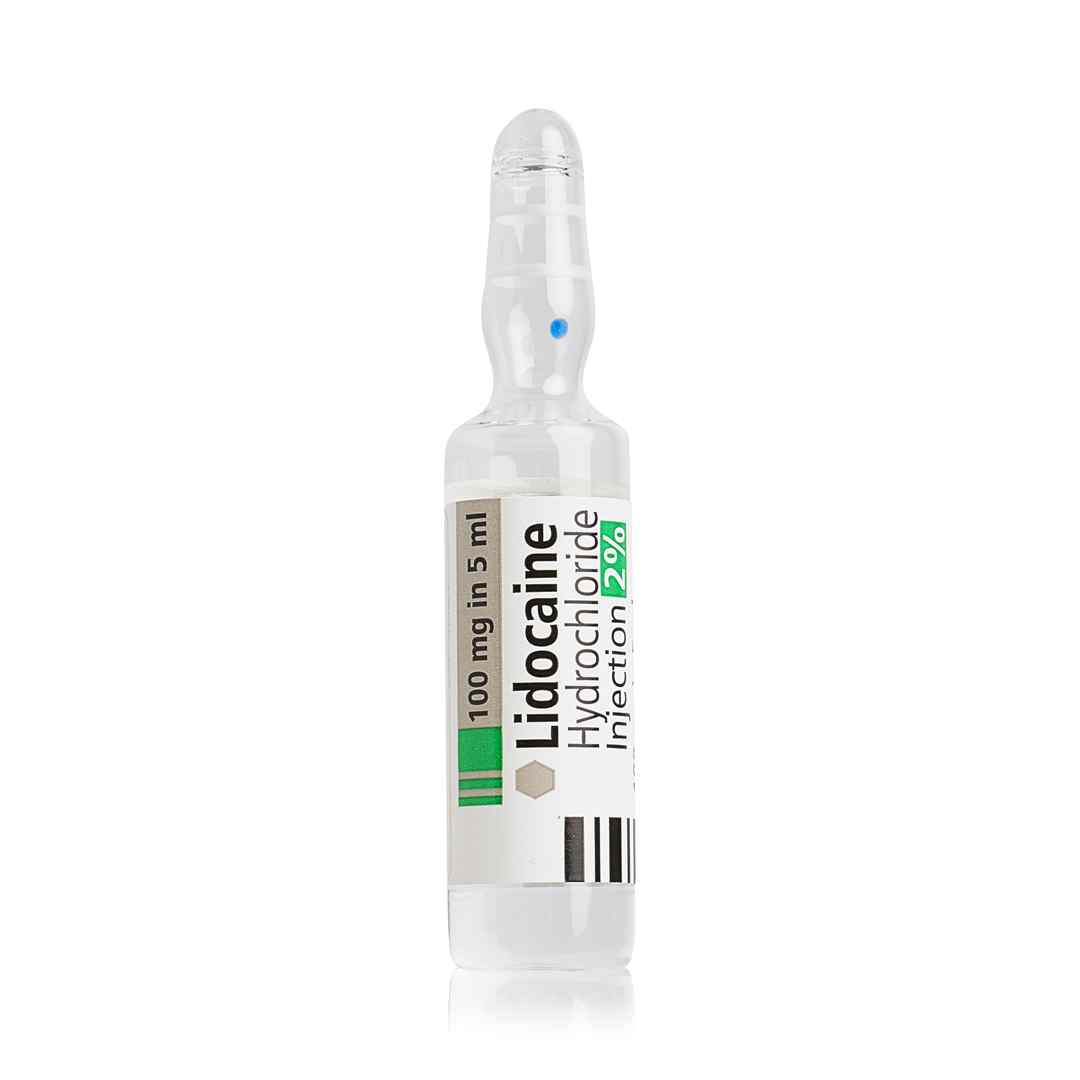
Creating guidelines for lidocaine dosing, monitoring, and toxicity management enhances safety and consistency. Protocols ought to lay out maximum doses by weight, solution composition (for example, 400 to 1000 mg lidocaine, 0.5 to 1.0 mg epinephrine, 10 mEq bicarbonate per liter), timing of peak sampling, post-operative activity guidance like ambulation the evening of surgery, and explicit rescue steps for toxicity.
Conclusion
Lidocaine peak plasma levels occur 6 to 12 hours after large-volume tumescent liposuction, according to data. Record total dosage, body weight, and infusion duration. Favor measured calculations over guesswork by calculating milligrams per kilogram, noting added epinephrine, and recording fluid volumes. Be alert for early toxicity signs such as a numb tongue, tinnitus, dizziness, and tremor. Continue to monitor post-procedure for delayed peaks, particularly in lengthy cases or when drains run for hours. Anesthesiologists and surgeons should exchange specific notes and a timed observation plan. Simple steps cut risk: precise dosing, slow infiltration, and focused post-operative checks. If in doubt, refer to a specialist and have emergency medications and airway equipment within easy reach.
Frequently Asked Questions
How long after tumescent liposuction does lidocaine reach peak plasma levels?
Peak plasma levels typically occur between 8 and 18 hours after tumescent liposuction. Timing depends on dose, infiltration method, and patient variables like weight and hepatic function.
Does adding epinephrine change lidocaine peak timing?
Yes. Epinephrine slows systemic absorption. It delays and often lowers peak plasma levels by inducing local vasoconstriction at the infiltration sites.
What lidocaine plasma level indicates toxicity?
Toxic levels are usually above 5 mg/ml for total lidocaine. Clinical symptoms may be seen at lower or higher levels depending on the individual and the free (unbound) fraction.
Which symptoms should prompt immediate concern for lidocaine toxicity?
Be on the lookout for dizziness, tinnitus, metallic taste, numbness in the mouth, slurred speech, seizures, and alterations in heart rate and blood pressure. Any serious neurologic or cardiac symptom requires immediate treatment.
How can clinicians minimize systemic lidocaine exposure during liposuction?
Recommended max doses, dilute, epinephrine, slow injection, aspirate, patient weight and liver function. Adhere to your institution’s safety guidelines.
When should postoperative monitoring for lidocaine toxicity occur?
Observe patients for 12 to 24 hours after the procedure with maximum vigilance during the first 8 to 18 hours when peaks are most common. Consider prolonged observation in those high-risk patients.
Can blood tests confirm lidocaine peak after surgery?
Yes. Plasma lidocaine assays can verify levels. They are helpful in suspected toxicity or research, but are not typically necessary for uncomplicated procedures.
