Directions
 Call Us
 Email Us



Key Takeaways
- Mini liposuction is a targeted, low-volume procedure that utilizes small cannulas and tiny incisions to sculpt small, stubborn areas like the knees with minimal scarring and rapid recovery.
- The knees demand the highest level of surgical precision, as there is little subdermal fat and the area is anatomically complex. This complexity requires highly experienced surgeons and specialized instruments to achieve smooth contours.
- Their patients are ideal liposuction candidates if they have well localized fat pockets, good skin elasticity, are near their ideal weight and understand this is contouring not weight loss. Steer clear if you have bad skin or medical reasons against it.
- Select the liposuction technology according to skin elasticity and fat kind, with alternatives such as tumescent, micro, or ultrasound-assisted (vaser) liposuction providing varying benefits for small areas.
- Short recovery typically takes under 1 week for most activities, with visible improvements within weeks and final results by 2 to 3 months, when swelling completely subsides.
- To promote optimal results, adhere to post-procedure care like compression garments, mild bruising and tenderness, and stable weight and lifestyle.
Liposuction for small stubborn areas like knees is a surgical procedure that eliminates localized fat to sculpt smooth contours. It is aimed at pockets that defy diet and exercise, typically employing ultra-fine cannulas and local or general anesthesia.
Candidates generally have good skin tone and are not significantly overweight. Recovery time is variable but typically allows for light activity in a matter of days and full recovery in weeks.
Read on for techniques, precautions, and achievable outcomes.
Understanding Mini Liposuction
Mini liposuction is a low-volume, high-impact fat removal procedure that utilizes small cannulas and tiny incisions to target limited, stubborn fat pockets. It is designed for accuracy, not that big-volume effect. MiniLipo surgeons typically first inject a fluid to numb the area and constrict blood vessels. They then employ thin cannulas to suction out fat cells from precise locations.
Because it decreases tissue trauma, scarring is minimal and contour changes are subtle and controlled. Mini lipo is best suited for individuals who are already close to their ideal weight. Ideal patients are close to their ideal weight, generally within 20 to 30 pounds, but in certain cases, healthy individuals with a BMI as high as 35 may be good candidates provided their expectations are reasonable.
The technique is effective where a minor alteration makes a visible difference, such as smoothing a knee bulge or trimming an ankle. Anticipate the treatment to typically last less than an hour, based on the location and quantity of areas addressed.
Advantages of mini lipo include minimal scarring, rapid recovery, and sculpted contouring. Small incisions heal with almost invisible scarring. Because it is a small-scale procedure, swelling and bruising are less than with large liposuction sessions, but are still common and generally fade within weeks. Most patients resume normal light activity within days.
Final results manifest over weeks to months as swelling subsides, with the final contour generally apparent within a few months. Mini liposuction is exactly what it sounds like – liposuction, but on a much smaller scale. Traditional liposuction focuses on bigger volumes in wider areas and can necessitate extended surgeries, general anesthesia and additional recovery.
Mini liposuction targets one or two small areas, utilizes local or mild sedation, and prioritizes contouring rather than volume extraction. For the little problem areas like knees, ankles and underarm bulge, mini lipo offers much more precise control and less downtime. It’s not a weight-loss tool; it polishes scruffy spots that defy nutrition and push-ups.
Common treatment areas for mini liposuction include:
- Inner and outer knees to reduce localized fullness
- Around the ankles and “cankles” for better lower-leg definition
- Inner thighs for a small gap or smoother lines
- Underarm bulge and bra-line deposits
- Chin and submental area for mild double chin reduction
- Small areas of flanks or love handle edging
Post-op care involves compression garments and restricted activity for a few days to weeks, as well as follow-ups to check healing. Results depend on stable weight and expectations.
The Knee Challenge
Knee liposuction addresses a relatively small anatomical region where the skin is thin and fat layers are minimal. Your knee lies on top of joints, ligaments, tendons, and bony landmarks, so even small volume changes can present as unevenness if not artfully executed. Mini incisions, typically only a few millimeters in width, provide an entry point to targeted lipolysis.
Patients ambulate immediately postoperatively and observe immediate results within weeks. A smooth natural contour is technically challenging to deliver.
1. Unique Anatomy
The knee has a combination of ligaments, tendons, and tight fat pockets unlike thigh or stomach tissue. These bones are close to the surface and don’t leave a lot of space for blunt tactics. Tendon and joint capsule injury prevention is important as unintentional trauma can cause anguish or restricted motion.
Surgical precision and a practiced surgeon minimize these perils. We need a plan for each knee because fat distribution, skin thickness, and joint shape are different for each person.
2. Fat Composition
Fat around the knee is divided into superficial and deeper compartments. Mini liposuction targets primarily the superficial layer to enhance the silhouette without impacting deeper tissue which stabilizes the joint. Where fat is fibrous, such as with older patients or after weight fluctuations, typical aspiration can be less effective.
This might necessitate energy-assisted or specialized cannulas. Best candidates have distinct, localized deposits. Those with excess skin or very little fat may not benefit from liposuction alone.
3. Surgical Precision
Thin cannulas and small incisions provide precise control during mini lipo, reducing the risk of dimples or ripples. Surgeons strategically place incisions to conceal scars and minimize bruising. Expertise cuts down on swelling time and reduces the risk of asymmetry.
Cutting-edge techniques such as VASER or ultrasound-assisted high definition lipo increase precision by emulsifying tough fibrous tissue and safeguarding surrounding structures. This allows patients to resume their day-to-day lives in as soon as 24 hours.
4. Aesthetic Contouring
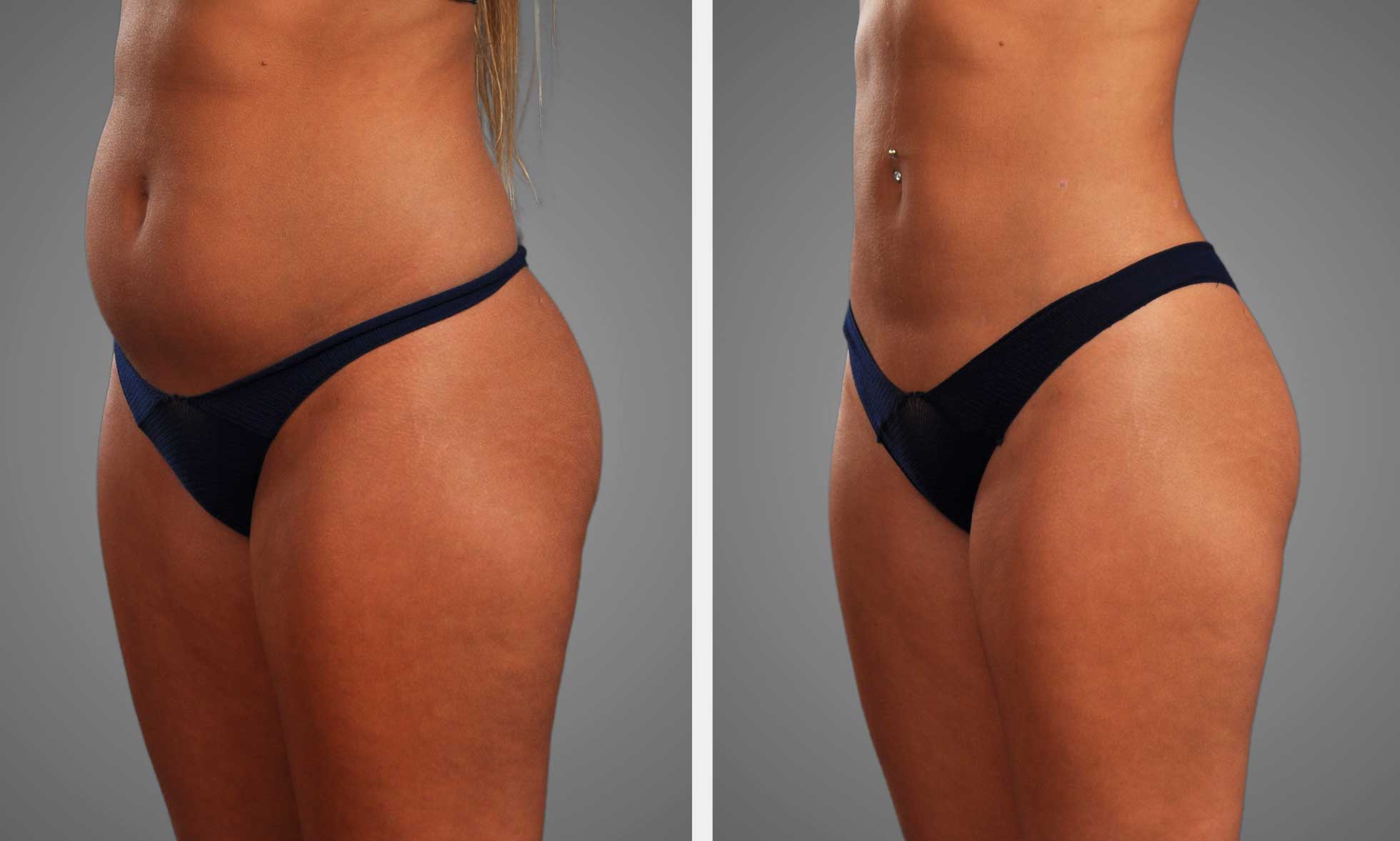
The objective is proportionate sculpting that renders legs sleeker and more chiseled with no tell-tale evidence of operation. Fine fat elimination can reposition visual equilibrium and accentuate muscle contours. Before-after photos help establish expectations.
Individual results may vary, with the majority of people experiencing first contour changes within 1 to 2 weeks as swelling subsides, and final definition developing over the course of several weeks.
5. Technology Selection
Tumescent, VASER and micro liposuction are your choices. Ultrasound-assisted and high definition tools are great for little fibrous pockets. Selection is based on skin laxity, fat variety and result preference.
Top of the line technology allows for healthier, speedier healing and usually necessitates just one to two weeks of compression garments.
Candidacy Assessment
Mini liposuction of smaller, hard to tone areas such as the knees is usually best suited to candidates with distinct, well-defined pockets of fat in good general health, whose skin remains elastic. A sound evaluation begins with a clinic visit during which the surgeon checks medical history, current medications, past surgeries, and any healing issues to ensure that the issue is localized fat rather than loose skin or loose skin that won’t retract after fat removal.
Mini liposuction is most effective when patients are close to their desired weight and have had stable weight. Perfect candidates are typically within 10 to 15 pounds of their goal weight or at least 20 to 30 pounds, depending. Those with a good BMI who have little fat stores around the knees and live a healthy lifestyle tend to do best.
For instance, a runner or cyclist with that little bulge at the inner knee is a classic candidate. Good skin elasticity is key. When the skin is elastic, it can shrink back after the fat beneath is sucked out, yielding a nice sleek contour. If you have some serious skin laxity, striae or very thin skin, liposuction alone won’t make a pleasing impact and you may need skin-tightening procedures or alternative methods.
For example, mature adults with decreased skin tone may experience less enhancement than younger individuals with equivalent fat deposits. Mini liposuction should not be viewed as a weight-loss method. It is a contouring tool meant to remove stubborn pockets of fat that resist diet and exercise.
Results are gradual. Swelling and bruising hide early changes, and the final shape can take several weeks to months to appear. Surgeons typically recommend maintaining stable weight for several months before surgery to ensure the change is lasting. A detailed consultation clarifies patient goals, discusses realistic expectations, and evaluates anatomy through exam and sometimes imaging.
Contraindications for mini liposuction include:
- Active infection or skin disease in the treatment area
- Poor general health or uncontrolled chronic illness, such as uncontrolled diabetes or significant heart disease.
- Inadequate skin elasticity or excess loose skin in the knee area.
- Prior clotting or anticoagulant that cannot be discontinued.
- Severe obesity with a BMI well above recommended levels for elective surgery.
- Unrealistic expectations or desire for large-scale weight loss.
Procedure and Recovery
Mini liposuction for small trouble spots like the knees is an outpatient procedure performed under local anesthesia with very thin cannulas. It is essentially targeted fat removal with minimal tissue trauma. On a single small area, the procedure normally requires less than an hour.
You do not have to stay overnight; your loved one may be asked to sleep with you the first night for safety and comfort.
The Process
- Marking and prep: The surgeon maps the treatment zone while the patient stands, then cleans the skin and injects a local anesthetic solution that helps reduce bleeding.
- Small incision and cannula insertion: A 2–3 mm incision is made. Using specialized micro-cannulas, fat is carefully dislodged and suctioned away. These slim tools provide control around the kneecap and along the inner knees where accuracy counts.
- Fat removal and contouring: The surgeon moves the cannula in a controlled way to sculpt rather than remove large volumes, preserving natural contours. Local anesthetic keeps you comfortable during the work.
- Fluid management and closure: Sutures or adhesive strips close the tiny incisions. Occasionally, small drains or compression-assisted dressings are applied to control excess fluid and reduce the risk of seroma.
- Immediate post-op checks: The patient is monitored briefly, given instructions, and allowed to go home the same day.
Aftercare
For faster recovery, wear your compression garment when recommended to decrease swelling and assist your skin in conforming to new contours. Continued wear the first 2 weeks is typically recommended. Garments may be needed as long as 6 weeks to help keep swelling at bay.
Some mild bruising, tenderness, and temporary numbness around incision sites is typical. Pain can be burning or soreness and typically lasts a few days. Oral pain meds and cold packs are beneficial.
Aftercare checklist:
- Keep incisions clean and dry. Alter dressings as per clinic instructions.
- Compression garment should be worn day and night for two weeks, then as directed for up to six weeks.
- No soaking or hot tubs until cleared by the surgeon.
- Begin light walking within 24 to 48 hours to reduce the risk of clots.
- Avoid heavy lifting and vigorous exercise for a few weeks.
- Follow-up visits for drain removal and healing checks.
Adhering to this process minimizes issues and promotes easier and more reliable recovery.
Expected Timeline
Initial swelling and bruising are immediate and generally start to subside in 1 to 2 weeks. Swelling tends to peak at two weeks. Contour changes are visible within a few weeks, although some residual swelling may obscure finer detail.
Final results take 2 to 3 months as remaining swelling resolves and tissues settle.
| Time post-op | Typical signs | Patient guidance |
|---|---|---|
| 0–3 days | Pain, bruising, swelling | Rest, compression, pain meds |
| 1–2 weeks | Peak swelling, improving bruises | Continue garment, light activity |
| 4–12 weeks | Swelling fades, contours refine | Gradual return to full activity |
Beyond The Knee
Liposuction beyond the knee, or lower extremity liposuction, focuses on the fat pockets that surround the knee joint and adjacent lower-leg areas. This fat can be recalcitrant and persist in spite of diet and exercise. Here we aim to refine leg contour and smooth the transitions between the thigh, knee, and calf.
Surgical time typically ranges from one to three hours, based on the number of treated small areas and volume of fat extracted. Anticipate swelling and bruising, which can often peak in the first couple of weeks, with the majority of patients noticing obvious improvement by four to six weeks. You’re going to be wearing compression garments for one to two weeks post-op to assist with swelling and skin re-drape. Light walking is recommended while heavy lifting will need to wait a number of weeks.
Other tiny, stubborn areas perfect for mini liposuction are the chin, ankles, inner thighs, and underarm bulge. Each region has different anatomy and fat pad thickness, so the treatment plans differ. Chin liposuction often helps define the jawline and neck with little incisions under the chin or behind the ears.
Ankle lipo sculpts the medial and lateral ankle pads to slenderize the lower leg silhouette. Inner-thigh work tackles pinchable near-groin fat for a cleaner thigh gap. Underarm bulge treatment trims fat that pops out in sleeveless tops. These regions may be addressed individually or in combination, subject to patient objectives and quantities of fluid removal within safe limits.

Mini liposuction is flexible and suited for both men and women who desire gentle carving instead of significant volume reduction. Men tend to desire contouring around the knee and inner thigh to balance muscular lines, while women may prefer smoother transitions and proportion around the ankle and calf.
The procedure can be scaled to a single small area or multiple sites in one session. Combining zones in one visit makes for a more harmonious result, and the surgeon will cap total aspirate volume to keep recovery safe.
Fat from any smaller areas can be used for fat transfer. Harvested fat can be purified and re-injected as a natural filler for the face, adding soft volume around the cheeks or eyes, or small breast augmentations. Using your own fat minimizes the need for synthetic fillers and offers a body-contouring advantage at both donor and recipient locations.
Results are different for each individual. Realistic expectations and a plan with the surgeon are important.
Realistic Expectations
Mini liposuction for areas like the knees and ankles should help you shape up, not make a huge change! Effects are subtle. Think more sculpted curves, less inner knee bulge or ankle bone fullness, not a dramatic reshaping of the entire leg. How much you change really depends on how much fat is removed. Small volumes generate modest visual shifts. If you envision a dramatic before-and-after, you should rethink that and talk about goals with your surgeon.
Skin elasticity, amount of fat and aftercare dictate the end result. Snug, bouncy skin shrinks so much nicer post-fat extraction and frequently provides sharper demarcations. Mature skin or skin that’s been stretched may not bounce back and could have some mild laxity left. If you carry more fat volume, results can be more significant, but the area treated must correspond to what’s safe and suitable for mini lipo.
Follow post-op instructions closely. Wearing compression garments, avoiding heavy exercise early, and attending follow-ups all help tissue settle and reduce complications. Healing, of course, is a process. The change goes on for months. Initial bruising and swelling are typical and may be severe in the first days.
Swelling typically begins to subside in a few weeks, but complete refinement can take a few months as the tissues soften and scars begin to fade. Realistic expectations are important. Most patients look significantly improved within a few weeks and then continue to smooth between three and six months. Schedule around this reality when planning events or travel.
Anticipate pain, bruising, and temporary numbness. These are typical and generally fade. Swelling can linger for weeks, and contour irregularities and palpability during this time do not necessarily represent the end result. Routine post-op appointments allow your surgeon to track healing, respond to concerns such as asymmetry, and direct massage or lymphatic drainage when necessary.
These visits establish and re-establish realistic expectations based on how you are healing. Long term results stick when weight is in equilibrium and lifestyle sustains them. Liposuction eliminates fat cells in treated areas, but fat cells can still expand with weight gain. Good nutrition and exercise are important to keep the result.
Innovations such as ultrasound-assisted Vaser can help facilitate a more gentle fat removal and tissue tightening, but results remain individualized. Talk with your surgeon about how technique, your anatomy, and recovery decisions form realistic expectations. Individual variability is great. Benchmark your anticipated result against like cases your surgeon can demonstrate.
Conclusion
Mini liposuction is perfect for small, hard places such as the inner or outer knee. Liposuction for small stubborn areas like knees is ideal for candidates who have localized fat that persists despite diet and exercise, good skin tone and elasticity, and a stable weight. You can anticipate mild swelling and bruising, with a few weeks of healing. Results appear as swelling subsides and can require touch-ups or additional skin care if laxity remains.
Select a board-certified surgeon who demonstrates before and afters of knee work and spells out risks and constraints. Schedule a consultation to receive a custom plan and candid recovery timeline. Take action and book that consult.
Frequently Asked Questions
What is mini liposuction and how does it differ from regular liposuction?
Mini liposuction addresses small, localized fat pockets. It uses smaller cannulas and shorter treatment time. It is less invasive than liposuction pumps but is best for small areas like knees.
Is mini liposuction safe for removing fat around the knees?
Yes, under the hands of a board certified plastic surgeon. Risks include infection and contour irregularities. Proper evaluation and technique minimize complications and maximize results.
Am I a good candidate for knee liposuction?
Ideal candidates are close to their ideal body weight with non-elastotic skin and localized fat. Not cellulite or major skin laxity. A surgeon’s consultation confirms candidacy.
What is the recovery like after knee liposuction?
Anticipate mild to moderate swelling, bruising, and soreness for 1 to 2 weeks. Typically, most resume light activity in a few days and normal activity in 2 to 4 weeks. Adhere to garment and care instructions for maximum results.
How visible are the scars from knee liposuction?
Scars are tiny, a few millimetres, and typically located in inconspicuous areas. They generally fade away over the course of months but can still be somewhat visible depending on skin type and healing.
Will the fat come back after mini liposuction on the knees?
Fat cells extracted don’t come back. Excess fat may enlarge with weight gain. A stable weight through diet and exercise maintains results.
Can mini liposuction fix sagging or cellulite on the knees?
Mini-liposuction can take out fat, but it won’t tighten loose skin or smooth away cellulite. Combination procedures or skin-tightening treatments are often suggested for those issues.