Directions
 Call Us
 Email Us



Key Takeaways
- Mommy makeover incorporates several surgical procedures to achieve a pre-pregnancy shape whereas body sculpting is aimed at targeted fat removal with surgical or non-surgical interventions. Select mommy makeover for comprehensive reconstructive transformation and body sculpting for targeted contouring.
- Mommy makeovers are more invasive and involve longer recovery, bigger incisions and more scarring risk. Body sculpting provides minimally invasive or non-invasive solutions with less downtime and reduced surgical risk.
- Anticipate more dramatic, longer-lasting outcomes with surgical mommy makeovers and perhaps upkeep or repeat treatments for non-surgical body sculpting. Consider skin elasticity and weight stability in candidacy.
- A mommy makeover requires an extended and intensive recovery period that includes weeks of activity restrictions and wound care. Recovery after body sculpting depends on the specific technique and patient and generally allows for a quicker resumption of daily activities.
- Plan for larger upfront costs and combined surgical fees with a mommy makeover, and for multiple or maintenance sessions with body sculpting. Account for consultation, facility, anesthesia, and aftercare fees in planning.
- Prior to making a decision, evaluate medical fitness and mental preparation, define realistic expectations, seek a trusted physician, and adhere to recovery guidelines to mitigate complications and boost satisfaction.
Mommy makeover vs body sculpting determines which procedure suits post-pregnancy and overall contour goals. A mommy makeover generally includes breast and abdominal surgery to return volume and firm skin post-pregnancy.
Body sculpting includes surgical and non-surgical treatments that eliminate fat and contour flanks, thighs, and other specific areas. Both involve recovery time, risk, and cost differences.
The passages below contrast results, downtime, and ideal candidates.
Defining Procedures
By describing the procedures, we make clear what each path attempts to repair, where they operate, and who they serve best. The two words overlap. Each eliminates fat and can contour, but they are distinct in scale, method, and convalescence.
Here are the key differences, areas of focus, and typical patient objectives, along with a brief list of typical procedures for each.
Mommy Makeover
In short, a mommy makeover is a specific series of cosmetic surgeries designed for the post-baby bod, typically combining a tummy tuck, breast lift or augmentation, and liposuction. It’s about repairing your pre-pregnancy silhouette of stretched skin, weakened abdominal muscles, and sagging breasts.
The surgical mommy makeover usually combines multiple procedures in one operative session, which can reduce overall recovery time compared to spaced out surgeries but increase short-term surgical burden. Patients generally want their mommy makeover to address loose skin, muscle laxity and lifting or replacement of breast volume.
A complete mommy makeover might consist of breast augmentation, abdominoplasty and, at times, labiaplasty when soft-tissue changes impact the private zones. Candidates are typically near their goal weight, non-smokers with decent muscle tone. Taut skin filled with collagen and elastin enables the skin to re-drape snugly over fresh contours.
Recovery typically spans between 4 and 6 weeks. Each individual and the number of procedures performed dictates the healing process. Surgical detail: Abdominoplasty repairs diastasis recti and removes loose lower abdominal skin. Mastopexy repositions breast tissue.
Liposuction sculpts localized fat pockets. Anticipate surgical complications and a more intensive post-operative period than with non-surgical options.
Body Sculpting
Body sculpting encompasses a wide range of fat reduction and body shaping procedures. These include liposuction, body lift, cryolipolysis (CoolSculpting), and injectable fat-melters. The goal is to address persistent fat and give muscles a more sculpted look, not to fix significant amounts of loose skin or muscle separation.
Body sculpting is suitable for many areas: abdomen, thighs, arms, chin, and flanks. Good candidates for these procedures are close to their ideal weight, have a stable weight history, and decent skin elasticity.
Liposuction targets localized fat removal, while non-surgical options reduce fat with minimal downtime but may require several treatments. Sustained outcomes hinge on weight maintenance, balanced nutrition, hydration, and frequent physical activity.
Common procedures (bullet list):
- Mommy makeover includes abdominoplasty (tummy tuck), breast lift or augmentation, liposuction, and possible labiaplasty.
- Body sculpting includes liposuction, body lift, thigh lift, arm lift, CoolSculpting, injectable fat reduction, and dermal fillers.
Core Differences
Where mommy makeovers focus on restoring multiple areas impacted by pregnancy, body sculpting hones in on specific areas to help define shape. The two paths do overlap. Both can employ liposuction and abdominal work, but they differ in scope, invasiveness, recovery, and long-term needs. This section details those differences so readers can align objectives with action types.
1. Invasiveness
Surgical mommy makeover treatments are more invasive as they usually combine procedures such as breast lift or augmentation, abdominoplasty, and liposuction in one operative plan. This results in bigger incisions, more tissue dissection, and longer time under anesthesia. The recovery is more extended, typically four to six weeks. Aftercare consists of wound care, drains in select situations, and incremental return to activity.
Body sculpting covers a spectrum from non-invasive (cryolipolysis, radiofrequency) to minimally invasive (tumescent liposuction, laser-assisted) liposuction. These generally employ small incisions or no incisions resulting in minimal scarring and downtime. Scarring, pain management, and compression garment requirements correspond to the invasiveness of the selected technique.
2. Scope
Mommy makeovers typically treat breasts, abdomen, hips, and occasionally thighs or buttocks in one combined treatment plan for wide-scale restoration. Examples include a breast lift with implants, a tummy tuck, and liposuction of the hips to recreate a pre-pregnancy silhouette.
Body sculpting typically targets one or two zones per session, such as flank liposuction or arm lift, so you can stage the work and fine-tune. Body contouring procedures can consist of liposuction, body lift, thigh lift, and arm lift. These can be repeated over time to achieve desired results.
3. Results
What mommy makeover patients can expect is a more thorough transformation of their body shape and fuller, perkier breasts with one holistic result once healed. Surgical results are generally permanent. However, subsequent weight fluctuations or pregnancy can affect them.
Body sculpting produces sleeker contours and localized fat reduction. Non-surgical methods often require maintenance sessions. Surgical results are evident after healing, and non-invasive treatments reveal incremental transformation over weeks to months.
4. Candidacy
Perfect mommy makeover patients are post-pregnancy women with dramatic fluctuations in breast and abdominal tissue who are at a stable weight and have reasonable expectations. Major health concerns, smoking, or sallow skin tone can eliminate surgery.
Body sculpting is suited for men and women with localized fat or loose skin, close to their ideal weight, good skin elasticity, and non-smokers. Collagen-rich skin helps re-drape after contouring.
Recovery Journey
Recovery from a mommy makeover or body sculpting procedure depends on the type of procedures, scope, and your individual health. The subsequent numbered timeline details generic milestones for surgical and non-surgical tracks, contrasts recovery severity, enumerates typical symptoms, and provides actionable advice for scheduling work and activity.
- Immediate post-op (days 0–7): Hospital or clinic discharge within 24 hours for many surgeries. Anticipate pain management with prescribed meds, drainage bulbs for a few of those breast or tummy procedures, compression garments on, and short walks recommended within 24 hours to encourage circulation and lower clot risk. Bruising and swelling reach their peak in this window.
- Early recovery (weeks 1–2): Sutures may still be in place. Pain decreases, but discomfort and tightness persist. Light walks are advised. Showers in full might be limited depending on incisions. For non-surgical body sculpting, any redness or mild swelling typically subsides at this time and patients can return to most normal activities within a few days.
- Intermediate recovery (weeks 2–4): Many surgical patients begin light to moderate exercise between week two and four. Activity limits remain: avoid heavy lifting, straining, and core work. Return to work is more variable, with desk work possible sometimes after one to two weeks, but most people with active jobs require a longer period.
- Advanced recovery (weeks 4–6+): Standard mommy makeover recuperation time lies here, usually between four and six weeks for most normal activities and easing back into heavier activity. Cardio and light weights can typically return around weeks 4 to 6, but full intensity should be phased in. Final surgical results continue to mature beyond three months.
- Long-term remodeling (3+ months): Swelling resolves further and contours settle. Post-liposuction, you’ll see an instant difference, but the final outcome might take three or more months. The quality of your skin, collagen, and elastin plays a role in how well it re-drapes over your new contours.
Compare intensity and duration: Surgical treatments (mommy makeover, combined procedures) involve more pain, longer swelling, and higher risk of complications, requiring weeks of recovery and activity limits. Non-surgical body sculpting usually induces minimal downtime, less pain, and quicker return to routine, though the results are often subtler and need multiple treatments.
Common postoperative symptoms
- Bruising usually peaks in week one and fades over two to four weeks.
- Swelling: can persist for weeks to months; compression helps.
- Discomfort is managed with medication. If you experience sharp pain, you should contact your surgeon.
- Numbness or altered sensation is common around treated zones and often improves over months.
| Procedure type | Downtime estimate | Activity restrictions | Return-to-work |
|---|---|---|---|
| Mommy makeover (surgical) | 4–6 weeks typical | No heavy lifting, avoid core strain | Desk work 1–3 weeks, active jobs 4–6+ weeks |
| Liposuction (surgical) | 1–3 weeks initial | Compression, avoid high exertion | 1–2 weeks desk; 4–6 weeks full activity |
| Non-surgical sculpting | 0–3 days | Light avoidance only | Usually immediate to few days |
Downtime
Mommy makeover downtime is usually a few weeks. Multiple surgeries means increased swelling and extended recovery. They will require assistance at home and work leave. Activities such as lifting your children or carrying groceries will be difficult for a few weeks.
Body sculpting downtime is different. Non-surgical solutions require little downtime. Some treatments cause a little bruising or soreness for a couple of days. Surgical contouring still needs days to weeks of downtime.
Don’t do any heavy lifting or strenuous exercise post-op. Begin taking brief walks shortly after to facilitate recovery. Add back cardio and light weights at four to six weeks, at the surgeon’s discretion.
Routines and work are impacted by downtime. Schedule remote work or leave, organize babysitting assistance, and manage employer expectations.
Aftercare
For surgical mommy makeovers, these steps involve wound care, dressing changes, compression garments, and follow-up visits. Maintain incisions clean and dry and report signs of infection.
Body sculpting aftercare may involve lymphatic or manual massage, hydration, and gentle skincare to promote healing. Use sunscreen and moisturizers on treated areas.
Adhere to the recovery plan suggested by your surgeon. Compliance minimizes complications and accelerates recovery.
Control swelling and bruising with compression, elevation, cold packs initially, and gentle movement. Extend your results with consistent workouts, water, clean eats, and collagen-friendly skin care.
Financial Considerations
Pricing for a mommy makeover and for body sculpting exist on different ends of the spectrum. A mommy makeover packages these surgeries into one package, which increases the flat fee but can decrease per-procedure overhead. Body sculpting spans the gamut from minimally invasive liposuction to fully non-surgical options such as CoolSculpting, and costs vary based on technique, the number of areas, and the number of sessions.
Initial Cost
Mommy makeovers typically have larger upfront costs because they involve a combination of procedures, including a breast lift, tummy tuck, liposuction, and sometimes even a thigh lift. Average ranges are all over the place, with some procedures in the $2,000 to $30,000 range. A full-on total estimate for a comprehensive package is $45,655.
Typical individual procedure averages are as follows: a traditional breast lift is about $8,128, a traditional tummy tuck is about $7,983, and liposuction is about $7,857. These numbers assist in demonstrating why consolidating operations so fast stacks up.
Body sculpting prices vary based on session count and treatment zones. Non-invasive fat reduction such as CoolSculpting averages about $1,723 per treatment. You might require more than one treatment to achieve your goals. Minimally invasive liposuction leans toward the surgical end of the spectrum and frequently demands fewer return appointments than non-surgical methods.
Consultation fees, preoperative tests and scans, anesthesia, and recovery aids like compression garments, prescriptions, and follow-up visits should all be budgeted. Think about facility fees and surgeon fees that differ from clinic to clinic. Consultations and pre-op testing tend to add a few hundred to a few thousand more.
Bullet list: potential additional costs
- Anesthesia fees and operating room charges
- Preoperative lab work, imaging, and medical clearance
- Postoperative garments, drains, and wound care supplies
- Prescription medications and pain management
- Revision or touch-up work is not included in the original quote.
- Travel and accommodation if employing a specialist in another city.
- Lost income during recovery and childcare expenses
Long-Term Value
Surgical mommy makeovers generally result in longer-lasting, more complete results. A well-executed tummy tuck or breast lift endures for years and can eliminate the need for a dozen little touch-ups. Non-invasive body sculpting generally involves maintenance treatments. Results will diminish slightly over time and lifestyle changes impact longevity.
Touch-ups or upkeep for non-surgical choices increase the tally. Financing might tip the short-term decision, whether it be a credit card, CareCredit, Alphaeon Credit, or a personal loan. Compare interest rates and repayment terms carefully. Location and surgeon experience affect both price and result. Metropolitan areas generally charge higher.
Bullet list: benefits linked to long-term results
- Surgical: durable contour change, fewer repeat procedures
- Non-surgical: lower initial cost, less downtime, needs maintenance
- Improved body confidence and potential reduced need for clothing alterations.
- Surgical has a higher single-event cost but often a lower long-term repeat expense.
Risks and Realities
Surgical mommy makeovers versus non-surgical body sculpting requires transparent understanding of potential risks, restrictions, and expectations. This section describes typical risks, their variation by strategy, and pragmatic measures patients and clinicians employ to minimize damage and establish realistic expectations.
Surgical Complications
Mommy makeover surgery can have common surgical risks including infection, bleeding, and anesthetic reactions. Procedure-specific risks encompass scarring, breast implant rupture when implants are positioned, and nerve damage which can result in numbness or altered sensation.
Longer term, a portion of patients experience chronic pain, poor cosmetic outcomes, or require revision surgery years down the road. Combined procedures raise the stakes. Longer operative time increases blood loss risk, raises infection chances, and can heighten anesthesia-related problems. This is why many surgeons restrict one session or stage out procedures over months.
Warning signs requiring immediate medical attention are profuse bleeding, fever over 38˚C, rapid swelling or intensifying pain, wound dehiscence or acute breathlessness. Persistent worsening numbness, implant issue symptoms (asymmetry, hardening) or incision site drainage require prompt evaluation.
The preventative strategies employed by board certified plastic surgeons are preoperative medical optimization, perioperative antibiotics, meticulous sterile technique, drains when indicated, careful hemostasis and clear discharge instructions. Selecting a board‑certified, seasoned surgeon minimizes complications.
Reducing joint procedures and reducing anesthesia time reduces risk even more. Routine checkups catch problems early and minimize the risk of permanent damage. Psychological effects like anxiety or depressive symptoms after surgery are common and should be part of preoperative counseling and postoperative care.
Non-Surgical Effects
Non-surgical body sculpting modalities—cryolipolysis, radiofrequency, ultrasound, injectors—have less aggressive risk profiles, but they’re not without risks. Frequent side effects consist of transient redness, bruising, swelling, numbness, and minor short-term pain at the administration location.
Serious side effects may be rare but can include asymmetry, insufficient fat loss, paradoxical adipose hyperplasia from cryolipolysis, or skin effects. Non-invasive procedures typically have less severe systemic risks than surgery and no anesthetic risk, but the results are often more subtle and may need to be repeated.
To enhance results and limit side effects, follow post-procedure advice: avoid heavy activity as directed, use cold packs for swelling, wear compression garments when recommended, and attend scheduled follow-ups.
That’s why proper patient screening is everything. Non-surgical solutions are ideal for individuals near their target weight with isolated fat deposits. Being realistic about how much and how soon things will change keeps you from being regretful and instead fosters gratitude.
The Psychological Impact
While mommy makeover and body sculpting impact beyond the physical, they influence self-image, mindset, and quality of life. Modifications to your body can alter the way you navigate social and private spaces. For many, regaining curves lost to pregnancy or gravity alleviates closet anxiety, boosts lingerie confidence, and even causes them to be more open to participating in social or professional engagements.
Emotional Readiness
Mental preparedness is just as important as physical condition. Clear motivation is a key sign. Choosing surgery to meet personal goals, not to satisfy others, points to healthier outcomes. Realistic expectations are equally crucial. Anticipating nuanced, consistent transformation rather than immediate conversion prevents discouragement.
Stable mental health, including manageable anxiety, no untreated major depression, and coping skills, helps recovery and adjustment. Open dialogue with the surgical team regarding objectives and apprehensions is essential. Tell them what areas of your body most bother you and why and how the suggested procedure is going to solve that for you.
Talk through timelines for swelling and scarring so you know what to expect day to day. Patience is important because healing can take weeks to months, and the final form often evolves gradually. For example, a patient who expects immediate flatness after an abdominoplasty may feel upset at two weeks, while another who knows swelling will subside by three months adjusts without alarm.
Expectation Management
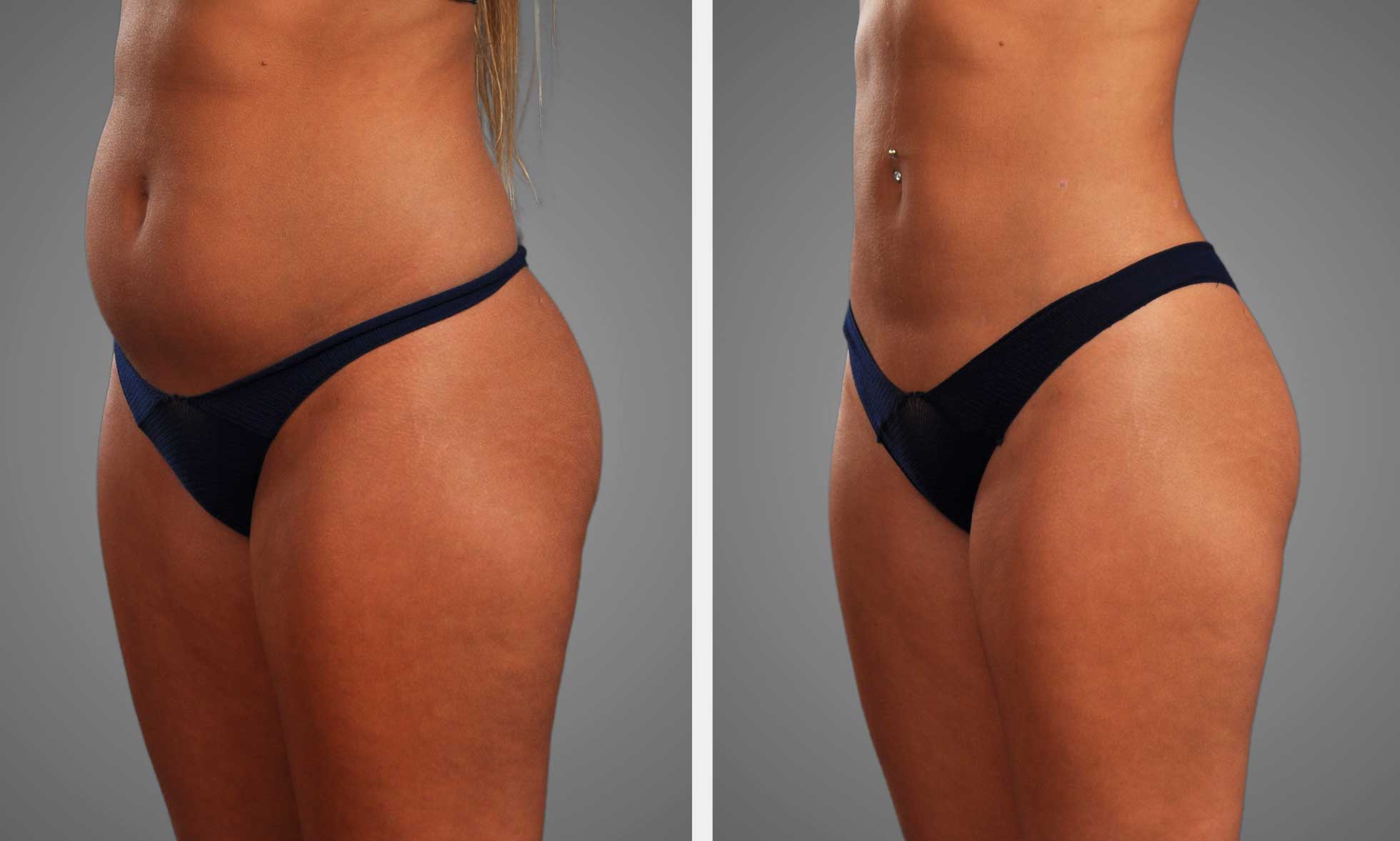
Psychological impact on humans is ultimately important. See before and after photos from the same surgeon and request long-term follow-ups whenever possible. Understand limits: body sculpting techniques like liposuction remove pockets of fat but do not tighten loose skin as much as a tummy tuck. A mommy makeover combines procedures that may need staged follow-up.
Written treatment plans, realistic timelines, and inquiring about revision rates are all strategies for aligning expectations. Find out what complications might look like and the probable action to take. Emphasize ongoing self-care: nutrition, weight control, physical activity, and mental health practices maintain results and support satisfaction.
For instance, a patient who maintains an exercise regimen post-surgery frequently experiences greater body satisfaction than someone who reverts to old habits. It’s common to feel excited and relieved, but anxious, impatient, and sometimes regretful as you recover. A structured support system helps.
Partner involvement, counseling, peer support groups, and clear follow-up with the surgeon reduce stress. Research finds that many women experience enhanced body satisfaction, self-esteem, and quality of life after a mommy makeover, with positive impacts that may persist long-term.
Conclusion
A mommy makeover combines breast and tummy repairs into a single strategy. Body sculpting focuses on fat and contouring in a single area or throughout the body. Both alter body appearance. They involve recovery time, cost, and risk. Select the route that aligns with your objectives, health, and schedule. Consult a board-certified surgeon. Browse before and after photos that fit your body type. Inquire about scarring, after-care visits, and reasonable timelines. Consider assistance at home and taking time off work. For a defined path forward, schedule a consultation, come with a list of priorities, and leave with a written plan outlining procedures, risks, and costs. Take it one step at a time and choose what makes sense for your lifestyle and health.
Frequently Asked Questions
What is the main difference between a mommy makeover and body sculpting?
A mommy makeover pairs procedures typically tummy tuck, breast lift or augmentation and liposuction to fix post-pregnancy changes. Body sculpting is contouring targeted areas with liposuction or non-surgical technologies without a standard breast or abdominal surgery package.
Who is a good candidate for a mommy makeover versus body sculpting?
Opt for a mommy makeover if you have stretched abdominal muscles or skin and breast changes from pregnancy. Choose body sculpting if you have localized fat deposits and good skin elasticity. A board-certified plastic surgeon can evaluate your anatomy and objectives.
How do recovery times compare between the two options?
Mommy makeovers tend to demand weeks to months of recovery with more limitations. Body sculpting tends to have a quicker recovery period, and non-surgical treatments have little to no downtime. Specific times vary based on procedures done.
Which option gives more dramatic, long-lasting results?
Mommy makeovers typically provide more dramatic, longer-lasting transformations because they eliminate excess skin and fix muscle. Surgical body sculpting provides permanent fat removal as well. Non-surgical sculpting provides more subtle, gradual results.
What are the typical costs and financial considerations?
Mommy makeovers cost more because they involve multiple surgeries and require longer anesthesia and hospital stays. Inquire about surgeon fees, facility fees, anesthesia, and post-operative care when estimating costs.
What are the main risks I should know about?
Both approaches carry surgical risks such as infection, bleeding, scarring, asymmetry, and anesthesia complications. Non-surgical body sculpting can lead to short-term swelling, numbness, or asymmetric results. Talk about risks with a board certified surgeon, and ask for before and after pictures.
How will these procedures affect my mental and emotional well-being?
Like mommy makeovers, many patients experience increased self-confidence and body image after near-natural results. Others encounter emotional adjustment or unmet expectations. Preoperative counseling and clear communication with your surgeon help set healthy expectations.