


Key Takeaways
-
Lipedema is a progressive condition resulting in disproportionate fat accumulation in the lower body, which typically does not respond to diet and exercise. Get a medical evaluation instead of assuming it’s standard weight gain.
-
Watch for the obvious mismatch between a thin upper body and swollen legs, painful or tender rubbery nodular fat, easy bruising, and sparing of the feet as your major visual and physical suspects.
-
Hormonal shifts and genetics are huge catalysts, with typical life milestones such as puberty, pregnancy, and menopause often tied to onset. Keep symptom timing and family history in mind to assist diagnosis.
-
Diagnosis is based on clinical suspicion and imaging, not any one diagnostic test. Record symptoms, inquire about family history, and order imaging such as ultrasound or MRI as warranted.
-
Management is centered on symptom control via compression, MLD, gentle exercise, anti-inflammatory diet and, for stubborn fat, lymph sparing liposuction. Develop a personalized plan with your care team.
-
Treat emotional/social impacts: Seek mental health support and peer networks, practice coping strategies, and communicate treatment goals with clinicians for holistic care.
Lipedema legs that do not match upper body is a chronic fat disorder that results in disproportionate fat accumulation in the hips, thighs, and lower legs. It primarily impacts women and frequently causes pain, easy bruising, and decreased mobility.
Diagnosis may be delayed because symptoms resemble obesity or lymphedema. Prompt evaluation, symptom monitoring, and personalized interventions assist in controlling pain and avoiding advancement.
Additional chapters discuss causes, diagnosis, and treatment.
Understanding Lipedema
Lipedema is a progressive adipose tissue disorder that primarily impacts the lower body. It leads to irregular, typically symmetrical fat accumulation in the hips, buttocks, thighs, and occasionally the lower legs and arms. This fat behaves differently from ordinary adipose tissue. It is stubborn, often painful to the touch, and does not shrink reliably with diet or exercise.
Identifying lipedema as a separate condition, not just obesity, is crucial for receiving appropriate treatment and alleviating stigmatization.
The Condition
Lipedema is a chronic progressive disease characterized by symmetrical fat deposits on the thighs, buttocks, and often, arms. On exam, the legs frequently appear out of proportion to the torso, resulting in a distinct lower to upper body mismatch. Lipedema fat is typically painful and bruises easily.
Patients describe pain, a heavy or tight feeling, and hypersensitivity to touch. Over time, the limbs may swell, feel heavy, and limit mobility, making walking, standing, and other daily tasks more difficult. Symptoms typically manifest on both sides simultaneously, so both thighs become enlarged while the waist and chest remain relatively unaffected.
This symmetry and resistance to typical weight-loss methods assist in differentiating lipedema from other causes of a spare tire.
The Cause
While its exact causes are incompletely understood, hormonal changes are common triggers or exacerbators of lipedema. A lot of individuals become aware of symptoms during puberty, during or after pregnancy, or at menopause. Genetics have a big part to play; family history is prevalent amongst sufferers, indicating a hereditary predisposition.
Lipedema is the result of metabolic and vascular dysfunction, not just overeating or sedentary behavior. Common instances for symptom onset or exacerbation include:
-
Puberty
-
Pregnancy
-
Postpartum hormonal shifts
-
Perimenopause and menopause
-
Use or change of hormone therapy
Since it is linked to hormonal and vascular factors, lifestyle changes do not typically reverse fat accumulation.
The Difference
Lipedema fat differs from ordinary fat in its response to calories and exercise. It is resistant to calorie restriction and targeted workouts. Lymphedema, by contrast, is excess lymph fluid and typically involves the feet and may cause pitting edema.
Lipedema generally spares the feet. Cellulite is a cosmetic change in skin texture, without persistent pain or significant swelling. Diagnosis matters because lipedema is resistant to typical weight-loss regimens.
Unrecognized, individuals can be misdiagnosed as obese and denied treatments such as compression therapy, manual lymph drainage, or surgery. Early diagnosis aids in managing a co-existing lymphedema and minimizing disability.
The Body Mismatch
Lipedema frequently creates an obvious mismatch between a skinny upper body and a disproportionately enlarged lower body. The disorder manifests with a localized, symmetric accumulation of fibrous fat in the buttocks and legs that doesn’t reflect fat anywhere else. Tops and dresses might be one size and pants or skirts a few sizes larger. Feet tend to stay normal sized, which accentuates the disproportion and differentiates lipedema from simple obesity.
1. Fat Cells
It’s a condition called lipedema, where the fat cells underneath the skin of the legs multiply uncontrollably. These fat cells are denser and more fibrous than regular fat, frequently developing into nodules that make your skin feel bumpy. Unlike regular fat, lipedema fat does not respond to calorie-restricting and exercise.
Patients say their upper bodies shrink while volume remains in their lower bodies. Comparison points: lipedema fat is nodular, fibrous, symmetric, and persistent. Ordinary adipose is smoother, less fibrous, and more responsive to weight loss.
2. Hormonal Influence
Hormonal shifts appear to be a large factor in triggering and exacerbating lipedema. Onset is usually during a hormonal life stage like puberty, pregnancy, or menopause. Estrogen dominance is often associated with increased fat deposits in the hips and thighs, which makes it easy to account for the strong female preponderance of the condition.
Hormonal factors alone do not cause lipedema, but they shape where and when fat builds and why the condition appears or worsens at certain times.
3. Genetic Links
It tends to run in families. A lot of patients have other family members with enlarged legs. Certain genes probably affect fat distribution and vulnerability, too, though research is nascent.
Genetic predisposition helps separate lipedema from lifestyle-related obesity because the pattern runs in families even when diet and activity vary. Family history awareness can lead to earlier screening and facilitate prompt intervention.
4. Lymphatic Function
Impaired lymphatic drainage typically exacerbates swelling and fat accumulation in lipedema. Lymph vessels in impacted legs could operate less efficiently, leading to more fluid pooling and increasing leg volume.
Primary lymphedema is a different condition, as advanced lipedema can generate secondary lymphatic alterations and mixed edema. Supporting lymphatic health with gentle exercise, compression, and manual lymphatic drainage can minimize fluid accumulation and alleviate symptoms.
5. Tissue Structure
Lipedema tissue is softer, more fibrous and prone to nodules beneath the skin. Over time, skin can sag and fold in late stages. Tissue fragility causes easy bruising and pain with pressure, thereby limiting mobility and activities of daily living for numerous patients.
List of common changes by stage: early nodularity and tenderness; mid-stage increased fibrosis and folds; late-stage severe fibrosis, skin changes, and functional limits.
Identifying Signs
Lipedema induces the telltale mismatch between the lower and the upper body. Visual and physical clues converge to direct when to pursue professional evaluation. Appearance alone cannot diagnose lipedema. A skilled clinician employing hands-on exam, patient history, and family history is needed to do so. Record changes to assist in early detection.
Visual Cues
Disproportionate lower body: legs may look clearly larger than the hips, waist, and arms. This isn’t just weight gain. That lower-body bulge can be a different sensation and frequently does not affect the trunk and upper extremities.
Example: two people with similar body mass index (BMI) can carry most extra tissue in different areas. One person may have extra tissue in the abdomen, while the other may have it concentrated in the thighs and calves.
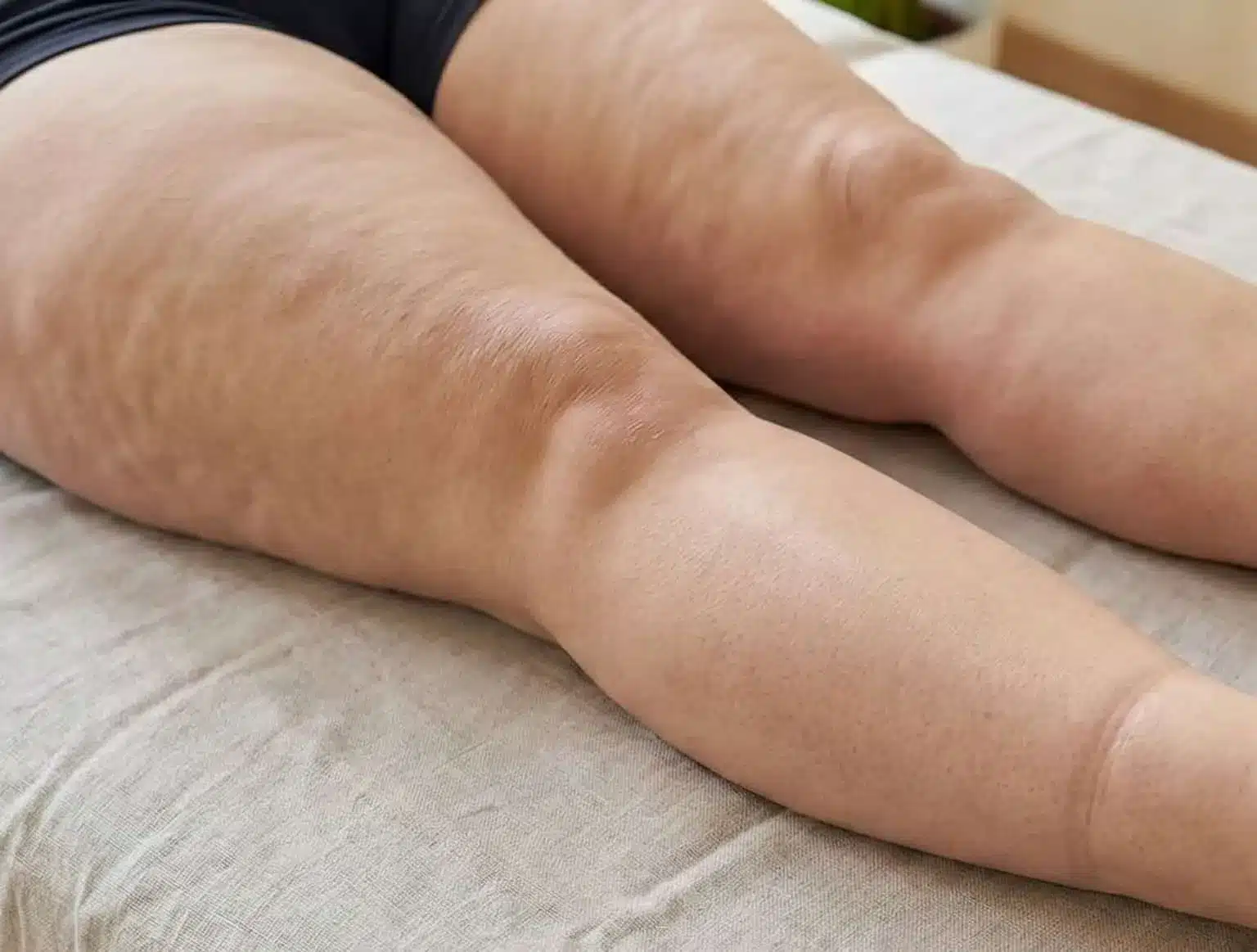
Lumpy fat and dimpled skin texture: small nodules or uneven surfaces under the skin may show, especially in Stage II when larger nodules form. Stage I frequently demonstrates smooth but bulky tissue. Stage II introduces more prominent lumps.
Feet usually spared: a sharp change at the ankle is common. The feet stay normal sized, leaving a noticeable ‘step’ at the ankle. This distribution distinguishes lipedema from generalized swelling involving the feet.
Checklist for visual indicators:
-
Lower-body dominance compared with upper body
-
Symmetry between left and right legs
-
Nodular or lumpy tissue (more in Stage II)
-
Skin dimpling or irregular texture
-
Clear ankle transition with normal feet
-
Clothes fit differently. Pants are tighter around the thighs and normal at the waist.
Clothing and pant-size clues: Many people report a sudden need for larger pant sizes while tops remain unchanged. This dressing-room fit mismatch is a practical red flag.
Physical Sensations
Heaviness and pressure: Legs often feel heavy or full, even without long periods of standing. It gets worse as the day goes on and with heat.
Pain, tenderness, and nodularity: pressing the affected tissue may be painful. Fat can feel nodular or ropy beneath the skin, particularly in late stage. Unlike plain old fat, which is usually not sore.
Fatigue and activity-linked discomfort: more tired legs after walking or standing. Short walks or long days can leave legs aching and swollen, at times alleviated by rest or elevation in Stage I.
Easy bruising and sensitivity: Minor bumps produce large bruises. Skin and subcutaneous tissue are friable and bleed beneath the surface more easily.
Overlap with lymphedema: use Stemmer sign to check for coexisting lymphatic issues. A positive Stemmer sign indicates secondary lymphedema but does not rule out lipedema.
Clinical exam with palpation, history, and family history is the best diagnostic path. Genetics count; 15% mention family history.
The Diagnostic Journey
Diagnosis of lipedema hinges on careful clinical evaluation and a detailed patient history rather than on a single lab test. Clinicians must combine physical exam findings, symptom history, and imaging where helpful to separate lipedema from obesity, lymphedema, and other causes.
Accurate diagnosis matters because it guides treatment choices, helps patients understand prognosis, and prevents unnecessary or ineffective interventions.
Clinical Evaluation
Look for bilaterally symmetrical enlargement of the legs with relative sparing of the feet. Symmetry is a key sign. Palpate the subcutaneous tissue for nodules and lumps.
Stage II frequently presents with large, palpable fat lobules under the skin. Inquire about pain on pressure, spontaneous tenderness, and easy bruising. These symptoms are common and help distinguish lipedema from mere weight gain.
Perform the Stemmer sign to help rule out lymphedema: attempt to pinch the skin at the base of the second toe or finger. Inability to lift a skinfold suggests lymphedema. Gather a detailed personal and family history.
Many patients have relatives with similar fat distribution. Employ a checklist during exams so you can maintain consistency between visits and clinicians. Diagnosing Mental Illness – Help patients keep track of their symptoms, when they began, how they have evolved, and what triggers the symptoms.
Imaging Techniques
MRI, hi-res ultrasound, and DEXA scans can help to visualize fat distribution and tissue structure. MRI provides high-detail images of subcutaneous fat and can demonstrate fat nodules and fibrotic changes.
Ultrasound can measure tissue thickness and blood flow at the patient’s bedside. DEXA measures regional fat and allows us to compare ratios of leg to trunk fat. Imaging supports the clinical picture by confirming abnormal subcutaneous fat accumulation in the legs and can exclude alternative causes such as tumors or deep venous disease.
In some cases, lymphoscintigraphy is used to evaluate lymphatic function when lymphedema is suspected. The choice of imaging depends on availability, cost, and the specific clinical question.
|
Imaging Modality |
What it shows |
When to use |
|---|---|---|
|
MRI |
Subcutaneous fat, nodules, fibrosis |
When detailed soft-tissue mapping is needed |
|
Ultrasound |
Tissue thickness, vascular features |
Quick assessment, follow-up exams |
|
DEXA |
Regional fat quantification |
Compare leg vs trunk fat distribution |
|
Lymphoscintigraphy |
Lymphatic flow |
If lymphedema is a concern |
Differential Diagnosis
Differentiate lipedema from obesity by pattern: lipedema shows disproportionate fat in legs despite overall body weight and resists diet-related loss. In contrast to lymphedema, which often affects the feet and produces a positive Stemmer sign, lymphedema more frequently yields pitting edema in its early stages.
Other fat disorders and venous disease should be considered and excluded with directed history, exam, and imaging. As lipedema is frequently misdiagnosed, patients can encounter prolonged delays and should be encouraged to pursue second opinions where necessary.
Well-documented symmetry, pain, bruising, family history, and staging, such as Stage II nodularity, support the diagnosis.
Beyond The Physical
Lipedema that makes legs disproportionate to the upper body can have repercussions far beyond bloat and contour. These spillover effects include chronic emotional stress, disrupted social life, and deep-rooted mental health issues. The following sub-sections dissect the top nonphysical effects and provide concrete steps for care and coping.
Emotional Toll
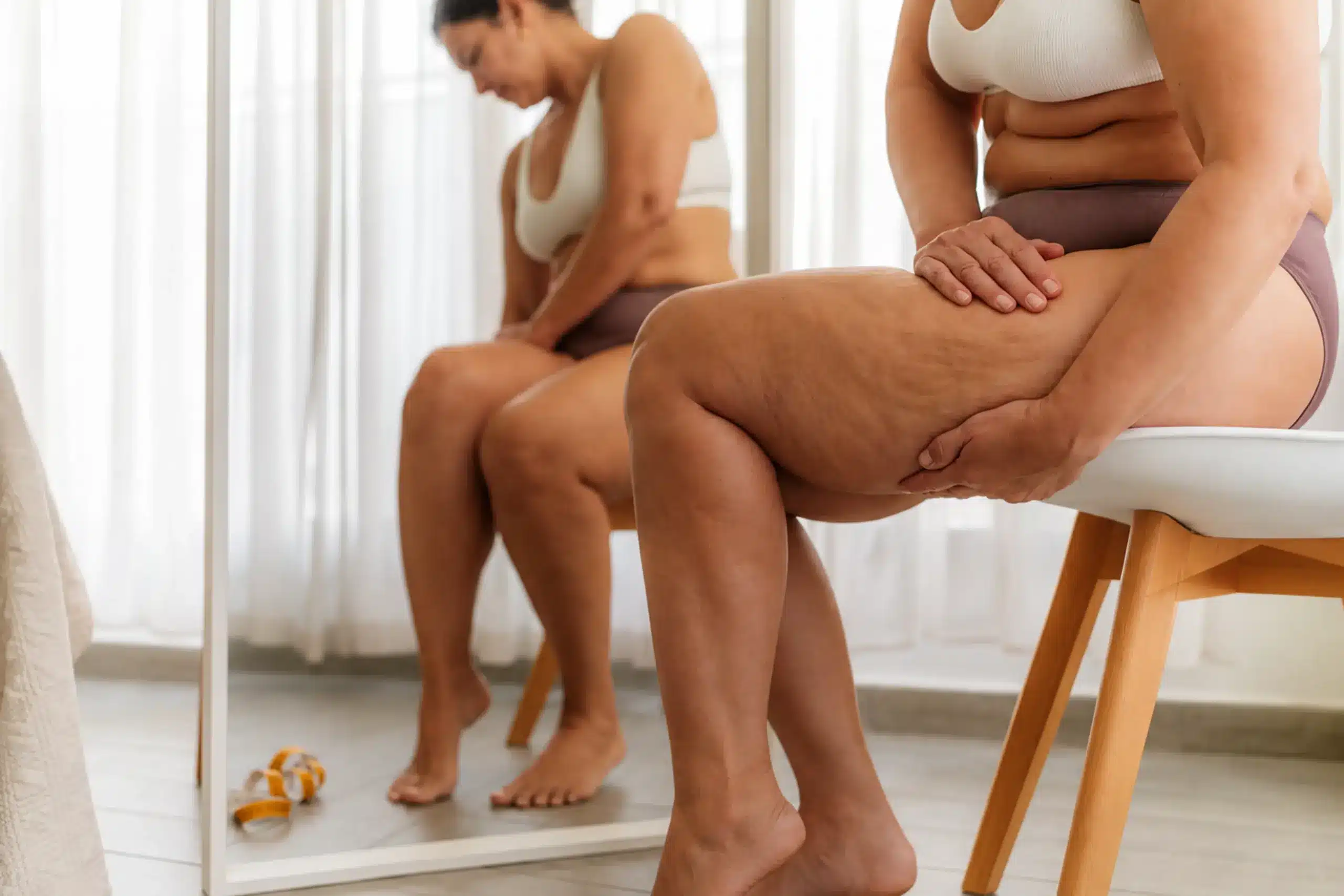
They’re ashamed and self-conscious about how they look. That shame may manifest as anger, humiliation, and despair when clothes, mirrors, or social situations remind them of the disconnect between their legs and torso.
Stubborn pain and decreasing mobility pile on top. When standing, walking, or exercising are painful, anxiety and depression can come next. Multiple failed dieting attempts only exacerbate the issue.
Patients frequently recount the hopelessness they experience as lipedema tissue defies all conventional weight-loss efforts, striking self-esteem and determination a devastating blow. Other patients experience relief and affirmation when they at last secure an accurate diagnosis.
That validation can mitigate isolation, but it cannot undo months or years of agitation. Open discussion of these emotions with clinicians, peers, or therapists is a tangible component of holistic treatment.
Social Impact
Lipedema can lead to social withdrawal and a shrinking social world. They will skip events, avoid pools or gyms, or turn down invites after feeling like they have nothing to wear.
Finding clothes and joining activities is a regular logistical battle. Several experience stress in romantic relationships and stressed friendships when partners or friends misconstrue the disorder.
Misunderstanding becomes fat bias and judgment, which carves isolation deeper.
Do’s and Don’ts for social situations:
-
Do look for support in groups or online communities of shared experiences.
-
So don’t just plan things around looking cute — think about comfort and mobility, too!
-
Do communicate needs clearly with partners and friends.
-
Don’t expect others to “get it.” Give quick, factual background if you like.
-
Don’t accept shaming or blame; set gentle boundaries.
-
Don’t isolate—small, regular social contacts help well-being.
Mental Resilience
Developing coping capacities lessens the burden from long lasting, obvious signs. Specific things include learning pacing for activity, practicing short mental breaks during flare ups, and establishing small, feasible goals for mobility or self-care.
Joining support communities, whether local clinics, online forums, or peer groups, provides communal wisdom and combats isolation. Good self-talk, based on realistic goals, safeguards self-esteem.
For instance, highlight what the body is capable of now instead of previous efforts that failed. Mental-health strategies have their place in the treatment plan.
Psychotherapy, cognitive-behavioral techniques, and when necessary, medication can all be incorporated. A blend of medical, physical, and emotional supports provides the greatest opportunity to enhance quality of life.
Management Strategies
Lipedema is incurable, but treatments can address symptoms, slow progression, and enhance function. Early, personalized schemes are most effective. Decisions are based on clinical exam, symptom pattern, and patient objectives—not on a solitary test. Here are conservative, surgical, and lifestyle strategies with actionable tips and examples.
Conservative Care
Compression garments and intermittent pneumatic devices decrease swelling, reduce inflammatory signaling, and enhance microcirculation. Good stockings or custom-fitted pieces, with class and circumferences selected by a professional fitter, assist in minimizing standing pain and can slow down tissue changes.
Venous procedures have not demonstrated efficacy for lipedema treatment and cannot replace compression.
Manual lymphatic drainage (MLD) and gentle exercise facilitate lymph flow and maintain tissue health. MLD sessions alongside daily walks or aqua therapy can reduce heaviness and enhance range of motion. Examples: 30 minutes of pool walking and twice-weekly 45-minute MLD.
Skin care avoids breakdown where fat and fluid press on fragile skin. Daily moisturizing, immediate treatment of cracks or infections, and attention to hygiene make a difference, especially where folds form.
Drugs and supplements can tackle discomfort and inflammation and are very individual. Short courses of NSAIDs for flare pain, omega-3 supplements for mild anti-inflammatory support, and vitamin D where deficient are common.
Check interactions and tailor doses with your clinician, always.
Surgical Options
Liposuction is the primary surgical approach to excess lipedema fat. When done right, it can minimize pain, increase mobility, decrease joint pressure, and even assist in reestablishing balance. Not all surgeons have lipedema expertise, so find providers who record experience with tumescent or water-assisted liposuction for lipedema to minimize complications.
Other procedures that were occasionally entertained included vein surgery, knee or hip replacements when there was concomitant joint disease, excision of fat nodules, debulking, lifts, resections and bariatric surgery for those patients who were obese.
Bariatric surgery focuses on weight, not lipedema fat. Surgery is intended to optimize function and quality of life, not to “cure” lipedema. Targeted technique, post-op compression, and aftercare count for results.
Selecting a multidisciplinary team, including a surgeon, physical therapist, and lymphedema expert, minimizes danger and facilitates recuperation.
Lifestyle Adjustments
Anti‑inflammatory diet can help symptom control. Focus on lean protein, good fats such as olive oil and fatty fish, and all vegetables. Keep ultra‑processed foods to an absolute minimum.
Example meal: grilled salmon with mixed greens, quinoa, and olive oil dressing. Low-impact exercise promotes lymphatic flow without placing strain on the joints. Swimming, cycling, and brisk walking for 30 to 45 minutes most days builds up muscles that pump lymph.
Keep a healthy weight to decrease mechanical load even if weight loss can’t get rid of lipedema fat. Use symptoms, how clothes are fitting, and your activity level to make changes.
Utilize pictures, circumference measures or symptom logs and check in with your care team to tweak the plan.
Conclusion
Lipedema legs off sync with upper body. It manifests as soft, thick fat on the hips, thighs, and calves. Pain, easy bruising, and heaviness frequently accompany the transition. Easy at-home tests, a discriminating physical examination, and specialized imaging assist in making the diagnosis. Treatment combines self-care, therapy, and medical interventions. Manual lymph drainage, compression, weight work, and targeted surgery reduce symptoms and assist mobility. Mental health support and peer groups alleviate anxiety and stigma.
Take steps that suit your life and wallet. Keep a journal, record what eases symptoms and share that with your clinician. Go to a specialist if you plateau. Discover more tools and connect with a support group to get hands-on advice and consistent care.
Frequently Asked Questions
What is lipedema and why do my legs look different from my upper body?
On a similar note, here’s what unmatching lipedema legs and upper bodies look like. It causes lower-body proportions to feel out of sync with the upper body. The distinction is because of abnormal fat distribution and tissue changes, not just plain old weight gain.
How can I tell if my leg enlargement is lipedema or regular obesity?
Lipedema causes symmetrical leg swelling, pain or tenderness, easy bruising, and sparing of the feet. It doesn’t get much better with dieting. Obesity tends to impact the entire body more uniformly and wouldn’t cause the same pain or bruising patterns.
Which healthcare specialists diagnose lipedema?
Begin with your PCP. They may send you to see a vascular medicine doctor, lymphologist, dermatologist, or lipedema-trained plastic surgeon. Diagnostic confirmation typically necessitates a clinical exam and patient history.
Are there tests that confirm lipedema?
There’s no one lab test. Diagnosis is clinical, relying on history and physical exam. Imaging, such as ultrasound or MRI, and lymphatic testing can help rule out other causes like lymphedema and support the diagnosis.
What non-surgical treatments help balance body shape and reduce symptoms?
Conservative care incorporates compression, manual lymphatic drainage, exercise specific to your needs, an anti-inflammatory diet, and weight management. These minimize pain and swelling and increase mobility. They do not necessarily reduce fat deposits.
Can lipedema be fixed with surgery?
Liposuction (water-assisted or tumescent) can eliminate abnormal fat and enhance shape and symptoms. It demands expert surgeons and appropriate follow-up. Surgery is not curative but can provide immense functional and cosmetic relief.
Will managing lipedema reduce health risks?
Yes. Symptom control enhances mobility and quality of life. It can reduce the risk of secondary issues such as joint strain, skin infections, and declining mobility. The earlier the diagnosis and the more diligent the management, the better the results over time.
