Directions
 Call Us
 Email Us



Key Takeaways
- While fast fat loss from Ozempic might leave your face looking less plump and possibly gaunt or older, that type of cosmetic change isn’t physically detrimental and will differ based on age, genetics and hydration.
- Skin elasticity, fat volume, muscle mass and collagen all impact how the face and body responds to weight loss. Check them all and monitor changes with photos and strength tests.
- Keep your muscle and your firmness by supplementing protein-rich nutrition and resistance training with regular aerobic and flexibility work. Check in with a habit log and occasional strength tests.
- For mild to moderate concerns, opt for non-surgical options like radiofrequency, ultrasound, retinoids, and consistent skincare. Reserve surgical procedures for times when dramatic, long-term results are required and risks and recovery have been carefully considered.
- Tackle the psychological toll by setting realistic expectations, practicing mindfulness or journaling, and seeking social support to safeguard self-esteem and adjust to appearance changes.
- Design a custom plan combining lifestyle strategies, targeted treatments, and medical advice. Allow months for skin to acclimate while readdressing strategies if firmness does not improve.
Ozempic and body firming is about curiosity if semaglutide, a type 2 diabetes and weight loss drug, influences skin and muscle contouring as individuals shed fat.
Studies indicate weight loss can alter skin elasticity and muscle definition. Outcomes differ with respect to age, genetics, and pace of reduction.
A balanced diet, resistance training, and slow weight fluctuations maintain tightness. The main body covers evidence, how to, and safety.
Understanding “Ozempic Face”
Today, we’re breaking down what “Ozempic face” means. This refers to the facial changes associated with weight loss that occurs relatively rapidly after using Ozempic (semaglutide). It involves a loss of facial fat that can create a gaunt or aged appearance.
These changes are aesthetic and not dangerous for one’s physical well-being. The term surged publicly in search trends post-January 2023 and has been associated with increasing interest in face fillers, plastic surgery, and nonsurgical ‘facial balancing’ procedures as people look to regain balance in their face.
The Cause
Ozempic accelerates fat loss by suppressing appetite and modifying glucose metabolism, and as body fat decreases, so does facial fat. Fat under the cheekbones and around the jaw can retreat more rapidly than skin can adjust, which results in a hollowed or sagging appearance.
Genetics and age determine skin’s resilience. Younger individuals with more elastic skin may exhibit fewer permanent changes, whereas older adults could experience more pronounced laxity. Dehydration and bad skin habits, such as minimal sun protection, not moisturizing, or smoking can exacerbate volume loss in the face.
GLP-1 receptor agonists such as semaglutide have well-documented systemic impacts, including these cosmetic shifts, and research demonstrates considerable weight loss and cardiometabolic advantages while acknowledging changes in appearance. Remember, moderate MABW patients shed as much as approximately 25% of total body weight, which can be more than enough to change your facial contours.
The Appearance
Common indications are sunken cheeks, deeper nasolabial folds, more prominent tear troughs, sagging jawline, and exaggerated fine lines and wrinkles. Shifts vary from subtle to sizeable based on original facial anatomy, rate of weight loss, and age.
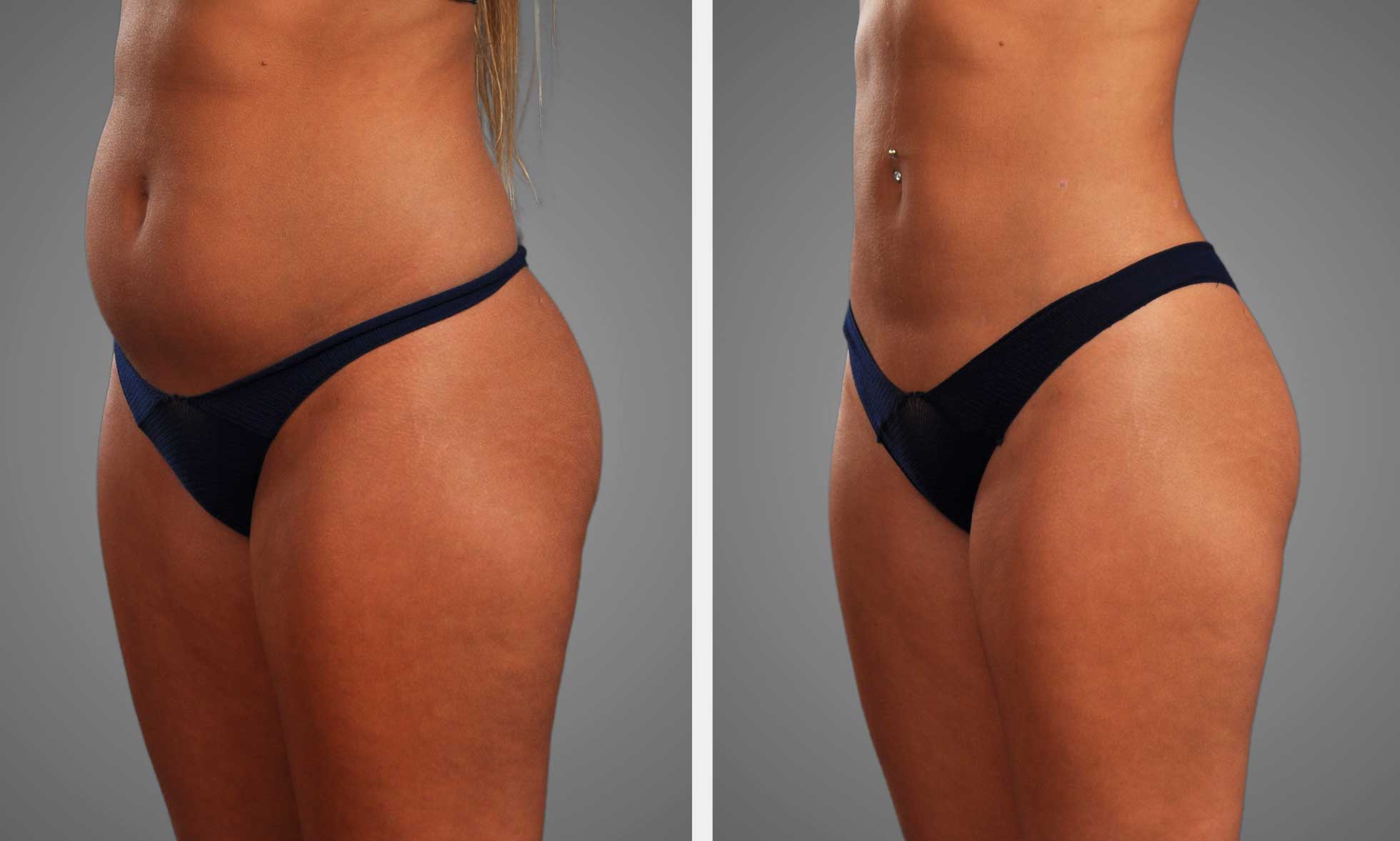
Prior and post-image discrepancies frequently display decreased cheek volume, a more slender jaw area in the lower face, and accentuated under-eye shadowing. At times, a rounded face appears more angular or fat loss from the cheek exposes bone structure.
Makeup and strategic skincare can camouflage some of the effects in the short term. Contour, highlighter, and hydration-heavy products minimize hollowness, but they do not restore volume.
The Psychology
Changed facial visage can induce self-consciousness and impact self-esteem and body image, despite weight loss providing health benefits. Social feedback and perceived judgment can exacerbate personal suffering with some turning to cosmetic procedures in response to either external commentary or internal dissatisfaction.
These searches for “ozempic face,” “face filler” and “facial balancing” indicate a growing public interest in fix-it options. Open dialogues with clinicians and peers about realistic expectations assist people in considering their options, which may include staying on Ozempic, switching weight-management strategies, or exploring aesthetic treatments.
The Body’s Response
Ozempic fires fat loss primarily by decreasing appetite and gastrointestinal emptying, which means you consume fewer calories. That calorie drop results in fat loss everywhere, not just the face. As fat volume declines, areas with thinner fat pads exhibit alteration initially.
Sudden drops in fat, particularly if 6.8 to 9.1 kg or more is dropped swiftly, can expose sunken cheeks, hollows at the temples, and looser neck skin.
Skin Elasticity
Skin elasticity is the ability of skin to snap back into shape after stretch. Younger folks generally have more elastic skin due to their higher elastin and collagen levels. Smoking, extended sun exposure, inadequate rest, and dehydration accelerate the elasticity loss.
Check the face and neck for sagging and deepened lines and tweak firming regimens when shifts emerge. Small photo comparisons every two weeks assist.
Fat Volume
Fat volume loss fuels the observable contour changes of both face and body. Zones with thin fat under the skin, including the cheeks, temples, and beneath the eyes, transform more quickly than denser pads on the stomach or upper legs.
Facial fat is organized into unique pads, therefore shedding the equivalent amount can appear differently in the face versus the torso. Save uncomplicated progress pictures shot under the same light and angle to record how your volume changes.
Muscle Mass
Rapid weight loss can strip muscle unless you protect it. Muscle craves protein and without resistance exercise and appropriate protein energy, the body will cannibalize muscle for energy.
When we lose muscle under the skin, this can increase laxity and make sagging more obvious. Add two weekly resistance sessions, track strength markers like push-ups or resistance load, and possibly increase protein to approximately 1.2 to 1.6 grams per kilogram of body weight when losing weight.
Collagen Impact
Collagen gives your skin structure and tightness. Rapid weight loss decreases collagen and elastin, so wrinkles and sagging become more prominent. Individuals over 40 and those who have either had weight fluctuations or thinner skin are at a greater risk.
Support collagen through nutrition — vitamin C, zinc, and enough protein — and with topical retinoids or peptides under a clinician’s guidance. It hydrates, maintains elasticity, and even minimizes the depth of wrinkles.
Firming Strategies
Ozempic (semaglutide) can cause fat loss that reveals loose skin. Treating firmness can demand more specific interventions than just medication. Here are non-surgical and surgical options, how to combine them, and why plans should match your goals and body patterns.
Non-Surgical
Radiofrequency, ultrasound, and laser therapies apply heat or focused energy to encourage collagen production. Radiofrequency is very effective for mild to moderate laxity on the face and body. Multiple sessions weeks apart are the norm. The high-frequency focused ultrasound (HIFU) targets deeper layers and can lift the forehead, jowls, and neck. Anticipate a slow and steady improvement that continues over months.
Fractional lasers achieve texture and tightness enhancement but require downtime and post-laser sun protection. Topical firming creams and retinoids back up mild cases. Peptide, hyaluronic acid, and vitamin C creams contribute short-term plumpness and hydration. Prescription retinoids accelerate cell turnover and can thicken the dermis over months, which is useful for skin that has been thinned by weight loss. Results here are understated. Pair with in-office treatments for greater impact.
Facial and body exercises can enhance underlying muscle tone and marginally enhance contour. For the face, specific resistance exercises, such as slow cheek lifts and jaw presses, may enhance muscle tone and minimize a sagging look. For the body, both core and resistance training firm up muscles under loose skin, helping it to better fit your frame. Consistency matters. Daily facial work and three weekly strength sessions yield the best chance of visible change.
Set firming strategies. Many non-surgical paths need a series of four to six RF or laser treatments at four-week intervals, or a single HIFU session with reviews at three and six months. Save pictures and measurements to determine progress. Non-surgical methods are lower risk, but less dramatic than surgery.
| Strategy | Pros | Cons |
|---|---|---|
| Radiofrequency/Ultrasound | Non-invasive, gradual collagen build, minimal downtime | Multiple sessions, cost accumulates, limited lift |
| Laser resurfacing | Improves texture and tone | Downtime, risk of pigmentation, needs sun care |
| Topicals/Retinoids | Low cost, easy use, adjunct benefits | Slow, modest gains, needs long-term use |
| Exercise/Resistance | Improves underlying muscle, overall health | Limited effect on excess skin, requires time |
| Surgery (see below) | Most dramatic, longer lasting | Higher risk, recovery time, higher cost |
Surgical
Procedures like facelifts, neck lifts, abdominoplasty, and body contouring such as brachioplasty or thigh lifts excise redundant skin and re-drape tissues, yielding instantaneous and often permanent contour alteration. Selection is based on location of laxity and on skin quality.
Surgery provides more dramatic, longer-lasting results. It is the norm for moderate to severe post-large weight loss excess skin. Anticipate more noticeable rejuvenation and fewer return visits than non-invasive options.
Recovery and risks vary. Facelifts often require one to two weeks off work and several weeks until swelling subsides. Body lifts may require four to six weeks of recovery. Risks are infection, bleeding, scarring, asymmetry, and anesthesia complications. Smoking, uncontrolled medical conditions, or poor nutrition increase risk.
Surgical checklist:
- Goals: specific areas and desired outcome
- Health status: labs, smoking cessation, comorbidity control
- Timing: weight stable for several months
- Recovery plan: help at home, time off work
- Cost and scarring expectations
- Contingency: revision possibilities
Lifestyle Synergy
Lifestyle synergy is all about weaving together seemingly unrelated habits so they support each other in keeping you healthy and firm on Ozempic. Lifestyle synergy: marry nutrition, exercise, and skin care to formulate an actionable strategy that promotes muscle, minimizes loose skin, and preserves those GLP-1 shot results.
The objective is synergy among your daily habits, work, and rest so gains stick and your general wellbeing rises.
Nutrition
Protein aids in muscle repair and supports the skin structure by providing amino acids for collagen and elastin. Try to consume a minimum of 1.2 to 1.6 grams of protein per kilogram of body weight when cutting or using Ozempic to support lean mass retention. Antioxidants found in fruits and vegetables minimize inflammation and help skin repair damage, while vitamin C, zinc, and copper all directly contribute to collagen production.
Healthy fats, particularly omega-3s, maintain pliable cell membranes and moisturize your skin.
- Key nutritional recommendations for skin firmness:
- Prioritize lean protein: poultry, fish, legumes, eggs, dairy.
- Eat vitamin C-rich produce: citrus, kiwi, bell peppers.
- Include zinc and copper sources: nuts, seeds, shellfish.
- Add omega-3s: fatty fish, flaxseed, walnuts.
- Stay hydrated: aim for 30 to 35 milliliters per kilogram of body weight daily.
- Avoid fast weight loss with extreme calorie cuts.
Sample meal plan focused on firmness: Breakfast: Greek yogurt with berries, chia seeds, and a small handful of walnuts. Lunch: Grilled salmon over mixed greens, quinoa, and sliced orange. Snack: Cottage cheese with cucumber slices and cherry tomatoes. Dinner: Lentil stew with spinach, roasted sweet potato, and a side of steamed broccoli. Evening: A small protein shake if needed to meet the daily protein target.
Exercise
Strength training protects muscle mass and helps your body maintain a good shape as weight fluctuates. Emphasize compound moves with progressive load to keep those muscle fibers engaged and skin supported. Flexibility and balanced work prevent injuries and correct posture, which can make the skin appear firmer by toning.
Consistent aerobic activity maintains a healthy heart, keeps your metabolism in check, and facilitates fat loss when combined with diet and GLP-1 therapy.
- Strength routine examples: Three sessions weekly of squats, deadlifts, rows, and presses. Perform three sets of six to twelve repetitions.
- Flexibility and balance: two sessions weekly of yoga or Pilates, and daily 10-minute mobility drills.
- Aerobic options include 150 minutes of moderate cardio each week, such as brisk walking or cycling, or 75 minutes of vigorous cardio, including running or HIIT.
- Mix and match: one strength day, one cardio day, one mobility day each week. Include walking daily for step goals.
Log habits and results in a daily journal to record nutrition, workouts, sleep, and skin transformations. Months of consistency produce the most sustainable results.
A Holistic Viewpoint
A holistic perspective contextualizes body firming and ozempic changes as just one aspect of the broader health image. This translates to seeking the substance beneath the surface — energy, purpose, and joy.
It means treating with timing, communication, and reasonable expectations before you leap to procedures or adjuvants.
Beyond The Scale
It’s not just about the weight loss numbers. Monitoring shifts in stamina, sleep, medication requirements, and activity provides a more holistic perspective on advancement.
Energy, mood, and confidence tend to fluctuate way before the scale reveals big moves. Keep track of these transformations in a straightforward journal.
Commend non-scale victories, like walking farther, lifting heavier, or being more comfortable in social settings. Instead, practitioners rely on different standards to inform their choices.
Here’s a small table with some handy measures.
| Metric | Why it matters | Example target |
|---|---|---|
| Waist-to-hip ratio | Reflects central fat changes | Improve by 0.03 |
| Strength reps | Muscle function indicator | Five additional push-ups |
| Resting heart rate | Cardio adaptation | Drop five beats per minute. |
| Skin elasticity rating | Tissue reaction after weight loss | Same or better |
Mental Well-being
Body changes can impact identity, confidence, and mood. Rapid loss can be disconcerting. Mindfulness keeps anxiety at bay and makes sure you’re focused on the small wins of today instead of vision-questing over the summit.
We need each other. Develop a support system of clinicians, peers, or support groups who are non-judgmental listeners.
Transparency and compassion from clinicians help alleviate anxiety and manage expectations. Journaling is a great way to process feelings and keep an eye on mental health trends.
Brief daily observations on energy, desire, and affect provide both patient and provider actionable information when strategizing next steps.
Long-Term Health
Sustainable habits are the foundation of lifelong wellness. Quick fixes flip flop. Think consistent nutrition, resistance work to maintain muscle, and skin care to reinforce your dermis.
Routine checkups and monitoring identify nutrient deficiencies, hormonal changes or alterations to your skin. Patient education regarding aftercare and maintenance treatments reduces surprises and enhances outcomes.

Define fitness, nutrition, and self-care goals for the long-term, with explicit benchmarks and scheduled reviews. Prevention is key.
Sun protection, a protein-rich diet, progressive resistance exercise, and topical use of vitamin A derivatives and antioxidants maintain barrier and collagen health.
Combination protocols — energy devices, biostimulatory injectables, and topicals — are frequently included in a staggered scheme.
Patients that lose weight slowly tend to experience less severe skin laxity, as quick loss can produce deflated skin and a decrease in collagen and elasticity associated with it, necessitating more customized interventions.
Providers need to consider weight stability and have a realistic surgical or aesthetic timeline conversation with compassion.
Managing Expectations
Managing expectations about body firming on semaglutide drugs like Ozempic begins with a realistic perspective on timing, probable results, and actionable measures you can implement. Rapid weight loss typically fuels the most apparent transformations. Folks who drop 7 to 9 kg (15 to 20 pounds) in less than half a year often pay attention to changes in face and figure.
Big losses of 7 to 14 kg (15 to 30 pounds) or more within months tend to cause even more defined shifts, including sunken cheeks, pronounced nasolabial folds, sagging along the jawline, and sharper bone structure. Skin tightening can fall behind. For many people, nature’s retraction can take a year or more.
Manage your expectations about when you will notice it get firmer and more beautiful looking. While small contour changes may show within weeks, meaningful skin tightening often continues to unfold over months to a year. Age matters: people over 40 often see slower and less complete tightening because collagen and elasticity fall with age.
A history of yo-yo weight gain and loss diminishes rebound potential. Expect modest visible improvement within three to six months, and more gradual change out to twelve to eighteen months.
Specify what changes might be permanent versus reversible. Loss of subcutaneous fat that affects facial fullness can be persistent and only partially reversible with weight gain or procedures. Elastic recoil of skin is different everywhere. Certain areas, particularly those that have thinner skin, will never fully snap back into the shape they were before weight loss.
Reversible things are hydration plumpness and short-term soft tissue movements that react to focused muscle work, topicals, or stalled weight loss. Surgical or procedural solutions exist if laxity is persistent.
Instill patience and persistence for the journey. Slow weight loss, resistance training to maintain muscle, and steady skin care all assist. Applying moisturizers containing hyaluronic acid, glycerin, and ceramides daily helps with hydration and barrier repair.
Manage expectations by wearing sunscreen, not smoking heavily, and having protein for collagen. Over 40 or perimenopause/menopause? Consult a dermatologist or endocrinologist for customized solutions.
Checklist for managing and tracking expectations:
- Record weight change and photos monthly to track pattern.
- Note rate of loss: Aim for a slower pace if concerned about skin laxity.
- Add resistance workouts two to four times a week to maintain muscle and tone.
- Use daily moisturizers with hyaluronic acid, glycerin, ceramides.
- Schedule dermatology consult if laxity persists after 12 months.
- Consider age and weight cycling history in probable results.
- Think non-surgical or surgical if natural tightening is lacking.
Conclusion
Ozempic can chop fat quick and that might impact skin sit. Face and body seem softer as the fat slips. They say slow weight loss, consistent strength work and skin care help maintain shape. Add in targeted resistance moves, lose only 0.5 to 1 kilogram a week max, and use sunscreen, retinol, and hyaluronic creams to care for your skin. Water, sleep and consistent protein consumption fuel recovery. Consult with your physician and a dermatologist or physio for personalized action steps. Monitor results with pictures and easy measurements, not just the scale. For concrete next steps, schedule a check-up with your care team and establish a single short, well-defined goal to accomplish over the next 30 days.
Frequently Asked Questions
What is “Ozempic face” and why does it happen?
‘Ozempic face’ refers to either facial slimming or sagging after weight loss with semaglutide (Ozempic). It occurs due to swift fat depletion and diminished skin elasticity that can leave soft tissues more lax. Medical supervision is necessary for safe weight change.
Can facial firmness be improved while using Ozempic?
Yes. Pair strength training, face yoga, and focused skincare (retinoids, SPF, moisture). These stages help muscle tone, collagen production, and skin health to minimize sagging.
Will building muscle prevent overall sagging during Ozempic treatment?
Getting into Ozempic and body firming shape! Resistance training and progressive load improve body firming appearance. Combine working out with sufficient protein intake for optimal outcomes.
Are cosmetic procedures necessary to fix Ozempic-related facial changes?
Not necessarily. Non-surgical options such as fillers, skin tightening, or laser can assist. Surgery is the last option. Discuss risks, benefits, and timing with a board-certified dermatologist or plastic surgeon.
How fast should I lose weight to minimize skin sagging?
Targets slow weight loss to approximately 0.5 to 1.0 percent of body weight per week. Losing weight more slowly helps preserve the skin’s elasticity and therefore prevents sagging. Collaborate with your clinician to establish a safe rate.
What lifestyle habits support firm skin during weight loss?
Focus on resistance training, protein meals, hydration, sun protection, and sleep. These habits maintain muscle, collagen, and skin health through weight fluctuations.
When should I talk to a clinician about facial changes on Ozempic?
See a clinician if facial changes are sudden, distressing, or affect function. Ask about dose adjustments, nutrition, exercise plans, or referral to dermatology or plastic surgery. Early evaluation helps provide tailored solutions.