Directions
 Call Us
 Email Us



Key Takeaways
- Mommy bodies have shifted shapes, lost skin elasticity and abdominal muscle tone that can make women feel less confident and feminine. Think mommy makeovers, tummy tucks or liposuction to address that stubborn fat, loose skin, weak muscles, stretch marks, and contour irregularities.
- Recovery from liposuction has very defined stages with initial swelling and bruising, improvement over weeks, and final results taking months. Adhere to post-operative guidelines, don compression garments, and monitor results with a journal or checklist.
- Week 1 anticipate discomfort, immobility, caregiver assistance and gentle mobility exercises. During the initial month, bruising and swelling subside, mild activity resumes, and scar care and milestone marking keep spirits high.
- The long-term impact comes from habits like exercise, diet, and flexibility. Some small asymmetries or loose skin may remain, so have reasonable expectations and expect incremental progress.
- Emotional fluctuations are to be expected during rehabilitation. Practice compassion for themselves, use affirmations, seek support from trusted people or mama communities, and honor little wins to establish enduring confidence.
Expectations for mom bodies are culturally constructed. Go for yourself, not the media ideal, and gauge success beyond aesthetics in increased function, emotional wellness, social activity, and daily confidence.
Body confidence after motherhood and liposuction is the sense of comfort and self-acceptance a person feels in their body following pregnancy and a cosmetic fat-removal procedure.
It’s a mix of physical recuperation, shape transformations, and psychological adaptation. Realistic expectations, healing, support, and follow-up care shape outcomes.
The remainder of this post shares actionable steps, timelines, and advice to support navigating recovery, appearance, and self-image.
The Motherhood Body
Pregnancy and childbirth alter the body in distinct but diverse ways, from the change in body shape to the way skin and muscle act. Abdominal muscles can separate, known as diastasis recti, leaving you with a softer mid-section even after weight loss. Skin that stretched to fit a growing baby may have lost some of its elasticity, resulting in sagging or loose folds. Hormonal shifts and nursing change the breasts as well, frequently decreasing volume, firmness, and shifting shape.
Typical body image concerns of new moms are pragmatic and detailed. Stretch marks show up where your skin stretched the most. They can be red, purple, or pale depending on timing and your skin tone. Now, saggy skin around my belly or under my arms makes clothes fit differently and can limit wardrobe options. Stubborn postpartum weight tends to pool around the hips, thighs, and lower abdomen, refusing to respond to diet and exercise.
These visible changes connect to a sense of loss for many women, impacting self-esteem and the perception of their femininity or desirability. The emotional toll is genuine and multidimensional. Others just don’t feel like they look like themselves anymore — like their bodies are all out of whack compared to how they remember them pre-pregnancy.
That can make you self-conscious in bed, at work, or at parties. Guilt and pressure can appear: guilt about wanting cosmetic help and pressure from cultural images of quick postpartum recovery. Know that these feelings are common and not indicative of weakness. Concrete actions might be discussing with your spouse, participating in support groups, and consulting counselors or an experienced surgeon.
How surgery can assist is tangible and quantifiable. A Mommy Makeover is a customized series of procedures designed to address several areas at once instead of a one-trick solution. It could potentially include a tummy tuck to shrink those ab muscles, liposuction to target those trouble spots, and some type of breast procedure to reinflate or lift.
Specific benefits include:
- Reverse the mommy belly and fix separated abs from diastasis recti with a tummy tuck.
- Remove localized fat deposits with liposuction for smoother contours.
- Lift and reshape your breasts or augment with implants or fat grafting.
- Firm up loose skin on the belly or flanks for a tighter shape.
- Pool them all together into a single operation so you only have to recover once.
- Fix your breast symmetry and give lost volume back to your clothes and your self-image.
Timing and safety are important. Most surgeons recommend waiting six months to a year after delivery and longer if nursing. Every plan is individualized. A board-certified plastic surgeon determines the optimal timing based on healing, weight stability, and breastfeeding.
Liposuction Recovery
Liposuction recovery is predictable yet individual. Physical healing, emotional shifts, and lifestyle adjustments overlap. The timeline below provides an overview of what to expect, what to do, and practical ways to monitor progress.
1. The First Week
Expect immediate symptoms: pain, marked swelling, and bruising, especially in the first week. Pain can be controlled with prescribed pain meds and ice packs as directed. Compression garments are vital from day one to assist in decreasing swelling and supporting tissue healing.
Wear them as directed by your surgeon, often most of the day for week one. Set up caregiver assistance with housework and kids. The first week is everything, so rest and assistance count. Easy does it with exercise as well. Light walks every few hours reduce blood clot risks and promote circulation without stressing the treated areas.
2. The First Month
Light activity gradually resumed typically starts in week two and continues through week four. A lot of patients return to light work and gentle exercise during this month. Bruising subsides and swelling starts to decrease.
Contour changes begin to emerge, so anticipate continued refinement, not the final form. Scar care and moisturizing improve skin tone. Use your surgeon’s recommended creams and silicone sheets. Track milestones in a recovery journal.
Note pain levels, garment fit, and small wins like fitting into a pre-pregnancy garment. This helps objectify progress and keeps motivation steady.
3. Long-Term Healing
Final results can take six months or more to manifest as residual swelling subsides and soft tissues settle. Stay on top of your workouts and balanced nutrition to ensure fat reduction remains steady and muscle tone is built.
Hold off on any high-impact exercise for 6 to 8 weeks or until given the go-ahead. Minor asymmetries or loose skin may linger, particularly after several pregnancies. Talk through options such as skin-tightening treatments if necessary.
Over months, many patients experience increasing satisfaction as contours sharpen and function increases.
4. Emotional Fluctuations
Roughly 30% of patients report ambivalence following plastic surgery. Mood swings, questioning your looks, and bursts of confidence are normal. Be kind to yourself and allow time for the emotions to calm.
Contact reliable friends, relatives, or new mom communities for some reassurance. Make yourself a cheat sheet of personal positives for the surgery to review during down times.
5. Lifestyle Integration
Adopt steady habits: a healthy diet, regular low- to moderate-intensity exercise, and at least eight glasses (about 2 liters) of water daily support healing and long-term results. Easy changes like meal planning and listening to your body support weight maintenance.
Remain flexible with these routines, while they provide structure, to match your changing energy and body needs. Sleep and stress are important to prioritize for your body’s physical recovery and your body image, too.
Realistic Expectations
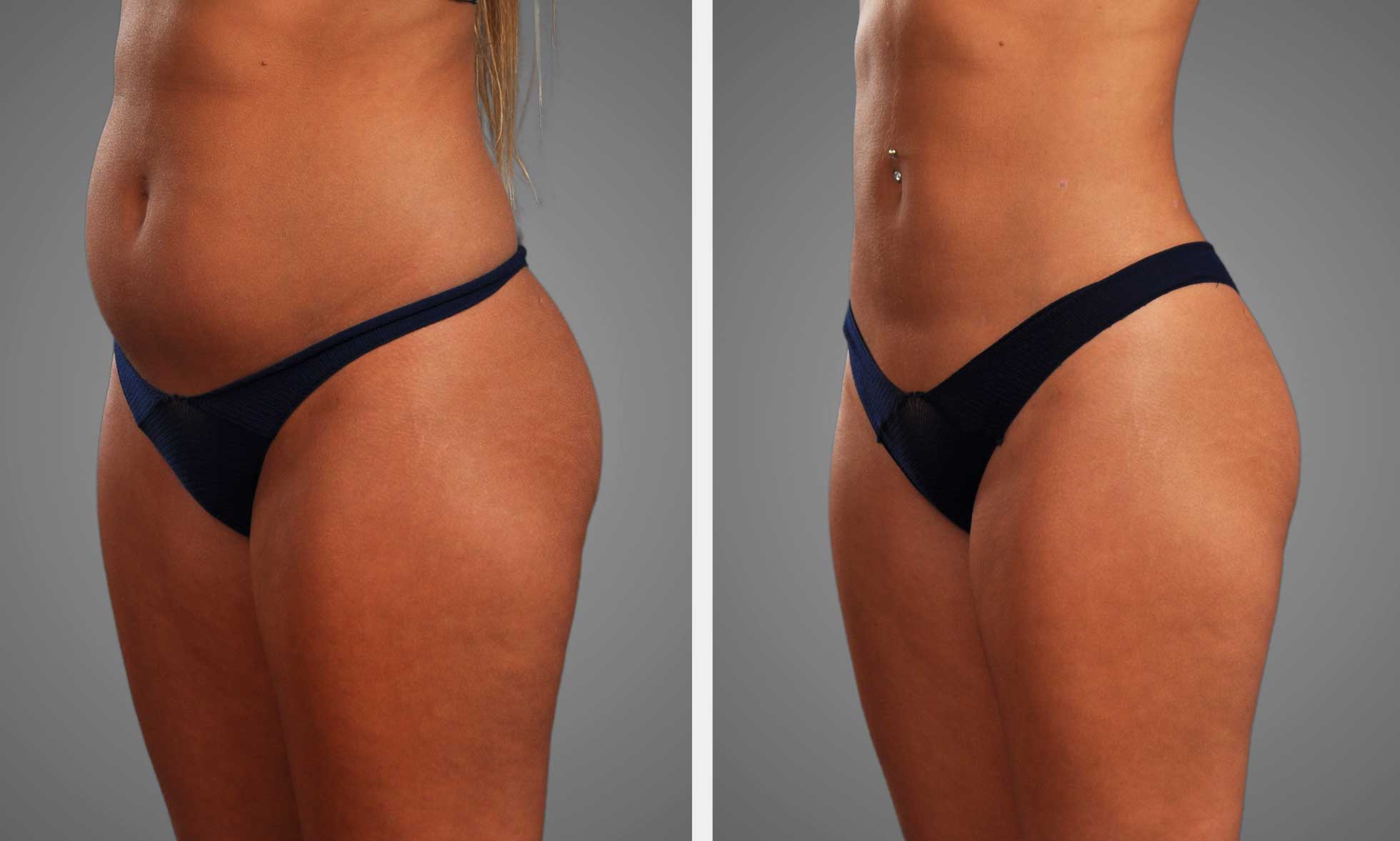
Set realistic expectations by understanding what surgery can and cannot do and why that is important to mom-guilt and liposuction satisfaction. Start with the basics: liposuction removes pockets of fat, tummy tucks tighten skin and repair muscle, and a Mommy Makeover combines procedures to address changes from pregnancy.
Every process has well-defined boundaries. Liposuction sculpts, but it is not a treatment for loose skin or stretch marks. A tummy tuck can remove excess skin and fix diastasis recti, but it will leave a scar and will not prevent future weight gain or aging.
Establish realistic expectations with your surgeon before surgery. Be at or near your goal weight; these aren’t weight-loss instruments. Anticipate gradual progress, not an immediate ‘ideal’ physique. For instance, a patient who desires a flatter stomach can expect a flatter, firmer midsection but may still have some residual stretch marks and a low scar that fades over time.
One patient may develop muscle tone more quickly with physio post-surgery, but both will need ongoing care, including exercise, balanced nutrition, and sun-safe scar care, to maintain results. Scars, slight asymmetry and slow changes as you heal are natural.
Swelling can mask the ultimate result for weeks to months. Pain and limits on activity are part of recovery. Expect restricted lifting for several weeks, follow-up visits, and a gradual return to exercise. These measures safeguard the surgery and minimize problems.
Talk about risks such as bleeding, infection, contour irregularity, and numbness, along with your plan to handle them. Knowing the risks up front keeps the worry down and helps maintain sane satisfaction.
Separate media images from probable outcomes. Online photos are either staged lighting, selective framing, or models that are at their perfect weight. Real people are different in terms of body type, skin elasticity, and lifestyle. Culturally driven and individual perceptions of beauty vary.
Concentrate on what feels healthy and works, not a generic ideal. Discuss flattering silhouettes, how clothes fit, and physical comfort with your surgeon rather than mimicking a picture.
Comparison of procedures, benefits, and realistic outcomes:
| Procedure | Main benefit | Typical limits | Recovery notes |
|---|---|---|---|
| Liposuction | Fat removal, improved contours | Not for loose skin; not weight loss | Swelling 4–12 weeks; compression garments |
| Tummy tuck | Remove excess skin; tighten muscles | Leaves a hip-to-hip scar; not scarring-free | Restricted lifting 4–6 weeks; drains possible |
| Mommy Makeover | Combined body renewal tailored to needs | Results vary; requires weight stability | Longer recovery; staged or single-surgery options |
Talk goals openly with a board-certified surgeon, look through before and after cases that fit your body type, and schedule recovery assistance.
Beyond The Mirror
Body change after motherhood and liposuction is not just about form. It transforms schedules, responsibilities, and your self-image. Mommy Makeovers can do more than move a dress size; they can transform life, attitude, and how you show up in the office and at the dinner table. While clinical data shows up to 87% of patients report improved emotional well-being after cosmetic surgery, this evidence speaks to wide-reaching impacts beyond the surface.
Emotional and psychological benefits can encompass a restored self-image, decreased appearance-related anxiety, and a renewed sense of control. Most mothers state their bodies don’t reflect how they feel on the inside and more than half of them feel uncomfortable in their own skin post-baby. Addressing those issues can bridge that divide. Just plain feeling more like yourself can reduce stress, dissipate anxiety, improve sleep and ease the cognitive burden of concealment or avoidance.
Examples include choosing to wear a swimsuit at the pool again, joining a morning exercise class, or being more present during family photos without self-consciousness. Celebrate control, empowerment, and fulfillment that follow surgery. Empowerment here means making a clear choice for personal well-being after weighing risks, costs, and recovery. Celebrate small milestones: the first week of consistent walks, the first time fitting into favorite clothing, or the first social outing without worrying about appearance.
Those moments build momentum. Personal fulfillment often comes from aligning body and identity. For a working parent, it may mean more confidence in client meetings. For a new partner, it can mean greater comfort in intimacy. Better body confidence can impact your career and your relationships in tangible ways. At work, it can boost the desire to assume visible positions, such as presentations or leadership.
In relationships, it can make you better at communicating about needs and help you avoid physical withdrawal. Real-life examples include a mother who declines fewer social invites, leading to new networking chances and a parent who reports more open emotional exchange with a partner after feeling less guarded.
Ways to measure success beyond aesthetics:
- Emotional resilience: track mood, anxiety levels, and the ability to handle daily stress over months.
- Social engagement: note changes in frequency of social activities, from casual meetups to professional events.
- Physical activity: log increased range of motion, exercise consistency and comfort during movement.
- Self-care habits: Record improvements in sleep, grooming, and time spent on personal health.
- Relationship quality: Observe shifts in intimacy, communication, and shared activities with family or partner.
- Professional presence: assess willingness to accept visible tasks, networking, or public-facing roles.
- Long-term satisfaction: Use periodic self-checks at three, six, and twelve months to gauge sustained benefits.
Cultural Context
Cultural context influences the way mothers perceive their postpartum bodies and their post-liposuction bodies. Concepts of what appears healthy, beautiful, or appropriate are borrowed from family, the media, medical counsel, and friends. These sources send different messages in different locations, so a single mom’s response to postpartum transformation isn’t the same everywhere.
What’s normal in one context is anxiety-inducing in another, and this cultural sensitivity goes a long way toward explaining why some women pursue surgery and others don’t.
Consider the cultural context. There’s social chatter about motherhood connecting body transformation with nurture, self-sacrifice and yes, even identity dissolution. In cultures that value slenderness, mothers may experience stress to shed pounds and return to a pre-pregnancy figure.
Where the culture prizes more full-bodied women, those same stretch marks or hips might be interpreted as symbols of fertility or abundance. Public and private messages, along with professional feedback from physicians or trainers, influence whether a woman perceives her post-pregnancy body as fleeting, defective or admirable.
Speak to the specific stress that Indian moms and women from other cultural backgrounds experience when it comes to postpartum bodies. Family expectations, marriage prospects and weight are social currencies in many Indian communities. Elders’ advice can be a combination of caring and critical.
Women of South Asian descent living in Western settings may face two sets of ideals at once: local thinness norms and home-country views that prize different traits. These natural but still sexualized and intriguing messages can cause many moms to feel anxious about their looks and resort to mommy makeovers in order to satisfy everyone.
Psyched to see that cosmetic surgery is becoming increasingly more accepted in our culture, from mommy makeovers to breast augmentation! Cosmetic procedures aren’t quite as taboo or uncommon anywhere in the world. Brazil is an obvious case where bodied aesthetics are obsessed over and surgery is ubiquitous.
The international expansion of a body-shape industry connects looks with social prestige and promotes bodily control. Acceptance varies: in Japan, traditions favor subtlety and simplicity, which can change how visible enhancement is received. In Denmark, marriage and cohabitation status influence new mothers’ body image reports, demonstrating social structure plays a role.
- Cultural belief: Slimness equals self-discipline. Effect: increased pressure to diet and exercise.
- Cultural belief: Fuller bodies signal wealth and fertility. Effect: less stigma after childbirth.
- Cultural belief: Cosmetic surgery marks social mobility. Effect: More women seek procedures.
- Cultural belief: Modesty and simplicity are valued. Effect: There is a lower visibility of cosmetic trends.
- Cultural belief: Family-centered critique. Effect: Mothers face layered social judgment.
Building Confidence
Post-mommy and liposuction body confidence begins with defined goals and easy wins. Pick goals for you, not for other people. Goals can be small: walk 30 minutes three times a week, sleep an extra 30 minutes when possible, or book a consult to ask questions about a Mommy Makeover.
Record small victories. Celebrate squeezing back into your favorite pair of jeans, getting one night of sleep through, and getting through your first week of recovery. These milestones demonstrate momentum and maintain motivation.
About: Building Confidence Too often mommas put the fam first and miss basics like meals, naps, or checkups. Schedule appointments, meals, and rest as part of your plan. Something practical could be meal prep for easy healthy food or setting a short daily routine that includes 10 minutes of mindful breathing or asking a friend or partner for set help hours each week.
Self-care not only provides the fuel for recovery but it aids in navigating the emotional roller coaster that often follows physical transformation.
Incorporate body confidence-boosting activities into your routine. Dance allows you to dance freely and rediscover your body’s strengths. Yoga with Viewfi helps with posture, pelvic floor recovery, and calm. Group fitness classes provide you with social support and soft accountability.
Pick what feels good, not what punishes the body. For instance, a low-impact barre class can rebuild your tone without strain, or a gentle dance class can bring back the rhythm and fun.
Take my tangled mess for example. Discussing the ride, pregnancy transformations, liposuction or a Mommy Makeover choices and recuperation normalizes it. Post on a community forum, join a local moms’ group, or compose a brief blog entry.
Stories with candid details, like nursing mom breast changes or body contouring, provide authentic bearings. Listening to stories like these helps break down shame and foster a sense of camaraderie.
Mix physical, emotional, and mental tactics for a more complete confidence lift. Physically, anything from a Mommy Makeover to combat loss of breast volume or skin laxity can help bring back a silhouette that feels like yours once again.
Emotionally, therapy or peer support assists in navigating identity changes post motherhood. Mentally, give yourself credit for what you tried—consultations, recovery work, and lifestyle changes—and set realistic expectations.
A support system in recovery—friends, family, professional caregivers—constructs pride and accomplishment. Know your own concerns and goals and discuss them with your surgeon and care team to make sure that what you get is what you value.
Conclusion
Body confidence after motherhood and liposuction grows from small, steady steps. Track healing with short daily checks. Wear supportive clothes that fit your new shape. Try one gentle move a day, like a short walk or stretch. Note how energy and mood shift over weeks. Share wins with a trusted friend or a support group. Seek a certified provider for follow-up care and clear answers about scars, numb spots, or uneven areas. Set goals that match real life, such as fitting a favorite dress or feeling strong during play with kids. Expect slow gains. Celebrate each clear sign of progress. If you want help planning next steps, reach out for a short, practical guide tailored to your situation.
Frequently Asked Questions
What is the typical recovery timeline after liposuction for a mother?
The majority of patients resume light activity in one to two weeks. Complete recovery and ultimate results typically require three to six months. Listen to your surgeon’s guidelines to minimize complications and aid recovery.
Can liposuction improve body confidence after pregnancy?
Yes. Liposuction can eliminate those stubborn pockets of fat that diet and exercise did not. Pair that with reasonable expectations and self-care, and it can be confidence enhancing.
Is liposuction the same as a tummy tuck for postpartum changes?
No. Liposuction removes fat. A tummy tuck repairs separated or loose abdominal muscles and excess skin. Your surgeon can tell you which is right.
Will liposuction affect breastfeeding or future pregnancies?
Liposuction has no direct impact on breastfeeding. Future pregnancies can alter results, and many experts advise waiting until you’re finished having children.
How do I set realistic expectations for post-liposuction results?
Anticipate that it will get better with time and there will be some asymmetry. Results vary based on skin elasticity, stable weight, and healing. Discuss probable results and dangers with a board-certified surgeon.
What non-surgical steps support body confidence after motherhood?
Concentrate on balanced eating, consistent exercise, pelvic and core conditioning, therapy, and good supportive lingerie. These enhance function and self-image without surgery.
How do cultural views influence body confidence after liposuction and motherhood?
Society informs what is ideal and what is pressing. Find communities and providers who honor all bodies. Put your own needs before everyone else’s.