Directions
 Call Us
 Email Us


Key Takeaways
- Revision liposuction is a secondary procedure. It fixes mistakes like over or under-removal of fat, rippling skin, and unevenness from the first procedure. It strives to create optimal body contours and maximize patient satisfaction.
- You may require revision liposuction if you develop noticeable irregularities. Other indications are sagging skin, lumpy irregular fat distribution, or persistent pain that exceeds beyond the standard recovery time.
- Fibrosis, or the formation of excess scar tissue, is another possible complication following liposuction. In some cases, it can result in uneven skin texture and irregular body contours that need corrective action.
- Diagnosing the need for revision involves a thorough physical examination, imaging technologies like ultrasound, and consultations to discuss aesthetic goals.
- Treatment options for revision range from non-invasive methods, such as laser therapy, to surgical approaches, including additional liposuction or fat grafting for more severe cases.
- Wearing compression garments and adhering to post-operative care are key preventive practices. By committing to a healthy lifestyle and regular follow-up visits, you can help ensure your results last and reduce the chances of requiring a revision.
Revision liposuction becomes necessary when the results of an earlier procedure fall short or cause complications to develop. These signs may manifest as uneven fat removal, irregular contours, or even noticeable asymmetry in previously treated areas.
Often, improper technique is to blame for these complications. Unexpected healing responses and healthy changes in body weight after surgery can complicate the issue. Further, excess scar tissue or residual fat deposits can necessitate correction.
The sooner you can recognize these signs, the sooner you can get in touch with an experienced, board-certified surgeon to discuss your options. Revision procedures go beyond correcting the mistakes, concentrating instead on fine-tuning those first results, with a goal of enhancing appearance and satisfaction.
Understanding when it’s appropriate helps you prepare for success. This knowledge results in better overall results for those who desire additional refinement of their body contour.
What Is Revision Liposuction
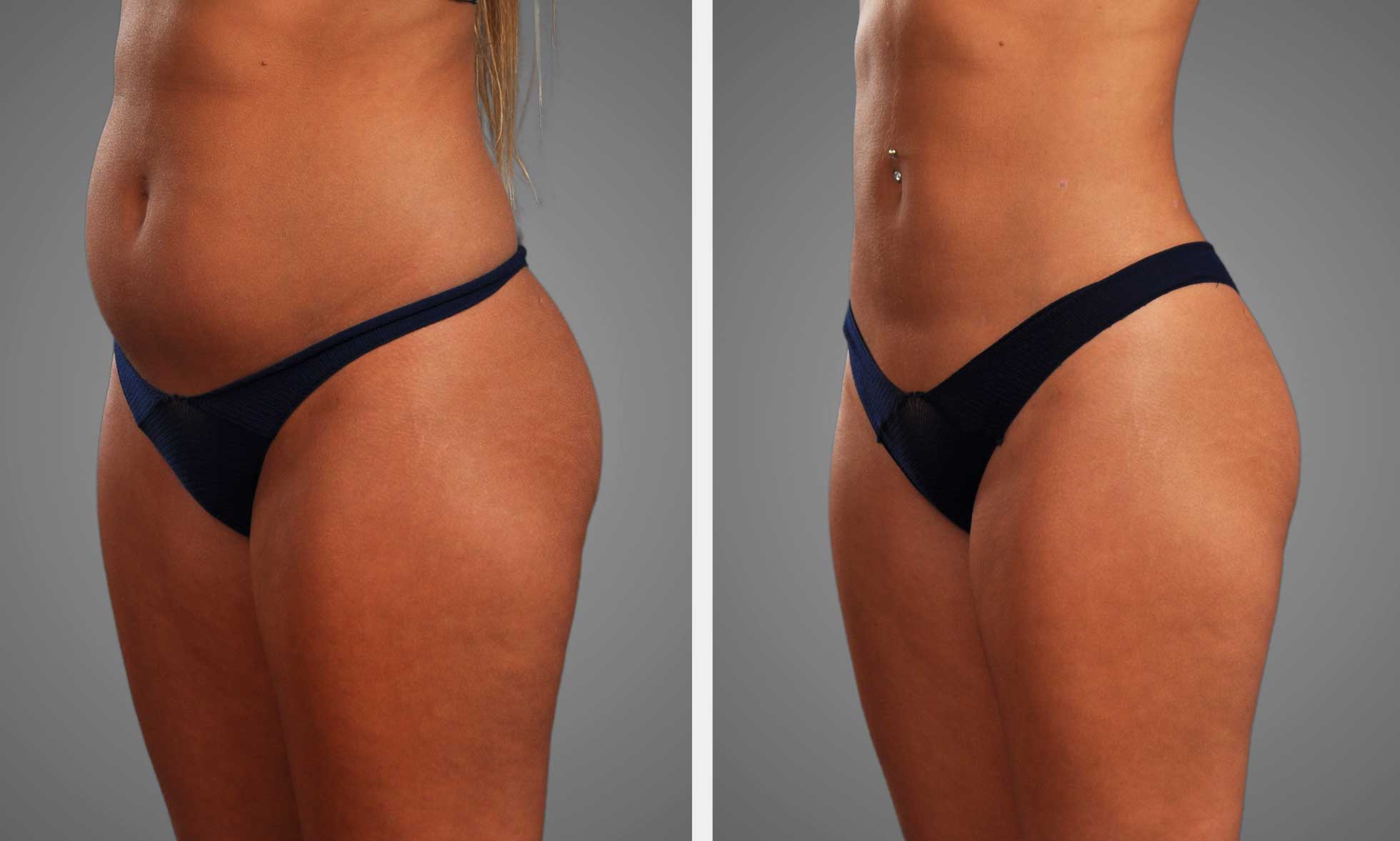
Revision liposuction is an advanced, highly specialized procedure specifically geared toward correcting unsatisfactory results from the first (or second, or third, etc.) liposuction surgery. It emphasizes improving the details of body contours, contour irregularities, and attention to overall aesthetic results.
Unlike standard liposuction, this secondary intervention requires meticulous planning. Surgeons have to customize their techniques to the individual patient’s situation, often dealing with issues such as scar tissue and changed anatomy.
Definition of Revision Liposuction
Medical professionals conduct revision liposuction to correct problems with the first procedure such as lumps, bumps, waves, or asymmetry. In most cases, this happens after a patient’s initial surgery.
These issues are possible despite the fact that complications only arise in less than 5% of liposuction cases. A patient may notice that one area of their belly now appears uneven compared to its counterpart.
They might discover specific pockets of unwanted fat remain even after surgery. The key focus is to address these issues while improving the appearance of the body as a whole.
This can be particularly true in the case of revision procedures, which improve aesthetics and increase patient confidence. They provide resolution when the original operation has failed to deliver desired results.
Common Reasons for Revision Liposuction
As mentioned earlier, uneven results are among the top reasons patients pursue revision liposuction. Removing too much fat can lead to a gaunt look, but not enough—bulges or unevenness—might remain.
Common skin irregularities such as loose skin or newly formed cellulite are sometimes enough to prompt a patient to seek a revision. These surgeries are much more complex, since scar tissue and distorted anatomy make it much harder to get smooth, symmetric results.
Recovery is further prolonged, and final results can take months to fully materialize. That’s why picking a qualified, board-certified surgeon with extensive experience in revision techniques is key to getting the best results.
Signs That Indicate Revision Liposuction
Most liposuction results are exactly what patients hope for, but in some rare instances, unfavorable liposuction outcomes may occur, making a revision inevitable. Identifying signs of potential complications early will allow you to remedy your concerns sooner rather than later. Here are some major signs that indicate that liposuction revision might be necessary.
1. Irregular Contours or Asymmetry
Shrinking body contours post-healing period may indicate a need for a touch-up. This can happen if fat removal was too much or not enough in the original procedure. For example, one side of the abdomen could be flat, producing an obvious asymmetry.
If the results differ significantly from the expected aesthetic goals, revision surgery might be the solution to refine those areas. Persistent asymmetry like one thigh being much larger than the other usually is seen more over time.
2. Persistent Lumps or Bumps
Lumps or bumps that didn’t exist prior to surgery could be a sign of contour problems left untreated. These can be caused by uneven fat removal or healing incorrectly. For instance, the presence of small, hard lumps beneath the skin might compromise the smoothness of the treated region.
The effects of uneven skin texture may not just affect your appearance but your self-esteem.
3. Excess Skin or Uneven Fat Removal
Excess skin is a likely outcome of an overly aggressive liposuction. Pockets of fat left behind can create an area that looks like it was left half-finished. For instance, excess skin on the arms or tummy may droop, ruling out the sleek appearance you’re going for.
These irregularities can lead to disappointment, particularly when they affect the ability to wear certain clothes or move freely.
4. Development of Fibrosis or Scar Tissue
Fibrosis, or the thickening of connective tissue, can develop during the bodies healing process. This can result in hardened lumps that create skin irregularities and sculpted, unnatural body contours. Scar tissue may also form, which may produce significant contour irregularity in the skin.
A treated area may look lumpy or bumpy and feel unusually hard. That’s a red flag, indicating it’s time to dig deeper.
5. Chronic Pain or Discomfort
If ongoing pain extends past the usual eight-week recovery time, this may be a sign that something is wrong. Deep vein thrombosis (DVT) and fat embolism are possible, particularly in individuals with increased body mass index (BMI).
People in this group need to be especially on their guard. Chronic pain frequently affects one’s ability to perform daily tasks and can indicate other conditions that revision surgery might correct.
6. Poor Healing or Prolonged Swelling
Swelling that lasts for months post-surgery is unusual and may indicate a healing complication or infection. For example, abnormal redness and warmth in the treated area could be an indicator of a complication.
Sometimes healing poorly will create unnatural shapes like indentations that can ruin the final result.
Understanding Fibrosis After Liposuction
Fibrosis is a very real condition that affects many people that undergo liposuction, resulting in the development of fibrotic scar tissue in treated areas. Although the goal of liposuction is to improve the body’s shape and look, fibrosis may unfortunately change that outcome. This complication can result in contour deviations and irregularities of skin texture and firmness, thus damaging the final aesthetic result.
Identifying fibrosis as soon as possible is essential to correcting this issue and figuring out if you need revision liposuction or other fibrotic treatments.
What is Fibrosis
Fibrosis is defined as the thickening and scarring of connective tissue. Symptoms post-liposuction, it commonly presents like this with hard lumps, uneven skin texture, or firm areas under the skin. These changes are a result of the development of dense scar tissue due to a complication in the healing process.
If they are still present three months after surgery, lumps or bumps could be a sign of fibrosis. If untreated, it can last for months — even years. The majority of patients find substantial relief with treatments such as manual lymphatic drainage (MLD).
How Fibrosis Develops Post-Liposuction
Since the body naturally heals after surgery, significant trauma during the course of liposuction can cause the build-up of fibrosis. Inflammation is a major component, as the body tries to heal the area that was treated with liposuction.
Post-surgical technique, healing response, blood flow, and swelling in the first few weeks can all affect the risk of fibrosis.
Risk Factors for Fibrosis After Liposuction
Undergoing aggressive liposuction procedures can increase the likelihood of unfavorable liposuction outcomes, such as fibrosis, along with personal factors like your genetics or skin type. Appropriate surgical techniques and post-operative care are paramount to reducing the risk of these potential complications.
Diagnosing the Need for Revision Liposuction
The process begins with a thorough and honest evaluation of both physical and aesthetic elements, which is essential to avoid unfavorable liposuction outcomes. Common and effective methods—such as physical examinations and imaging tests—are critical in diagnosing the need for a secondary procedure, helping to identify issues like uneven body contours or dissatisfaction with the initial liposuction results.
Physical Examination by a Specialist
A careful physical exam by an experienced liposuction expert is the starting point. During this time, the specialist will examine the body contours, noting any signs of asymmetry, irregularities, or lumps. Patients often turn to revision liposuction when they are unsatisfied with their first surgery.
Natural changes that occur over the years can motivate them to seek out this procedure. At this stage – during the consultation – patients need to be upfront about their issues. They should provide insight into their aesthetic goals—such as discontent with results from over- or undertreated areas.
Taking the time to document these details will help ensure that a customized and effective revision plan can be created.
Imaging Techniques for Accurate Diagnosis
Imaging tools like ultrasound or MRI provide detailed insights into any underlying issues from the previous surgery. These scans reveal fat distribution and irregularities, helping assess whether the initial procedure was effective.
Imaging results guide the surgeon’s approach, ensuring precision in revision liposuction. Persistent discomfort or complications may be evaluated through these tests.
Consultation to Assess Aesthetic Goals
Honest communication with the surgeon is essential to getting on the same page regarding expectations. Patients should be clear about what they did not like about the original results and describe how they want to see their body contours transformed.
The surgeon carefully considers how past surgeries fit with new goals and helps the patient understand what is realistic. This collaborative process fosters trust and clarity moving forward.
Treatment Options for Revision Liposuction
Revision liposuction can correct problems such as the appearance of irregular contours, not enough fat was removed, or too much fat was removed during an earlier surgery. Considering that about 6-10% of patients ultimately need secondary correction, it’s important to know and understand the options.
Treatment options vary from office-based, non-invasive approaches for less serious issues to operative interventions for more significant cases. Choosing the most appropriate treatment option will depend on the type of problem area and the person’s unique requirements.
Non-invasive treatments for mild cases
For small contour irregularities, non-invasive alternatives offer safe and effective revision options. Laser therapy and ultrasound treatments, such as Ultherapy®, can improve skin texture by increasing collagen production and tightening sagging skin.
Fat freezing, or cryolipolysis, is another noninvasive option that specifically targets small areas of stubborn fat. These techniques are most effective for minor refinements and are a great option for the patient who wants low or no downtime.
These treatments are much less invasive and more cost effective than their surgical counterparts. They are an excellent choice for those with minor concerns, but results will differ from person to person.
Minimally invasive procedures for fibrosis
Once fibrosis, or the formation of scar tissue, has set in post liposuction, minimally invasive techniques come to the rescue. For example, liposculpture is the preferable method for precise targeting fat removal and contouring to areas damaged with fibrosis.
These procedures often require less recovery time and carry less risk than complete surgery. Choosing this approach should involve careful consideration of the patient’s needs and desires, focusing on individualized treatment.
Surgical approaches for severe cases
Worse irregularities usually require a surgical procedure. When uneven areas are created, additional liposuction or fat grafting can correct the imperfections and restore balance.
With scar tissue and altered anatomy, these procedures are more challenging and often need a more experienced surgeon who will be able to mitigate the potential risks.
Secondary patients should wait 6-12 months post-surgery to let themselves heal entirely. Recovery includes the use of compression garments and can take weeks, if not months, with final results not seen for several months.
Cost can vary from $5,000 – $25,000, due to the complexity involved with revision procedures.
Preventive Measures After Liposuction
While liposuction is a great way to obtain dramatic body contouring results, preventing unwanted changes from occurring post-surgery takes some effort and dedication. Be sure to adhere to your surgeon’s instructions exactly. Wear the right tools, including compression garments, and continue with a healthy lifestyle to have a more comfortable recovery and experience lasting satisfaction.
Here’s a look at some of the most important measures to look for.

Follow post-operative care instructions
Following your surgeon’s post-op protocol to the letter will ensure the best possible recovery. This includes steering clear of blood-thinning medications such as aspirin and some herbal supplements, which can act as a barrier to wound healing. Smoking and regular alcohol consumption should be stopped at least two weeks prior to surgery to promote better healing results.
Go to every follow-up appointment so your doctor can keep track of your healing and address any issues. If you’re still experiencing pain after eight weeks, you should see your surgeon right away, as this could mean complications are developing.
Use compression garments effectively
Compression garments lessen post-op swelling and assist with skin retraction. Surgeons usually instruct patients to wear them 24/7 for a few weeks. A good fit is key, because a poorly fitting garment may make it difficult to comply.
In fact, these garments improve the recovery process tremendously by reshaping the treated areas.
Maintain a healthy lifestyle and weight
Maintaining your results is crucial. Balanced eating and regular exercise are necessary to maintain your beautiful new look after surgery. Weight changes, like those associated with pregnancy or sudden weight loss or gain, can affect body shape.
Creating achievable health objectives is essential to maintaining the health advantages of liposuction.
Schedule follow-up appointments regularly
Staying in close contact with your liposuction specialist ensures that recovery from the liposuction procedure is monitored, and any developments, including potential complications, are treated for the greatest possible aesthetic outcome.
When to Consult a Specialist
Today, liposuction is a life-changing procedure, but sometimes, unfavorable liposuction outcomes necessitate follow-up care. Understanding when to consult a liposuction specialist provides peace of mind and reassurance that your concerns are being addressed efficiently and successfully.
Recognizing unresolved issues early
Once you have undergone liposuction, the key to a successful procedure lies in taking care to track your recovery. Look out for warning symptoms such as asymmetric body shapes, swelling that does not go away, or pain that does not resolve.
These symptoms might be a sign of deeper issues. For example, if one section looks lumpy or uneven months after surgery, this may need to be revised. Keep a comprehensive journal of any side effects you may have.
Bring photos and keep notes describing your symptoms to help direct conversations with your surgeon. Getting specialist advice early on can stop complications from becoming more serious and help ensure that you’re happier with the end result.
Importance of seeking professional advice
Finding the right specialist can make all the difference. Dr. Cat emphasizes the importance of having a surgeon who is well-versed in performing liposuction corrections.
Look for board-certified professionals affiliated with organizations such as the American Society of Plastic Surgeons (ASPS) or the International Society of Aesthetic Plastic Surgery (ISAPS). Waiting at least six months after surgery before even thinking about placing or revising an implant is common practice, allowing your body to heal itself.
When in doubt, getting a second opinion helps you feel confident that you’re making informed decisions about your care.
Conclusion
Revision liposuction provides an opportunity to correct concerns or complications that can occur following the original procedure. Early diagnosis is always key. Identify those bumpy contours or residual fibrosis to ensure you move in the right direction toward correction and improvement. Whether it’s with specialized ultrasound treatments or strategically planned follow-up surgeries, we have the solutions for every need. Be active in your after-care to achieve the best final results. Frequent visits with a qualified expert can make all the difference to the final appearance you’ll see.
If you are experiencing issues that affect your self-image or lifestyle, consult an experienced and trusted expert to evaluate concerns. They can provide the perspective and support you require. Your goals and well-being are important, and getting the right support will help you stay focused. Request a consultation today and take the first step toward understanding your options and enjoying new confidence in your skin.
Frequently Asked Questions
What is revision liposuction?
Revision liposuction is a secondary procedure aimed at correcting unfavorable liposuction outcomes from an initial liposuction surgery. It addresses issues like uneven fat removal and irregular contours, thereby enhancing the aesthetic outcome and creating a more symmetrical and proportionate look through effective surgical techniques.
What are the signs that revision liposuction may be needed?
Signs that liposuction revision may be needed include visible irregularities or asymmetry, persistent lumps, or general continued dissatisfaction with the initial liposuction results. If your skin appears bumpy or you notice pockets of fat, it’s time to consider corrective surgery to achieve the shapely, toned appearance you desire!
Can fibrosis after liposuction be corrected?
Is liposuction fibrosis, or scar tissue under the skin, able to be fixed through revision liposuction? Our experienced surgeons use minimally invasive techniques to smooth out the affected area and improve skin texture. The sooner you can identify the signs of unfavorable liposuction outcomes, the greater the chance that you can successfully treat the condition.
How is the need for revision liposuction diagnosed?
During a consultation, a facial plastic surgery specialist will listen to your concerns and desired outcomes while assessing for any irregularities in treated areas, skin laxity, and overall results. Thorough physical examinations or imaging by your physician will help determine if liposuction revision surgery is necessary.
What options are available for revision liposuction treatment?
Depending on their condition and needs, treatment may be performed using regular liposuction techniques, ultrasound-assisted liposuction, or laser-assisted methods. The answer to this depends on what you’re trying to correct, especially if you’re dealing with unfavorable liposuction outcomes from a previous liposuction procedure, and what your individual anatomy is like. A talented and experienced plastic surgeon will advise the right surgical techniques to deliver the best results and avoid potential complications.
How can I prevent the need for revision liposuction?
Be sure to select a board-certified liposuction specialist with significant experience. Following all post-procedure directions and maintaining a healthy lifestyle can help minimize the risk of unfavorable liposuction outcomes and possible complications.
When should I consult a specialist about revision liposuction?
If you are dissatisfied with your results from the initial liposuction procedure, or experience issues such as lumps, uneven body contours, or scarring, seek guidance from a liposuction specialist. Early evaluation allows for timely intervention and successful liposuction correction.