Directions
 Call Us
 Email Us


Key Takeaways
-
Skin tags are benign growths, and understanding their nature helps in choosing the right removal method.
-
Differentiating between skin tags, warts, and moles is crucial for safe and effective treatment; consult a dermatologist for accurate diagnosis.
-
Professional removal options, such as cryotherapy or surgical excision, are generally safe and offer the least risk of scarring.
-
DIY removal methods can pose significant risks, including infection and unnecessary scarring; it’s always safer to seek professional advice.
-
Preventing skin tags through maintaining a healthy weight and minimizing skin friction can reduce the need for future removals.
-
If you opt for skin tag removal, following aftercare instructions meticulously can significantly reduce the chances of scarring.
Understanding Skin Growths
Skin Growth Types
Skin growths come in various forms, including skin tags, warts, and moles. These small skin protrusions often result from the accumulation of skin cells. While they are usually benign, their presence can sometimes lead to discomfort or concern.
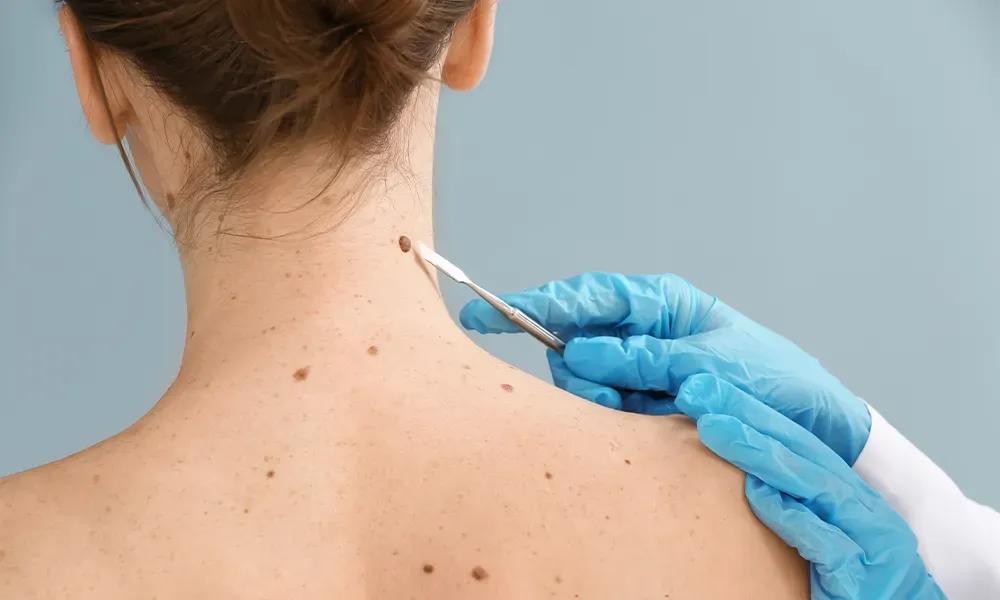
Skin tags, for instance, commonly appear in areas like the neck or groin area. They are soft, small skin flaps that hang off the skin. Warts are another type of growth, caused by viruses in the human papillomavirus (HPV) family, leading to rough skin bumps. Moles, on the other hand, are small, dark brown spots made of melanocytes and are mostly harmless.
Health Implications
Most skin growths are benign and not a cause for alarm. However, they can occasionally signal more serious health conditions. It’s crucial to monitor any changes in size, color, or shape of these growths as they could indicate skin cancer development.
Obesity and high blood glucose levels can increase the risk of developing certain types of skin growths like tags, making lifestyle and health monitoring vital. Infections around these growths can also occur if they are irritated or improperly removed.
Importance of Monitoring
Regular examination of your skin is essential. Changes in your skin growths could be early indicators of health issues needing attention. Monitoring helps in early detection and prevention of complications such as scarring or hyperpigmentation after removal procedures.
Differentiating Skin Tags, Warts, Moles
Skin Tags
Skin tags are soft, small flaps of skin that often appear in skin folds. They are common on the neck, armpits, and eyelids. Unlike moles or warts, skin tags typically do not change over time.
They result from skin rubbing against skin. Thus, they’re frequently found where skin creases. Despite being harmless, many seek removal for cosmetic reasons.
Warts
Warts are rough, raised bumps on the skin caused by the human papillomavirus (HPV). They can appear anywhere but are most common on hands and feet.
Their texture distinguishes them from moles and skin tags. Warts may spread through scratching or contact with HPV. Treatments vary, but many opt for surgical excision to avoid spreading.
Moles
Moles are dark spots or irregularities found in the skin. They can be flat or raised, appearing anywhere on the body.
Moles differ from skin tags and warts because they’re often darker and can develop into seborrheic keratoses, a type of benign keratosis. Any sudden changes in a mole warrant a visit to a dermatologist or plastic surgeon.
Safe Removal Options
Professional Methods
Professional removal methods ensure safety and effectiveness. Cryotherapy uses extreme cold to freeze skin tags, causing them to fall off. Surgical excision involves cutting the tag away under local anesthesia. Laser treatment targets the tag with intense light, destroying it. These options minimize risks when performed by qualified professionals.
Cryotherapy and laser treatments are quick, often requiring no downtime. Excision provides immediate results but may require stitches for larger tags.

Scarring Risks
The risk of scarring or hyperpigmentation is a significant consideration, especially for darker skin tones. While professional methods aim to minimize these risks, they cannot eliminate them entirely. Discussing potential outcomes with a dermatologist is crucial before deciding on a removal method.
Hyperpigmentation can be more common with certain treatments like cryotherapy. Choosing a method that balances efficacy with minimal scarring is essential.
Dermatologist Consultation
Consulting with a dermatologist is vital to minimize health risks and determine the best treatment plan. They can assess whether a skin growth is a tag or another condition needing different treatment.
A dermatologist will consider your skin type, tag location, and personal health history. This ensures the chosen method aligns with your needs and minimizes complications.
Risks of DIY Methods
Infection Risk
Attempting to remove skin tags at home can lead to serious infections. Unsterilized tools or improper techniques may introduce bacteria to the wound. This risk is particularly high for individuals with diabetes mellitus, as their healing process is slower, making them more susceptible to infections.
Cutting or tying off a skin tag without proper cleanliness can cause a wound that might not heal properly. It’s crucial to ensure any method used at home follows strict hygiene practices.
Scarring Potential
DIY methods often result in unwanted scarring. Unlike professional removal techniques that aim to minimize tissue damage, home remedies can leave behind scars worse than the original skin tag.
Chemical treatments found over the counter can also burn the surrounding skin if applied incorrectly, leading to significant scarring. This outcome defeats the purpose of cosmetic improvement, which is often why people want their skin tags removed in the first place.
Misdiagnosis Danger
One of the gravest dangers lies in mistaking a malignant growth for a harmless skin tag. Without a professional diagnosis, individuals risk removing what could be an early sign of cancer themselves.
This mistake could delay essential treatment and allow the condition to worsen. Always consult a healthcare provider before attempting any form of self-treatment on skin growths.
Preventing Skin Tags
Healthy Lifestyle
Maintaining a healthy weight plays a crucial role in preventing skin tags. Excess body fat can increase skin folds, leading to more friction. Eating a balanced diet and engaging in regular exercise are key.
Skin tags may also be linked to high sugar levels. Managing diabetes effectively reduces the risk.
Skin Care
Regular skin checks help monitor new growths or changes. This practice allows for early detection and removal of skin tags before they become problematic.
Using sunscreen protects the skin from damage caused by sun exposure. It keeps the skin healthy and less prone to various growths, including skin tags.
Applying natural moisturizers like coconut oil or aloe vera can maintain skin hydration and health. These substances soothe the skin, reducing irritation that might lead to tag formation.
Clothing Choices
Wearing loose clothing and avoiding tight jewelry minimizes skin friction. This simple change significantly lowers the chance of developing skin tags, especially around the neck where they commonly appear.
Choosing fabrics that breathe well also helps keep the skin dry and reduces irritation.
Summary
Skin tag removal doesn’t have to be a journey marked by scars and discomfort. Understanding your skin growths and the differences between skin tags, warts, and moles is the first step towards choosing a safe removal option. While DIY methods might tempt you with quick fixes, they come with risks that could leave lasting damage. Opting for professional advice ensures that you prevent skin tags effectively without compromising your skin’s health. Your skin deserves care that’s informed, safe, and effective.
Taking action to remove skin tags safely can boost your confidence and comfort. Consult a dermatologist to explore your options; their expertise is invaluable in navigating this path without leaving scars behind. Remember, every choice you make for your skin’s health is an investment in your well-being. Don’t let temporary solutions lead to permanent problems. Reach out today for a clearer tomorrow.
Frequently Asked Questions
What are the main differences between skin tags, warts, and moles?
Skin tags are soft, small flaps of skin that protrude. Warts are rough to the touch and caused by viruses. Moles are usually darker and can be flat or raised. Knowing the difference is crucial for proper removal.
Can removing a skin tag leave a scar?
Yes, but it’s rare. Professional removal methods minimize scarring risk. Following aftercare instructions is key to healing.
What are safe options for removing skin tags?
Safe options include professional cryotherapy, surgical removal, or laser treatment. These methods should be performed by healthcare professionals to avoid complications.
Are there risks associated with DIY skin tag removal methods?
Yes, significant risks include infection, bleeding, and potential scarring. It’s always safer to consult a healthcare provider before attempting any home removal techniques.
How can I prevent skin tags from forming?
While not all factors like genetics can be controlled, maintaining a healthy weight and minimizing skin friction through proper clothing fit may help reduce the occurrence of skin tags.
Is it necessary to remove skin tags?
No, unless they’re bothersome, painful, or pose cosmetic concerns. However, consulting with a healthcare provider can help determine if removal is advisable for your situation.