Directions
 Call Us
 Email Us



Key Takeaways
- Concentrate on a combination of targeted core exercises, side-to-side and rotation moves, and lower-body lifts to sculpt a defined waistline and proportionate curves. Include twist Pilates, resistance bands, and bodyweight workouts for random stimulus.
- Pair strength days with strategic cardio like HIIT and steady-state sessions, and follow up with a calorie-controlled, nutrient-dense diet that is high in lean protein, fiber, healthy fats, and lots of water.
- Manage stress, get quality sleep, and add hormone-supporting foods to melt cortisol belly fat and make training and nutrition more impactful.
- Keep track of your progress and stay motivated with consistent measurements, photos, and performance-based metrics such as plank time and cardio endurance to help guide adjustments.
- Opt for shapewear and waist trainers as complementary posture and short-term sculpting accessories. Pick styles, compression levels, and sizes that suit your build and comfort.
- Embrace your body’s inherent architect, customize ambitions to your unique genetics and frame, and leverage rest, alignment, and holistic habits to sustain safe and sustainable outcomes.
Waist sculpting for women is a collection of techniques to reshape the midsection through physical activity, diet, and non-invasive procedures. It calls for specialized workouts, caloric and protein tweaks, and the ability to select radiofrequency or cryolipolysis to eliminate fat and tighten skin.
The results you can expect vary by body type, age, and habit consistency. The main text details sane strategies, example schedules, and how to choose science-backed therapies for consistent, quantifiable advancement.
Sculpting Methods
Modern waist sculpting mixes exercise, nutrition, hormones, cardio, recovery, non-surgical procedures and surgeries. The objective is toned core strength, lean fat and better posture. Here are methods and details so readers can pick secure, realistic routes.
1. Targeted Exercise
- Plank variations, hanging leg raises, and weighted crunches build abdominal muscle and tighten the midline. I do sets of 8 to 20 reps depending on load.
- Side planks, Russian twists, and cable woodchops introduce lateral flexion and rotation to target the obliques for a slimmer waistline.
- Compound lower-body moves—squats, lunges, deadlifts—recruit glutes and hips, molding the waistline silhouette. Add them twice a week.
- Stir in mat-based core circuits with standing functional work. Map out 3-5 sessions per week of forward momentum.
2. Foundational Nutrition
Dense meals with lean protein (chicken, tofu, fish), fibrous vegetables, whole grains, and healthy fats maintain muscular development and shred fat. Slash processed snacks and added sugars to defeat visceral fat and bloat. Keep drinking water to facilitate metabolism and reduce water retention around the middle.
Monitor chunks and meal timing to maintain a slight calorie deficit. Utilize uncomplicated tools such as plate portions or a rudimentary app.
3. Hormonal Balance
Stress elevates cortisol, which can redistribute fat to the midsection. Employ breath work and short breaks to reduce daily stress. Try to get 7 to 9 hours of sleep to assist hormone signals that regulate both appetite and fat storage.
Include leafy greens, nuts, and omega-3 fish in your meals to support hormone function and keep inflammation in check. Note menstrual cycle shifts. Adjust workout intensity and food intake around phases to keep progress steady.
4. Strategic Cardio
HIIT amps up calorie burn, giving you a more defined waist. Pick core-stabilizing cardio—running, cycling, dance—to get fit and strengthen your trunk. Rotate plateau-busting intervals with steady-state sessions.
Track how often and how long you record to maintain consistent cardio gains.
5. Consistent Recovery
Schedule rest days for muscle healing and to prevent overuse injuries. Employ stretching and foam rolling to alleviate tight hips and lower back that impact your posture and waistline. Active recovery, such as yoga and walking, maintains blood flow without taxing the core.
Sleep comes first to recover and to regulate your hormones.
Non-surgical options including Cryolipolysis, laser, and red light therapy have minimal downtime and can be performed by trained aestheticians, nurses, or surgeons. Results are mixed, but laser frequently shows a difference at six weeks and is optimal at twelve.
Surgical power-assisted liposuction and AquaShape offer more exact sculpting, with the latter employing water pressure for gentler fat removal. All methods have infrequent complications, such as paradoxical adipose hyperplasia. Certain mono therapies are still long-term affecting according to clinical trials.
Your Body’s Blueprint
Your body’s blueprint dictates what waist-sculpting techniques will be most effective. Begin by marking your natural waist line, hip breadth and torso length. These details influence how clothes hang, what workouts target the core, and what slow transformation is achievable.
Embrace that genetics build a foundation for fat retention and muscle form. Your approach should be personalized and your expectations tempered.
Body Type
| Body Type | Typical Traits | Recommended Shapewear Styles |
|---|---|---|
| Hourglass | Defined waist, balanced bust and hips | High-waist brief, waist cincher |
| Pear (Triangle) | Hips wider than shoulders | Mid-thigh shaper, high-waist brief |
| Apple (Round) | Carries weight around midsection | Full torso shaper, smoothing camisole |
| Rectangle | Straight waist, similar hip and bust | Waist-cinching belt, low-compression briefs |
| Inverted Triangle | Broad shoulders, narrower hips | High-rise brief, light compression shorts |
Know what your type rocks at. Hourglasses can emphasize their naturally curvy figures with cinched waists. Pear shapes appear more balanced when tops pull the eye upward.
Rectangles work well with belts or layers to create waist definition. Choose clothing that plays to these strengths: structured tops, high-rise bottoms, or A-line skirts, for example.
Utilize strategic workouts to transform the appearance without pursuing an elusive ideal. If you’re pear-shaped, add oblique and transverse-abdominal work to cinch the waist, but keep the hip-strengthening moves moderate.
Apple shapes benefit from full-body strength and cardio to trim central fat and top it off with posture work to elongate the torso visually. For rectangles, bulk side and lower-abs muscle to create a gentle inward curve.
Combine resistance training twice weekly with two to three cardio sessions for consistent results.
Genetic Factors
Genetics dictate where fat initially deposits and where muscle can develop most effortlessly. Some women accumulate more fat in the waist, while others accumulate it in the hips or thighs. That pattern is derived from genetics and hormones and is not easily altered.
Set targets that fit your genetic structure. If your family stores fat in a thicker midsection, strive for better tone and smaller measurements, not a completely different shape.
Measure progress with measurements and photos, not just scale weight. Optimize your potential with regular strength work, protein-centric nutrition, and slow calorie shifts.
Tiny changes each week in your diet, combined with a consistent lifting routine, shape your waist better long term than aggressive, short-term diets. Never compare yourself to others; two people doing the same plan can see very different results due to genes, sleep, stress, and life demands.
Debunking Myths
Waist sculpting attracts both strong assertions and strong skepticism. This part dispels popular misconceptions, breaks down the restrictions of tools and apparel, and directs toward more secure, research-backed methods for sustainable transformation.
Waist trainers won’t magically change your waist to a new shape without exercise or dieting. They squeeze soft tissue and alter your posture when worn, which makes you look temporarily skinnier. Repeated compression can train you to feel thinner over time, but that’s not fat loss.
Reliance on braces or garments can deplete core muscles as the body relies on the garment instead of naturally contracting muscles. Rather than relying on a trainer for long-term change, couple the short, supervised use with core strengthening moves such as bridges, planks, and dead bugs to develop the muscle that stabilizes your posture and waistline.
Spot reduction doesn’t exist. Spot reduction, or losing fat in only one area by targeting it with special pants, creams, or workouts, is impossible. Fat loss follows whole-body energy balance: you must burn more calories than you take in for body fat to drop.
Fat-removal treatments like cryolipolysis (CoolSculpting) do reduce fat cells in treated areas. However, visible slimming is still dependent upon your total body fat and your genetics. Results from treatments such as CoolSculpting often aren’t visible for one to three months, as the fat cells need time to leave the body.
If you sweat heavier in one area – under a waist trainer, for example – you’re not torching fat there. You’re losing fluids that come back as soon as you rehydrate.
We’ve all heard stories about the dangerous impacts that wearing tight shapewear or corsets can have on your health. Extended, all-day wear might compress the abdominal organs, change your breathing, and cause digestive discomfort.
Several users have noted numbness or tingling or a cold sensation during body-sculpting sessions, but these typically subside once the area is warmed or numbed during treatment. Select well-fitted clothes, wear them for short periods of time, and stop at pain, shortness of breath, or lingering numbness.
Safe, sustainable results come from commingling methods. Take advantage of noninvasive treatments under a licensed provider when appropriate, maintain a moderate diet that suits you, and keep a consistent workout regimen that combines strength work with cardio.
Keep in mind that body sculpting is not just for those with high body fat; many desire subtle shaping or contouring. Anticipate slow progress, document with photos and measurements, and use the help of professionals for expert tailored plans.
Track Your Progress
Progress tracking provides actual feedback on how a waist-sculpting plan is going and where to tweak. Combine visual records like photos with body measurements and performance metrics so you get a complete picture. Gauge at regular intervals, record notes on habits and moods, and establish mini-goals to maintain momentum.
Visual Cues
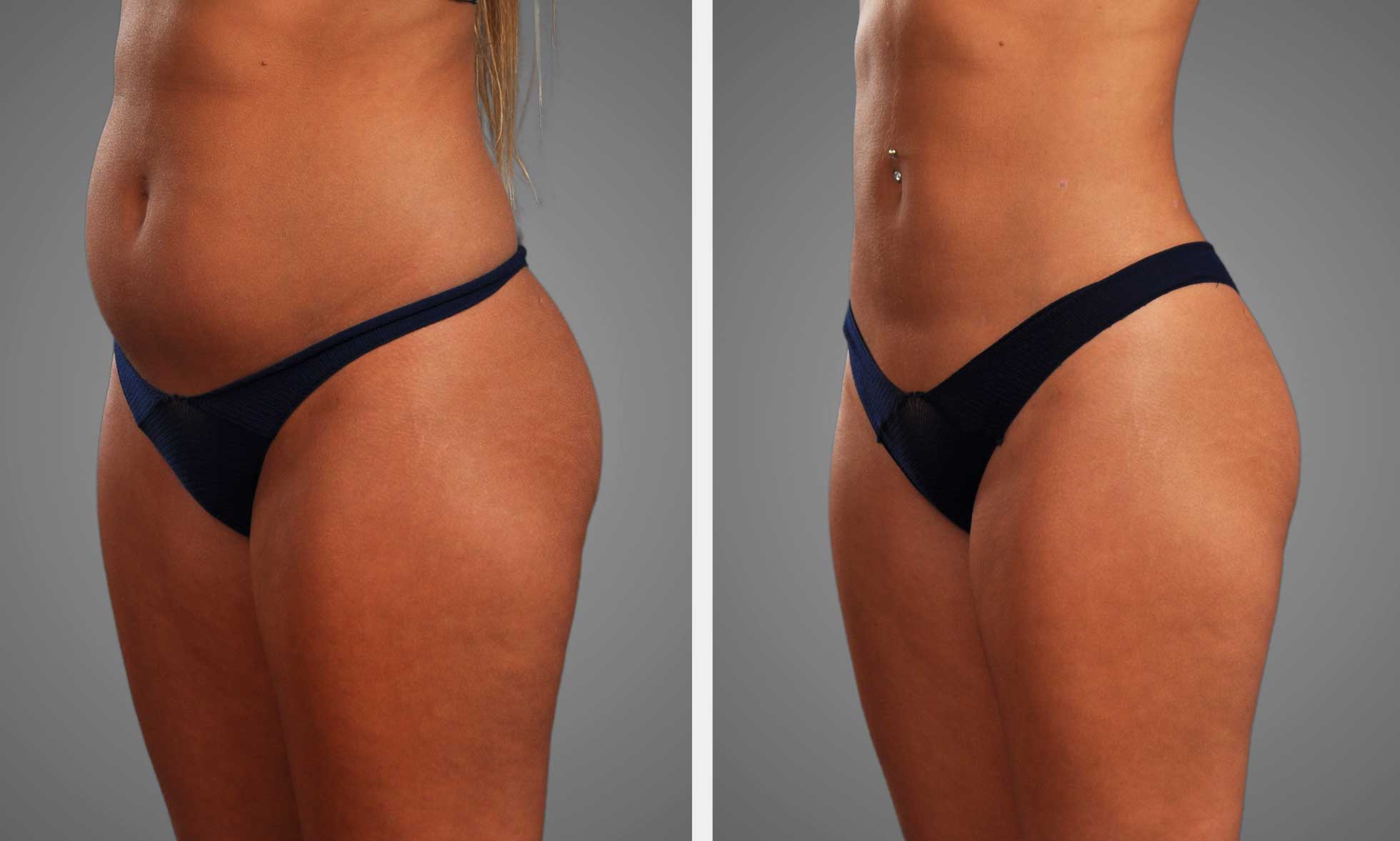
- Track Your Progress: Take weekly photos under consistent lighting. For example, Sunday mornings before breakfast, wear the same outfit and stand the same way.
- Note how clothes fit: looser waistbands, reduced bulge, or smoother lines with and without shapewear.
- Seek posture shifts and core confidence in workout footage or mirrors. A more powerful center tends to manifest as a more stable posture.
- Look for a more tapered waist, jeans that fit better, and less muffin top on your hips.
Contrast photos side by side to identify little changes. Use a straightforward folder or cloud album named by date. Jot a line below each photo regarding how you felt, your appetite or your sleep that day.
Body Measurements
Take waist measurements at the narrowest point, typically above the belly button, for consistency. Take hip and thigh measurements as well to track total body transformation. Grab a soft tape measure and take them at the same time of day to avoid fluid shifts.
Make a chart with date, waist, hips, thighs, and body weight. A weekly summary table can highlight trends, such as a steady loss around the waist or a plateau in hips. Test every week for a few months or so. Little drops of a few millimeters accumulate. If you are not certain, take two measurements and average them.
Record habits, feelings, and milestones next to the chart. Tracking things such as high carb days, bad sleep, or stress can shed light on short term setbacks and aid in planning modifications. One week spent logging every calorie in can educate portion sizes and expose hidden snacks without requiring constant long-term calorie counting.
Performance Metrics
Track your core strength by timing plank holds and counting crunches or leg raises. Track flexibility gains by noting how far you can bend or twist with less strain. Log cardio milestones such as longer runs or faster cycling bursts.
Set weekly milestones: add five seconds to a plank, two extra reps, or a 10% longer run distance. Track personal bests for push-ups, pull-ups, or loaded rotational moves to demonstrate strength improvements that maintain a slimmer waist via enhanced muscle tone.
Check in regularly — weekly, bi-weekly, or monthly — to help spot problems early and provide reasons to celebrate progress.
Holistic Habits
Holistic habits connect daily behavior to long-run waist luck and well-being. Movement, food, posture, stress, and variety build a strong, resilient core, not shortcuts.
Add in some daily movement, balanced meals, and mindfulness for waist and overall well-being. Aim for consistent daily movement: walking 30 to 60 minutes, short mobility breaks, and three focused strength sessions per week. Weighted carries, such as farmer walks with dumbbells or kettlebells for 20 to 60 meters, build deep core strength through anti-lateral flexion and translate directly into a more stable waist.
Include core-focused moves like Russian twists, bridges, Pallof presses, and anti-rotation drills for functional fitness. A wholesome diet of whole foods, lean protein, fiber-heavy vegetables, and portion control complements this work. Combined with exercise, dietary shifts can keep body-sculpting results sustained for up to a year or longer.
Whether you are sweating or burning 500 calories in one session does not equal spot fat loss. Stand tall during the day to encourage spinal stability and core activation. Little posture reminders, such as feet flat, rib cage stacked over hips, and shoulders relaxed, that you test during mini posture checks keep those deep core muscles engaged.
Collaborate with a physical therapist or qualified coach to learn diaphragm breathing and postural cues. These experts will teach you safer, smarter methods of sculpting your core than waist trainers, which many users find less effective than advertised. Real posture work relieves tension, enhances breath, and makes everyday movement lighter, which helps clothes and silhouette drape differently over time.
Try stress management techniques, such as meditation or deep breathing, which can help reduce cortisol. Daily micro-practices, like five minutes of box breathing, a 10-minute guided meditation, or a brief post-work walk, reduce stress and can help decrease chronic cortisol spikes that might influence fat accumulation.
Less stress tends to lead to better sleep, smarter eating decisions, and more reliable motivation, all of which foster a trimmer waistline and boosted self-esteem. Cycle through self-care habits to avoid burnout and encourage regularity. Cycle your training styles, replace walks with cycling, heavy carries with mobility days and patterns of eating within healthy boundaries.
Rotation keeps gains consistent, prevents overuse injuries and makes habits sustainable. Building these holistic habits minimizes stress, improves body confidence and establishes a hard-to-break rhythm that sustains waist choosing over the long term.
Shapewear Selection
Shapewear selection makes a difference in comfort, in appearance, and how your garments lay. Here are brand and style comparisons, with some guidance below around goals, body proportions, and comfort factors to help you select pieces that work day-to-day.
| Brand | Popular Styles | Compression Levels | Notable Features |
|---|---|---|---|
| Spanx | High-waist shorts, bodysuits, waist cinchers | Light to firm | Wide size range, seamless options, neutral tones |
| Skims | Bodysuits, shorts, shaping bras | Light to moderate | Inclusive shades, soft microfiber blends |
| Leonisa | High-waist, thigh shapers | Moderate to firm | Targeted panels, strong compression fabrics |
| Commando | Mid-waist shorts, thongs | Light to moderate | Smooth finish, breathable blends |
| Sculptshe | Full-body shapers, waist trainers | Moderate to firm | Firm control, stronger cinching options |
Your Goal
- Define desired outcome: smoothing under clothes. Choose light compression mid-waist shorts for subtle shaping and a natural silhouette.
- Create waist reduction: use firm waist cinchers or longline corset-style pieces for visible waist narrowing. Pair with high-rise briefs to prevent bulging.
- Enhance curves: select bodysuits with targeted rear panels or padded briefs to lift and round the hips.
- Posture and support: Choose a structured yet breathable piece with moderate compression and back panels for added support during long days.
- Everyday smoothing versus event wear: light or moderate compression works for daily comfort. Put aside steadfast, higher-compression garments for brief outfit demands.
Select a compression level—light, medium, or firm—according to these stated goals and experiment with different cuts such as high-waisted shorts versus mid-waisted or thong versus brief bodysuits.
Your Body
Consider torso length: short torsos may need mid-waist or shorter bodysuits to avoid riding up. Long torsos benefit from full-length bodysuits or high-waist shapers for even coverage.
Check your hip width and thigh shape. Wider hips frequently require longer leg panels to avoid rolling. Choose inclusive sizing and adjustable straps wherever possible. Sizing goes up to XS to 3X in many brands.
Go with sizing guides printed by brands, measure waist, hip, and torso length in centimeters, and go for a snug but not strangling fit to prevent bulging or over-tucking.
Your Comfort
Focus on breathable fabrics like nylon-elastane or microfiber blends that wick and allow airflow. Some styles have mesh panels for added temperature regulation.
Test ease of movement: walk, sit, and bend while trying pieces. Look for crotch flaps, seamless hems, and soft linings to reduce friction.
Steer clear of stiff boning or glue sticky fasteners if you require extended wear, as these can be irritating or constraining to breathe. Note common drawbacks: rolling and shifting occur in some designs, so choose wide waistbands and anti-slip silicone where needed for stability.
Conclusion
Waist sculpting connects defined actions with consistent effort. Select an approach that matches your body map and lifestyle. Combine core-strengthening moves with fat-burning cardio. Lean on whole foods and consistent protein with your nutrition plans. Monitor waist size, posture and strength to witness actual transformation. Wear contoured clothes for momentary sophistication and assistance, not as a solution. Shift habits: sleep more, cut stress, drink water, and move often. Anticipate mini victories every week and goal by inches, not legends. Test drive a four-week schedule with two core days, two full-body days, and three lean protein-packed meals. So, ready to begin? Pick one alteration today and experiment with it for a fortnight.
Frequently Asked Questions
What is the most effective non-surgical method for waist sculpting?
The non-surgical bests are good old-fashioned strength training and progressive core exercises. Couple this with moderate cardio and a calorie-conscious diet. It’s results from fat loss and muscle shaping, not spot reduction.
How long until I see waist changes from exercise and diet?
See it work in six to twelve weeks with consistent training and a sensible calorie regimen. Your own genetics and initial body composition play a role in timing.
Can I target belly fat with specific exercises?
No. You can’t spot-reduce. Core exercises build and tone muscles. Diet and full body training have the best effect on reducing waist size due to overall fat loss.
Is waist training or shapewear safe for sculpting?
As for waist training, the temporary use of good-fitting shapewear is safe for shaping and posture. Stay away from tight or extended compression. It doesn’t result in permanent fat loss or muscle alteration.
How does body shape affect waist sculpting results?
Your bone structure and fat distribution will have an impact as well. We can tone and we can trim, but nature still takes its course. Personal plans work best.
Should I focus on cardio or strength training for a smaller waist?
Focus on strength training for core and oblique muscle development, along with compound lifts for fat loss. Include cardio for additional calorie burn. A mixed strategy produces the best outcome.
How should I track progress to know methods are working?
Take consistent photos, waist measurements, and markers of performance such as increased reps or heavier lifts. Follow trends on a weekly, not daily, basis in order to see clear progress.