Directions
 Call Us
 Email Us



Key Takeaways
- Overpopulated cities face longer wait times for liposuction due to high demand, limited practitioner availability, and strained healthcare infrastructure.
- Meanwhile, social media and evolving cultural perceptions surrounding body image are popularizing liposuction, exacerbating clinic wait times.
- Urban density means more competition for operating times, both in terms of finding qualified surgeons and recovery facilities following surgery.
- It’s all about economics — prices, clinic funding, insurance coverage — which will have a great amount of effect on patient access to liposuction in densely populated cities.
- Clinics can ease wait times by embracing technology, enhancing operational efficiency, and providing virtual consultations to expedite patient care.
- Patients are better served by transparency, setting expectations, and alternative procedures as they endure wait times in bustling city clinics.
With many clinics in overpopulated cities, waiting lists are long — weeks or even months!
Overpopulated cities often face challenges with clinic wait times. Patients experience extended wait times for follow-ups and consults.
This blog breaks down what influences these wait times and discusses how to better prepare for liposuction in heavily populated areas.
The Urban Squeeze
Liposuction clinics in metropolises are under increasing strain as urban migration continues. Under-population drives up the patient count, making it difficult for clinics to keep pace. Longer wait times have become the norm. Driven by demand, available surgeons, city infrastructure, and economic forces, these challenges take form.
1. Demand
Demand for lipo in the city has soared recently. Urbanites tend to have more clinics around, but the volume of requests is such that appointments fill up rapidly.
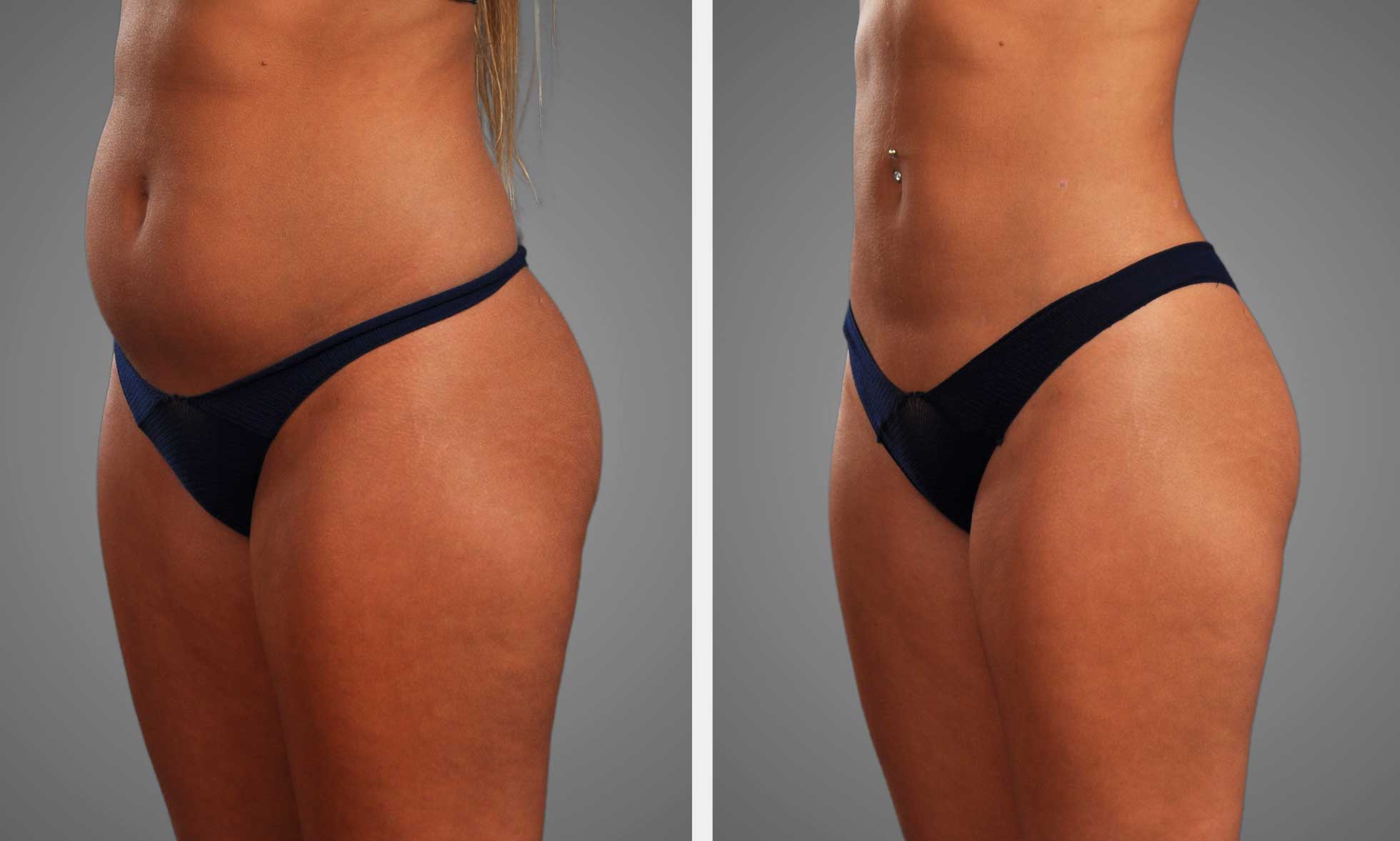
Social media is a big part. Bombarded by beauty crazes and celebrity makeovers, individuals strive for the same transformations. A lot of patients schedule liposuction after reading before-and-after posts, which increases demand and extends clinic hours.
Seasonal trends are in effect. A lot of people get liposuction in the spring and early summer with the expectation that they will see a difference by those mid-year holidays or vacations. This squeeze creates bottlenecks, which in turn makes waiting even more time consuming.
In certain cultures a thin figure is revered, particularly in downtown areas. This mindset drives the appetite for body contouring procedures, placing additional strain on clinics.
2. Density
In packed cities, the battle for surgery slots is fierce.
- More people means longer waiting lists
- Clinics struggle to manage steady streams of new patients
- Surgeons aren’t necessarily evenly distributed, so some neighborhoods have more clinics than others.
- Urban recovery centers can be jammed, restricting patient choices post-op.
High density makes each step—booking, surgery and recovery—more difficult for patients and clinics.
3. Practitioner
Seeking a talented plastic surgeon in a crowded city can be difficult. There are never enough qualified surgeons, so patients wait longer.
The more senior surgeons are faster and safer, but book up first. Patients desire care from established practitioners, which drives wait times even higher.
The shortage of surgeons restricted to liposuction results in potential patients waiting months for a consultation.
4. Infrastructure
Urban clinics typically operate in old or small structures. This restricts how many they can perform each day.
Contemporary clinics with new medical equipment can aid in expediting patient throughput, but these aren’t available to every city.
Bad transport means that patients can’t get to or from appointments. Certain clinics have to grow—or relocate to bigger spaces—simply to keep pace.
5. Economics
The price of liposuction in cramped urban centers can increase with demand, rendering availability increasingly more difficult for certain patients.
Clinics with more money can afford to hire more people and provide shorter waiting times. Medical tourism just spices up the pot.
Out-of-towners may come in for surgery, adding to the local wait lists. Insurance doesn’t often cover cosmetic stuff, so a lot of it is out of pocket.
Global Hotspots
Liposuction is a sought-after commodity in the major metropolitan centers of the world, fueled by changing beauty standards, the globalization of incomes and a worldwide obsession with body image. In numerous overpopulated cities, they encounter waitlists for liposuction resulting from a combination of high demand, limited clinic availability, and an emerging middle class that wants specialty treatments.
All across Asia, cities from Bangkok to Jakarta have become popular with locals and international patients alike. Bangkok, specifically, attracts many medical tourists as costs can be 70% cheaper than in the US, while clinics maintain high standards. Jakarta, meanwhile, has witnessed a rapid growth in private plastic surgery clinics, propelled by increased disposable incomes and evolving beauty standards.
So, many patients now view body contouring as an investment in their personal and professional lives. Europe’s Madrid and Barcelona have top notch surgeons with decades of performing liposuction. With patients flocking from all over the continent to these cities, the wait times are modest but not negligible. In Latin America, São Paulo and Mexico City remain hotspots, attracting both local and international patients eager for cost effective treatment and quality doctors.
The following table shows average clinic wait times for liposuction in some of these global hotspots:
| City | Average Wait Time (weeks) | Main Patient Demographic |
|---|---|---|
| Bangkok | 6–10 | Medical tourists, locals |
| Jakarta | 8–12 | Urban professionals, expats |
| Madrid | 4–8 | Europeans, locals |
| São Paulo | 6–9 | Locals, regional tourists |
| Los Angeles | 10–16 | Locals, international clients |
Cultural beauty beliefs have a lot to do with how popular liposuction is in each city. For instance, in Bangkok or Seoul, slim frames are considered beautiful, so more people here tend to pursue such treatments. They tend to go for the natural curves and symmetry of the body in Southern Europe, so in terms of liposuction it’s probably a different approach, more subtle shaping.
As a result of social trends and media, in cities like Los Angeles, body contouring is commonplace–even to the point of being the norm for certain crowds. Foreign patients are a staple of the liposuction scene in many metros. They used to travel for bargains or to visit famous surgeons, and agencies now assist them in arranging these journeys, simplifying the process.
This global flow of patients introduces new trends and keeps clinics humming, driving wait times even higher in sought-after locations.
Clinic Operations
Clinic operations in crowded cities need to process many patients but maintain liposuction wait times low. Smooth operations aren’t just about speed; they have to balance safety, quality, and patient satisfaction. When clinics operate efficiently, they can provide high-volume liposuction safely, with experienced teams and modern technology. This is critical when patient demand is elevated and every step in the process needs to operate.
Straightforward appointment systems ensure better patient traffic control. Online booking, mobile apps and reminder texts can reduce the crush at waiting rooms. Such tools assist patients in choosing times that work well with their lives, reduce no-shows, and allow clinics to schedule their day. This matters most in frenetic cities, where a short delay can extend into hours of waiting.
With these systems in place, clinics can provide patients from all walks of life with more equitable and more convenient access to care.
Technology defines clinic operations. It provides a hand to keep records in one spot, check schedules in realtime, and share updates across the care team. When tech’s used right, it prevents the double-bookings and last-minute switches that exacerbate wait times.
Take, for instance, electronic health records — lesser time wasted on paperwork and lesser chances of mix-ups. In crowded urban centers where thousands of people need care, intelligent application of tech can keep the entire system humming efficiently.
Staff training is a big part of it. A trained team can detect issues early, manage challenging cases, and communicate with patients in a manner that instills trust. Training doesn’t only address the clinical aspect. It trains employees to collaborate with individuals of diverse backgrounds, manage stress, and maintain a safe environment.
Clinics frequently are faced with patients stressed at work, at home or even from domestic violence. Clinic staff need to know how to advocate for these patients, honor their convictions, and maintain equitable care for everyone. That’s the case whether patients have strong spiritual affiliations, require additional privacy or live with safety concerns.
Clinic operations are influenced by external factors as well. Economic crises can strain resources and complicate maintaining care quality. Because when the city gets in trouble, clinics might need to do more with less everything with wait times low.
Teams from all disciplines — nurses, physicians, technicians and therapists — collaborate to maintain treatment.
Patient Perspective
They wait in line for liposuction in big cities. Overburdened clinics and limited resources lead to most patients waiting for more than an hour to see a provider. Some persist for hours — even a couple of hours — before they’re able to get there. This waiting can influence patients’ perception of their care. When it drags, satisfaction plummets.
In one study, those who waited more than 60 minutes were 67% less likely to give their experience a good rating. It’s not only about the time lost. One patient referred to waiting as ‘dead time and wasted time.’ Others fret that if they take a break, they’ll miss their slot—which just adds strain to the already strained environment.
Feelings are intense when individuals pursue aesthetic surgery. Liposuction is a big deal for a lot of people; it’s connected to self-esteem and individual aspirations. Lengthy waits breed frustration and skepticism. Patients walk before being seen, particularly if the process is too slow or opaque.

In one instance, half the patients who left without being seen said their wait was simply too long. This feeling of wasted time can have patients wonder if it’s even worth the effort. They want to feel that their needs matter, not that they’re just one more name on a list. When satisfaction falls, others might reconsider having the procedure in the first place.
Transparent, truthful conversation from clinics matters. When clinics update about delays and manage realistic expectations, patients feel less anxious. In fact, patients informed about the reason for the wait were significantly more satisfied than those who remained unaware.
Not every clinic does this effectively. In one survey, 31% of patients reported receiving no helpful updates, while only 7% felt they were well informed. Providing easy updates, such as how much longer the wait will be or why a doctor is delayed, can calm stress and even allow people to schedule their time more efficiently.
Even tiny things, like a text alert that they’re up soon, can assist. Confronted with wait times, we tend to reconsider our objectives. Others tough it out, considering the wait the cost of good care or a talented surgeon. Some may seek quicker alternatives, even in neighboring cities.
Some hesitate or abandon their plans, not wanting to waste any more time. A lot attempt to wedge appointments into hectic work or family schedules, so timing becomes even more critical. Real stories demonstrate that patients trade off their optimism for change against the practical price of delay.
Innovative Solutions
In crowded, metropolitan areas, wait times for liposuction are extensive. Clinics have consistent need, small staff, and tight schedules. New thinking and technologies now assist clinics in managing higher patient loads without compromising quality or safety. They’re all working to make treatments faster, safer and more personalised.
Telemedicine for preoperative consults can slash wait times significantly. Clinics employ video chats and secure applications enabling doctors and patients to connect while not physically in the same location. Doctors can review your medical history, answer your questions and determine if you’re a good candidate for liposuction. That translates to less physician visits, less running around and less time spent in waiting rooms.
For instance, a patient across the city could consult with a surgeon virtually, have labs completed at a convenient location, and only make it to the clinic when it’s procedure time. That saves time on both sides and accelerates the process overall.
Its advanced scheduling software enables clinics to better track appointments, surgery rooms, and staff. It looks for holes in the schedule, reminds, and shuffles patients around if someone cancels. With real-time updates, clinics can fill open slots quickly and prevent double booking.
Others connect to patient portals, too, so folks can select times that fit with their schedules or sign up for waiting lists. In demand-heavy cities, these tools allow clinics to see more patients daily and maintain efficiency.
Outreach programs tell people about all the fat removal alternatives, not just liposuction. Clinics may utilize web pages, social media or online workshops to describe new, less invasive treatments. These could be non-surgical body shaping or injectable fat dissolvers.
By educating patients on all options, clinics empower individuals to select what suits best and reduce strain on operating room schedules. So, for instance, a person who only requires a minor fix might opt for a fast, non-surgical alternative to going under the knife.
Contemporary liposuction takes it a step further and uses energy devices, lasers and ultrasound for enhanced safety and outcomes. Smaller cannulas, even down to 0.2 inches for the body, allow physicians to operate more precisely and with smaller risk. Advanced tumescent and superwet techniques result in reduced complications and quicker recovery.
With all these innovations, the majority of folks return to normal life in days, not weeks. Complications now occur in only 1-3% of patients, and many experience skin tightening in addition to fat removal.
The Digital Shift
That’s not how people discover and select liposuction clinics anymore. Most now begin online, educating themselves on the procedure, dangers and positives before they ever consider scheduling an in-person consultation. Search engines and clinic websites, and health forums are often the first stops.
The digital shift is that you can shop for clinics, view before and after photos and review surgeons’ credentials – all from home! This immediate availability of information assists consumers in making decisions that suit their needs and budgets. A lot of people say they feel more empowered and less pressured when choosing a clinic or doctor.
Online reviews and ratings have a significant influence on where individuals book their liposuction. Truthful testimonials from former patients frequently say more than a clinic’s own advertisements. Sites that display ratings and patient stories provide a genuine glimpse of what to anticipate — both positive and negative.
Clinics that boast glowing reviews fill up quickly — increasing waits — particularly in densely populated urban areas. Clinics that respond to reviews and concerns generate more trust and more bookings, so they must discover new methods to manage demand and patient flow.
Social media has transformed the way clinics communicate with and create trust amongst prospective patients. A lot of clinics use Instagram or Facebook to display results, address concerns and discuss risks and recuperation. Social media provides clinics with a means to educate patients on what liposuction can and cannot do, creating realistic expectations.
Some clinics even host live Q&As or publish stories from actual patients. This type of transparency makes folks feel at ease and can maintain constant demand, potentially helping to flatten wait-time surges. User-generated content, such as personal stories or photos, can make clinics appear more authentic and relatable.
Virtual consultations, for example, that now allow individuals to consult with doctors online, reducing commute time and freeing clinics to serve more patients. Telemedicine allows clinics to provide initial appointments or follow-ups remotely, freeing up in-person appointments for those who truly require them.
This can assist in trimming wait lists and de-stressing the entire procedure. Bucolic types, or simply those with packed schedules, can receive guidance and responses at home. Virtual consults assist clinics in identifying patients who require additional care or are potentially poor candidates, standardizing and streamlining the process.
Thanks to online groups and forums, it’s easier for people to share their stories and get support. This community makes them feel less alone. It disseminates truths about protection, dangers, and the importance of quality aftercare.
Digital awareness splash pages can inform about skin care, which is vital due to climbing melanoma rates attributed to trends such as tanning. Liposuction device industry growth demonstrates that the digital shift will continue to disrupt the interaction between clinics and their patients.
Conclusion
Crowds drive demand sky high, and clinics struggle to keep up with savvy digitools and virtual workflows. Just about anywhere in Asia, Europe and North America experience the same stampede. The staff works really hard, but patients still wait weeks or months just for a spot. New tech assists, however it does not mend all the gaps yet. They want quick, secure treatment, not added hassle. To discover your optimal route, read reviews, inquire about wait times in advance and seek clinics that apply innovative methods to accelerate visits. Post your own advice or inquiries below, and assist others obtain the details they need.
Frequently Asked Questions
What factors affect liposuction clinic wait times in overpopulated cities?
Clinic wait times depend on city population, clinic resources and staff, treatment demand, and local healthcare policies. High demand and less clinics can bump up the wait.
Are wait times for liposuction longer in global hotspots?
Indeed, in fashionable cities where lots of people want cosmetic work, the clinic lineups are longer.
How do clinics manage high patient volumes?
Clinics implement online booking, triage and extended hours to deal with patients. Others prioritize emergency cases or provide group consults to minimize wait times.
What can patients do to reduce their waiting time?
There are ways around them – patients can schedule consultations well in advance, select less crowded clinics, or search for last-minute openings caused by cancellations. Being flexible about appointment dates assists.
Does telemedicine speed up the process for liposuction candidates?
Yes, telemedicine allows initial assessments and consultations online, helping patients quickly determine if they are eligible for liposuction before visiting the clinic.
Are there innovative solutions to long wait times in cities?
Others implement online scheduling systems, automated reminders, and virtual consults to optimize workflow and reduce patient wait times.
Why is it important to choose accredited clinics in crowded urban areas?
Accredited clinics have stringent safety protocols, seasoned personnel, and are structured to cope with clinic wait times in overpopulated cities in a way that delivers safer results and dependable care.