Directions
 Call Us
 Email Us



Key Takeaways
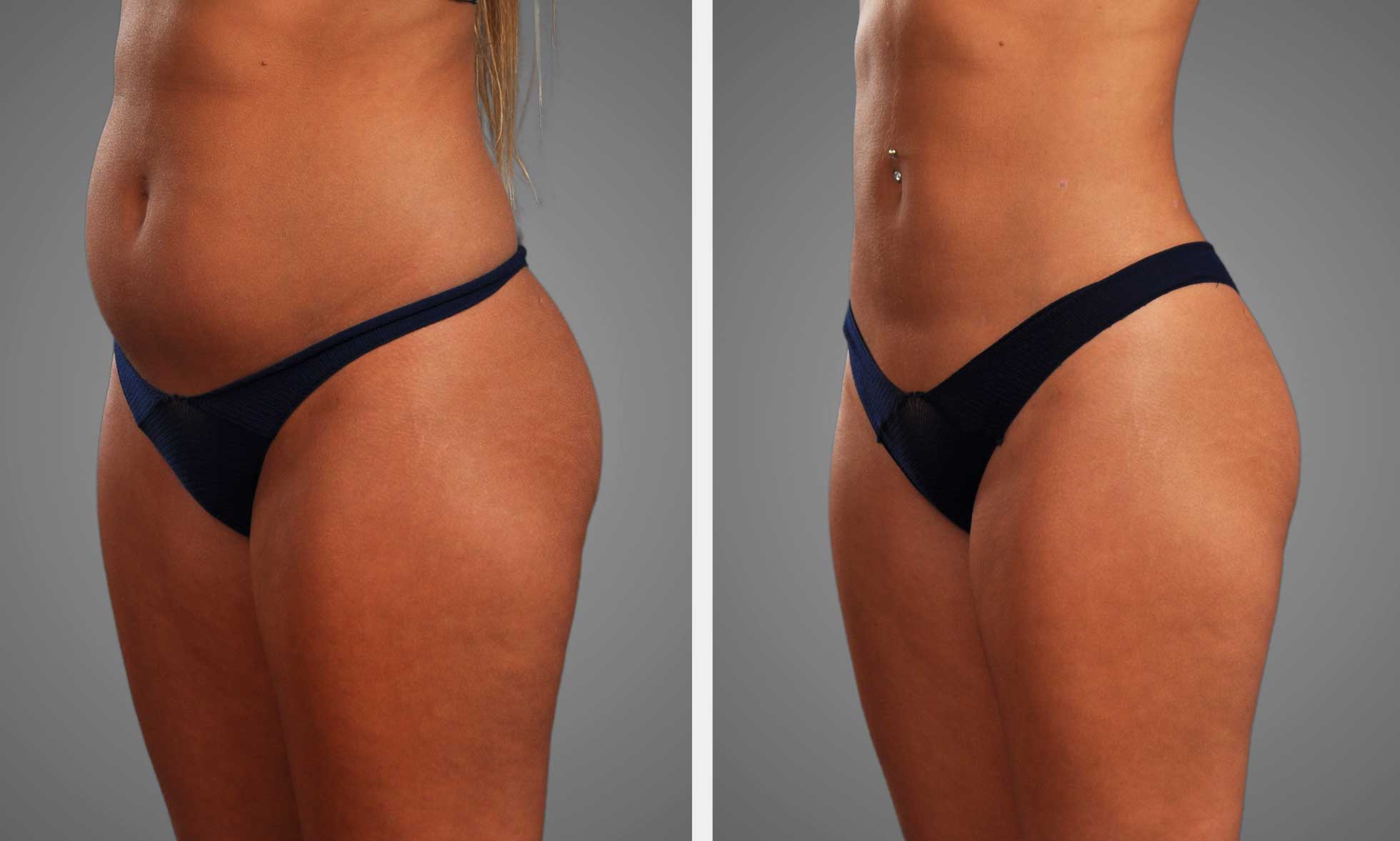
- Abdominal etching with percutaneous ultrasound utilizes state-of-the-art technology to increase accuracy, reduce tissue trauma and assist in sculpting clear abdominal definitions.
- A detailed consultation and preparation – including medical evaluation and lifestyle changes – is necessary for safety and optimal results.
- With a combination of ultrasound-guided fat release, selective aspiration of fat via small incisions and a final contouring, the procedure delivers natural-looking results.
- Best candidates are in good overall health, with realistic expectations and a healthy body mass index — all of which support better outcomes and recovery.
- Weighing the rewards – chiseled abs – against the potential side effects – scarring or asymmetric results, for example – is vital, and selecting an experienced surgeon can minimize the risks.
- Keeping results over time is a function of a healthy lifestyle, post-op care and, occasionally, touch ups to maintain the look.
Percutaneous ultrasound bone etching abs is a technique that etches washboard lines onto the abdominal muscles by directing ultrasound waves down to the surface of the bone. As seen in certain cosmetic procedures, this method is an unconventional means to etch the aesthetics of abs. It sends ultrasound energy through the skin to the bone, avoiding open surgery. Certain clinics tout the technique for individuals looking to acquire a chiseled appearance — in other words, if you want defined abs without having to work out to death. Outcomes may differ depending on physique, skin density, and so on. The bulk of this post describes how the technique operates, what to anticipate, and potential dangers to beware.
The Procedure
PE-Liposuction, or percutaneous ultrasound bone etching abs, is an advanced form of liposuction to sculpt the abdominal area. We have a number of procedures to make sure that this is safe, precise and permanent. Below is a step-by-step overview of how the procedure unfolds:
- Consultation: A detailed discussion between the candidate and a qualified surgeon to assess goals, medical history, and expectations.
- Preparation: Patients follow pre-surgery guidelines, including medication adjustments and lifestyle changes.
- Anesthesia: The procedure uses either local or general anesthesia for comfort and safety.
- Ultrasound Application: Surgeons use ultrasound technology to break up fat and enhance precision.
- Fat Aspiration: Targeted fat deposits are removed through small incisions to minimize scarring.
- Final Contouring: The surgeon sculpts the area for natural muscle definition and symmetry.
1. Consultation
Consultation makes room for personal customization. An expert surgeon will check your health, discuss your expectations and explain what the procedure can accomplish.
This is your moment to inquire, express your discomfort, and spread your ambitions. They require full medical history checks to eliminate risk and ensure you’re a good candidate, typically if you’re within 30 percent of your ideal body weight and have good muscle tone.
2. Preparation
You’ll have to obey a few guidelines before surgery. Surgeons typically recommend that patients stay away from blood thinning medications, herbal supplements and smoking. These reduce the chance of bleeding or healing issue.
A nutritious diet and regular workout regimen prior to surgery could assist in giving your skin tone and muscles a better shape. You should arrange for assistance at home post-operation, as you’ll require time to recuperate.
Schedule assistance with everyday tasks, at least during your first week.
3. Anesthesia
Local, regional or general anesthesia depending on the scope of the procedure and patient preference. Local anesthesia can be used for small areas and general anesthesia is required for more extensive sculpting.
During the surgery, your vitals are tracked by experienced personnel. Post-procedure, recovery from anesthesia is monitored and most people regain consciousness within an hour.
4. Ultrasound Application
Ultrasound assists in breaking up fat, making it more easily removable. This approach hits only the surface fat layers, which is crucial for contouring muscle striations.
It translates into less trauma to surrounding tissues. Employing ultrasound, surgeons can chisel out a more chiseled waist, lessening the risk of asymmetrical outcomes.
This method is safer and potentially accelerates recovery.
5. Fat Aspiration
Fat aspiration is the primary step that eliminates the undesired fat. Surgeons create tiny cuts, sometimes under 1 centimeter, and insert slender tubes that literally vacuum fat from the body.
Light vacuuming maintains muscle form and prevents excess extraction. The goal is to have just a thin layer of fat over the abs, so the muscle lines pop but the appearance remains natural.
It’s a meticulous procedure—extract too much fat and you risk dimples or divots, so surgeons move at a deliberate pace.
6. Final Contouring
Final contouring is where the craft enters. Surgeons sculpt the abs, and customize fat extraction to ensure the lines are balanced and organic.
Fine-tuning might include relocating or eliminating little fat pockets to expose the muscle’s actual contour. Surgeons prefer symmetry on both sides, as evenly distributed results are essential for a natural-looking six-pack impact.
Ideal Candidate
The optimal candidate for percutaneous ultrasound bone etching abs is someone who eats right and hits the gym regularly. They do sit-ups, planks, and count calories but still can’t see their abs. In most cases, they have maintained a stable weight for at least six months. This allows the results to linger and maintains the edges crisp. They’re near their goal weight, but a thin layer of fat conceals the muscle ladders. Muscle tone is important as well. If the abs are already strong but not chiseled, this works better. It helps accentuate the actual lines beneath the skin.
To be well is a necessity. They shouldn’t have heart, blood or immune issues. Healing is most effective while the body is robust. If you smoke or have a bad track record with scars, forget it. A good health check is among the first. The physician will search for any hazards that may impede your recuperation or injure you.
You need genuine, lucid aspirations. The surgery sculpts the abs, but it can’t make you fit overnight. It’s not designed to substitute for eating right or exercising. Others might believe they’ll appear as a fitness model immediately, but the reality is, results vary. They take the fat away to contour the abs, but the appearance is all in the musculature that’s already there and your skin.
BMI, or body mass index, is monitored. Most doctors like to see a BMI less than 30. This reduces the chance of issues and makes outcomes appear more organic. High BMI can imply excess fat, which causes the lines less defined or healing more difficult.
A chat with a board certified surgeon is required prior to the last step. The physician will review health, discuss objectives, and ensure the individual understands what lies ahead. This discussion facilitates each party to determine whether the operation is appropriate.
| Health Factor | Best Fit for Surgery | Not Ideal for Surgery |
|---|---|---|
| Health | No big medical issues | Ongoing illness, poor healing |
| BMI | Less than 30 | Over 30 |
| Weight Stability | Stable for 6+ months | Recent big weight changes |
| Muscle Tone | Strong, but not visible | Weak or little muscle |
| Expectations | Realistic, well-informed | Unrealistic, wants quick fix |
Benefits vs. Risks
Percutaneous ultrasound bone etching for abs purportedly reshapes the fat and tissue above the muscle to assist folks in achieving chiseled abs. It’s not a weight loss solution. Instead, it aids those who are already at a good weight but cannot GET visible abs — even after good diet and exercise. As with other cosmetic surgery — benefits vs. Risks. Understanding the benefits vs. Risks makes smart decisions.
- Possible benefits:. . * Helps get clearer, more defined ab lines when exercise alone falls short.. * Recovery time is often faster than other more invasive surgeries.. * Scars are often small and may fade over time.. * Can boost confidence if someone has struggled to get results.
- Possible risks: . . * Pain, swelling, or discomfort for weeks after surgery.
- Numbness, bruising, scars – all rare but possible.
- Not suitable for those with significant excess weight or serious health issues.
- Outcomes may vary and may not fulfill all expectations.
- Requires continual healthy habits to maintain the look.
The risks, although frequently small, can still count. Pain and swelling are the most frequent and can persist for weeks, making everyday life difficult for a time. Others may experience numbness or bruising, but these are less frequent. Scars occur, but with proper attention they fade. Choosing an experienced, board-certified surgeon can reduce your risk of complications. An experienced surgeon will examine you to see if you’re a suitable candidate for the procedure and shepherd you through recovery phases.
Having the right mindset is as key as finding a good surgeon. This surgery is not for those looking to shortcut healthy habits. It doesn’t cure significant body fat or health problems. You get the most bang if you maintain a balanced diet and regular exercise. Prepare for that last look to take a couple of months to manifest. Everyone recovers differently, so be patient.
Surgical Artistry
Surgical craftsmanship defines the result of percutaneous ultrasound bone etching abs. This innovative technique — a kind of 3-D liposuction — requires more than mere technical competency. It’s the surgeon’s understanding of anatomy, aesthetic eye, and skilled hands that determine if outcomes appear natural, safe and enduring.
Anatomical Knowledge
Understanding the anatomy of the abdominal muscles is key. Carving a muscular appearance relies on outlining those underlying “six-pack” lines and muscle grooves. Surgeons map anatomical features—such as the linea alba and semilunar lines—to direct fat extraction, ensuring each curve complements the body’s natural architecture. It doesn’t over-etch or look weird.
A solid understanding of anatomy decreases the likelihood of complications. Being mindful of blood vessels and nerves translates into less risk of trauma or differential scarring. Among 512 men, only 3 required a second procedure – proving how investing in careful anatomical work up front really does pay off down the line.
Aesthetic Vision
A surgeon’s artistry takes the lead on every outcome Where you get the best results is aligning patient goals to surgeon vision — whether that’s a chisled defined or more of a subtle look. This equilibrium begins with an upfront discussion of what’s feasible and what will fit a person’s frame and muscle tone.
Fat loss tactics vary according to this perspective. Some of us want deep grooves, while others want a softer outline. Visualizing the final result allows the surgeon to map out each step, selecting specific areas to treat for an even look.
Technical Precision
The correct instruments and sure hands are crucial in sculpting abs that appear both powerful and authentic. It targets small zones—not the broad-stroke approach of regular liposuction. Which means every mark and curve need to be crisp and precise.
It’s precision that makes results stick. Research indicates excellent results can persist for years, with the vast majority of recipients, around 98 percent, delighted with their transformation. State-of-the-art techniques like ultrasound-assisted liposuction minimize swelling and bruising, so downtime is minimal, as well).
Recovery Timeline
Percutaneous ultrasound bone etching abs require time and attention to recover from. Outcomes and journeys are unique to the individual, but a few things remain constant. Once you receive treatment, patients must adhere to post-op directions to achieve optimal results and minimize the risk of regression. Recovery isn’t immediate—muscle definition takes months to fully emerge.
- Compression dressing 10 days; a surgeon will take it out at a check-up
- Showers are lower body only for 10 days.
- Driving is not recommended for a minimum of 1 week post surgery.
- The majority are able to resume normal activities within 2 weeks.
- Moderate exercise might be permitted after 3–4 weeks, though some begin as soon as 5 days after surgery, depending on the procedure and doctor’s instructions.
- Lifting heavy things or bending for a few weeks.
- Full muscle definition may not show for 2–5 months.
Adhering to your post-op care instructions is essential. They are instrumental in making those wounds heal right and minimizing risks of infection. Surgeons provide specific instructions on how to cleanse the area, control swelling, and care for the compression garment. Ignoring these can delay recovery or cause complications. An example is that if the compression dressing is not worn as instructed, swelling and bruising can persist for a longer duration. If you move too much too soon it can delay healing or be painful.
Swelling and mild pain are common right after the procedure. This is normal as the body heals. Some people notice bruising or numbness in the treated area. These side effects fade with time, but it helps to rest and avoid hard activity. Pain is usually mild and managed with basic painkillers, as suggested by the doctor. If pain gets worse or does not go away, it’s best to get in touch with the care team.
Returning to normal life should be gradual. For the majority, walking and light chores can begin within a week or two. Sweat sessions – whether it’s a run or weightlifting – should be postponed until the doctor provides the all-clear, usually after three or four weeks. Those who lift or bend for work, however, might require longer time off. By two weeks, the majority feel ready to be active but must monitor for any strain or pain.
Lasting Results
The effects of percutaneous ultrasound bone etching for abs can endure for years. They enjoy defined ab lines well into old age if they maintain a healthy lifestyle. That translates into eating well, staying active, and not yo-yoing on the scale. It’s most effective for individuals near their target weight, and whose skin has good elasticity. Good skin allows the body to maintain the new, ab shape. If you weight gain or lose a significant amount of weight following the procedure, it can alter the appearance of your abs.
Complete results may not appear immediately. Most folks notice the actual impact around six months post treatment. Your body requires time to heal and swelling can initially camouflage the new lines. Patience, my friend. A few others might require a longer healing period, particularly if their skin is lax or they have a bit more body fat. For these, it can take a little longer to realize the end form.
I need you to understand that not everyone receives identical results. Factors such as skin type, age, and genetics come into play. For instance, a 20-year-old with skin elasticity and consistent weight will experience more permanent abs than a less elastic or older counterpart. If you want the results to last, you have to keep your body fit. Good diet and good exercise are huge. If you begin skipping workouts and eating like crap, the carved abs could slightly fade or lose shape.
Sometimes you just need a touch-up. If you gain or lose body weight or have skin loosen, a physician may recommend an additional minor procedure to maintain the abs clean. Certain folks with stretchier skin or who heal slower may require this sooner than others. Even with optimal care, natural aging still takes a toll on how long your abs remain razor sharp. The lines can soften as skin relaxes.
Conclusion
Percutaneous ultrasound bone etching abs distinguishes itself as an innovative method of sculpting muscle striations. Physicians apply artistry and precision to contour the appearance. Results are permanent and keep sharp with proper aftercare. The healing remains brief for the majority of people. Risks remain minimal, but it does assist to be educated and consult with a trusted physician. People observe defined lines and actual shading, not merely a shadow beneath the skin. This technique is great for individuals maintain an active lifestyle and desire a neat, masculine style. To find out more or to see if this technique matches your objectives, consult with a board-certified surgeon. Ask questions and consider your options to carve the path secure and righteous to you.
Frequently Asked Questions
What is percutaneous ultrasound bone etching for abs?
Percutaneous ultrasound bone etching abs is a minimally invasive process. It leverages ultrasound energy to contour the abs by percutaneously etching bone for a chiseled appearance.
Who is an ideal candidate for this procedure?
Optimal candidates are healthy adults with stable weight. They should be realistic and be seeking that extra bit of abdominal definition that diet or exercise alone cannot provide.
How long does the recovery process take?
Recovery time is typically brief. The majority are back to light activities in a couple of days. It can take weeks for complete recovery and ultimate results.
Are the results of bone etching permanent?
The results are long-lasting. Extra pounds or aging can play havoc on appearance over time.
What are the main benefits of this procedure?
The primary advantages are chiseled abs, imperceptible scars and swift recuperation. The method provides a natural, chiseled appearance with minimal surgery.
What are the risks involved?
Potential complications include swelling, bruising, infection or irregularities. Selecting a seasoned surgeon can help reduce these risks.
How is this procedure different from traditional ab sculpting surgery?
Percutaneous ultrasound bone etching is less invasive than surgery. It leverages ultrasound for precision, resulting in reduced downtime and smaller incisions.