Directions
 Call Us
 Email Us


Key Takeaways
- Compression garments = smoother liposuction results by reducing swelling, fluid and complications, so wear those damn things as directed to assist with healing and skin retraction.
- Take advantage of stage-appropriate garments and a transparent timeline, beginning with firmer compression right post-op and moving toward lighter support as your surgeon advises.
- Opt for quality fabrics and good fit — measure yourself diligently, choose garments that are breathable and soft-lined, and opt for adjustable styles to prevent uneven compression or chafing.
- Track your recovery process — watch for swelling, bruising, skin texture and any appearance of fluid collection or skin issues and contact your provider or adjust your garment fit as necessary.
- Balance garment use with broader postoperative care such as hydration, light exercise, scar awareness and treatment, and nutrition because garments are just one piece of the final contour puzzle.
- Watch out for dangers like too much or uneven compression, allergic reactions and hygiene infections, and adhere to daily care and rotation to keep garments effective.
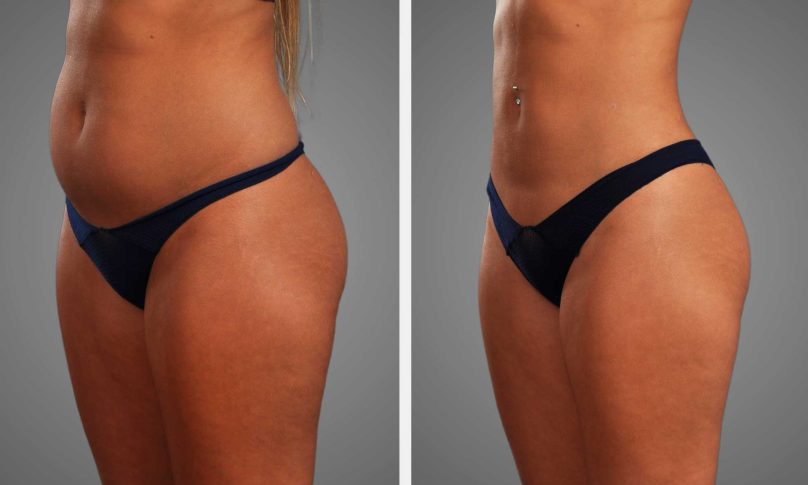
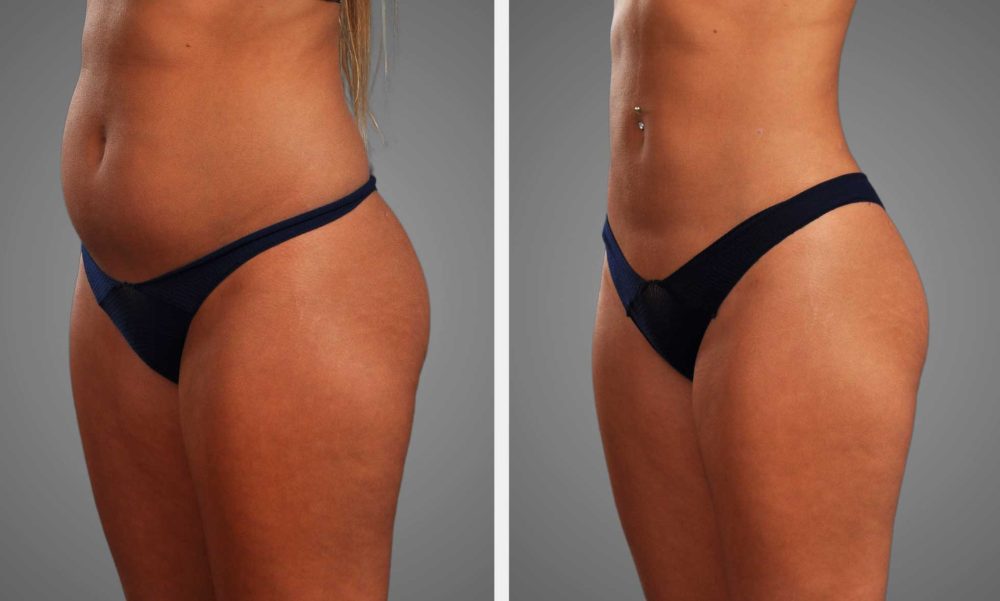
Liposuction garment smoother results explained refers to how post-surgery compression garments help shape contours and reduce swelling. They provide consistent compression to stabilize tissues, reduce excess fluid and assist skin to lay flat over treated zones.
Fit, material and compression of your liposuction garment choice all plays a role in comfort and results. Timing and consistent wear is what’s important for real measurable shape changes.
The main body will cover types, fitting tips and care advice.
Why Compression?
Compression garments are the cornerstone of liposuction recovery, employed to reduce swelling, support healing tissues and contour the final outcome. They function by exerting consistent pressure on affected regions, minimizing swelling and promoting circulation so wounds recover in a uniform, regulated manner.
Using it correctly, consistently, for the advised duration—usually around 4-6 weeks—helps reduce risk of complications and enhance long-term contour results.
1. Swelling Control
Compression garments manage post-op edema by applying mild, uniform pressure throughout the surgical area. This pressure restricts the open spaces where fluid can accumulate, and promotes lymphatic drainage toward normal egresses.
Powerful wear minimizes swelling—both how bad it gets and how long it sticks around—during those initial days and weeks, which is what makes the early recovery process more manageable. Regular use of a properly sized garment reduces the risk of long-lasting swelling post-liposuction.
Monitor swelling decrease by taking circumferential measurements or pictures at regular intervals—this demonstrates improvement and assists your surgeon in tailoring your care. Taking garments off too early can cause more swelling, fluid retention and even worse contouring.
2. Bruise Reduction
Compression assists in restricting bruising by providing support to capillaries and minimizing tissue displacement that can exacerbate subcutaneous bleeding. A tight, properly fitting outfit minimizes the severity and duration of bruises.
Early-stage, firmer compression is beneficial immediately post-surgery. Later, lighter or staged garments can assist continuous healing. Wearing stage-appropriate attire—more firm in the beginning, then lighter for later—will deliver better outcomes throughout recovery.
Compare before and after photos for visible improvements in bruising when worn consistently.
3. Contour Shaping
These garments are key to maintaining the tissues in place while your body gets used to the new decreased volume of fat. They assist the skin in re-adapting to the new underlying contour and avoid any pockets for fat removed to shift, as you heal.
Select contoured styles for support in specific regions, such as the waist, thighs or arms. Enumerate affected areas and select apparel to match each.
This pragmatic action refines specific reinforcement and polishes finishing form.
4. Skin Retraction
Firm compression helps skin retraction by supporting skin fibers and encouraging even contraction. Proper compression promotes more ideal elasticity and less chance of loose skin.
Poor compression, or early cessation of use, results in less than optimal retraction and uneven texture transitions. Keep an eye on skin texture and tightness during recovery to identify complications early.
5. Fluid Drainage
Clothing assists in channeling surgical fluid in the direction of drain sites, minimizing the risk of seromas. Constant use promotes optimal wound healing and reduces complications.
Look for evidence of fluid overload and tailor your fit, as compression levels do in fact matter in preventing seroma.
Garment Selection
Lipo garment selection literally determines the course of healing, the skin’s retraction and how ‘normal’ day-to-day life will be while recovering. Select clothing to complement your surgery site, healing phase and individual requirements for support and movement. Below, three key considerations–fabric, compression and construction–are outlined with actionable tips and illustrations to guide your selection.
Material Matters
Breathable fabrics like nylon blends and other contemporary synthetics minimize heat retention and decrease the chances of skin irritation. These fabrics wick moisture away from the skin, which helps incision sites remain dry and reduce the risk of maceration or rash.
Pieces with a soft cotton or microfibre lining at contact points provide instant comfort post-op, particularly over vulnerable areas. Medical-grade compression fabrics are designed to stretch evenly that assists in delivering consistent pressure that facilitates skin retraction without inducing hotspots or folds.
Steer clear of rugged weaves and non-flexi fabrics such as raw denim or stiff leggings, as they’ll form imprints and irregular compression. If you can, choose clothes with flat seams and soft edges to minimize drag and chaffing on new wounds.
Pressure Levels
Various compression levels come into play at various times. Directly post-surgery, firmer compression garments control swelling and shape tissue, these are typically referred to as “stage 1” or “post-op” and provide firm, even pressure.
After a few weeks, patients transition to lighter, more flexible garments for everyday wear that provide support but permit greater mobility. Too little compression may permit lingering edema and decrease skin retraction.
Excessive force endangers nerve entrapment, anesthesia, or vascular issues. Adhere to the surgeon’s recommendations for compression level and duration, and prepare to purchase a second, smaller garment as swelling subsides. Standard recommendation is 4–6 weeks of wearing, even while you sleep for the initial week or two.
Design Features
Opt for clothing with adjustable closures—zippers, straps, or Velcro—to achieve a customized fit amidst fluctuating swelling. Targeted pieces like arm sleeves, thigh wraps or full bodysuits target areas better than a ‘one-size-fits-all’ piece.
Seamless or flat-seam construction diminishes marks and enhances comfort for extended wear. Seek out reinforced panels where you need support and softer panels where stretch is key.
Key design features to look for:
- Adjustable closures for fit changes
- Reinforced panels for targeted compression
- Smooth seams and soft linings at incision points
- Zippers or hooks to make dressing easier
- Breathable mesh panels for ventilation
- Models sized in circumferences rather than just small/medium/large
Brand models differ against materials, warranty and return policies prior to purchase.
Proper Usage
How you use your compression garments post-liposuction impacts swelling, contour and healing. Adhere to care instructions, pay attention to fit and shifts when in motion, and maintain garment cleanliness to help maintain compression levels and skin health.
The Timeline
It’s not uncommon to wear compression around the clock in those initial days – in fact, most surgeons will advise wearing it consistently for at least 6 weeks to manage swelling and stabilize tissues. Some patients wear them round the clock for the initial 1–2 weeks, then move to daytime only as swelling subsides.
Everyone’s healing time is different; some require more than six weeks while others wean off earlier per the surgeon’s instructions.
- Immediate postoperative (days 0–7): wear continuously, including sleep, remove only to shower or as directed.
- Early phase (weeks 2–3): continued daily wear, may remove briefly for hygiene, check with surgeon before long breaks.
- Intermediate phase (weeks 4–6): reduce night use if cleared, but keep daytime use to maintain shape.
- Long-term (after week 6): transition to lighter compression or occasional use per specialist advice, but remain alert to changes in fit as body shape evolves.
Stop early, though, or you’ll risk irregular contour, extended swelling, or inadequate tissue adhesion.
Correct Fit
A tight but comfortable fit provides uniform pressure. When available, measure hips, waist, thighs and any treated areas and compare to manufacturer charts. Ask the clinic for brand specific guidance.
If it’s too tight, it pinches, impedes breathing or causes marks and numbness of the skin. If it’s too loose, it will not compress the swelling properly and may allow fluid pockets.
Experiment with a few cuts—high-waist briefs, bodysuits or spot panels—because various styles flatter various body types and treated areas. Keep in mind that a garment that fits at week one may be loose by week 6, so plan on re-measurements or purchase adjustable options to accommodate shifting contours.
Daily Care
Wash with a gentle detergent after use, skip the fabric softeners and hot water as it’ll wear out the ‘spandex’. Alternate between a minimum of two articles of clothing so one can dry and the other is worn – this encourages sustained wear and cleanliness.
Switch compression garments every alternate day during the first week and then every day as swelling subsides and cleanliness allows.
Check seams, fasteners and fabric for thinning, tears or stretched areas – replace garments that show wear as diminished compression weakens outcomes. Lay clothing flat in a cool, dry place away from direct sunlight and heat to preserve fibers and even compression.
Monitor for slippage or uneven compression during regular activity — if sliding or bunching occurs, adjust straps or select an alternate cut.
Potential Risks
Here are the primary risks associated with wearing compression garments post-liposuction and the more general harms of the procedure that involve garment use and recovery.
Inappropriate compression can lead to pressure necrosis, skin erosions, or delayed wound healing. If a piece of clothing is too tight or sits in place over a point of pressure for too long, sustained high pressure restricts circulation and can even harm skin and the tissue beneath. Such as deep red marks that become ulcers or hard, white patches where skin loses normal pigmentation and texture.
Inspect skin two times a day and loosen or refit the garment as soon as you notice lingering numbness, intensifying pain, or bruising skin. If a clinician suspects a pressure injury, they may suggest alleviating compression, dressing changes or wound care referral.
The risk of infection increases if clothes aren’t clean and dry. Damp, warm cloth atop new wounds becomes a veritable petri dish for bacteria. Follow basic surgical infection control: wash hands before touching dressings, change garments after sweating, and keep the incision areas dry until healed.
Appropriate operating-room behavior counts. The risk of infection is lowest when hand washing, sterile technique, and good skin prep are employed during surgery. If redness, escalating pain, swelling, fever or foul drainage occurs, get care promptly. Treatment can consist of antibiotics and wound care, and severe infections occasionally require surgery.
Irregular compression can cause bulging or uneven shapes. Uneven or shifting compression from a garment can push more in some areas than others and let fluid or tissue pool in less-compressed regions, creating visible lumps or waviness. Surface irregularities post-liposuction are caused by fibrous adhesions to muscle or skin redundancy – dents and waviness may not be completely prevented by garments.
Well fitting clothes, re-measurement as swelling subsides, and massage/manual lymphatic drainage can assist to even the contours. Stubborn blemishes occasionally require touch-up procedures.
Allergic reactions to artificial fibers or elastic can be a problem. Symptoms can be localized rash, itch, blistering or generalized contact dermatitis. Switch to natural or hypoallergenic fabrics, and talk about patch testing if you have a history of textile allergies.

Other heavy-duty, procedure-related risks shape apparel choices. Visceral and bowel perforation are rare, potentially fatal complications documented in the literature — awareness and early recognition matters. Blood loss is typically minimal with tumescent technique—approximately 5–15 ml per litre of aspirate—but transfusions were required in approximately 2.5% of patients.
Seromas can develop and are treated by sterile needle aspiration and compression dressings. Scarring is rare but can be controlled with restricted activity and tight underwear; hyperpigmentation, usually on inner thighs, disappears within a year.
Patient Factors
As such, patient factors dictate just how effective a compression garment will be and for how long it should be worn. Skin quality, age, body shape and amount of liposuction or fat removal all alter the support required. Skin with good elasticity retracts easier and typically requires less, shorter duration compression.
Skin with poor elasticity, typical in older patients or post-pregnancy, tends to require a firmer garment and extended duration of wear to assist contours in settling and to minimize laxity. Body shape matters: treatments on the abdomen, flanks, or inner thighs need garments that apply targeted pressure, while arm or neck procedures need smaller, shaped pieces to avoid bunching and to keep pressure even.
Customize attire based on the type of procedure and to the patient’s lifestyle. For a tummy tuck + liposuction, opt for high-waist garments that span from the lower chest to your pubis with graduated compression. For arm liposuction, use sleeves that terminate at the shoulder and provide unrestricted elbow movement for work or exercise.
Consider modular systems: a light garment for daytime wear under clothes and a firmer one for the first two weeks post-op during rest and sleep. Patients with active jobs or who exercise regularly require moisture-wicking fabrics and designs that flex while maintaining static compression.
Medical risks and pre-existing conditions should inform garment strategy and peri-operative care. DVT risks increase with heritable clotting disorders, chronic smoking, long surgery (>2 hours), obesity, dehydration, age >60, varicose veins and oral contraceptives.
Request patients to discontinue smoking and hormonal contraceptives a minimum of two weeks prior to surgery. Persistent oedema may be the result of pre-op anemia, hypoproteinemia or renal impairment – reasons to postpone or avoid surgery. Patients losing greater than 15% blood volume may require colloids or transfusions to restore volume.
Watch patients with high anticipated fat loss (>8%) more carefully as their risk of complications increased. Infection and wound-healing risks impact compression decisions. Necrotising fasciitis risk factors encompass gastrointestinal cancer, IV drug use, older than 50 years, diabetes, immunosuppression, alcohol abuse, peripheral vascular disease and malnutrition.
For my high risk patients, I still opt for clothing that permits easy wound checks and quick removal without compromising the compression regimen. Hydration is a key pillar of recovery, particularly for the over 40 crowd, so recommend plain hydration protocols pre and post surgery.
Close peri-operative monitoring and follow-ups to identify early issues and modify garment wear as swelling and healing change are necessary.
Beyond The Fabric
Compression garments do some heavy-lifting, but they are one component of a recovery plan. Staying hydrated promotes circulation and assists the lymphatic system in draining fluid from treated regions, which reduces swelling and encourages healing. Light exercise such as daily walks and light range-of-motion exercises will prevent you from getting stiff and developing blood clots while improving circulation.
Start slow and according to your surgeon’s timeline. Scar treatment regimens such as timed massage, topical silicone, sun protection and, if recommended, steroid injections or laser help break down scar hardness and optimize texture. These should start once your surgeon says the tissue is ready.
Compression garments assist with mechanical support, minimize some swelling and aid the skin in contour adaptation, but do not substitute for quality wound care/nutrition/activity guidance. A holistic approach pairs garment use with skin care routines that support collagen remodeling: nutritious protein, vitamins C and D, zinc, and adequate calories for tissue repair.
Don’t smoke and have bad diabetes, both of which cause slow healing. Follow symptoms and changes with photos and measurements so minor progress is seen and reasonable hopes are maintained.
Compression therapy is nothing new outside of contemporary plastic surgery. It has been employed for more than 2,000 years to support venous problems and to decrease edema. That history informs current practice: garments work by exerting graded pressure to encourage fluid movement and to support soft tissues.
Worn as prescribed, they assist in regulating early post-operative swelling and can even impact the final shaping. With time, their ability to remodel tissue diminishes. Post the magic window, clothing can feel compressive but provides less sculpting of swelling and shape.
Going beyond the suggested time frame is a personal choice molded by healing, comfort and lifestyle. Others experience more relief when they wear something every day, particularly during extended days on the feet or at the gym. Some wear clothes only for tissue-loading activities.
For patients with lingering swelling or pain, longer wear can be beneficial as the body continues to settle. Evidence regarding long-term positives and the risks of extended wear is scarce — research is required to elucidate if and when extended use truly benefits or just feels good.
Consult long wear with your surgeon to align garment type, fit and wear schedule to your healing trajectory. Keep realistic timelines: visible refinement can take months, and final results may not be clear until tissue remodeling completes.
Conclusion
Liposuction garments aid in sculpting healing. They reduce swelling, support tissues and even smooth edges. Choose one that fits the treated region, utilizes compression made from firm but breathable material, and allows you to move and tend to incisions. Wear it as the surgeon recommends. Check fit each day and swap out pieces that bunch or rub.
Be alert for pain, unusual drainage, or discoloration. Seek care immediately if those pop up. Think body type, skin tone and activity level when selecting styles. Throw in some soft scar care and gentle massage as healing permits to enhance texture and contour.
Specific objectives, consistent wear, and close monitoring provide the greatest opportunity for smooth, uniform outcomes. Talk with your provider to align a garment plan with your needs and timeline.
Frequently Asked Questions
What role does a compression garment play in liposuction recovery?
A compression garment minimizes swelling, stabilizes tissues and assists the skin in adhering to new contours. It accelerates recovery and, when worn as recommended by your surgeon, can enhance final smoothness.
How do I choose the right garment for smoother results?
Select a garment suggested by your surgeon that is tight, but not uncomfortably so. Seek out medical-grade compression, proper coverage of treated areas, and sizing according to post-op measurements.
How long should I wear the garment each day?
Listen to your surgeon. Typically 23 hours a day for the initial weeks, then taper off wearing. The best reduction in swelling and better contouring comes with consistent use!
Can an ill-fitting garment cause problems?
Yes. Too tight can impend circulation and mar the skin. Too loose won’t control swelling or shape tissues correctly. Correct fit is important for safety and maximum results.
Do compression garments prevent irregularities like lumps or ripples?
These garments help minimize swelling and support the skin to help it adhere to its new contour, reducing the potential risk of contour irregularities. They don’t ensure you won’t develop it, either — surgical technique and personal healing play a role.
Are there risks to wearing compression garments?
It can cause skin irritation, pressure marks, numbness or impaired circulation if too tight. Report numbness, extreme pain or discoloration to your surgeon right away.
When will I see the final results after using the garment?
Swelling and firmness tend to get better over 3 to 6 months. Final contour can take up to 12 months. The right garment speeds this process and helps deliver smoother results.