Directions
 Call Us
 Email Us



Key Takeaways
- Liposuction eliminates subcutaneous fat, not muscle, which means muscle tone has to be earned through a strategic strength and conditioning plan implemented after recovery.
- Use a phased recovery plan that begins with rest and light movement, advances to light resistance work, and only returns to full-intensity training once cleared by your provider.
- Focus on low-impact cardio, bodyweight strength, and gradual resistance to regain definition without stressing healing tissues.
- Help recovery with sufficient protein, complex carbs, and healthy fats to repair muscle and assist skin retraction. Hydration is important as well.
- Pay close attention to your body and slow down if you feel swelling, pain, or delayed healing. Consult your surgeon, physical therapist, or trainer.
- Maintain realistic expectations and monitor milestones to progressively boost intensity, commemorate incremental victories, and sustain lasting results with lifestyle habits.
How to tone muscles after liposuction provides tips for strengthening and shaping muscles in a healthy way after your surgery. This includes when to get moving, soft-core and limb-strengthening exercises, and how to control swelling and scar sensitivity.
Tips include consulting a surgeon and physiotherapist, introducing low-impact cardio and resistance bands, and monitoring improvements with simple strength tests. The bulk of the article details steps, cautions, and example routines.
Post-Liposuction Anatomy
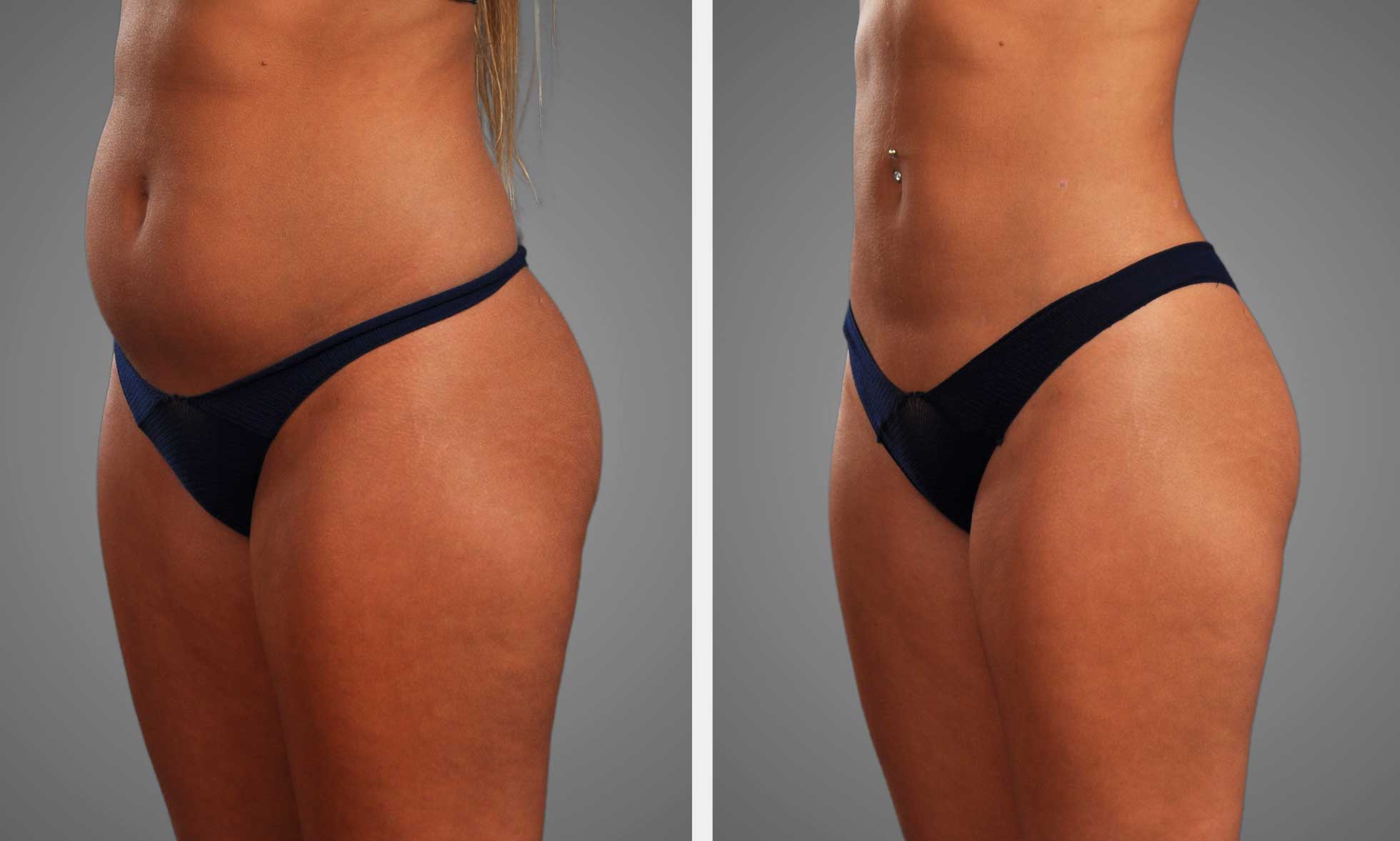
Liposuction targets subcutaneous fat and alters body contours. It doesn’t interfere with the muscle. Knowing how fat, muscle, and healing interplay provides insight into why toning after lipo is a multi-stage process and why exercise, timing, and care are important.
The Fat Layer
Liposuction can only remove subcutaneous adipose deposits just underneath the skin, not visceral fat surrounding organs or muscle. That strategic sculpting defines new surface contours but does not necessarily create a firm, toned appearance. Tone is a function of the layer underneath.
Fat cells that remain after liposuction can still expand and grow if you are in a calorie surplus, so diet is still important post surgery. COMMON TREATED AREAS – abdomen, flanks, thighs, arms, back. Results depend on area, skin quality, and volume removed.
While liposuction can eliminate protrusions, the laxity of your skin and muscle tone define your post-liposuction anatomy. Patients might require workout regimens or skin tightening procedures to achieve the best outcome.
| Stubborn Area | Typical Outcome | Notes |
|---|---|---|
| Abdomen | Good contouring; variable skin retraction | Core strength helps final look |
| Flanks (love handles) | Noticeable narrowing | Fat often recurs with weight gain |
| Thighs (inner/outer) | Improved silhouette; risk of irregularities | Compression and massage helpful |
| Arms | Better shape; dependent on skin elasticity | Older patients may need adjunct treatments |
The Muscle Layer
Muscle groups are the same post-liposuction. If you want to see your muscle delineated, you have to build or maintain lean mass through resistance work. Strength training and progressive overload assist muscles in becoming firmer and more visible as subcutaneous fat decreases.
Muscle tone helps skin retraction, too. The stronger the underlying tissue, the smoother the skin above. Composition matters. More fast-twitch or slow-twitch fibers affect shape and endurance, and a mix of aerobic and resistance work supports a balanced look.
Examples include light squats and glute bridges for the lower body, and pilates or core-focused moves for the abdomen because pilates is low-impact and good for post-op core work.
- Steps for muscle care and gradual exercise after liposuction:
- Start light walking immediately to encourage circulation.
- Employ mild stretching in the first two weeks to maintain mobility.
- No strenuous exercise for at least 2 weeks with surgeon guidance.
- Observe swelling and bruising every day. Bruising will be maximal 7 to 10 days.
- Begin low-impact activities, such as Pilates and walks, after 2 to 4 weeks if cleared.
- Begin light strength training at approximately 6 weeks post-op.
- Increase resistance slowly, targeting regular resistance sessions 2 to 3 times a week.
- Maintain calories and protein to aid muscle repair.
The Healing Process
Healing influences when and how muscles can be exercised. Some moderate pain and swelling is common in the first days as circulation is temporarily diverted. Bruising generally peaks at 7 to 10 days and resolves by 2 to 4 weeks.
About Post-Liposuction Anatomy swelling decreases over months and can take three to six months to completely subside, with the shaping becoming visible as the tissues settle. Pay close attention to swelling, bruising, and sensitivity.
All are normal signs of recovery and should abate with time. Rest, slow reintroduction of activity, and a progressive rehab program aid muscle recovery and improved long-term outcomes.
The Toning Timeline
Toning Timeline This part outlines a strategic timeline to reclaim muscle tone post-liposuction, synchronizes expectations with usual recovery milestones, and indicates when to increase activity according to standard healing rhythms.
1. Initial Recovery
Rest and very light movement are important in the first post-operative week when sensitivity and inflammation are at their worst. Light walking can start within days to kickstart circulation, reduce swelling, and provide relief. Keep walks short and slow.
No impact cardio, weightlifting, or formal exercise until cleared by your provider. Incorporate deep breathing, mild ankle pumps, and easy bed leg lifts to keep blood flowing without taxing tissues. Monitor pain, swelling, bruising, and sensation.
Recording these indicators aids in determining when to advance to the next stage.
2. Gentle Movement
In weeks 1 to 2, bruising tends to peak around days 7 to 10 and then starts to attenuate over 2 to 4 weeks. Swelling and pain usually subside during weeks 2 to 4. Start low-impact moves such as slow walking, light yoga poses, and basic stretches to limit stiffness and support returning muscle function.
Make sessions brief and fun. Cease if pain increases or swelling returns. Compression garments worn for 8 to 12 weeks help skin retraction and assist healing. Wear them as instructed.
Increase range of motion as comfort allows and bruising subsides.
3. Light Exercise
By weeks 2 to 4, most experience significant decreases in swelling and bruising and feel more like themselves by week 3 to 4. Start light strength work with resistance bands and bodyweight moves such as glute bridges, easy core holds, and slow leg lifts.
Emphasis is on form, slow repetitions, and short sessions to guard healing tissues. Stay clear of heavy loads, plyometric drills, and aggressive therapies. Monitor for symptoms of exacerbated swelling, pain, or altered sensation.
Hypoaesthesia may be present but usually dissipates by one year.
4. Progressive Training
Swelling continues to subside. Full resolution may take 3 to 6 months. Add some light aerobic work like brisk walking or stationary cycling. Add light dumbbells and more challenging bodyweight patterns to spark muscle growth.
Establish a schedule that works all the major muscle groups 2 to 3 times a week. Employ quantifiable indicators such as more time, increased resistance, and speedier recovery to monitor progress in strength, endurance, and flexibility.
Modify pace to your own healing rate and surgeon recommendation.
5. Full Intensity
Once clinically cleared and swelling is minimal, resume full-intensity routines such as heavier resistance training, Pilates, and interval cardio. Warm up well and switch up exercises to even out tone and avoid injuries.
Be consistent and wear compression when recommended for support. Mark milestones underneath to keep tabs on progress.
- Pain and swelling decrease enough for daily activity.
- Bruising resolves and garments fit comfortably.
- Ability to walk briskly for 20–30 minutes without pain.
- Controlled resistance work for major muscle groups twice weekly.
- Return to pre-surgery training intensity with minimal swelling.
Effective Toning Exercises
Post-liposuction, select exercises appropriate to your recovery phase and prioritize maintaining muscle while gradually increasing intensity as time goes on. Beginning work should safeguard healing tissues and emphasize alignment, deep stability, and controlled movement.
As swelling and tenderness subside, increase your resistance and session length. Begin at approximately 50 to 70 percent of your normal intensity and ramp up gradually while always prioritizing form over speed or heavy load.
Low-Impact Cardio
Low-impact cardio protects joints while increasing heart rate and blood flow, which helps healing and fat burning. Great picks are walking, swimming, and cycling. All allow you to regulate effort and prevent jarring.
During the initial weeks, restrict yourself to short, multiple daily walks or mild pool sessions for 5 to 20 minutes, and then increase the duration as you become more comfortable. Take advantage of resistance machines such as an elliptical or stationary bike in order to maintain a steady, strain-free pace.
Aim to alternate cardio days with strength work to enhance definition and allow for recovery. After approximately eight weeks, if cleared by your provider, you can consider short HIIT intervals, but only as intensity tolerance will allow.
Bodyweight Strength
Bodyweight moves allow you to build lean muscle without bulky equipment. Begin with squats, planks, glute bridges, and modified push-ups. These fire up some larger groups and sculpt your hips, thighs, and core.
Focus on slow, controlled repetitions and breathing. Quality of motion is more important than quantity! Challenge yourself by adding repetitions, adding pulses, or advancing to the single leg variations.
Core stability work not only sculpts your abs but reduces injury risk. Both dead bugs and side planks are effective. Incorporate Pilates or yoga sessions twice or three times a week for balance, flexibility, and posture.
Barre classes engage small stabilizer muscles around the thighs and stomach.
Resistance Training
Once cleared, introduce bands and light free weights to target specific muscles and accelerate progress. Begin with light resistance bands and one to three kilogram dumbbells, then increase load in small increments.
Key compound lifts such as squats, lunges, and shoulder presses activate multiple muscles simultaneously and provide superior overall toning compared to isolated exercises. Add some old-school strength moves such as leg press, bicep curls, and rows to complete the workout.
Try for two to three resistance sessions per week, with at least one day of rest between intense workouts. Utilize foam rolling or soft-tissue massage after workouts to relieve residual tightness and enhance mobility.
Sample plan: early phase includes short walks, basic core holds, and gentle Pilates. Mid phase includes longer cardio, bodyweight circuits, and light bands. Later phase includes structured resistance, progressive loads, and optional HIIT after eight weeks.
Fueling Muscle Recovery
In the wake of liposuction, your body craves specific nutrients and consistent routines to aid tissue regeneration and regain muscle firmness. A balanced diet of lean protein, healthy fats, and complex carbohydrates provides cells the building blocks they require.
Try to pack in at least one to two portions of protein per meal from options like grilled chicken, salmon, Greek yogurt, eggs, or tofu. These options deliver key amino acids to rebuild muscle fibers and prevent muscle loss as you recuperate.
Hydration is central to healing and to workout performance as you start light exercise. Hydrate over the course of the day to assist circulation, cleanse metabolic waste and maintain tissue pliability.
Small tweaks, bringing a bottle, scheduling consistent drink alarms, or incorporating hydrating watermelon and cucumber, make it more manageable to hit fluid requirements during the recovery window.
Inflammation control helps recovery feel smoother and reduces scar tissue buildup. Include foods with anti-inflammatory properties such as berries, fatty fish (salmon, mackerel), nuts, and leafy greens.
These foods supply omega-3s, antioxidants, and micronutrients that aid repair from the inside out. Avoid trans fats and highly processed foods because they can slow healing and promote unwanted fat gain. Focus instead on whole foods and simple cooking methods like baking, grilling, or steaming.
Consistent meal timing keeps muscles fueled. You won’t get the best results from training if your nutrition is depleted or insufficient. A realistic plan might involve three main meals and one to two snacks, each combining protein with a complex carbohydrate and some healthy fat.
For instance, grilled salmon with brown rice and steamed broccoli or Greek yogurt with berries and a small handful of walnuts.
Supplements can fill very specific gaps but should NEVER replace whole foods. Creatine can fuel muscle power and recovery, but there’s not much research on post-operative recovery.
Talk creatine and any other supplement over with your surgeon or a registered dietitian prior to beginning. Iron, vitamin D, and sufficient calories are key if blood loss or reduced intake is an issue.
Light movement, such as walking, gentle stretching, and restorative yoga, speeds circulation to repair tissues and maintains muscle tone without overexertion. Slow stretches and listen to post-op instructions.
Here’s a quick table of some muscle building nutrients and how they aid recovery.
| Nutrient/Group | Food examples | Benefit for recovery |
|---|---|---|
| Protein | Chicken, salmon, eggs, tofu, Greek yogurt | Rebuilds muscle fibers, supports strength |
| Omega-3 & antioxidants | Fatty fish, berries, leafy greens, nuts | Reduces inflammation, aids tissue repair |
| Complex carbs | Brown rice, whole grains, sweet potato | Provides steady energy for workouts and repair |
| Fluids | Water, broths, water-rich fruits | Supports circulation, removes waste |
| Healthy fats | Olive oil, avocado, nuts | Supports cell repair and hormone balance |
Beyond The Gym
These tiny, incremental shifts in routine do wonders to save muscle tone, prevent inflammation, and facilitate healing. Focus on practical options you can keep up long term: regular walking, standing more during the day, light stretching, better sleep, stress control, and tracking activity to stay consistent.
Professional Guidance
Adhere to the surgeon’s post-op directives and structured rehab schedule. A customized plan provides secure deadlines for when to initiate resistance work, when to increase intensity, and what movements to avoid.
Collaborate with a certified trainer or physical therapist familiar with post-liposuction protocols to construct a lipo workout plan tailored to your recovery phase. Supervised sessions may incorporate light range-of-motion exercises, low-load resistance, and advanced core work to safeguard incisions and restore muscle.
Modify the schedule from session to session depending on pain, inflammation, and clinical guidance. If swelling spikes or bruising deteriorates, stop advancing and consult your care team.
Mental Fortitude
Set clear, small goals: number of daily steps, minutes of walking, or a three-day weekly full-body routine. Celebrate small markers, such as an extra 5 minutes walking or a pain-free stretch, as evidence of movement forward.
Keep it simple: visualization, short affirmations, or whatever you need to stay on track during those down days. Stress-reduction techniques like deep breathing and short guided meditation reduce cortisol, facilitate sleep, and promote tissue repair.
Keep a log to track gains over weeks, which builds resilience and makes it easier to change plans when necessary.
Body Signals
Hear a sharp pain, unusual swelling, or persistent numbness — all good reasons to pause and consult. Distinguish normal muscle soreness from signs of overexertion: soreness eases within a few days, while worsened swelling or increased redness does not.
Change or skip exercises if energy is low or movements feel off. Light walking in week 1 encourages circulation and minimizes swelling while gently working lower-body muscles.
Record strength, flexibility, and function changes so your therapist or trainer can leverage that history to help direct next steps. Use low-tech tools, such as phone reminders to drink water or take a walking break, and track non-gym activity to halt muscle wastage.
Sleep, sleep, sleep — particularly early in the week and then tap full-body workouts three times per week once cleared, which maintains results long term.
Avoiding Setbacks
After liposuction, your body requires a specific roadmap to avoid setbacks that not only slow your healing but diminish your muscle tone gains. Avoid high-impact exercise for a minimum of two weeks to allow tissue and muscle to calm. Light walking within a few days after surgery accelerates circulation and reduces the risk of clots without stretching the tissues that are being repaired.
No running, jogging, weightlifting, deep squats, lunges, core exercises or high impact sports while in early recovery as these moves increase pressure in treated areas and can lead to more swelling or bleeding.
Return to organized training cautiously and maintain a slow build. Start with low-intensity, short sessions and increase by 10 to 20 percent more time or load per week only if there is no additional pain, swelling, or bruising. Aim for approximately 150 minutes a week of moderate activity once your surgeon clears you.
Spread sessions across most days to keep muscle in action but not overworked. For strength work, select light resistance and higher repetitions early on to preserve muscle and not pursue massive weights. For instance, use bands or bodyweight squats that are partial range initially, then progress to full range and heavier weights over a few weeks.
Watch the body like a hawk and modify routines when symptoms rear. Be on the lookout for excessive bruising, swelling that intensifies instead of subsiding, new numbness, tingling, or shooting pain. These can indicate tissue injury, fluid accumulation, or nerve inflammation.
If any of these happen, discontinue the activity that probably caused it and reach out to your care team. Taking periodic photos and easy measurements can keep movement objective and expose subtle backsliding before it becomes serious.
Control swelling intentionally. It can take three to six months to subside. Wear compression garments as directed, sleep with the treated site elevated when instructed, and steer clear of salt-laden dishes that could exacerbate fluid retention.
Prioritize nutrition to support muscle rebuilding: aim for a balanced intake with adequate protein, healthy fats, and whole grains. Protein targets near 1.2 to 1.6 grams per kilogram of body weight can help preserve lean mass during recovery. Hydration is key. Sip water throughout the day to help with healing and minimize soreness.
Sleep and rest permit repair. Strive for seven to nine hours a night. Pushing back to pre-surgery intensity too soon frequently pushes recovery back by weeks. Stay in follow-up visits and be truthful about activity.
Early care, steady progress, and immediate attention to warning signs minimize risk and maintain the tone you desire.
Conclusion
Lean muscle and smooth shape require consistent effort and intelligent post-liposuction care. Begin at a slow pace. Follow your surgeon’s plan and then use gentle moves first, then add strength work like bodyweight squats, bands, and light weights. Consume protein, get plenty of rest, and stay hydrated to assist with muscle and skin repair. Utilize targeted drills for trouble spots and incorporate walks, pool sessions, and low-impact cardio for consistent advancement. Monitor for swelling or unexplained pain and seek assistance promptly if symptoms develop. Actual results take weeks and months, not days. Choose a routine that you enjoy and will commit to. Prepared to map out your next move? Schedule a follow-up, or test drive the article’s four-week starter routine.
Frequently Asked Questions
How soon can I start toning exercises after liposuction?
Wait for your surgeon’s clearance, usually two to six weeks for light activity. Begin softly and advance slowly to prevent issues and aid recovery.
What exercises are safest to tone after liposuction?
Low-impact activities — walking, gentle core work, resistance bands — are safe early on. Adhere to your surgeon and physiotherapist’s regimen.
Will exercise remove leftover fat after liposuction?
Exercise will help make your muscles more toned and your body better shaped. It won’t dissolve or eliminate specific fat removed through surgery. It keeps up results and avoids fresh fat gain.
How often should I exercise to see muscle tone improvements?
Target three to five resistance and low-impact cardio workouts per week. Consistency produces visible tone within weeks to months, depending on recovery.
What role does nutrition play in post-liposuction toning?
Protein, healthy fats and vegetables fuel your muscles’ repair and reduce inflammation. Drink plenty of water and practice portion control to maintain your results.
Can scar tissue affect my ability to tone muscles?
Yes. Scar tissue can restrict movement and ache. Regular massage, as recommended by your surgeon, and guided stretching can enhance results.
When should I see a professional for setbacks or pain?
Reach out to your surgeon or a physiotherapist if you’re experiencing worsening pain, swelling, redness, fever, or delayed healing. The care you take early on prevents complications and safeguards your results.