Directions
 Call Us
 Email Us



Key Takeaways
- Laser lipo employs laser energy to liquefy thigh fat through minuscule incisions and a laser cannula, allowing for less invasive extraction and quicker downtime than conventional liposuction.
- Sophisticated systems provide heat that simultaneously destroys fat and activates collagen to enhance thigh shaping and skin firming in one treatment.
- Women close to their ideal weight with localized fat in the thighs, good skin elasticity, and good general health are ideal candidates. Those with significant laxity or high body fat may require additional approaches.
- Recovery is usually faster than traditional lipo with minimal pain and swelling, along with brief downtime. The majority of patients return to light activities in a matter of days.
- Results tend to be more gradual and natural appearing. They become more defined over 3 to 6 months. Longer-term maintenance is dependent on stable body weight, exercise, and healthy habits.
- Risks involve typical short-term effects like bruising and numbness and rare complications such as infection or thermal injury. Select a skilled practitioner and adhere to explicit aftercare guidelines to reduce issues.
Laser lipo for female thighs is a non-invasive cosmetic treatment that employs low-level laser therapy to dissolve fat cells and sculpt the thigh area.
It fights hard-to-lose thigh fat with tiny incisions and brief downtime. Standard treatments last 30 to 60 minutes and can demonstrate visible change within weeks when combined with dieting and mild exercise.
Risks tend to be minor and include swelling or bruising. The core text discusses methods, outcomes, and maintenance.
The Laser Lipo Process
Laser lipolysis employs focused laser energy to warm and liquefy fat cells in the thigh area, facilitating less traumatic removal than previous techniques. The laser heats fat cells to approximately 48 to 50 degrees Celsius, melting the lipid and rupturing the cell membrane. Heat also coagulates small blood vessels and triggers collagenesis that remodels connective tissue and can tighten skin.
Visible change can start in weeks with final contour refinement up to three months post-treatment.
1. The Technology
Higher-end systems like Smartlipo and Emerald Laser deliver this thermal energy via tiny fiber optic probes. Different wavelengths, for instance, 1064 nm, 1320 nm, and 1444 nm, have varying depths and affinities for fat versus water, so device selection influences fat absorption and skin tightening.
The laser offers two clear benefits: reduction of fat volume and stimulation of new collagen for firmer skin. Compared with noninvasive options like cryolipolysis (coolsculpting), which works with passive fat cell death over the course of weeks, laser lipo melts fat and tightens tissue in a single session.
Treatment areas can be targeted to inner thighs, outer thighs, or saddlebag zones for specific contouring.
2. The Procedure
A typical session starts with local tumescent anesthesia that numbs the thigh and minimizes bleeding. Minor incisions, typically a few millimeters, allow the surgeon to insert a laser cannula and transfer thermal energy to subcutaneous fat.
Liquefied fat is then gently suctioned or allowed to drain, depending on technique. Most sessions last one to two hours, and patients generally return home on the same day. The majority are back to light activity within one to three days and full activity within two to three weeks.
3. The Sensation
As patients are being treated, they experience warmth or tingling as the laser energy heats tissue. Tumescent anesthesia keeps pain down, so the discomfort is less than traditional liposuction.
After, some numbness, swelling, or bruising is common and subsides over days to weeks. Many women say it was bearable and less hard than traditional surgery.
4. The Science
Laser energy affects only adipose tissue, rupturing fat cells and liquefying their contents. Thermal lipolysis activates collagen remodeling, with studies recording as much as an 18% reduction in surface area, indicating skin tightening.
Providers have reported fat reduction of approximately 50 to 70 percent in treated areas, coupled with fair to good tightening. Some providers question lengthier procedure times and the lack of data demonstrating definitive advantages over standard lipo.
5. The Target
Inner thighs, outer thighs and saddlebags are popular areas treated. Laser lipo works great for pockets that don’t budge through diet and exercise and can be customized by area and depth.
For instance, a patient may request inner-thigh slimming, outer-thigh contouring or even combined work for smooth lines.
Ideal Candidate
The only way laser liposuction for the thighs works best is on women with stubborn, localized thigh fat that cannot be reduced through diet and exercise. They are not usually candidates who want to lose significant amounts of weight, but rather want to refine shape.
A short clinical evaluation will determine whether you are dealing with a concentrated fat pocket on your inner or outer thighs and not more widespread obesity or abundance of redundant skin. A customized treatment plan is necessary to establish reasonable expectations, choose energy settings, and determine the hybrid approach if skin laxity or muscle tone requires addressing.
Body Type
Laser lipo is suitable for women with moderate fat deposits and fair muscle tone. If your thighs have that stubborn layer of subcutaneous fat that bulges despite your best fitness efforts, laser lipolysis can diminish that pocket and help you sculpt smoother lines.
For patients with significant skin laxity or excess fat volume, traditional liposuction, skin excision, or a staged approach that may incorporate both is often a better approach. Severe extra skin usually requires more aggressive repair.
BMI and body composition count. Almost all successful candidates are within approximately 10 to 15 percent of their ideal weight and have a body mass index in the low overweight or “normal” range. Specific cutoffs differ by clinic.
Fat distribution is important as well. A greater concentration of fat localized to the thighs heightens the likelihood of visible contour change. Ultimate percentages vary based on bone structure, muscle, and fat distribution.
Skin Quality
Good skin elasticity enhances contour post laser thigh lipo. Skin that snaps back will tend to conform to new underlying contours once swelling resolves. Laser energy triggers new collagen, which can tighten mild to moderate laxity and enhance texture over a few months.
Severe sagging, redundant folds or deep stretch marks are all flow restrictions for what laser alone can do. In those instances, a hybrid plan incorporating excisional tightening may be recommended.
Determining tone and firmness in advance of the procedure controls our prediction of results and patient expectations.
Health Status
Candidates must be in generally good health with stable medical conditions. Uncontrolled diabetes, active infections, bleeding disorders or pregnancy are contraindications.
Smoking increases the risk of wound healing problems and delays recovery. Non-smokers heal better with fewer complications.
A consistent pound and continued good habits, such as daily exercise and a reasonable diet, sustain the effort. Talk about medications, previous surgeries, and any heart or clotting issues during the consultation.
Expectations
Have reasonable expectations of how much fat will be taken away and how your thighs will appear post procedure. Laser lipo is a sculpting instrument, not a dieting device.
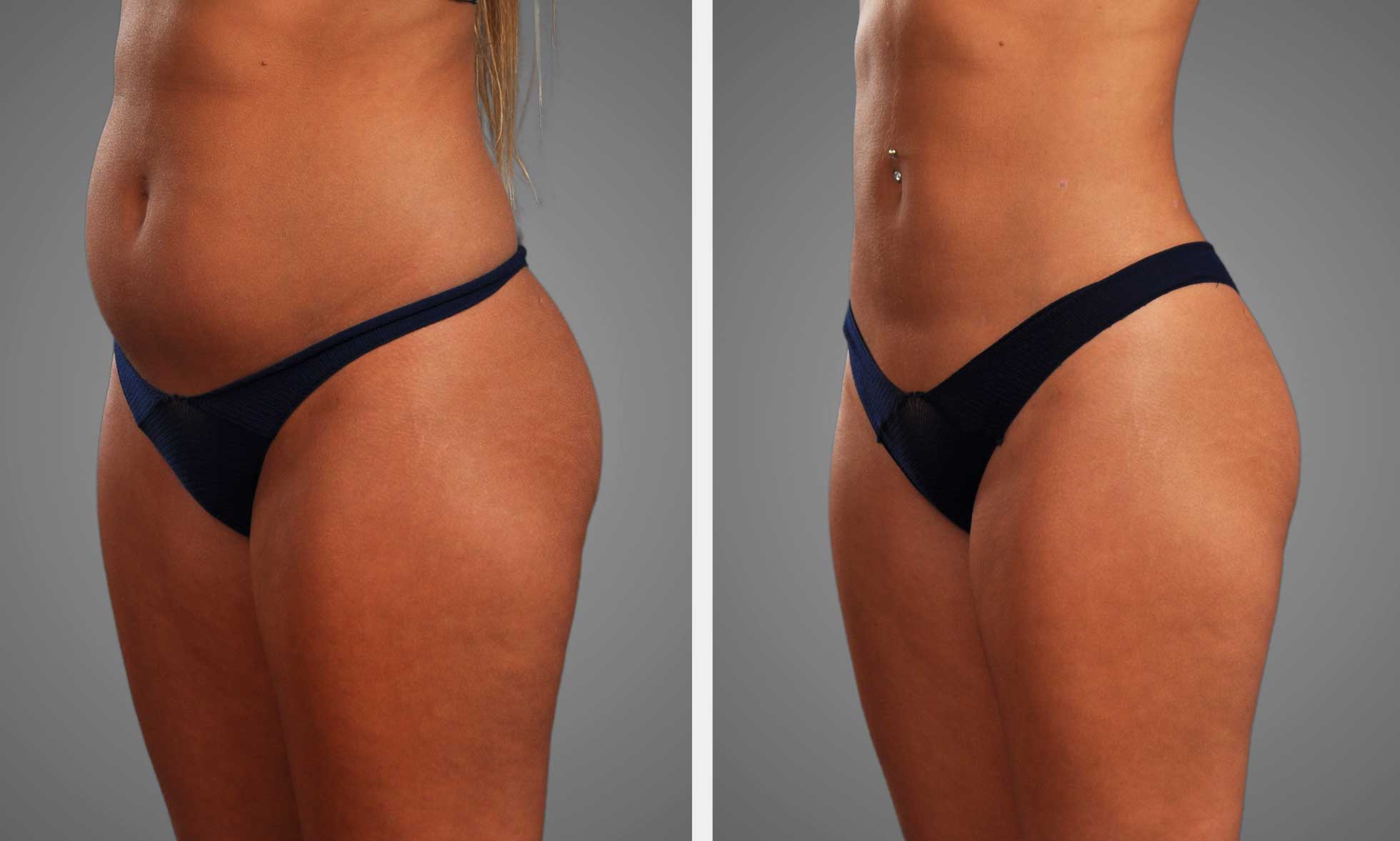
Results reveal themselves over weeks to months as swelling subsides and collagen remodels tissue. Looking through before and afters from seasoned surgeons helps create a realistic perspective on average results and boundaries.
Results & Reality
Thighs with laser lipolysis deliver tangible but limited shape and skin transformation. Anticipate a 50 to 70 percent fat reduction in treated areas and noticeable smoothing of dimples. Some patients experience a 50 to 75 percent reduction of cellulite appearance, but total cellulite removal is not achievable for all.
Initial contour changes emerge as swelling decreases, and more subtle tightening reveals itself over months as collagen remodels. Results look natural, not dramatic. This is not a shortcut to high-volume surgical sculpting.
Individual results differ with baseline body composition, skin laxity, the exact protocol and adherence to aftercare. Tenderness for a few days is common and swelling typically subsides within a week. Most patients see early improvement at 4 to 6 weeks and can anticipate final contour and skin tightening by 3 to 6 months.
Diligence with compression garments, activity instructions and follow-up visits noticeably impacts how smooth and enduring the outcome. Washing it down is fundamental. Fat cells extracted do not grow back, so in treated areas, the reduction is lasting.
Remaining fat cells can expand due to weight gain, changing the result. Long-term durability depends on steady habits: consistent exercise, stable weight, and balanced nutrition. While some patients maintain their improvements for years with healthy habits, others opt for touch-ups or hybrid treatments like radiofrequency skin tightening to sculpt finishing touches.
Timeline
Early stage exhibits edema and slight ecchymosis. Pain is generally slight and local in character. Touch tenderness usually persists a few days. Most are back at work within 48 hours.
Early results show up in 1 to 2 weeks as swelling drops. Definable change is more evident at 4 to 6 weeks. Skin starts slow tightening, with collagen forming over months. Complete contour arises at 3 to 6 months.
| Milestone | Laser Lipo (thighs) | Traditional Thigh Liposuction |
|---|---|---|
| Return to desk work | 24–48 hours | 1–2 weeks |
| Swelling subsides (major) | ~1 week | 2–4 weeks |
| Visible early results | 4–6 weeks | 6–8 weeks |
| Final contour | 3–6 months | 6–12 months |
| Activity resumption | Full by 2–3 weeks | Full by 4–6 weeks |
Longevity
Laser lipo’s fat cells don’t return. Treated areas are reduced for good. Extreme weight gain can enlarge residual fat cells and alter the appearance. Long term maintenance depends on working out and a consistent diet to avoid fresh fat accumulation.
Some patients choose seasonal touch-ups or supplement with other options for additional sculpting or firmer skin.
Maintenance
Embrace a sensible exercise routine that combines thigh-strengthening work with consistent aerobic activity to maintain your weight. Maintain a reasonable weight and avoid quick swings.
Routine skin care, hydration and provider guidance on compression can all help support smoother skin. Arrange regular follow-ups to track contour and to address new fat early.
Practical tips: Track weight monthly, do targeted leg strength exercises twice weekly, wear sunscreen, and book an annual check with your clinician.
Recovery Process
Laser lipo recovery for the thighs comes with mild soreness, swelling and temporary sensation shifts. Rest and compression garments take the lead in this initial stage to keep you comfortable and minimize swelling. Bruising appears dark initially and is most prominent during the first week, then diminishes over the course of several weeks.
Numbness may be present and typically dissipates over weeks to months as the nerves recover. Most women experience significant enhancement by the conclusion of the initial month, but a degree of swelling can linger past the three-month point and ought to be observed.
Downtime
Downtime post laser thigh fat removal is normally one to three days for most patients, depending on the area and depth of fat removed. More aggressive or bilateral surgeries can prolong that period.
Do not do any weight lifting, high impact workouts or aggressive leg workouts for a minimum of two weeks. Stairs and light housework are often okay within a day or two, but running, squats, and weight training need to be held off.
Wear compression garments day and night for your first one to two weeks to restrict swelling and help tissue conform. Anticipate bruising and tenderness centered around incision points. These side effects generally subside within the first week but can persist longer in certain individuals.
If swelling or pain gets worse and does not improve after the first week, call your provider.
Aftercare
Adhere to all post-procedure instructions from your clinic — from wound care to any antibiotics or pain medication. The recovery process involves keeping incisions clean and dry until cleared by your provider.
Apply ice briefly during the first 48 hours to reduce swelling and then use compression. Light activity and brief walks multiple times a day assist circulation and reduce the likelihood of blood clots. Don’t sit for extended periods.
If recommended, sleep with your legs elevated for the first few nights.
Checklist for optimal recovery:
- Wear compression garment as instructed (1–4 weeks).
- Take prescribed meds and finish antibiotics if given.
- Walk gently several times daily.
- Avoid heavy exercise for at least two weeks.
- Keep incisions clean; watch for signs of infection.
- Follow-up visits at 1 week and 1 month.
Go over this checklist again at home and then share it with a caregiver.
Comparison
With laser lipolysis, it’s less invasive than traditional liposuction and tends to heal much faster. Scarring is usually smaller and less visible since laser lipo utilizes mini cannulas.
Traditional liposuction can necessitate longer downtime and larger drains.
| Method | Pros | Cons |
|---|---|---|
| Laser lipo | Smaller scars, quicker recovery, skin tightening | Limited volume removal, possible temporary numbness |
| CoolSculpting | Noninvasive, no incisions | Slower results, limited to small areas, variable fat loss |
| Traditional liposuction | Removes larger volumes | Longer downtime, more swelling, bigger scars |
Pros and cons summary: Laser lipo offers a faster return to routine and less visible scarring. It is not ideal for high-volume removal.
Risks & Considerations
Laser lipolysis for the thighs can provide nice contouring results. However, it has inherent risks and practical boundaries that should inform your choices. Here are the typical effects and less frequent complications, with information on causes, prevention, and what to monitor during your recovery.
Common Effects
Mild pain, swelling, bruising, and temporary numbness in the thigh region are the most common outcomes post-laser lipo. These symptoms tend to be at their worst during the first 48 to 72 hours and then subside. Bruising and tenderness generally abate within a few days.
Temporary numbness is common and often clears over weeks to months as nerves recover. Certain anomalies or asymmetry could manifest as tissues settle. Some little contours will seem uneven initially and remain to bend as puffiness subsides and skin tightens.
Compression garments play a key role. They reduce swelling, help skin adhere to the new contour, and can limit bruising. Wearing a tight, well-fitted garment for the suggested duration minimizes pain and maximizes your results.
Clinicians observe that some soreness and mild swelling are normal and nothing to worry about. Appropriate aftercare, including rest, elevation when feasible, cold packs early, and adhering to activity restrictions, keeps these impacts transient. If symptoms linger beyond anticipated, discuss with your surgeon.
Rare Complications
Infection, seroma (fluid collection), and thermal injury from the laser are less common serious risks. Infection risk is reduced by taking antibiotics as prescribed. Research indicates about a 30% decrease in post-procedure infections with proper use.
Seromas can require drainage and close monitoring to prevent scarring or extended downtime. Thermal injury occurs when surface temperatures are dangerously high. External skin temperatures ranging from 38 to 41˚C are safe, while surface temperatures in excess of 47˚C may cause epidermal and dermal damage.
Effective fat disruption typically targets an internal temperature of 48 to 50˚C with external temperatures around 38 to 40˚C. Anything beyond this range increases the risk of burns. Stubborn numbness or changes in skin sensation can linger for months.
Localized fat reduction or body contouring often necessitates a revision procedure. Some clinicians have associated longer procedural times with increased rates of adverse reactions, so expedient and experienced technique counts.
Similarly, seek urgent care for uncontrollable pain, sudden excessive swelling, fever, or abnormal discharge. These are signs that may indicate infection, hematoma, or other complications requiring immediate treatment.
The Thigh Story
Thighs like to hide fat in places where no other body part will. Fat cells accumulate there for evolutionary and anatomical reasons, and once in place they can be tough to move with diet and exercise alone. The subtopics below detail why, what that means in day-to-day life, and how laser lipo fits into the equation.
Hormonal Fat
Estrogen and such send fat to the hips, thighs and behind in your typical female fat pattern. This rhythm emerges at puberty, pivots through pregnancy, and may pivot once more during the onset of menopause. Hormonal surges make the thigh a reservoir for energy, which can be advantageous biologically but maddening cosmetically.
Pregnancy and postpartum hormonal shifts often leave lasting changes in thigh shape. Mommy tucks that never completely tuck back in, even with clean eating and CrossFit. A few women complain of painful rubbing of the inner thighs when walking or running.

Laser lipo is designed to attack localized, hormonally favored fat deposits that diet and exercise don’t faze. It does reduce bulges where hormones have gathered fat. Hormonal balance dictates how well fat removal maintains long term. If hormones stay off, some reaccumulation is possible, so realistic expectations are important.
Body Image
Thighs play a big role in a lot of women’s self-esteem. If you have bulky or disproportionate thighs, this can make clothes fit unsatisfactorily and even result in avoiding certain activities or fashion styles. Societal ideals tend to lean toward sleeker, sculpted legs, which influences our aspirations and visits to the clinic.
Having thigh laser lipo sculpts your contours and takes the sting out of daily chafing. Patients generally experience greater confidence after catching a glimpse of more balanced thighs in mirrors and pants. Still, satisfaction is determined by your own aspirations, not pressure from the outside. Surgery for someone else’s ideal seldom creates lasting satisfaction.
Post-procedure realities matter: traditional liposuction cases have removed large volumes, reportedly up to 8.5 liters across two procedures in one case, so expectations about how much change is realistic should be discussed. Recovery involves swelling and soreness that peaks around days two to three and then subsides over weeks. Pain medication and compression garments are your friends.
Downtime generally lasts 1 to 6 weeks, although most people return to work within 1 to 2 weeks, but it takes a bit longer to feel comfortable.
Personal Choice
Choosing thigh laser lipo is a personal choice depending on your comfort level, goals and recovery preparedness. The operation generally employs 2 to 3 small incisions of approximately 5 mm and takes 1 to 2 hours, providing a minimally invasive alternative to certain surgeries.
It gives you an option to a rigid diet or tiring exercise regimens that are not going to alter your genetically or hormonally determined fat distribution. Balance benefits versus recovery demands. Make informed choices: consult clinicians, review realistic outcomes, and consider long-term maintenance.
Conclusion
Laser lipo slims thighs with no big incisions. It is best for individuals close to their ideal weight who desire targeted transformation, not a complete body overhaul. It has consistent fat loss across weeks and promotes skin shrinkage in a lot of cases. Recovery remains short for most. There’s risk of burns, uneven spots, and temporary numbness. Your best bet begins with a defined objective and a visit to a board-certified thigh-experienced clinician. Anticipate photos, quantified progress, and a strategy for diet and light exercise to maintain results. Want to find out more or schedule a consultation? Contact a reputable clinic and request before-and-after photos and a detailed, step-by-step plan.
Frequently Asked Questions
What is laser lipo for female thighs and how does it work?
Laser lipo utilizes low-level lasers to liquefy fat cells prior to them being suctioned out. For thighs, it minimizes small fat pockets and contours. It aims at subcutaneous fat frequently in conjunction with suction or natural drainage.
Who is the ideal candidate for thigh laser lipo?
The perfect candidate is close to her ideal weight, possesses excellent skin tone, and has localized thigh fat that does not respond to diet and exercise. This procedure is not for major weight loss or slack, flappy skin.
How soon will I see results after laser lipo on my thighs?
You might notice some early change in just a few days. Final results generally manifest over four to twelve weeks as swelling dissipates and tissues contract. Additional sessions may be suggested.
What is the typical recovery time and aftercare?
The majority resume light activities in a few days and normal activity within one to two weeks. Wear compression garments and follow provider guidance to minimize swelling and assist contouring.
What risks and side effects should I expect?
Typical side effects are transient swelling, bruising, numbness, or slight pain. Uncommon hazards are infection, irregular contours, or skin burns. Select a reputable provider to reduce risk.
Will laser lipo tighten thigh skin?
Laser lipo can enhance mild to moderate skin tightening with thermal effects. It doesn’t work as well on extremely loose or excessively stretched skin that might require surgical tightening.
How long do thigh laser lipo results last?
The results can be permanent if you remain at the same weight with diet and exercise. Fat in treated areas shrinks, but existing fat cells will grow if you gain weight. Normal healthy habits maintain results.