Directions
 Call Us
 Email Us



Key Takeaways
- Fat transfer for moms who lost volume after breastfeeding Fat transfer uses your own purified fat to replenish breast volume following breastfeeding, all while contouring your donor areas. It provides a natural look and feel with no implants.
- Candidates must have enough donor fat, be in good health, and have reasonable expectations. Wait until breastfeeding has ceased and weight has normalized before inquiring.
- It’s essentially liposuction, fat purification, and precision injections, typically performed under local or general anesthesia, and takes a few hours with tiny, inconspicuous incisions.
- Be prepared for a slow reveal since some transferred fat may be absorbed. Adhere to post-op instructions, wear compression garments, and keep your weight stable to maximize fat survival.
- Results tend to be understated and very natural, as opposed to outrageous. Things like skin quality, metabolism, and future pregnancies play into final volume and longevity.
- Prepare for potential touch-ups, monitor your transformation with pictures, and maintain healthy practices such as not smoking and stable weight to help maintain results.
Fat transfer for moms who lost volume after breastfeeding is a surgical alternative that replaces breast or body volume with a patient’s own fat.
This process includes liposuction to harvest fat, fat processing, and meticulous injection into volume-deficient places. Results appear natural and can last years with stable weight.
Recovery is different for everyone, and seeing a board-certified surgeon will assist in establishing realistic expectations and a safe plan.
Understanding Fat Transfer
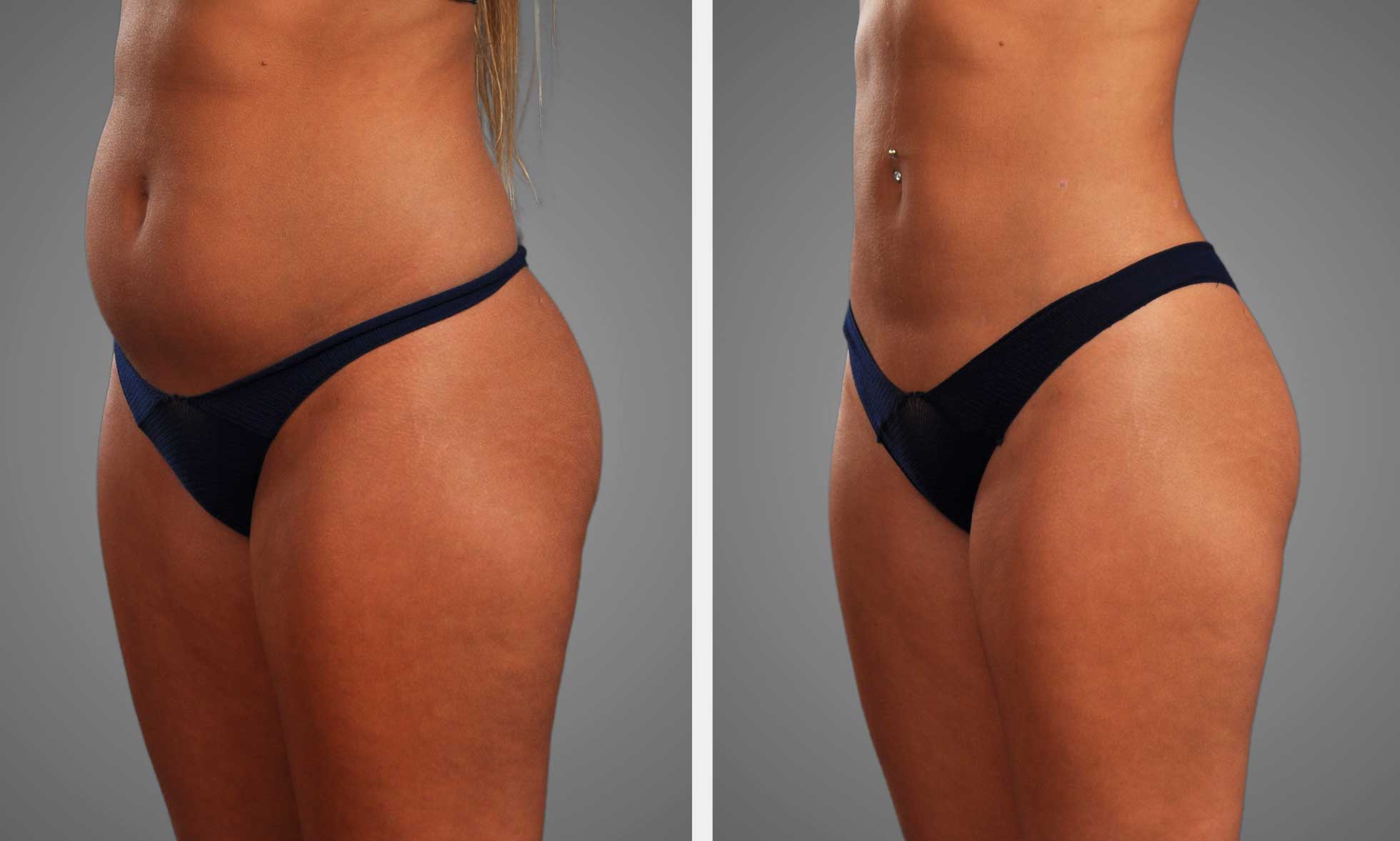
Fat transfer incorporates a patient’s own fat to bring volume back to breasts lost from breastfeeding. It mixes liposuction and grafting so a single procedure both sculpts donor sites and volumizes breasts. Because the body’s own tissue is used instead of synthetic material, results frequently look and feel more natural. The method provides both body contouring and breast enhancement in one sitting, which a number of moms appreciate.
1. The Concept
Fat grafting is the transfer of fat from one part of the body to another. Only purified healthy fat cells are selected and transferred.
It’s less invasive than some implant surgeries. Liposuction removes fat, then the tissue is prepared to separate out live fat cells.
This method doesn’t leave any foreign material in the body. That eliminates implant-related risks and keeps the result closer to natural anatomy.
2. The Process
The process involves liposuction to fat purification and cautious injection of the breasts. Lipo can target your stomach, flanks, or thighs with as many areas as are required.
Local or general anesthesia is administered, depending on patient preference and the surgeon’s plan. The procedure usually lasts a couple of hours.
Post-harvest, fat is purified and concentrated to eliminate fluids and traumatized cells. Surgeons inject tiny amounts in layers to support blood supply and help fat survive.
3. The Goal
The goal is to bring back that lost post-breastfeeding volume. Many patients are looking for understated, proportional change, not dramatic growth.
Fat transfer can help refine the shape and symmetry of the breasts. Patient-directed goals determine how much fat is positioned and where.
It’s more about getting a balanced look that fits the body. Because transferred fat is natural tissue, results move and age with the body.
4. The Difference
Compared with implants, fat transfer sidesteps risks like rupture or capsular contracture. There is less chance of visible scarring on the breast because injections are small.
Results are softer and move naturally. Transferred fat can be partially reabsorbed during the initial 3 to 6 weeks. The rest is typically permanent.
Method matters for survival. Gentle processing and placement reduce graft loss. There’s no indication that fat transfer increases the risk of breast cancer, and it can enhance skin texture and fine wrinkles.
5. The Adaptation
Transferred fat becomes incorporated into your existing breast tissue by developing a blood supply and accommodating to surrounding tissue. A few cells succumb early. Those that live go on to differentiate and remain.
Patients are advised to discontinue specific foods and supplements one week prior to surgery. They should refrain from low-carbohydrate or fasting diets for one month following the procedure and avoid rigorous physical training for approximately four weeks.
Plan for approximately two weeks of downtime, though many are back to work sooner.
Your Candidacy
Fat transfer for breast volume post-breastfeeding is a great option for some moms, not others. Here, we outline the primary considerations around candidacy, the boundaries of fat transfer, and the typical motivations of moms.
Postpartum Timing
Wait until breastfeeding is far behind you before any surgical planning. Hormonal and glandular breast changes can persist for months after you cease nursing, and acting too quickly can yield irregular or unsatisfying outcomes. Most surgeons advise allowing breasts to settle a minimum of three to six months post-lactation, but a lot of women discover more optimal timing at six to 12 months when shape and size become more consistent.
Monitor your weight and breast changes throughout the time. If you experience significant weight fluctuations, wait until your weight has been stable for a minimum of three months before booking. For the majority of moms, qualifications typically arrive between six months to a year after completing nursing, but should be evaluated on a case-by-case basis.
Body Composition
Candidates must have sufficient donor fat in other areas to harvest and transfer, with the most common harvest sites being the abdomen, flanks, and thighs. Super lean people or those who are low in body fat might not make the cut because there just isn’t enough to harvest.
Fat transfer typically provides a subtle size enhancement, so it’s not the best choice for individuals wanting something more transformative. Anyone with previous breast implants or surgery can be considered, but planning must factor in scar tissue and implant placement.
Checklist to self-evaluate suitability:
- Do you have stubborn pockets of fat in your belly, hips, or thighs?
- Are you in a healthy BMI range for elective surgery?
- Do you desire a subtle, natural-looking enhancement instead of a big enlargement?
- Have you completed breastfeeding and allowed breasts to settle?
Take this checklist as a first pass. A surgeon’s exam and imaging will make the final determination.
Health Status
Good health lowers surgical risk and helps maintain your graft. Situations that increase risk or affect healing include uncontrolled diabetes, serious heart or lung disease, bleeding disorders, and severe immune disorders.
Smoking damages fat survival and wound healing, so quit at least a few weeks before and after surgery in almost all cases. Stable weight is important because big swings can alter breast shape and ruin your results over time.
Medication review, chronic condition management, and realistic lifestyle alterations lead to positive outcomes. A detailed consultation with a board-certified plastic surgeon will evaluate these issues and verify candidacy.
The Procedure
Fat transfer for breast restoration after breastfeeding is a three-step surgical process: fat harvesting, fat processing, and fat injection. The procedure section below details the journey from consult to recovery, what occurs on surgery day, team roles at each stage, and timing expectations. This provides a reality check for the process, the hours required, and the logistical details that resonate with hectic families.
Consultation
The initial evaluation records goals, examines breast and donor-site anatomy, and reviews medical history including pregnancies, breastfeeding timeline, and any prior surgeries. Imaging or simple measurements are used to map available donor fat and set realistic volume goals.
Photographs often document baseline shape for planning and follow-up. Risks, benefits and what to expect are discussed such as some fat resorption and staged grafting for larger volume increases. Recovery time and usual changes, including swelling, bruising, and tenderness, are discussed so expectations align with probable outcomes.
Questions and goals to bring to the consultation:
- Desired shape and approximate size increase
- Areas of body available for fat harvesting
- Prior surgeries or medical conditions
- Tolerance for staged procedures if more volume is needed
- Concerns about scarring, breastfeeding future, or anesthesia
Operation
Sequence: local anesthesia with sedation, targeted liposuction to harvest fat, processing of the fat to remove fluid and damaged cells, and precise fat injection into the breasts. The entire procedure generally takes 2.5 to 4 hours depending on how much is harvested and grafted.
Liposuction incisions are small and hidden where possible, such as in natural creases. Specialized cannulas gently harvest fat to maximize cell survival. Fat is processed typically by low-speed centrifuge or filtration to concentrate healthy cells prior to reinjection.
Fat is injected with tiny syringes into several planes and different depths to provide even distribution and structural support. Surgeons layer tiny aliquots to enhance survival. This accuracy minimizes clumping and aids in controlling resorption. For patients requesting larger volumes, staged fat grafting sessions spaced months apart are advised.
Post-Operation
Patients are transferred to a recovery area where they are monitored until the sedatives subside and their vital signs stabilize. Anticipate swelling, bruising, and soreness both at donor sites and breasts, and some asymmetry initially, which is completely normal.
Donor sites should be wrapped with compression garments to minimize swelling and help maintain contour. For breasts, avoid tight bras that squeeze grafted fat.
Post-operative care instructions:
- Rest for 48–72 hours; gradually increase light activity
- Avoid strenuous exercise for 4–6 weeks
- Sleep on your back with your head elevated for one week.
- Maintain cleanliness and dryness of incision sites. Follow wound-care steps.
- Follow-up – Attend all follow-up visits to check on healing and retention.
Watch for complications: fever, increasing pain, large swelling, redness that spreads, or unusual drainage—report these promptly. Final results tend to emerge at about a month. Scars fade over the course of several months up to a year.
Recovery Journey
Recovery after a fat transfer to the breasts starts with clear timing and dependable milestones. Anticipate approximately three days of bed rest, followed by several weeks of a limited schedule. Most patients schedule at least three days to two weeks of downtime before light daily tasks.
Return to work varies. Someone with a desk job may be able to go back after a weekend, while those with active duties should allow more time. Wait a minimum of six months after you deliver before any elective procedure to let the hormones and nursing settle.
Immediate Aftercare
Rest and upper body restriction in initial days. No picking up kids, heavy groceries or vigorous reaching. Take it easy for 72 hours, then gradually increase activity over the following one to two weeks.
Cold compresses help control swelling and bruising and should be used for 10 to 20 minutes every waking hour during the first 48 to 72 hours and then as needed. Clean and dry incision sites daily with mild soap and water, pat dry and no creams unless your surgeon allows.
Wear any compression garments or supportive bras as directed to assist graft take. Sleep on your back, with pillows to keep you slightly elevated and off pressure from the graft sites. Adhere to antibiotic, pain, and anticoagulation instructions precisely.
Call your clinic immediately for fever, severe pain, or infection, such as increasing redness or drainage.
Long-Term Healing
Its final form emerges not days but months later. Anticipate incremental improvement as swelling subsides and grafted fat builds blood supply. Angiogenesis expands in the weeks following when you carefully reintroduce exercise, usually after a couple of weeks.
Some early fat loss is to be expected. Surgeons tend to overfill a bit since a certain amount of transferred fat doesn’t survive. Taking pictures every 2-4 weeks allows you and your surgeon to specifically track subtle changes and set expectations.
How quickly you heal varies on your general health, how much fat was transferred, and how well you adhered to aftercare guidelines. No smoking and stable weight are important; we want these grafts to live!
If lactating, delay until after nursing has ceased and is hormonally stabilized. This minimizes risk and makes results more predictable. Report any new, unexpected lumps or extended hardness or asymmetry to your provider, as many problems can be dealt with conservatively if detected early.
Hormonal Influence
They aren’t accounting for the hormonal shifts after pregnancy that alter how the body stores and maintains fat and that impact fat transfer results for breasts. Estrogen, cortisol, and other hormones affect the survival of grafted fat. Estrogen encourages fat to stick around and helps the graft ‘take’ with local tissue.
Research demonstrates that women retain more transferred fat than men at a six-month interval. A 2019 Journal of Cosmetic Surgery paper discovered patients with balanced hormone levels achieved superior results. A 2015 animal study similarly observed significant hormonal shifts following fat transfer, highlighting the importance of equilibrium.
Hormonal fluctuations from breastfeeding and early postpartum can change the way your breast tissue and fat behave. Thus, waiting until levels normalize provides a clearer baseline for surgery and planning.
Metabolic State
Your individual metabolism determines how much of the transferred fat remains. Faster metabolisms may burn grafted fat more quickly, while slower metabolisms may conserve volume. A stable, nutrient-dense diet and consistent exercise aid tissue repair and graft survival by providing energy and minimizing inflammation, respectively.
Weight swings—gain then loss—cause fat cells to fluctuate in size, which modifies breast contour post transfer. Metabolic factors that can influence long-term results include thyroid function, insulin sensitivity, prolonged stress which increases cortisol, medications, and age-related metabolic slowdown.
Check lab values if indicated, and strive for a weight stable within 3 to 5 percent of target weight both pre- and post-operative.
Fat Cell Behavior
Injected fat cells act just like normal breast fat. Once engrafted and vascularized, they grow with weight gain and atrophy with loss. Ultimate volume relies on both initial graft take and later weight fluctuations.
Avoid crash diets and big weight drops in the months following surgery to safeguard cells as they revascularize. Fat cell survival dictates long term breast size, so if there is partial loss, fullness can be diminished and sometimes requires touch up grafting.

A patient who loses 7–8% body weight within months may notice obvious volume loss, while someone who keeps a steady weight often sees more stable results.
Lasting Effects
The effects can be sustained with balanced hormones, consistent weight maintenance and healthy skin. A small percentage of patients require a single touch-up to achieve their preferred level of fullness after the initial resorption.
Key habits to help maintain results:
- Keep weight steady within a small range
- Consume a diet high in protein and good fats.
- Manage stress to avoid high cortisol
- Avoid smoking and limit medications that affect hormones
- Time surgery after breastfeeding and hormonal stabilization
Even when fat grafts survive, aging and gravity still alter breast shape.
Realistic Outcomes
Breast volume lost after breastfeeding can be naturally restored with fat transfer. The difference is generally subtle as opposed to striking, with the majority of individuals experiencing effects that meld with their native tissue. Timing, skin quality, and how much fat can be harvested all influence the outcome.
Volume Restoration
Average increases are approximately one cup size, although some individuals gain slightly less or slightly more. Dramatic enhancements like implants are rare. Fat grafting is ideal for subtle gains and women who want to keep it real.
Results depend on how much donor fat is present and the surgeon’s method. Just a few women require multiple treatments to achieve their desired result, which extends the timeline and introduces downtime in between treatments.
Recovery involves swelling, bruising and soreness for the initial week, while retained graft volume stabilizes over months. We recommend waiting six months after weaning because you want the hormones and body to settle down, and to avoid lactation-related changes.
Fat reacts to weight too—massive gain or loss will change breast size down the road.
| Body Type | Typical Gain (approx.) |
|---|---|
| Slim | 0.5–1 cup |
| Average | 1–1.5 cups |
| Curvy | 1–2 cups |
These averages aid in setting expectations and are not assurances. Take advantage of your surgeon’s before-and-after photos that correspond to your body type to see what changes are inevitable.
Shape Enhancement
Fat grafting enhances contour, softens the chest-to-breast transitions and can subtly augment cleavage. It is able to fix minor sagging and smooth asymmetry by restoring volume where necessary. Shaping is personalized to your anatomy.
The surgeon positions fat to equalize breasts, add upper pole fullness, or fill areas deflated by nursing. Typical cosmetic objectives include regaining pre-pregnancy volume, smoothing contour irregularities, enhancing symmetry, and creating a softer, more natural feel compared to implants.
Fat transfer can be paired with a breast lift or other ‘mommy makeover’ procedures for more comprehensive reshaping.
Longevity
Most results persist for years if weight remains stable and there are no significant hormonal changes. The transferred fat that survives the graft process is now permanent breast tissue, but overall size can still go up and down with weight gains and losses.
Touch-ups are optional and occasionally advised for lower-than-expected initial graft survival. Key habits to help maintain results include keeping weight steady, avoiding smoking, following post-op care, and delaying surgery until at least six months after breastfeeding ends.
The breast’s shape, density, and feel can continue to evolve, so track changes with photos and follow-up visits.
Conclusion
Fat transfer provides an obvious solution for moms who lost breast or body volume after breastfeeding. It’s your own fat, so it feels and looks like you. Stable weight candidates with realistic goals experience the most optimal results. Anticipate a brief surgery, mild to moderate swelling, and incremental improvements over months as the graft stabilizes. Hormone shifts can influence timing and long-term shape, so schedule once your hormones are settled and your weight has stabilized. Our real stories display natural results, increased confidence, and not dramatic change. To discover your way, choose a board-certified surgeon, request before and after pictures, and schedule a timeline that matches your life. Book a consult to leave with a custom plan just for you.
Frequently Asked Questions
What is fat transfer and how does it restore volume after breastfeeding?
Fat transfer takes your fat via lipo and injects it into breasts or places that lost fullness. It restores natural shape and feel with no implants. Results vary depending on surviving fat cells and surgical expertise.
Am I a good candidate after breastfeeding?
The best candidates are healthy, at a stable weight, and have been done feeding for at least 3 to 6 months. You shouldn’t be pregnant and have reasonable expectations. A consult with a board certified plastic surgeon confirms candidacy.
How long does the fat transfer procedure take and is it painful?
The operation typically requires 1 to 3 hours and is done under local or general anesthesia. Surgeons employ methods to reduce pain. Most patients feel mild to moderate discomfort, which is managed with prescribed medication.
What is the typical recovery timeline?
Anticipate 1 to 2 weeks of downtime and bruising. Swelling from it can persist for weeks. Most individuals resume normal activities within 2 to 4 weeks and full exercise at 4 to 6 weeks under surgeon guidance.
How long do results last and will I need repeat treatments?
Because a good number of the transferred fat cells live forever, you end up with durable volume. Resorption of 10 to 40 percent is common. A touch-up procedure may be advised to attain the desired volume.
Will hormonal changes after breastfeeding affect results?
Hormonal shifts alone don’t obliterate transferred fat. Pregnancy, significant weight changes, or hormonal changes after can cause breast size to change and impact long term results.
Are there risks or complications I should know about?
Risk of infection, asymmetry, lumps, fat necrosis, and contour irregularities. The best way to minimize risk is to select a skilled, board-certified surgeon. We will discuss all concerns at your consultation.