Directions
 Call Us
 Email Us



Key Takeaways
- Body dysmorphia is a mental health disorder characterized by obsessive focus on perceived flaws and repetitive behaviors. Early recognition can prevent unnecessary cosmetic procedures.
- While liposuction might feel like a magic cure, it rarely addresses the psychological anguish and can actually worsen unhappiness if expectations are unrealistic.
- Screen for dysmorphia, require psych clearance, and put health ahead of profit before signing off on elective cosmetic surgery.
- Care that is collaborative between surgeons, therapists, and primary care providers helps everyone manage expectations and supports safer decision making.
- Non-invasive interventions like CBT, medication if necessary, and self-love are important first steps.
- Before any procedure, create a clear plan. Complete a psychological evaluation, set realistic outcome goals, document informed consent, and schedule follow-up mental health support.
Liposuction and body dysmorphia understanding boundaries details the intersection of cosmetic fat removal and body image disorders. It addresses mental health indicators, medical benchmarks, and ethical boundaries for physician and patient.
It discusses when surgery may alleviate or exacerbate distress and touches on screening, consent, and multidisciplinary care. It’s all aimed at giving you clear guidance for safer choices and better results in aesthetic care.
Defining Dysmorphia
Body dysmorphic disorder (BDD) is a mental health disorder characterized by an obsessive focus on one or more perceived flaws in appearance, which are frequently minor or unnoticeable to others. These obsessions cause significant distress and interfere with functioning. BDD typically starts in adolescence and impacts individuals of all genders.
It is estimated to affect approximately 1 to 2 percent of the population, and research indicates as many as 15 percent of those seeking cosmetic procedures may have undiagnosed BDD. Early recognition matters: untreated BDD raises the risk for severe distress, social withdrawal, and suicidal thoughts, with up to 80 percent reporting such thoughts and roughly 25 percent attempting suicide.
The Obsession
Intrusive thoughts about appearance can consume existence. Such thoughts are intrusive and sometimes run on for hours, seriously impacting one’s ability to function at work, school, or in personal relationships. Instead, the attention frequently hones in on subtle things — a small asymmetry, the surface of the skin, an impression of heaviness — or on characteristics that no one else observes.
These aren’t passing concerns — they’re difficult to dismiss and withstand, and they tend to spike before social events or when gazing into mirrors and photos. For most with BDD, the mental time devoted to appearance matches or outpaces the time invested in other activities, and it can intensify as time goes on without assistance.
The Compulsion
Compulsions are behaviors you repeat to ease the anxiety caused by the obsessions. Compulsive grooming, mirror checking, changing outfits, camouflaging with makeup or clothes, skin picking, and incessant reassurance seeking are common. These behaviors can seem compulsive in the moment but do not cease the intrusive thoughts, and they can quickly take over hours.
These compulsions can disrupt work, school, or social life and cause individuals to avoid activities such as exercising or dating.
| Common Compulsive Behaviors |
|---|
| Mirror checking frequently |
| Excessive grooming |
| Skin picking or covering |
| Seeking reassurance |
| Comparing to others |
| Avoiding photos or mirrors |
The Disconnect
BDD sufferers view themselves differently than others view them. This warped self-image continues even in the face of reassurance from friends, family, or clinicians, and in spite of objective evidence to the contrary, like clear photos or neutral feedback.
This disconnect frequently results in isolation, as social environments provoke shame and apprehension of criticism. That misperception can fuel repeated trips to cosmetic providers and an intense yearning for surgical solutions like liposuction, even when such procedures are unlikely to alleviate the underlying distress.
Cognitive-behavioral therapy has been beneficial, with 50 to 80 percent of patients reporting significant improvement, highlighting the importance of treating the disorder prior to surgical intervention.
The Liposuction Lure
Liposuction is seductive because it guarantees tangible, quantifiable transformation in a brief period. For individuals tormented by their appearance, a targeted attack that extracts fat from chosen battlefields can seem like power reclaimed. Certain individuals contend with nagging defects that consume their day, and the fantasy of a single medical act terminating that obsession is potent.
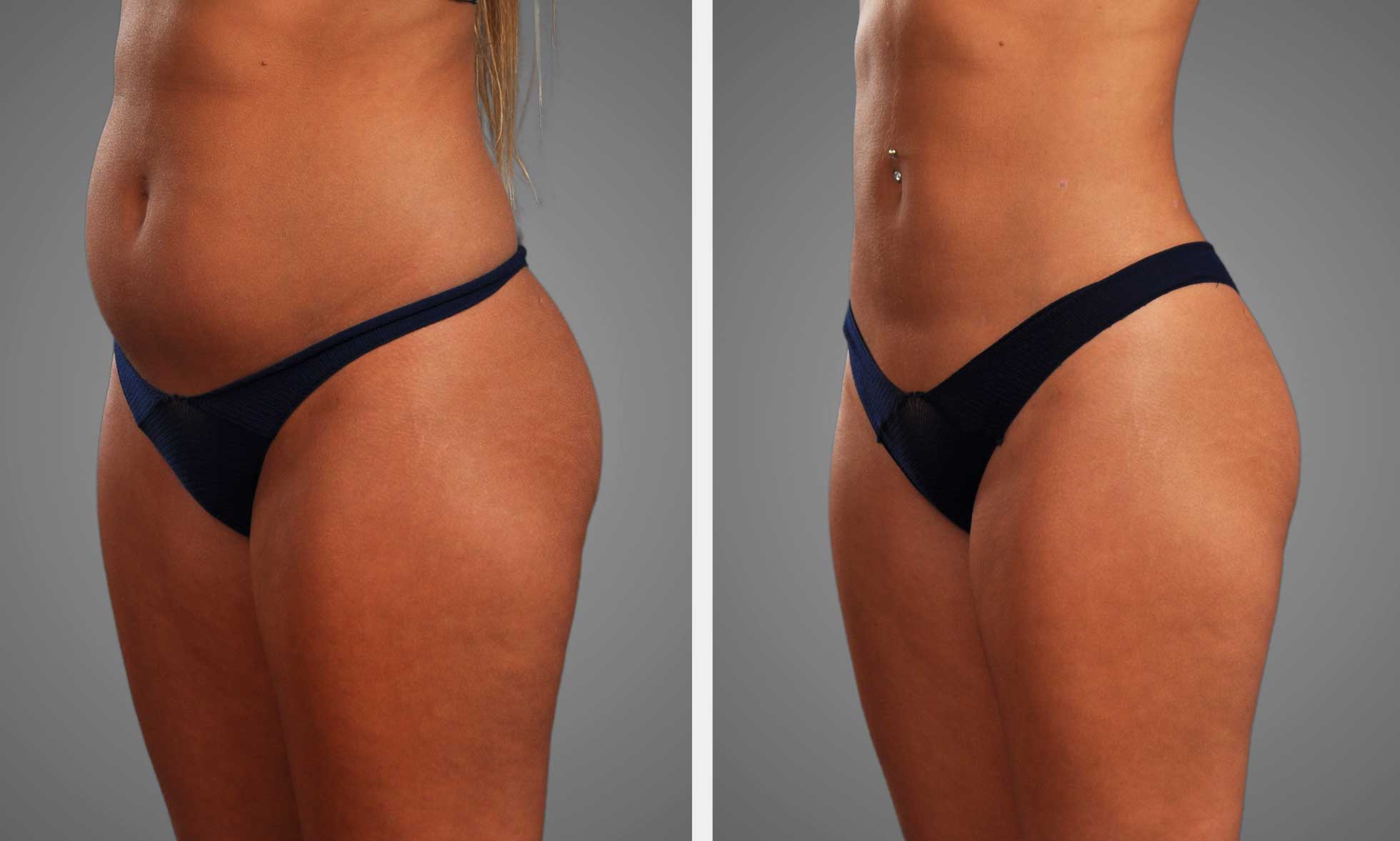
Clinics and ads compound this by displaying before-and-after photos, making the journey from discontent to transformation appear straightforward and assured.
Perceived Flaws
Most want liposuction for defects only they observe. A minor protruberance or slight asymmetry or sagging skin can appear huge when viewed through the distortion of anxiety. These ‘flaws’ may be overblown in the mind, they say.
They’ll spend hours a day camouflaging or compensating for what they perceive. Surgical results may not match internal expectations. The body can look different, yet the sense of defect persists.
Make a short list of common perceived flaws that prompt requests: fat pockets on the abdomen, love handles, inner-thigh fullness, double chin, uneven flanks. Doing so helps to see patterns and how many worries fall within a tight cluster rather than being distinct disasters.
Societal Pressure
Media and cultural standards set very slim ideals as the norm. Social media magnifies comparison by placing curated images next to real life, and algorithms inject those aspirational bodies into feeds over and over again.
Family and friends can pile on—remarks about weight or how clothes fit, even with the best intentions, push choices. This combination makes cosmetic transformation feel like the natural progression.
Social pressure multiplied by a moving target can push individuals toward unneeded interventions when the actual problem is a changing norm, not the body.
The Quick Fix
Liposuction sells immediacy: visible contour changes in weeks rather than months. That allure is understandable, but shortcuts are the opposite of the gradual effort of cultivating a healthy body image.
Sustainable transformation usually requires counseling, habit changes, and community, not simply surgery. Quick fixes don’t often penetrate to those deeper aching issues, and for some, surgery works, but for others it merely introduces new regrets about results, complications, or lingering dissatisfaction.
Studies indicate that approximately 30% of individuals with BDD believe worse after surgery, and up to 15% of people seeking cosmetic surgery have undiagnosed BDD. Yet, a year post-surgery, numerous mild-to-moderate BDD patients indicate remission and strong satisfaction, implying results differ.
Consider the dangers, the probability of permanent gain, and if the issue is superficial or based in more fundamental upset before deciding on surgery.
Ethical Boundaries
Ethical boundaries determine how clinicians navigate patient autonomy, safety, and professional responsibility in offering liposuction to patients with potential BDD. They have to make clear that informed consent depends on a patient being able to comprehend risks and benefits. Allegiance to patient welfare trumps business concerns.
1. Proper Screening
Require deep psychological screening prior to surgery approval. Such a comprehensive evaluation assists in determining whether your anguish has its roots in a mental health issue that can be addressed instead of a surgical intervention.
Use standardized screening tools to identify signs of dismorphia, such as the Body Dysmorphic Disorder Questionnaire (BDDQ) or structured clinical interviews tailored to local practice.
Mandate recording of screening results in patient records. Notes should capture tool results, who evaluated, and follow-up plans.
Develop a pre-surgical psych eval checklist that covers symptom duration, functional impairment, prior treatments, social media usage patterns, and informed consent capabilities. This checklist ensures consistent practice across clinics and allows for clear auditable decisions.
2. Surgeon Responsibility
Hold surgeons responsible for identifying red flags of body dysmorphia. Red flags are obsessive focus on perceived flaws, numerous ‘suggestions’ for cosmetic treatments, and still feeling bad after several.
Direct surgeons to turn down operations when mental health hazards exceed advantages. The refusal should be noted with clinical reasoning related to patient safety and informed consent principles.
Require surgeons to take continuing education on psychological disorders and social media’s impact on body image. Push surgeons to cultivate candid, transparent dialogue with patients, emphasizing that fidelity to the patient is not merely acquiescing to requests but acting to safeguard their long-term health, even if that involves refusing to operate.
3. Psychological Clearance
Institute psychological clearance as a prerequisite for elective cosmetic procedures when screening shows risk. Consult with mental health experts to determine patient preparedness, employing transparent standards like balanced mood, condition awareness, and pragmatic expectations.
Capture clearance decisions and reasoning in medical records so the record reflects the justification for proceeding or postponement. Ensure that clearance is based on comprehensive evaluation, not just brief interviews.
Comprehensive evaluation should include history of psychiatric treatment, current functioning, and whether non-surgical options were tried.
4. Managing Expectations
Establish reasonable expectations for surgical results with each patient. Address possible limitations and risks upfront prior to any treatment and utilize diagrams or before and after photos to visualize the anticipated outcome.
Prompt patients to write their hopes and concerns as a way to demonstrate comprehension. Informed consent should include frank discussion of outcomes and the potential that surgery will not alleviate underlying suffering.
5. Collaborative Care
Encourage collaboration among surgeons, therapists, and primary care providers to construct comprehensive care plans encompassing both physical and mental health.
Discuss relevant patient information while respecting confidentiality and get permission for clinician-to-clinician contact. Regular follow-ups should be scheduled to monitor patient well-being after surgery and adjust care accordingly.
Unmet Expectations
Too often patients want surgery to fix underlying emotional or ego issues. Surgical transformation is about the physical body, not the soul. Results are dictated by healing, swelling, and perspective. Nearly 30% of patients have post-op blues. Their swelling and bruising can mask the final contours for weeks, so the visual feedback they’re getting doesn’t always match their hopes.
This gap can fester frustration and prolong a period of ambivalent feelings.
Post-Surgery Reality
Get patients ready for the emotional adjustment that frequently reaches its highest intensity in the first few weeks to three months. Anticipate hormonal fluctuations and mood swings for others, as many as 30% suffer from significant emotional trauma, including anxiety or even postoperative depression.
These responses may arise even when the surgery is technically successful as the brain reconciles a new body image with deep-rooted beliefs. Expected outcomes may not align with actual outcomes. Swelling and bruising can hide the ultimate result, asymmetry takes time to subside, and small contour irregularities may linger.
Even if surgeons accomplish the intended transformation, patients can experience remorse or disappointment if their internal measure hasn’t moved. Regret may manifest as impatience, increased inspection of the treated zone, or obsession with other imperfections.
Maintaining a recovery journal of your daily feelings and photos is helpful for perspective. Notes show patterns: many report an initial mixed response that settles in days, but unmet expectations can prolong discomfort. By tracking mood as well as physical healing, clinicians and patients can get a sense of when distress is transient or when additional assistance is warranted.
The Cycle Continues
For others, one failed result breeds more work. Multiple surgeries can become a cycle where each surgery temporarily alleviates anxiety but doesn’t change the underlying bad self-image. This creates a loop where the desire for change leads to surgery, resulting in brief relief followed by renewed dissatisfaction.
Every additional round adds more financial burden, physical danger, and emotional stress. Scarring, repeated anesthesia exposure, and diminishing returns can pile on the letdown. Long-term data reveal that some 19% of women report unhappiness at follow-up.
Psychological gains tend to plateau around nine months and can erode without continued habits such as exercise, social support, or therapy. A simple flowchart illustrates the cycle: perceived flaw leads to surgical solution sought, followed by healing period with possible blues, then temporary satisfaction or renewed concern, and finally desire for further correction.
Breaking the cycle requires clear boundaries: pre-op psychological screening, setting realistic timelines for final results, and planning non-surgical supports.
| Common Unmet Expectations | Consequences |
|---|---|
| Immediate perfect look | Prolonged distress |
| Lasting mood lift | Repeat surgery requests |
| Resolution of unrelated insecurities | Relationship strain |
A Better Path
Dealing with body dysmorphia prior to liposuction minimizes damage and enhances long-term health. Non-surgical care can transform someone’s self-perception, reduce compulsions, and reduce uncertainty around deciding to get surgery and do so safely.
Therapeutic Routes
CBT is the gold-standard, evidence-based treatment for BDD. CBT teaches people how to identify warped thinking, verify beliefs with reality checks, and transform the habits that feed rumination. Studies indicate that 50 to 80 percent of BDD sufferers experience significant improvement within weeks with CBT techniques.
Group therapy and peer support bring practical advantage. Groups give feedback on warped views and combat isolation. Examples include a weekly CBT skills group, peer-led support meetings, or online moderated groups tied to licensed clinics.
These environments allow students to complete exposure assignments and receive in vivo feedback prior to any make-up assignment. These are the skills of mindfulness and self-reflection, which bolster awareness of urges and decrease reactivity.
Easy practices, such as body scans, quick breath pauses, and journaling emotions in front of a mirror, construct tolerance for pain. Over time, these habits reduce compulsive scrolling and vanity.
Create a clear resources list: local CBT therapists, online CBT modules, group schedules, mindfulness apps, and crisis contacts. Add accessibility notes, like sliding scale and telehealth.
Medical Support
Medications can relieve primary symptoms for the majority of individuals with BDD. SSRIs are the usual course, and 50 to 80 percent of medicated patients benefit. Start with a clear plan: target symptoms, expected timeline, and measurable goals.
Track progress and side effects on a schedule. Weekly check-ins early on, then monthly reviews monitor sleep, mood, and any negative side effects. Utilize standardized scales for BDD symptom severity to maintain your records as objective as possible.
Yes, mix meds with therapy for more powerful results. They realized that the best outcomes often arose from combining SSRIs with CBT or other structured psychological work. Drugs can reduce anxiety just far enough to allow therapy to advance.
Keep a structured log: date, mood rating, urge intensity, medication dose, therapy tasks completed, and setbacks. Take the log into clinical visits and make decisions about next steps.
Self-Compassion
It’s this self-kindness that helps shift the internal tenor that propels the pursuit of surface-level solutions. Preach small, chantable mantras to deflect negative self-speak and embrace kindness following a stumble.
Work on your positive self-talk and confront your negative thoughts every day. Start with brief tasks: name three things your body allowed you to do today or replace a critical thought with a factual one.
Establish limits around those people and media that spark comparison. Restrict time on photo-laden apps, mute shaming accounts, and inform trusted friends which comments are off limits.
Daily exercises: a two-minute breath pause, a short gratitude list, a gentle movement session, and mirror work that focuses on neutral description rather than value. Little things accumulate and sustain persistent transformation.
The Mirror’s Truth
Body image and surgical decisions collide at the juncture where self-image cedes to clinical intervention. Knowing that you’re not your appearance is important in liposuction. Body Dysmorphic Disorder afflicts roughly 1 to 2 percent of the general population, leading them to pursue endless cosmetic alterations without cure. If they think their worth depends on one body part, liposuction might solve a cosmetic problem but not the aching.
That difference is significant because surgery transforms flesh, not ideologies. Think beyond your appearance about what you’re good at and what you’ve accomplished to develop a more expansive identity. Consider a short list of skills, roles, and wins, such as work projects finished, caregiving, creative efforts, or learning efforts.
For instance, pay attention to a promotion, consistent friendships, money-handling skills, or a hobby honed through the years. These tangible objects assist in redirecting attention from the way you look to how you work. BDD sufferers might spend hours trying to perfect their hair, makeup, or skin care regimen and still not be content.
Tracking non-appearance achievements disrupts that cycle and provides immediate validation that value is a product of what you do and the difference you make. Challenge distorted beliefs each time they arise by testing them against facts. If a thought says “I’m ruined because of this bulge,” ask what evidence supports and opposes it.
Use simple experiments: change clothing style, get objective photos from different angles, or ask a trusted friend for honest feedback. Standardized tools, such as the Body Dysmorphic Disorder Questionnaire (BDDQ), help identify when worries cross into clinical territory. Professionals evaluate preoccupation, repetitive behaviors, and impairment in social or work life.
Nearly 1 in 10 people with body dysmorphia seek cosmetic surgery, yet surgery often fails to resolve the repetitive thoughts and shame that define BDD. Maintain a gratitude journal dedicated to qualities that aren’t physical to build a habit of perceiving worth outside of appearance. Write three brief entries daily: a personal strength, a kindness received or given, and one task done well.
Over weeks, this generates real notes to revisit when concerns about appearance arise. Body Dysmorphic Disorder was first described in medical texts as early as the late 19th century and was introduced into the DSM-III in 1980. The DSM-V updated criteria in 2013 to better facilitate diagnosis.
Clinicians rely on history, questionnaires, and functional impact to direct safe treatment. If repeated cosmetic requests or intense preoccupation arise, see a mental health expert prior to surgery. This approach helps individuals select treatments from a place of equilibrium, not from a place of filling a self-esteem void.
Conclusion
Liposuction will change a body. It doesn’t change how you see yourself. Body dysmorphics often pursue fixes that emphasize shape, not the underlying concern. Surgical steps are most effective when they follow transparent mental health care, candid conversation, and achievable objectives. A good plan combines medical screenings, a strong session with a psychotherapist, and an easy list of results that count. For instance, a patient who monitors mood and body-imagery thoughts pre-surgery experiences more defined improvements. Someone else who engages in brain work and tiny behavior steps instead finds escape without additional operations. Pursue care that honors body and mind. Consult a trusted physician and a mental health professional before you make any appointments.
Frequently Asked Questions
What is body dysmorphic disorder (BDD) and how does it relate to liposuction?
Body dysmorphic disorder is when someone is obsessed with perceived imperfections. It can fuel incessant liposuction demands without resolving the underlying turmoil.
How can surgeons screen patients for BDD before liposuction?
Surgeons employ interviews, validated screening tools, and search for unrealistic expectations or excessive preoccupation. Referral to a mental health specialist is indicated when body dysmorphic disorder is suspected.
Can liposuction fix body image problems caused by BDD?
Liposuction alters body contour but does not address the warped self-perception or anxiety of BDD. Psychological treatment is what works in the long run.
What ethical boundaries should providers follow when assessing candidates?
Clinicians need to put the patient’s safety first, decline to perform procedures when harm is probable, document informed consent, and suggest a mental health consultation if cases are high risk.
What should someone expect emotionally after liposuction?
Certain patients are happy, but dysmorphics often feel just the same or worse. Anticipate the emotional spectrum and arrange for counseling if necessary.
When is it appropriate to seek therapy instead of surgery?
Seek therapy when distress, compulsive behavior to change appearance, or repeated requests for procedures interfere with life. Therapy can get to the cause and therefore, it can stop unnecessary surgeries.
How can loved ones support someone considering liposuction with possible BDD?
Hear them out without judgment, support their getting a professional mental health evaluation, and assist them in locating reputable clinicians. Don’t perpetuate toxic appearance-based ideology.