Directions
 Call Us
 Email Us



Key Takeaways
- Fat transfer uses the patient’s own tissue. The result feels softer and blends naturally with surrounding tissue, with less risk of rejection or foreign body reactions.
- Transferred fat is incorporated at the cellular level and is able to grow its own blood supply. This allows for permanent, consistent volume that moves with expression or skin.
- Adipose contains stem cells and growth factors that tend to improve skin texture, elasticity, and scars while restoring volume.
- Technique matters. Gentle harvesting, careful processing, and precise microinjection placement increase fat cell survival and produce smoother, more natural-looking outcomes.
- Patient factors like metabolism, skin elasticity, weight stability, and lifestyle play a role in how much fat persists and the longevity of results. Good taste and good technique make for better survival.
- Anticipate an initial period of some resorption, swelling, and bruising followed by an equilibrium of about three to six months when surviving fat creates soft, enduring, natural contours.
Fat transfer gives you that softer natural look since it uses the patient’s own fat to add volume and smooth out contours. It minimizes allergic reaction risk and generates subtler changes that are in keeping with skin texture and movement.
Fat is injected in thin layers for uniform assimilation and more durable results than certain fillers. Recovery is typically brief and scarring is minimal.
The following sections discuss technique, candidacy, risks, and results.
The Natural Advantage
Fat transfer uses a patient’s own fat tissue as the filler. It carries a lower risk of rejection or foreign body reactions than implants or synthetic fillers. It’s autologous in that the matter is taken from liposuction of one region or another, so the volumizing tissue already belongs to the patient’s own body. This reduces immune reaction as well as many implant issues.
For breast work, this translates into a more natural feel and a reduced chance of capsular contracture or implant rejection because there is no foreign shell.
1. Biocompatibility
Autologous fat grafting eliminates the allergen and foreign-material components. Relying on a patient’s own fat eliminates standard allergy concerns associated with man-made goods. The body usually takes the grafted fat as its own, so it melds instead of perches.
This mixture reduces the chance for chronic implant issues and generally results in fewer complications after surgery. Patients who opt for fat for breast or facial enhancement often experience easier recoveries and fewer touch-ups for revision work.
2. Tissue Texture
Transplanted fat more approximates the suppleness and compliance of native tissue. Facial fat transfer and breast augmentation result in an outcome that is flexible, flows with your expression and sidesteps the stiff, occasionally artificial vibe of silicone or saline.
Fat injections flow with the natural movement of skin and muscle, keeping expressions looking natural and unaltered. They circumvent obvious edges, wrinkling or implant outlines that may present under thin skin.
3. Cellular Integration
Injected fat doesn’t just hang out there. It can integrate with local tissue and develop a blood supply, trading in volume for the more stable, lasting volume that successful grafting depends on for the survival and engraftment of cells.
Once fat is integrated, it is involved in normal healing and tissue maintenance. Well-positioned fat that forms circulation will maintain form longer than a moveable implant that can shift or need replacement surgery.
4. Regenerative Qualities
Fat contains stem-like cells and skin-repairing growth factors. Following grafting, patients frequently report increased texture, elasticity, and circulation to skin surrounding treated regions.
These regenerative effects can plump scar tissue and soften fine lines, providing more than just volume. The result can appear and perform refreshed instead of just added on.
5. Contouring Precision
Fat transfer allows surgeons to sculpt with precision. Microinjection methods distribute tiny fat parcels to form smooth contours in cheeks, lips, or breasts.
In breast augmentation, this frequently results in just a cup size increase but with a consistent, natural appearance. About 60 to 80 percent of transferred fat generally survives and 30 to 50 percent gets reabsorbed during healing.
Surgeons are able to fine-tune placement and volume during the procedure for optimal symmetry and retention. Healing is often faster and less prone to complications than implant surgery.
Technique Matters
It’s the advanced fat grafting techniques they use that decide just how soft and natural it will look. Each step, harvest, processing, and placement, impacts how many fat cells survive, how seamlessly they integrate into tissue, and how long the effect endures. Surgeon skill and choice of method are central.
Gentle handling, the right equipment, and layered placement together reduce trauma, lower complication risk, and produce a scar-free, natural contour.
Harvesting
Gentle liposuction utilizes low-pressure suction and tiny cannulas to extract fat from donor sites like the thighs, abdomen, or flanks and maintain cell membranes and small blood vessels. Donor-site selection matters. Choose sites with sufficient healthy fat so as not to overharvest and to provide a good pool of viable cells for grafting.
Harvest technique directly affects quality. Rough, high-suction methods raise cell rupture and lower survival, while careful, low-trauma harvesting yields higher retention.
| Technique | Typical effect on viability | Notes |
|---|---|---|
| Traditional high-pressure suction | Low viability | More trauma, higher cell rupture |
| Low-pressure manual aspiration | Medium-high viability | Simpler, better for small-volume grafts |
| Power-assisted with controlled settings | High viability | Balances speed and care when used correctly |
| Microcannula aspiration | High viability | Minimizes shear stress on cells |
Processing
Post-harvest, fat is refined to separate out blood, fluid and damaged cells. Centrifugation, filtration or closed-system purification all seek to create clean fat to be grafted. More advanced systems create a purer graft and better retention.
Good handling reduces the chances of fat necrosis and cysts by removing debris and compromised tissue. Nano-fat and other refined preparations treat fine lines and skin quality, as they liberate smaller, more regenerative elements and permit more precise placement.
Processed fat is then prepared in syringes for precision injection.
Placement
Placement is inserting fat into the correct tissue planes in minimal quantities. Microinjection techniques deposit small parcels of fat in multiple layers, which simulates natural tissue and stimulates blood supply to each droplet.
This tiered, slow method reduces lumpiness and contour irregularity. Strategic placement, deep for volumizing and superficial for smoothing, encourages integration and survival.
Location and surgeon experience not only determine if 50 to 80 percent of transplanted fat survives, but they also determine how long results persist.
Beyond Volume
Fat transfer is frequently positioned as volume enhancement. It delivers multidimensional enhancement to skin and soft tissue that extends beyond mere volume. The process couples mechanical support with biologic signals that alter how skin appears and acts.
Here’s how fat grafting enhances facial appearance and tissue quality beyond volume.
Skin Quality
Fat transfer by way of regenerative cells located in the adipose tissue improves the texture and elasticity of skin. These cells stimulate the secretion of growth factors that help repair damaged dermal structures and direct new cell growth.
Increased blood perfusion after grafting with formation of new microvessels. Better circulation delivers oxygen and nutrients, creating more collagen and elastin, which leads to smoother, firmer skin.
Regions damaged by the sun, aging or previous surgery can demonstrate quantifiable renewal. For instance, a patient with cheek and perioral sun damage could notice fewer fine lines and a smoother surface once the grafts take.
Most experience enhanced tone and a subtle firming within months. The shift is frequently slow and organic, appearing instead of sudden.
Textural Improvement
Fat injections are a living filler that fill fine lines and deeper creases, level acne scars and surface irregularities. The fat gives volume under indentations and props up the skin above.
This volumizing method replenishes lost fullness in areas like the temples, under-eyes and nasolabial folds, restoring a more supple facial profile. Since it’s the patient’s own tissue, it moves and acts like native skin instead of feeling stiff.
Results generally outlast many synthetic fillers. A portion of the injected fat sticks around permanently, and the regenerative effects linger. Touch-ups are less frequent for most patients.
The final result is a rejuvenated, rested visage without the taut or bloated look that sometimes arises from frequent application of strong fillers.
Long-Term Health
Fat transfer promotes angiogenesis, which is the sprouting of new capillaries, and continual cell communication that fosters tissue vitality. These processes keep the graft and adjacent skin nourished.
Transplanted fat could decelerate visible aging by preserving dermal thickness and bolstering the extracellular matrix. Over time, this can translate into fewer deepening wrinkles and less shadowing in hollows.
In reconstructive cases or post-injury, that extra tissue and its repair signals can optimize scar quality and healing. Fat grafting can decrease contour defects that would otherwise necessitate synthetic implants.
By using the patient’s own tissue, it minimizes the likelihood of foreign body reactions and many implant-related long-term issues.
Patient Factors
Patient factors influence the degree to which fat transfer results in a softer, natural appearance. These impact fat survival, contour smoothness, and result stability. Good pre-surgical evaluation and customized post-surgical priming boost the likelihood of a verifiable natural result.
- Metabolism and weight stability
- Skin elasticity and quality
- Lifestyle habits: smoking, alcohol, nutrition
- Age, hormonal balance, and overall health
- Medical history: diabetes, autoimmune disease
- Donor fat availability and prior weight loss
- Mental health, expectations, and support
Metabolism
Higher metabolic rates result in more rapid changes in body fat and can compromise the percentage of transferred fat that survives long term. When weight drops or increases post-grafting, the transferred fat cells can deflate or bloat, altering contour and suppleness.
In breast or facial fat transfer, even minor weight fluctuations can affect symmetry and fullness. Patient factors such as stable weight pre- and post-op support graft take.
Surgeons design volume and placement, cognizant of an individual’s metabolic tendencies. Post-care often involves weight management counseling and nutritional support to safeguard the grafts.
Skin Elasticity
Good skin elasticity drapes the skin over newly placed fat and creates smooth transitions and a natural feel. Elastic skin retracts and accommodates to expanded tissue, ironing out wrinkles or bunching.
If a patient has loose or sagging skin, they will still gain volume, but often require adjunctive procedures, like a lift, to achieve the optimal result. Younger patients or those with well-hydrated, collagen-rich skin tend to experience more durable, softer results.
By evaluating skin type, thickness, and elasticity, we can better estimate if fat alone will be sufficient or if combined procedures are recommended to minimize the risk of complications and optimize the aesthetic outcome.
Lifestyle
Patient factors include healthy habits that support healing and survival of transplanted fat cells. Good food, good rest, and a good skincare routine reduce inflammation and promote tissue repair.
Smoking and uncontrolled diabetes increase the risk of poor healing, infection, and graft loss. Smokers are routinely required to quit long before surgery. Excess alcohol and a less than ideal diet can compromise recovery and fat survival.
Adhering to perioperative instructions — steering clear of blood thinners, applying compression when recommended, and tempering your activity — prevents bleeding and promotes graft take. Mental health and realistic goals factor in.
Patients with clear expectations and emotional support often report greater satisfaction. Sometimes patients with massive weight loss or autoimmune issues require additional strategizing or counseling on boundaries to what fat transfer can do.
Longevity and Results
With modern techniques and careful patient selection, fat transfer provides the softest, most natural looking results that often outlast many fillers. Preceding the specific stages outlined below, keep in mind that longevity depends on surgical mastery, fat-handling techniques, and the patient’s general health.
With the right harvest, purification, and gentle reinjection, the percentage of fat that lives and becomes part of the body is higher.
Initial Phase
Some of the injected fat is absorbed back into the body in the first few weeks. The body takes back some of the cells that do not develop circulation quickly enough, so the initial post-op volume is somewhat transient.
Swelling and bruising are typical in the first stage and will dissipate. These marks may persist for days to weeks based on the area treated and the patient’s healing response.
Initial results can look fuller than the final because of swelling. Patients will commonly experience a drop in fullness over the first one to three months as the tissue settles and nonviable fat is lost.
Observing post-operative care instructions helps facilitate healing and fat survival. These include not putting pressure on the grafted region, maintaining a healthy protein-rich diet, refraining from smoking for multiple weeks, and adhering to the surgeon-imposed activity restrictions.
Stable Phase
The excess fat settles and blends with surrounding tissue, offering lasting fullness and shaping. Surviving fat develops its own blood supply and acts like the original tissue, which is why it feels soft and the transformation is slow.
The majority of patients experience definitive results within 3 to 6 months following fat transfer. In this time, contours solidify, swelling dissipates, and you see the actual result.
Stable phase results are supple, organic, and flow with the body or facial movement. For instance, with facial fat grafting, the cheek or lip shifts and creases exactly like the native tissue. In breast transfer, the breast tissue feels warm and supple as opposed to hard.
Longevity and outcomes can be affected by major weight loss or gain, which can alter grafted volume. Daily sunscreen and skincare keep face grafts looking natural. General health favors tissue durability.
- Harvest and preparation: gentle liposuction collects fat with minimal trauma. Proper cleaning separates viable cells.
- Placement: Small aliquots are layered to maximize contact with blood supply for higher survival rates.
- Early healing: Swelling, bruising, and partial resorption occur in weeks.
- Integration: Surviving fat revascularizes and blends with host tissue over months.
- Long-term: Stable contours persist when weight and health remain stable.
A Personal Perspective
Fat transfer typically looks and feels more natural because it utilizes the person’s own tissue to provide volume and smooth contours. What that said in English is the ‘filler’ is fat, not some foreign substance. That has a way of softening edges, moves with expressions and steers clear of the tight sensation some implants or synthetics cause. Others like that the transformation resembles a natural return to an earlier version of themselves as opposed to an obvious cosmetic adjustment.
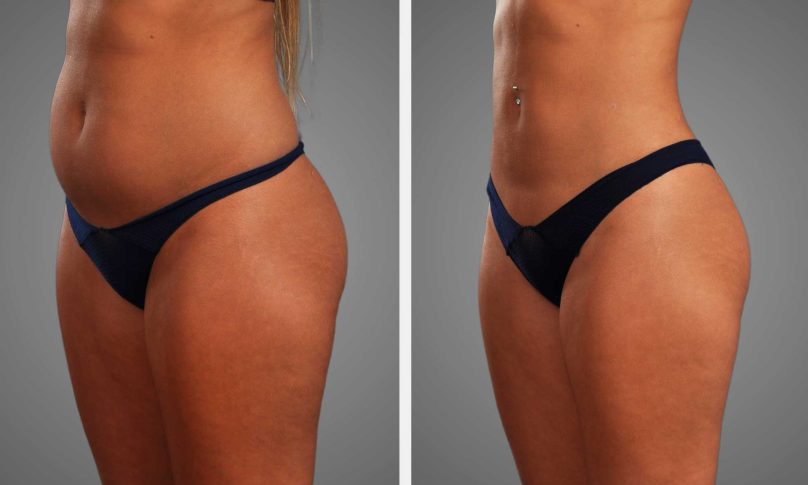
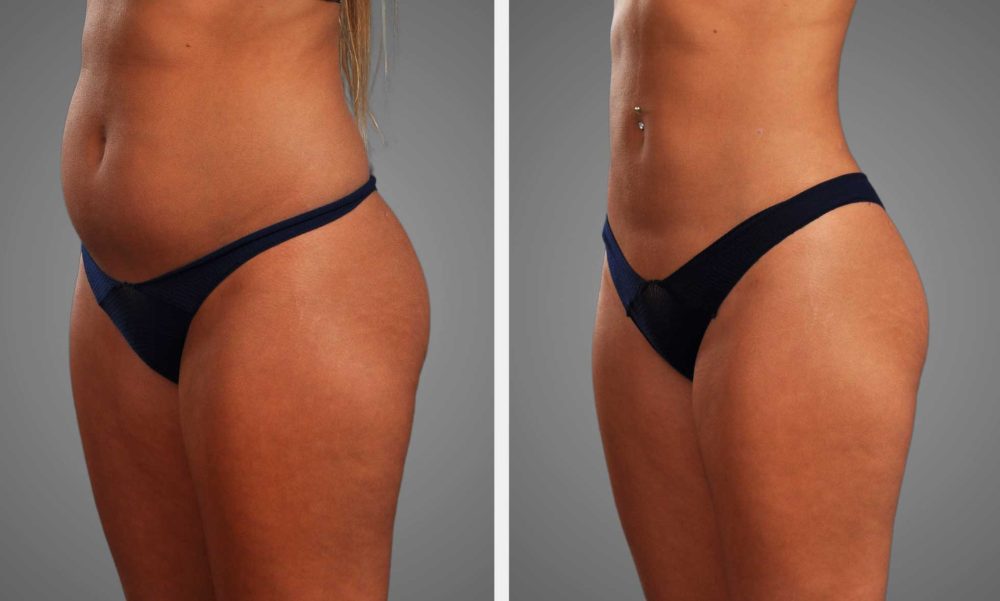
Post before and after pictures or quick patient testimonials to illustrate these results. A series of photos, taken at the same angles and lighting, at baseline, three months, and one year enables readers to visualize any initial swelling settling and the final long-term result after the body metabolizes some grafted fat. Hearing the testimonials describing how faces, hands, or breasts feel and move over time provides context beyond pictures.
For instance, a patient who had cheek volume added could discuss how cheekbones appear softer in profile and make-up lays more naturally. Jot down a quick list of typical advantages patients experience. Enhanced self-confidence, enhanced facial balance, minimization of fat in the donor site, and the joy of a softer feel and appearance are common.
Keep in mind that expectations differ. Some patients desire facial contouring, some want to fill post-weight loss hollows, and others need reconstructive assistance after trauma. Be specific that results are contingent on body structure and objectives. A narrow jawline, thin skin, or previous surgery will alter technique and anticipated outcome.
Emphasize case stories where fat transfer fixed specific issues. One applied fat to soften accident-scar depressions. Another mixed fat grafting with rhinoplasty to smooth small contour defects. In reconstructive cases, fat can return volume to irradiated tissue and enhance form and comfort. These cases demonstrate fat transfer’s versatility in both cosmetic and medical applications.
Explain why patients select fat grafting more than implants or fillers. It’s autologous tissue, reduces the risk of foreign-body reaction, and can provide a more natural feel and motion. Downsides to note are that two surgical sites need care, some graft will be absorbed in the first months, and long-term survival ranges widely.
Typically, 60 to 80 percent of transferred fat survives, while some patients see gradual loss. The double whammy of taking off fat here and putting it there has its appeal. Personal experiences vary; some enjoy lasting change, while others need touch-ups to maintain volume.
Conclusion
Fat transfer gives that soft, natural look by employing the person’s own tissue and putting it where you want it. Fat introduces soft curves and cushions wrinkles without harsh borders. Surgeons form fat in thin layers so light dances like skin, not like a filled balloon. Body factors and skill alter how long results last, but regular touch-ups maintain the effect. Our patients tell us it feels more natural and ages more easily than many implants or fillers. For instance, cheek contours appear warm and shift with expression. If you want a subtle lift that reads as you, fat transfer fits that bill. Find out about alternatives and consult with a skilled surgeon to tailor the strategy to you.
Frequently Asked Questions
What makes fat transfer look more natural than fillers?
Fat transfer takes advantage of your own tissue. That sidesteps unnatural stiffness and blends with surrounding tissue. Results shift and age more like natural skin and fat, providing softer contours.
How does technique affect the softness of results?
Gentle harvesting, fat purification and placing in micro-aliquots are key. Expert technique minimizes lumps and blends evenly for a soft natural appearance.
Can fat transfer provide both volume and contouring?
Yes. Fat not only adds volume but enables specific contouring. Surgeons can sculpt areas gently for a harmonious natural result instead of a ‘puffed’ look.
Do patient factors change the outcome?
Yes. Skin quality, anatomy, lifestyle, and age all influence how fat survives and blends. Reasonable expectations and a good surgeon increase the likelihood of that soft natural look!
How long do natural-looking results last?
Some of the transferred fat generally lasts long term. Anticipate long-term enhancement with some resorption. Several sessions might be necessary for optimal, long-lasting effects.
Is fat transfer safer than synthetic fillers?
Because it’s your own fat, it’s risk-free in terms of an allergic reaction. It includes surgery and its own risks. Select a seasoned provider to avoid pitfalls.
Will fat transfer change how my face moves and feels?
Transferred fat merges with native tissue, so movement and sensation tend to come naturally as well. Initial swelling subsides and the vast majority feel soft and lifelike after it heals.