Directions
 Call Us
 Email Us



Key Takeaways
- Subcutaneous-only fat transfer, guided by real-time ultrasound to avoid intramuscular injection and reduce the risk of fat embolism, is the safest technique for BBL and body contouring.
- Opt for a board-certified surgeon with a dedicated BBL focus and practice in accredited operating rooms and private clinics. This ensures a guaranteed track record, credentials, and safety.
- We utilize low-pressure harvesting, measured transfer volumes and methods like expansion vibration lipofilling to maintain fat viability and deliver more predictable and natural-appearing outcomes.
- Screen candidates thoroughly with medical and psychological evaluations, BMI measurement, and expectation management to choose patients who are a good fit and can comply with post-surgical instructions.
- Adhere to rigorous intraoperative and postoperative protocols such as continuous monitoring, sterile technique, compression garments, activity restrictions, and scheduled follow-ups to promote healing and identify complications promptly.
- Get your mind and life ready with informed consent, psychological clearance, and a dependable support system who will be there for your recovery. It makes all the difference in the best outcomes and patient satisfaction.
The safest techniques for bbl and body contouring involve combining time-tested surgical methods, comprehensive patient screening, and standardized post-op care. Such techniques include staged fat grafting, ultrasound or power-assisted liposuction with strict volume limits, and compression and monitoring to minimize complications.
Data confirms reduced hazards when surgeries are done with guideline-based anesthesia, seasoned teams, and transparent recovery strategies. The body discusses methods, risks, and patient selection.
Safest BBL Techniques
Safest BBL techniques emphasize fat placement in areas least likely to be close to large veins, utilizing imaging to guide placement and gentle harvest and placement that limits volume per session. Data confirms that real-time imaging and subcutaneous-only grafting reduce serious complications and when protocols are observed, make results comparable to other low-risk cosmetic surgeries.
1. Ultrasound Guidance
Utilize real-time ultrasound imaging to verify cannula location and to circumvent gluteal veins. Safety BBL Techniques: Ultrasound allows the surgeon to visualize the cannula tip in relation to muscle and vessels and has been associated with a significant reduction in fat embolism incidents.
Research and case series demonstrate that ultrasound-guided BBLs have zero deaths to date in centers using this technique. Surgeons who adhere to recent guidelines have cited mortality under 1 in 15,000 versus previous estimates around 1 in 3,000.
I made ultrasound a standard practice for every BBL. It aids in ensuring injections stay in the subcutaneous plane and documents for quality control. Training teams in handheld and cart-based units and running drills for probe handling makes the surgery faster and more precise.
Ultrasound supports patient education: showing images helps patients understand anatomy and risk. Incorporate imaging into pre-op planning and intra-op checks to safely decide depth and angle of injection.
2. Subcutaneous Injection
Limit fat injections to the subcutaneous space above the gluteal muscle to prevent intramuscular injection. This subcutaneous layer covers the muscle and is the safest reservoir for fat grafts as it minimizes access to large veins that can cause fatal emboli.
Standardize depth limits and use tactile feedback, surgical markers, and ultrasound to verify you are in subcutaneous tissue. Educate anatomy explicitly to teams, cadaver labs, or simulation if possible.
Track injection depth at every pass and cease if resistance or greater than expected depth is encountered. This consistent subcutaneous-only protocol decreases surgeon-to-surgeon variability and reduces complication rates. When paired with measured volumes, it creates natural contours.
3. Low-Pressure Harvesting
Use low-pressure liposuction to harvest fat gently, preserving adipocyte viability. Gentle suction enhances graft take and minimizes cell rupture, which can result in fat necrosis or poor survival.
Employ special cannulas and record suction pressures. Steer clear of high negative pressures that destroy cells. Persistent pressure setting recording not only reproduces results, it enables audits that refine practice as well.
4. Controlled Volume
Establish conservative max transfer limits per session and customize volumes according to the patient’s anatomy. By tracking total fat removed and re-injected, we prevent overfilling and unnatural shapes. There are no “squared” or bulging results.
Incremental augmentation, staging extra sessions if necessary, takes tension off tissues and optimizes sustained contour and security. Refresh case volume recommendations as emerging reviews and AI-assisted planning tools shape best practice.
5. Expansion Vibration Lipofilling
Use EVL to spread fat thin and reduce trauma upon placement. EVL devices assist in depositing fat in small, consistent parcels, enhancing both survival and contour smoothness.
Review EVL results and integrate with ultrasound and low-pressure harvesting for optimal outcomes. Follow patients closely post-op and educate them on recovery and expectations.
Surgeon Selection
Surgeon selection is key to risk reduction and reliable results in BBL and body contouring. This section details what to check and why it matters — specifically regarding training, experience, documented results, and the surgery facility.
Board Certification
Verify board certification with the American Board of Plastic Surgery or a similar national organization. This guarantees formal training in plastic and reconstructive surgery and a standard of care that encompasses cosmetic work. Make sure it’s cosmetic surgery in particular and that the surgeon continues to educate themselves on new safety protocols and advice.
Seek out signs of recent courses, certifications, or conference attendances on fat-grafting safety and deep venous thrombosis prophylaxis. Below is a comparison table to help patients weigh board-certified surgeons:
| Board/Credential | What it indicates | Why it matters |
|---|---|---|
| American Board of Plastic Surgery | Formal plastic surgery training and exams | Standardized training in cosmetic procedures |
| Equivalent national board | Local formal certification | Ensures regional regulatory oversight |
| Aesthetic fellowship credentials | Additional aesthetic focus | Specialized practice in cosmetic surgery |
Peruse online reviews, both good and bad, to find commonalities in communication, complication management, and results.
BBL Specialization
Choose surgeons who are Brazilian butt lift specialists and have dedicated fat transfer training. Specialization can translate to a more nuanced understanding of gluteal anatomy and ways to avoid the deep intramuscular injections that increase risk.
Seek doctors who publish or present on BBL safety innovations or advanced techniques. Published work demonstrates peer review and contributions to safety standards. See if the surgeon has participated in BBL safety task forces or guideline creation, indicating proactive involvement with current best practices.
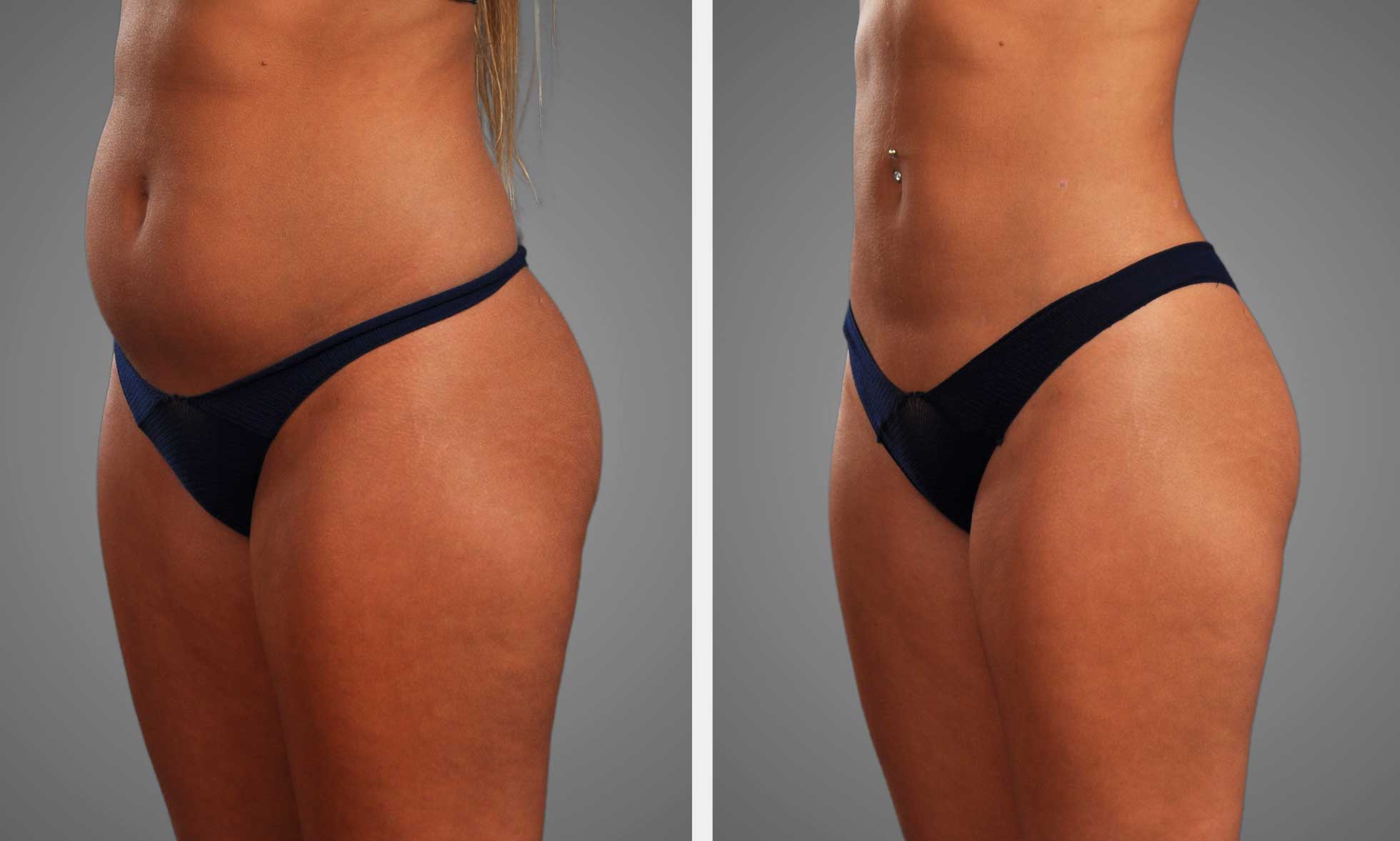
Browse before and after galleries to check for consistency across a variety of body types and review patient testimonials for long-term satisfaction and complication reporting. See if you can figure out how many BBLs the surgeon has done. Volume is associated with more refined technique and fewer complications in several studies.
Facility Accreditation
Demand that your procedures be done in AAAASF, JCAHO, or state-accredited facilities. Accreditation ensures the site is up to national safety standards, with clean, sanitary rooms, good lighting, and reliable electricity with backups and equipment that is up to code.
Check for routine audits and a demonstrated adherence to up-to-date safety standards of invasive interventions. Create a simple checklist: accreditation status, emergency equipment, staff training, hygiene protocols, and on-site recovery capabilities.
There’s nothing like seeing the facility in person to help gauge cleanliness, the professionalism of staff, and confirm the environment you’ll be nurtured in.
Patient Candidacy
Patient Candidacy is key to safe BBL and body contouring. Thoughtful patient selection minimizes complications, maximizes results, and brings patient expectations in line with achievable surgical boundaries. The subheadings below detail medical, anthropometric, and expectation-based criteria for candidacy.
Medical Evaluation
Conduct a full preoperative medical evaluation that includes laboratory tests (complete blood count, metabolic panel, coagulation studies) and cardiovascular assessment such as ECG and, when indicated, stress testing. Identify conditions that raise surgical risk: uncontrolled diabetes, active infections, significant cardiac or pulmonary disease, clotting disorders, and recent thromboembolic events.
Document baseline health to guide anesthesia choice and intraoperative monitoring. For example, reduced pulmonary reserve may favor regional techniques or altered positioning. Create and use a standardized checklist that captures medication use (anticoagulants, hormone therapy), smoking status, allergy history, prior surgeries, and social factors like support at home.
Non-smokers are preferred candidates because smoking raises wound-healing problems and fat survival issues. Note that overall health and medical history directly affect candidacy and anesthetic planning.
BMI Requirements
Set BMI guidelines and permit clinical discretion with regard to body composition.
| Category | BMI range (kg/m²) | Notes |
|---|---|---|
| Preferred | 22–30 | Typical range for optimal safety and adequate donor fat |
| Caution | 18.5–22 or 30–34 | May still be eligible with assessment of fat distribution |
| Screen out | Less than 18.5 or greater than or equal to 34 | Increased risk for complications or inadequate donor fat |
Patients who are 9 to 14 kilograms (20 to 30 pounds) from their ideal weight tend to do best. Modify thresholds where muscle imbalances or regional adiposity render BMI inaccurate. For example, athletic patients with low BMI but sufficient subcutaneous stores can be evaluated individually.
Leave your crazy BMI out of this patient as a good way to minimize risks for poor healing, fluid shifts, and fat necrosis.
Realistic Expectations
Talk patients through what fat transfer and contouring can and can’t do. Describe how that final shape is dependent on anatomy, fat survived from transfer and strict post-op compliance of limited sitting, compression wearing and activity restrictions.
Show example photos that represent what a typical, not airbrushed result looks like and talk timelines. Initial plumpness wanes as some fat is reabsorbed with the final outcome being at three to six months. Dissuade quick-fix seekers or patients in pursuit of dramatic, unrealistic transformations.
These patients tend to be the unhappiest and sometimes insist on dangerous procedures. Discuss patient candidacy. Weight stability, nutrition and smoking cessation enhance durability. Make sure patients are aware of particular risks, such as fat embolism, and have had their individual candidacy reviewed by a board-certified plastic surgeon.
The Surgical Day
The surgical day is all about exact action, team efficiency, and rigorous safety checklists to minimize danger and enhance healing. Patient education and pre-op preparation pave the way before the initial cut.
Prepare patients
Patients get a written checklist addressing fasting, which generally includes no solids for 8 hours and clear liquids until 2 hours prior to anesthesia. It also covers medications to stop, such as anticoagulants and some supplements, and which to take with a sip of water, like some blood pressure medications.
Bring medical history and allergy lists. Anticipate a pre-op nurse going over consents, forms, and photos for surgical planning. Positioning plans are explained. For BBL, the first two weeks require careful positioning and limited activity. Most return to modified work in 7 to 10 days.
Final results show up six to 12 months as swelling recedes and fat sets. For example, a patient on low-dose aspirin may be asked to stop seven days prior. A diabetic patient will get focused glucose control instructions.
Team coordination and operative plan
Surgeon, anesthesiologist, scrub tech, circulating nurse and assistants convene for a time-out to confirm plan, laterality, estimated liposuction and fat grafting volumes. Other high-volume surgeons cap BBLs to three a day so they don’t get fatigued and remain consistent.
Roles are assigned: who harvests fat, who processes grafts, who performs injections, and who documents volumes. The plan is the same operative to include fat placement with ultrasound guidance when indicated. This meeting guarantees smooth flow and transparent responsibility chains.
Equipment and safety verification
All instruments and devices are checked and logged: suction units, cannulas, sterile containers, ultrasound probes, and electrosurgery units. Advanced monitors are checked and working. Emergency supplies, including the crash cart, blood products, and reversal agents, are within reach.
Sterile disposables are checked completely. A last sterile field check and skin prep are conducted just prior to incision.
- Surgical day timeline: 06:30 — Patient admission, identity and consent checks. 07:00 — Anesthesia induction and baseline monitoring. 07:20 — Operative time-out and ultrasound set-up. 07:30 to 11:30 — Liposuction and fat processing cycles. 11:30 to 13:00 — Fat grafting with ultrasound guidance. 13:15 — Immediate postop dressings and recovery transfer. 13:30 to 15:30 — Monitoring in PACU, discharge instructions.
Anesthesia Choice
Choose anesthesia to fit procedure complexity and patient health: local with sedation, regional blocks, or general anesthesia. Local with sedation can minimize the risk of respiratory depression while potentially reducing recovery times.
General anesthesia provides complete immobility for more complicated cases but requires airway management. Regional blocks could reduce opioid requirements after surgery.
Pros: local—faster recovery, lower systemic risk; regional—good pain control; general—complete control for long cases. Cons: local—may be uncomfortable for large volumes; regional—limited duration; general—higher monitoring needs.
Of course, never let anyone but cosmetic anesthesiologists manage the safety and recovery mix.
Intraoperative Monitoring
Continuous vital-sign monitoring comprises ECG, pulse oximetry, noninvasive blood pressure, and capnography if sedated. It utilizes advanced monitors to detect bleeding or early embolic signs.
Staff members whose job it is to follow these trends should interrupt them. Record everything for quality review. Centers with thorough protocols have reduced complication rates over 60 percent and dropped deaths to less than one in 15,000.
Post-Operative Protocols
Post-operative care is key to recovering safely and optimizing fat graft survival following BBL and body contouring. They provide clear, specific instructions that reduce complications and help patients understand what to expect during each phase of healing.
These sections discuss garment wear, activity restrictions, and regimented follow-up, in addition to a handy care bullet list.
Compression Garments
Wear compression garments day and night for the first few weeks to restrict swelling and assist the tissues in setting in their new shape. Select garment style and fit appropriate for your treated areas, such as an abdominal binder for liposuction of the trunk or high-waist briefs for the low back and flanks.
Ill-fitting garments can cause folds or pressure points that chafe skin or decrease graft viability, so get the first garment fitted by a professional. Wash garments with mild soap daily or per manufacturer recommendations to avoid skin breakdown and infection.
Air-dry flat and have spare ones to change when wet. Expect gradual reduction. Full-time use lasts for 2 to 4 weeks, followed by daytime wear for another 2 to 4 weeks as swelling subsides and comfort returns.
Sleeping position messes with results. Post-Op Protocols BBL fat transfer: Patients must sleep on the stomach for 10 days. Gluteal implants: Sleep on the stomach for 14 days. They alleviate pressure on grafts and implants and encourage uniform settling.
Activity Restrictions
Refrain from vigorous activity and heavy lifting for a minimum of 2 to 4 weeks. Avoid sitting directly on your buttocks or hips for 10 days following fat transfer BBL and for 14 days following gluteal implants. Utilize a special BBL pillow and place weight on your thighs when sitting.
Easy walks are promoted from day one to reduce the risk of clots and assist circulation. Take it slow. No personal driving for 2 weeks, both for safety and because seat pressure and jerking motions can damage grafts.
No tub baths or Jacuzzi until your incisions are fully healed, which is usually around the three week mark. Wait one month before hot tubs because they harbor even more bacteria. Most bruising clears in 2 to 3 weeks.
A phased return-to-activity plan should be individualized: light cardio after 2 to 4 weeks, gradual strength training from 6 to 8 weeks, and full activity only when cleared by the surgeon. Sensation can return over several months and final contour becomes more evident between 3 and 6 months.
Follow-Up Care
Schedule multiple follow-up visits: an early check at 48 to 72 hours, then at one week, two weeks, one month, three months, and six months, or as the surgeon advises. Utilize these visits to monitor healing, fat retention, and symmetry and to detect signs of complications early.
Educate patients on warning signs: increasing pain, redness, fever, drainage, firm tender lumps (possible fat necrosis), sudden shortness of breath or chest pain (seek emergency care for possible pulmonary fat embolism). Document healing, measurements, and photos to direct revisions and improvements to technique.
Post-operative care checklist:
- Start with liquids, advance to solids as tolerated.
- Wear compression garments as directed; keep clean.
- No sitting on treated areas per timelines. Utilize BBL pillow.
- Sleep prone for 10–14 days depending on procedure.
- Walk gently daily; avoid heavy lifting 2–4 weeks.
- No driving for two weeks.
- No tub or Jacuzzi until incisions heal. Wait a month for hot tubs.
- Watch for infection signs; report issues immediately.
The Mental Component
Surgery impacts both the physical and the mental. Knowing the mind side of BBL and body contouring allows patients, surgeons, and care teams to map out safer results and higher gratification. Here are targeted places to evaluate and intervene pre, peri, and post-procedure.
Informed Consent
Talk risks, benefits and alternatives in simple language so patients can actually choose. Address typical and uncommon complications, such as fat embolism, infection, bleeding, wound healing issues and even revision surgery. Use examples: describe a case where a staged approach avoided excessive fat grafting or when a small infection was treated early and resolved without long-term harm.
Verify comprehension by having patients describe risks in their own words. Make slides and handouts available for print and download for review purposes. Get written consent only after patients demonstrate understanding and have been given time to ask questions.
Schedule a follow-up consent conversation if necessary. Ensure consent forms include concrete procedure information, anticipated recovery, sitting limitations, possible drains or additional procedures.
Psychological Readiness
Evaluate emotional stability and coping abilities. Screen for anxiety, depression, and BDD, as studies estimate that 10 to 15 percent of those presenting for BBL may meet BDD diagnostic criteria. Ask about motivations: is the choice driven by personal goals, partner pressure, or social media influence?
About 70 percent of young women cite social media as a factor. Mixed motivations are rife and deserve careful discussion. Look for unrealistic expectations. Up to 20% may feel disappointment or regret when outcomes don’t match idealized images.
Check willingness to follow pre- and post-op rules: smoking cessation, activity limits, compression garment use, and attendance at follow-up visits. Document findings in the chart and when needed, refer to a mental health professional to help clarify motives and readiness. Use brief validated tools, counseling notes, or formal psychological evaluation as appropriate.
Support System
I would suggest setting up dependable help for at least the initial 1 to 2 weeks post-op. Find folks who can assist with transportation, daily tasks, meds, and wound care and check in emotionally. Give concrete examples: a friend to drive home after surgery, a partner to help with bathing, or a hired caregiver for those living alone.
Advise making a support checklist: emergency contacts, medication schedule, wound-care supplies, and a plan for when emotions peak during recovery. Emotional highs and lows are to be expected.
The recovery process can be an emotional rollercoaster with anxiety and mood swings. Social support helps lessen complications and encourages long-term positive effects. Seventy percent felt more confident and eighty-six percent experienced improved mood and body image long term, she says.
Conclusion
About: The absolute safest BBL and body contouring techniques. Prefer surgeons with board certifications, consistent case logs, and a history of safe results. Choose fat graft caps and staged plans when necessary. Prep your body with good nutrition, quit smoking, and get tested early. On surgery day, team double checks and vigilant monitoring are key. Post-surgery, adhere to laid-out care, avoid putting pressure on grafts, and monitor for signs of complications. Address the mental side: set real goals and lean on a support person.
Choose physicians who post results pictures, set expectations, and provide written blueprints. If you need assistance connecting with trusted surgeons or a post-op resource list, forward your priorities and location.
Frequently Asked Questions
What makes a Brazilian Butt Lift (BBL) safer than older techniques?
Safer BBLs employ fat-only injections into the subcutaneous layer, forgo deep intramuscular placement, and use imaging or anatomical-guided protocols. This reduces the risk of fat penetrating blood vessels and causing dangerous problems.
How do I choose a qualified surgeon for BBL and body contouring?
Choose a board certified plastic surgeon with a proven track record in BBLs, before and after photos, peer-reviewed publications or training, and excellent patient testimonials. Do your research. Check facility accreditation and inquire about complication rates.
Who is an ideal candidate for BBL or body contouring?
The best candidates are healthy adults with stable weight and realistic expectations, non-smokers, and those without any medical conditions that increase the risk of surgery. Your candidacy is determined by an in-person consultation and medical screening.
What should I expect on the day of surgery?
Expect a pre-op review, marking, anesthesia, and sterile technique. Our team will monitor vitals and follow a transparent plan for fat harvest, processing, and safe injection. Recovery instructions are given prior to discharge.
What are key post-operative protocols to improve safety and results?
Adhere to antibiotics, compression garments, activity limitations, and don’t sit on the grafted area for the suggested time. Visit post-op appointments to track healing and catch complications early.
How long is recovery and when will I see final results?
Early recovery is 2 to 3 weeks for activities of daily living. Swelling and form develop over 3 to 6 months. Final contour and fat retention is typically visible by 6 months if you follow post-op guidance.
How do psychological factors affect BBL and body contouring outcomes?
Psychological preparation, manageable expectations, and a supportive social network increase satisfaction and recovery. Talk motivations and body-image issues over with your surgeon or a mental health expert prior to surgery.