Directions
 Call Us
 Email Us


Key Takeaways
- Determine how much donor fat you have based on body shape, BMI, and health to help set realistic BBL volume expectations and the safest extraction plans.
- Consider fat quality and fat handling first to enhance graft survival. Emphasize healthy donor sites rich in quality fat and avoid over-harvesting.
- Respect safety thresholds for lipoaspirate and injection depth, watch patient vitals, and employ strategies such as ultrasound guidance to reduce fat embolism.
- When budgeting for Lipo 360 and BBL, consider all cost elements and compare surgeon fees, anesthesia, facility fees, and travel to discover clear-cut pricing.
- Select a board certified, experienced surgeon with proven results and hospital privileges. Consult to finalize surgical plans, pricing, and recovery expectations.
- So try to be long-term realistic in your goals of maintaining your lifestyle, safety, and aesthetic vision, including the consideration of staged or touch-up procedures.
How much does a Brazilian butt lift cost? Cost varies by clinic, geographic region, and surgeon experience, commonly ranging from USD 6,000 to USD 15,000.
Most require 500 to 3,000 ml of harvested fat, depending upon body type and objectives. Recovery takes two to six weeks, with final results occurring three to six months later.
It dissects cost and volume factors.
The Right Volume
Finding the right volume for a BBL starts by having a clear understanding of how much donor fat a patient has and what can be transposed safely. Evaluation integrates body composition, fat placement, wellness, and cosmetic goals. Typical targets can guide planning: many patients need about 1,000 cc total to reach common goals.
Thin patients may only supply about 220 cc per buttock. Average-weight patients can often receive up to 1,000 cc per buttock. Plus-size patients sometimes reach about 1,160 cc depending on harvestable fat and goals. Plan on about 30 to 50 percent of transferred fat to be absorbed eventually, so volumes account for that.
1. Your Body
Evaluate overall shape and common donor sites: abdomen, flanks, thighs, and back. Fat is stored differently; some of us store it in the thighs instead of the waist, so you have to plan your harvest accordingly. A low body mass index restricts potential fat and might call for smaller lifts or multiple staged procedures.
Small patients require a baby or small BBL methodology with modest volumes and mindful sculpting. Previous surgeries, scars, or irregular fat pockets affect how much can be removed and where.
2. Fat Quality
Viable fat of high quality helps graft survival. Denser, well-vascularized fat from flank or inner thigh regions tends to survive best when transferred. Do not scrape scarred or fibrous areas too much, as the cells are less likely to survive.
During surgery, careful aspiration, appropriate centrifugation or filtering, and rapid reinjection preserve cellular viability. Poor handling decreases the survival rate and increases the likelihood of complications.
3. Safety Limits
Follow safety caps: generally do not exceed 4 to 5 liters (4,000 to 5,000 milliliters) of lipoaspirate per session. The feasible maximum eliminated weighs around 5,000 milliliters or 11 pounds. Taking off more than eight pounds increases the risk for complications and can jeopardize safety in a BBL.
Keep a close eye on vitals, fluids, and blood loss. Injection technique matters: keep fat in the subcutaneous plane, avoid deep intramuscular placement, and limit bolus size per pass to reduce fat embolism risk.
4. Desired Shape
Match volume to goals: Modest rounding may need only a few hundred cc per side, while dramatic reshaping could require close to the upper ranges noted earlier. Exact placement contours sculpt hip-to-waist ratios, fill in those hip dips and balance out the silhouette.
Talk about proportions with visuals and surgeon feedback to establish reasonable, natural-looking goals.
5. Surgeon’s Skill
Select surgeons who have a large amount of BBL experience and an excellent safety history. Always check consistent before and after examples and inquire about their fat handling and injection protocols.
Technique impacts not only how much fat can be safely transferred, but how natural the final contour appears.
Cost Breakdown
This explains the main cost drivers for liposuction for a BBL and illustrates how those bits add up so readers can budget and compare alternatives.
Surgeon Fee
Surgeon fee is generally the largest individual line item. Fees vary based on experience, board certification, and local demand. Very experienced surgeons in major markets typically charge more.
For a standard BBL, the surgeon’s fee can be 40 to 60 percent of the overall price point. Complicated cases or combined procedures, such as abdominoplasty with lipo and fat grafting, push that baseline higher. Revision surgery increases the fee significantly due to increased technical difficulty and time.
Example ranges: a surgeon might charge several thousand to over ten thousand in high-demand cities, while fees in smaller centers often sit at the lower end.
Anesthesia Fee
Anesthesia fees differ by operation and duration. General anesthesia is more expensive than local with sedation. An anesthesiologist’s credentials and in-house versus contracted anesthesiologist alter the price.
For a BBL, anesthesia and associated monitoring typically add $1,000 to $3,000 to the invoice. Longer or multi-area lipo sessions drive this number up because anesthesia time is charged by the minute. Add this charge when you sum up estimates to prevent underbudgeting.
Facility Fee
Facility or operating room fees cover the space, staffing, and equipment. Accredited hospitals or surgical centers are more expensive, as they often offer extra safeties and facilities.
Facility fees generally cover use of the operating room, nurses, recovery area, and some standard supplies. Labs, pre-op testing, and surgical garments can be billed separately. Garments, medications, and tests often add a few hundred to a few thousand.
Facility and anesthesia alone tend to account for one thousand to three thousand dollars, as mentioned.
Geographic Location
Costs vary by city and region. Big cities like Miami, Houston, or Newport Beach tend to average more than little towns. The average BBL cost in the U.S. Fluctuates between approximately $6,672 and $16,847, with an average around $8,686.
Liposuction pricing depends on the treated area: small areas cost between $2,000 and $4,000, medium areas cost between $3,000 and $6,000, and large areas cost between $5,000 and $10,000. Technology choices affect price too: SmartLipo often costs between $5,000 and $10,000, while VASER costs between $6,000 and $12,000.
Medical tourism lowers surgeon fees but adds travel, lodging, and follow-up risks and costs.
Sample total table (example): surgeon $5,000, anesthesia $1,500, facility $1,500, garments/meds/tests $500, total is approximately $8,500.
Procedure Synergy
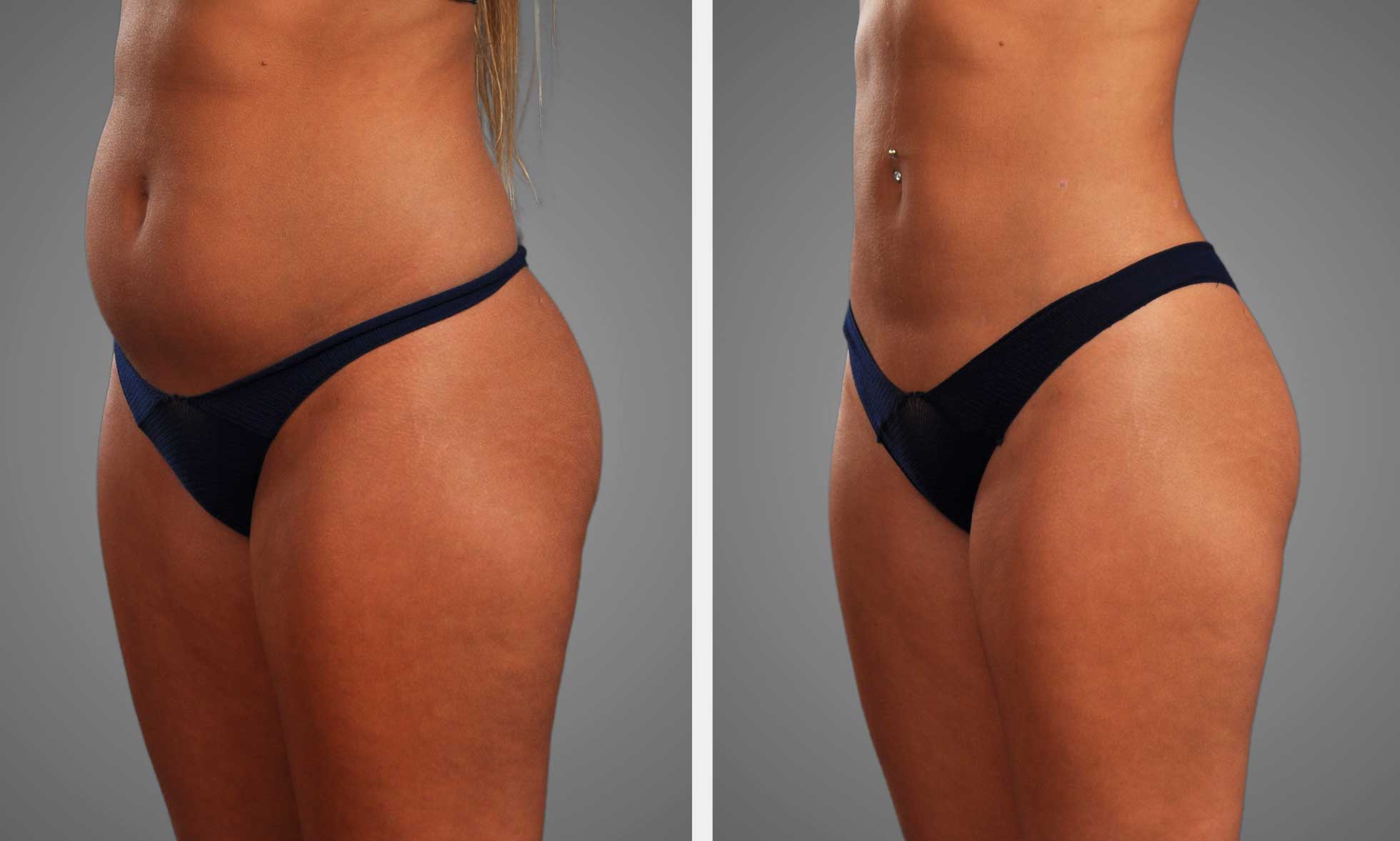
Add BBL with Lipo 360 for a coordinated strategy that sculpts the entire torso while enhancing buttock volume. This combination enhances curves from all sides and frequently creates a more pronounced waist to hip ratio than either technique in isolation. Careful planning guarantees safety, optimal use of donor fat, and one downtime period.
The Foundation
Lipo 360 sculpts your abdomen, flanks, and back to create a chiseled foundation for buttock enhancement. By removing bulges of fat all around the circumference of the torso, a surgeon can better expose natural curves and make the buttocks look more prominent without the addition of extra volume.
Uniform fat removal throughout treated areas avoids puckering or rippling. Uneven extractions result in noticeable lumps or waves that are difficult to fix down the line. Donor fat is very touchy. Following suction, fat is washed and purified to separate blood, saline, and compromised cells.
Good processing gives transferred fat a greater chance to live. For example, a clinic may decant and centrifuge harvested fat, then layer smaller aliquots into the recipient site to improve contact with blood supply. Those steps count for long-term contour and minimizing touch-up maintenance.
Similarly, eliminating fat from multiple areas in a single procedure enhances productivity. Patients tend to save money if they do multiple cosmetic procedures at once, as there is one facility fee and one anesthesia. This can decrease total risk associated with several anesthetic exposures and minimize cumulative infection risk.
The Enhancement
Purified fat is deposited into the buttocks with injection techniques that sculpt volume, shape and projection. Surgeons use numerous small passes and layered placement to create smooth contours and to prevent fat lumps. Custom placement balances asymmetry, provides more lateral fullness, or upper-pole projection based on patient objectives.
Tracking fat survival is important. Standard practices are conservative overfill and staged injection when necessary. There are restrictions on the amount of fat that can be extracted and transferred in a single visit. Some limit extraction to approximately four liters, and personal medical considerations reduce the volumes that can be safely managed.
When you combine Lipo 360 with BBL, you get a more comprehensive transformation because sculpting and augmenting complement one another. Torso contouring accentuates the areas of volume that were transferred, giving you a balanced, aesthetic silhouette.
Recovery is consolidated: expect at least 10 days off work and a six to eight week healing window, with many resuming most daily tasks after two to three weeks. In general, the united method tends to provide more contouring results and logistical conveniences than distinct procedures.
Safety First
Patient safety is priority one when determining liposuction volume for a BBL. Well-defined processes for fat extraction, transfer and aftercare minimize complications. Finding a qualified surgeon with dedicated BBL experience, being truthful about your medical history and adhering to the pre-op and recovery instructions are three fundamental safety factors.
Safety First practices that embrace new safety protocols are seeing mortality drops of over 50 percent, and severe BBL complications have declined approximately 75 percent with improved technique and hard guidelines.
Extraction Limits
Put strict boundaries on what you’re removing in one go to reduce operative time, blood loss, and fluid shifts. Most national and international guidelines recommend maximum safe lipoaspirate volumes based on patient weight and comorbidities rather than an absolute number.
Modify thresholds for smaller patients, higher BMI, or combined cases that add complexity. Record total aspirate and areas treated in the operative record and patient chart. This assists with follow-up care and any necessary audits.
For example, a 70 kg patient with good health may tolerate more volume than a 50 kg patient. A large-volume plan might be staged into two sessions when safe.
Injection Risks
Fat embolism, infection, and deep injection into muscle are the most significant injection risks in BBL. Safeguard with real-time ultrasound or palpation to verify subcutaneous placement exclusively.
IM injections substantially increase embolism risk. Restrict injected volume per buttock quadrant and per session instead of maxing out totals in one swoop. Educate patients to be on the lookout for fever, acute shortness of breath, intense pain, or abnormal swelling and present urgently.
Infection control encompasses sterile technique, perioperative antibiotics when indicated, and clear plans for early drainage or debridement if necessary.
Patient Health
Screening should encompass a comprehensive medical history, laboratory tests, and risk evaluations for clotting, cardiac complications, and wound healing challenges. Smoking cessation at least six weeks prior is mandatory.
Nicotine constricts blood vessels and inhibits blood flow, thereby increasing the risk of wound and fat graft failure. For patients with previous abdominal or gluteal surgery, customize your approach. Scar tissue shifts fat planes and could shift safe injection areas.
Post-op, direct sitting is discouraged for 2 to 3 weeks with special pillows and a staged return to normal sitting recommended. Long flights should be deferred 6 to 8 weeks where possible due to clot and sitting-related risks.
Note complication rates: silicone implants around 21.6 percent and BBL about 9.9 percent, so informed consent must cover comparative risks and clinic experience. Ninety-two percent of some reported BBL deaths were in high-volume budget centers.
Surgeon Selection
Selecting your surgeon is key to safe, predictable BBL results. Verifying credentials, examining outcomes, and understanding how a surgeon approaches patient selection and safety diminishes surgical risk and increases the likelihood of a natural, permanent result.
Credentials
Check that they are board certified in plastic surgery by a reputable body. Fellowship in respected societies demonstrates to peers that a surgeon’s training and ethics have been vetted. Verify hospital privileges. Hospitals only grant privileges after verifying education and competence, which counts if something goes wrong.
Inquire about the operating venue. Accreditation demonstrates compliance with safety standards for anesthesia, staff training, and emergency protocols. Look into the surgeon’s medical and fellowship training in body contouring or aesthetic surgery. Ask about courses, conferences, and publications. Continued education is an indicator of current techniques.
Verify policies for informed consent and postoperative complication management. Make sure the practice has DVT prevention, sterile technique, and anesthesia monitoring.
Experience
Seek out a surgeon with a robust, specialized history in Lipo 360, fat grafting, and BBL. Surgical art matters: ask to see recent before-and-after galleries that include multiple angles and consistent results across different body types. Experience tends to equal better harvest and grafting technique.
Some experienced surgeons regularly harvest over 1,000 ccs of fat when indicated, which can be needed to shape the buttock and still remain safe. Ask how many similar procedures the surgeon performs each year. Volume is a nice proxy for expertise.

Inquire about their usual caps for fat extraction and reinjection. Responses range, with some surgeons mentioning a safe removal ceiling around 5,000 ml, roughly 11 lb, and transfer quantities extending as high as 1,200 ml per side in certain patients. Verify how they measure skin laxity and if patients with tight skin or ultra low BMI are not candidates.
Some surgeons need a BMI of 35 or less, while others request you gain weight or meet other physical objectives to maximize outcomes.
Consultation
Use the consultation to get a personalized plan and clear cost estimate. Review your medical history, current medications, and any prior surgeries. Expect the surgeon to evaluate your anatomy, discuss realistic expectations, and explain why certain volumes of liposuction and fat transfer suit your build.
Request a written surgical plan that lists target areas, estimated harvested fat, and projected transfer amounts. Discuss recovery timelines, compression garments, activity limits, and follow-up visit schedules.
Ask about contingency plans if fat graft take is less than expected or if staged procedures are recommended. Prioritize safety and expertise over price when choosing a surgeon.
Beyond Numbers
Great BBL results are about so much more than price and liters shifted. The metrics are important, but the finish is a product of design, surgeon talent, and pragmatic deadlines. Final results can take months to emerge as swelling subsides and tissues settle.
Safety limits exist: do not remove more than about 6,000 ml of fat in one session, and higher volumes and longer operations raise the risk of blood clots, seroma, and hematoma. Beyond numbers, BMI steers candidacy. Individuals with BMI around 23 to 28 typically have sufficient donor fat for a successful BBL, whereas those with BMI above 30 might face disqualification due to elevated surgical risks and associations with type II diabetes.
Consider numbers as guardrails, not assurances.
The Artistic Eye
Select a surgeon who is both an artist and a craftsman of sculpting the form. Seek out before and afters that depict even symmetry, seamless blends and varied physiques, not just radical outliers. Individualized fat placement is essential.
Placing small parcels of fat at the right depth and orientation produces natural curves and avoids lumps. Inquire about how the surgeon intends to balance hip, waist and butt proportions for your frame. A clear sketch or intraoperative plan is a positive indicator. Trust but verify. Discuss how they will handle specific concerns like asymmetry, previous scars, or thin skin.
Long-Term Vision
Fat survival is different. While healing, the body will take in approximately half to somewhat more than half of transferred fat. That loss accounts for why a few surgeons deliberately overfill a little and why the actual shape reveals itself gradually.
Think weight maintenance and healthy habits to maintain grafts because weight gain down the road can shift or reverse outcomes. Touch-ups are everywhere. Some patients require staged procedures to achieve a plateau without going over safe removal.
Think beyond the numbers. Cardiovascular fitness, good glucose control, and smoking cessation all mitigate complications and underpin long-term outcomes.
Realistic Goals
Aim for goals that are appropriate for your skeletal structure, donor-fat reserves and safety thresholds. Dramatic changes often need staged approaches or adjunctive treatments, such as skin tightening or minor lipofilling down the road.
Try to make improvements that allow the body to move and keep skin soft instead of strained or filled to capacity. Communicate priorities clearly: tell the surgeon what matters most—fullness, hip sweep, symmetry—so they can recommend the safest plan within limits like the 6,000 ml guideline and the risk thresholds tied to longer operations.
Conclusion
They reduce risk by having clear goals and smart planning, which increase the likelihood of a good outcome. Many surgeons will try to graft 300 to 800 ml of fat per side, depending on body shape and donor fat. Higher volumes contribute to shaping but increase swelling and fat loss. Prices connect to time, expertise, and post-operative care. Go with a board-certified plastic surgeon who has consistent results and great before and after pictures. Concentrate on consistent wellness, achievable objectives, and a reliable aftercare routine. Small examples of success include a lean patient who used 350 ml per side and kept most volume with strict rest and a fuller patient who grafted 600 ml per side and filled out the hips and waist. Consult with 2 to 3 surgeons, weigh the options, and schedule what aligns with your objectives and security requirements.
Frequently Asked Questions
How much fat is usually removed for a BBL?
Average liposuction amounts range from 1 to 5 liters of fat. Safe limits depend on your body, health, and the surgeon’s plan. The surgeon will recommend an amount that balances contouring and safe graft survival.
How much of the removed fat is used for the BBL?
Surgeons typically use 40 to 60 percent of harvested fat for grafting after processing. Some fat is wasted or used elsewhere. The final transfer volume depends on tissue quality and safety.
Does more lipo mean a bigger BBL result?
Not necessarily. Larger outcomes are based on healthy fat availability and recipient site capacity. Overfilling raises the risk of complications. Seasoned surgeons focus on achieving a natural, sustainable contour instead of the highest possible volume.
How does the amount of lipo affect cost?
It increases with the complexity of the procedure and the time spent. Additional lipo areas or volume can add to surgery and facility fees. Obtain a clear and specific quote that separates out liposuction, grafting, and recovery.
Is there a safety limit for how much fat can be injected?
Yes. Safety protocols restrict injection depth and volume to prevent complications. Board-certified plastic surgeons have standards to maintain fat injections within healthy limits.
How long does transferred fat last after a BBL?
Surviving fat is permanent once it builds blood supply. Anticipate that 60 to 80 percent of transferred fat will be permanent. Swelling and absorption happen during the initial three to six months.
How should I choose a surgeon for liposuction and BBL?
Find a board-certified plastic surgeon experienced in BBLs with published outcomes. Check out before and after photos, inquire about complication rates, and verify they work in an accredited facility.