Directions
 Call Us
 Email Us



Key Takeaways
- About: Subtle buttock enhancement with smaller fat transfer volumes and smaller incisions is good for those looking for natural-looking enhancements with minimal downtime!
- Perfect candidates have small to moderate fat stores, great skin elasticity, optimum health, and achievable expectations. Extremely thin or medically high-risk patients might favor nonsurgical options.
- The technique utilizes state-of-the-art liposuction, meticulous fat processing, and strategic incision placement to optimize graft survival, minimize scarring, and accelerate recovery.
- Faster recovery than traditional BBL with instructions to avoid sitting directly on the buttocks, wear compression garments, and increase activity slowly to safeguard grafts and maximize results.
- Non-surgical options like biostimulatory fillers and radiofrequency treatments offer zero to minimal downtime and can be used in cases where surgical fat transfer is not an option.
- Prior to moving forward, discuss anesthesia options, surgeon experience and results, anticipated outcome, and a defined aftercare plan to establish expectations and promote an easy recovery.
A bbl with minimal downtime is a surgical procedure that replenishes volume to the buttocks but minimizes recovery. Our method combines fat grafting, conscientious incision placement, and post-op measures to minimize swelling and bruising.
Traditional recovery provides light activity within days and a return to routine within weeks, depending on extent and health. Results concentrate on natural curves, optimal outcomes, and safer recovery.
Information on preparation and aftercare comes next.
Understanding Mini BBL
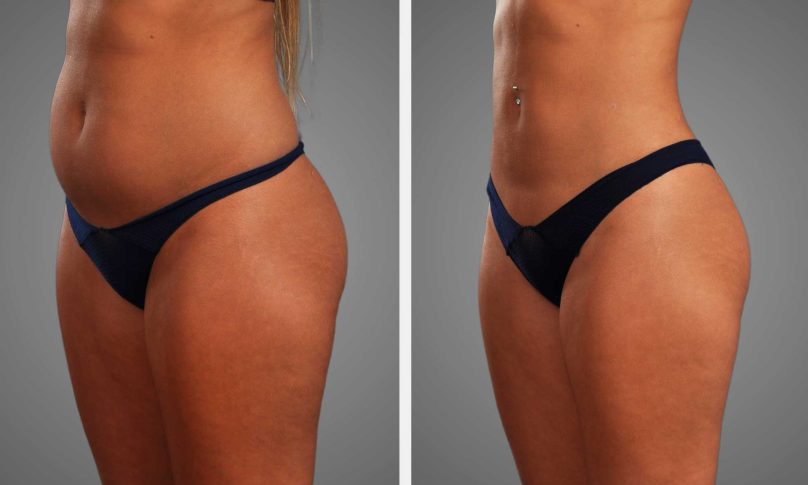
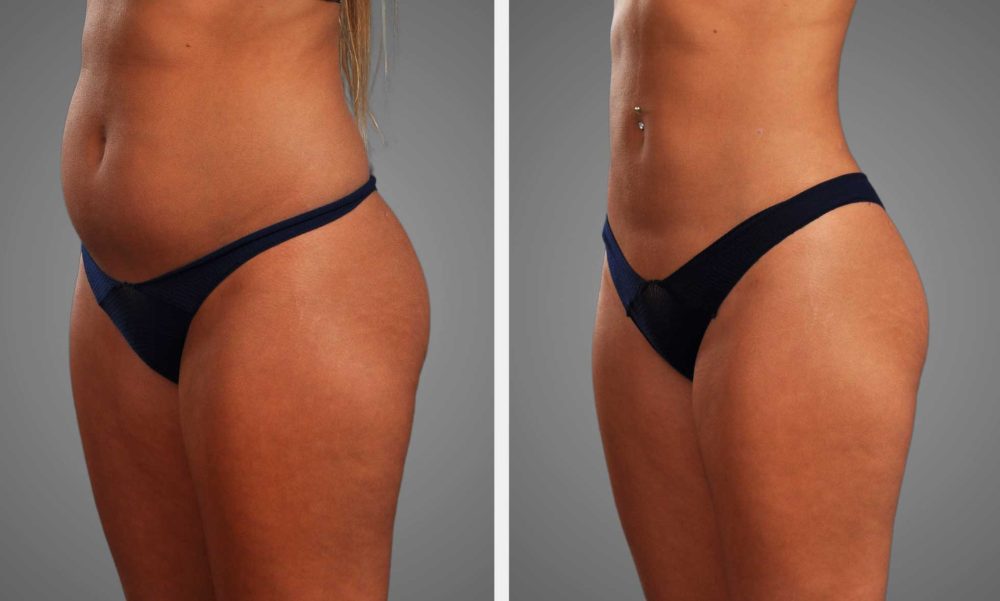
Mini BBL is a buttock enhancement that uses less fat transfer and smaller incisions than a traditional Brazilian butt lift. Known as a Skinny Brazilian Butt Lift or Petite BBL, it de-emphasizes how much volume you can get out of it and increases the precision contour. The technique targets discreet, natural-looking transformation and typically translates to briefer surgical time and less downtime.
Here’s the lowdown on how it works, who it fits, how it differs from a full BBL, and what the procedure attempts to accomplish.
1. The Concept
Mini BBL employs state-of-the-art liposuction and fat grafting to enhance your behind. Surgeons extract small amounts of fat from donor areas like the waistline, thighs, or love handles, then filter and inject that fat into strategic buttock zones to add subtle projection or even out transitions.
It’s more mild reshaping than a dramatic size increase. Whether it’s correcting hip dips, providing subtle projection, or refining the lower back so the buttock appears more in balance with the torso. Small volume, strategically placed grafts allow tissues to merge organically.
Clinical research shows that focused low-volume methods can achieve a fat survival rate of 65 to 75 percent, meaning results can be long-lasting without looking overstuffed.
2. The Candidate
Great for candidates with minimal fat deposits who desire subtle augmentation. Good skin elasticity allows the area to reshape smoothly after liposuction and grafting. Some candidates are thin or have a “skinny BBL” profile that would not benefit from a full-volume BBL because they do not have large donor stores but still want contouring.
Good health and a stable weight are important prior to surgery. Candidates need to be realistic about scale and recovery. Cost considerations matter: most mini BBLs range from $5,000 to $15,000, a bracket similar to standard BBLs depending on location and surgeon.
3. The Difference
Compared with traditional BBL, mini BBL transfers a smaller amount of fat and typically has a shorter surgical time. Incisions are smaller, instruments are less extensive, and scarring is minimal. The risk of complications is reduced and the majority of patients experience a faster recovery and return to normal life.
Fat transfer survival in general is around 50 to 70 percent, but low-volume, strategic placement increases that percentage. This procedure fits patients who desire a sculpted lift as opposed to a transformative change, and it sidesteps more aggressive steps of full-volume enhancement.
4. The Goal
Key objective is a natural silhouette and sculpted buttock contour that complements the overall proportions. The procedure focuses on curve enhancement and light projection while addressing slight asymmetry or hip dips.
Recovery happens in phases: the first few days, several weeks, then months. Do not sit directly on grafts early. Slowly reintroduce light activities. Swelling will subside at about 8 to 12 weeks with final results by six months.
Surgical Approaches
Surgical approaches to a BBL with minimal downtime prioritize minimizing tissue trauma, maximizing fat survival, and customizing techniques to the individual’s anatomy and objectives. Options run from “mini” or awake BBLs to full traditional BBLs. Every stage, including anesthesia, liposuction, fat processing, and incision, impacts recovery time and final contour.
Anesthesia Type
Mini BBLs can be performed under local anesthesia, twilight sedation, or general anesthesia. Awake BBLs, performed using local and light sedation, are increasing in popularity as patients tend to heal quicker and experience less grogginess. The decision for anesthesia depends on patient preference, the extent of fat removal and transfer planned, and the recommendation of the surgeon.
Less invasive alternatives reduce certain risks associated with general anesthesia and can reduce short-term recovery. Longer or more aggressive interventions may require general anesthesia to be performed safely and without undue patient discomfort.
Liposuction Method
State-of-the-art liposuction techniques delicately extract fat from the stomach, flanks, inner thighs, or bra roll while creating beautiful curves. Surgeons utilize small cannulas and meticulous, layered passes to prevent unnecessary trauma. This minimizes bruising and accelerates healing.
For low body fat patients, such as those undergoing a Skinny BBL, liposuction needs to be more delicate to prevent excess tissue removal and leave enough viable fat to graft. Awake liposuction alternatives have patients alert throughout fat harvest, which can lessen the overall surgical burden and frequently associate with faster short-term healing.
Compression garments are required on more than one treated area following liposuction to manage swelling and maintain contour.
Fat Processing
Harvested fat is purified prior to transfer to increase graft take and long-term retention. Typical steps are centrifugation or filtration to separate healthy adipocytes from blood, oil, and fluid. Even surgeons that take the additional time to strain, purify, and concentrate suctioned fat tend to see more predictable retention.
By only using healthy fat for injection and eschewing contaminated or traumatized cells, it decreases complications and increases natural feel. More advanced processing methods combined with targeted delivery result in more effective outcomes.
Incision Placement
Mini BBL utilizes small incisions hidden in natural creases like the gluteal fold, outer thigh, or lower back to reduce visible scarring. Surgical approaches placement counts for even fat distribution and sculpted shaping.
Meticulous closure methods minimize scarring and assist in smoothing the healing process. Fat has to be injected no deeper than the subcutaneous plane to reduce risk, and many surgeons now employ ultrasound-guided instruments to steer clear of blood vessels while injecting.
Surgical approaches have shifted toward subcutaneous-only injections and other safer practices since 2017 task force guidance.
Non-Surgical Alternatives
Non-surgical alternatives provide shape, lift or toning to buttocks without incisions or extended downtime. These approaches are appropriate for individuals who desire low pain, wish to avoid weeks of recovery, or desire gradual, reversible transformation.
They typically act through volume replacement, collagen stimulation or muscle contraction and usually need multiple treatments to achieve the desired result.
Biostimulatory Fillers
Advanced dermal fillers like Sculptra (poly-L-lactic acid) and Radiesse (calcium hydroxylapatite) create a ‘liquid BBL’ effect. These products don’t just sit under your skin; they actually stimulate new collagen, so volume and firmness develop over weeks to months rather than immediately appearing.
Usual treatment plans involve two to four sessions a few weeks apart. Results can last up to around two years or longer with touch-up sessions, but are not permanent and are more understated than surgical fat grafting.
- Benefits of advanced dermal fillers for liquid BBL results:
- Slow, organic volume boost via collagen growth.
- Minimal to no pain or downtime. Patients typically return to normal activity right away.
- Less risk of contour irregularities versus fat grafting when placed by experienced providers.
- Customizable shaping. Providers can target zones for lift or projection.
- Results last as long as you want them to without permanent commitment.
Here’s an easy fill-in table of the most common options, longevity, and treatment areas.
| Filler Type | Typical Duration | Typical Treatment Areas |
|---|---|---|
| Sculptra (PLLA) | 12–24 months | Upper and central buttock for volume and lift |
| Radiesse (CaHA) | 12–18 months | Targeted contouring and firming of buttock borders |
| Hyaluronic acid (off-label) | 6–12 months | Limited use for small contour tweaks |
Radiofrequency Treatments
RF devices address cellulite and skin laxity to sculpt a lifted appearance without implants or injections. RF heats deep dermal layers, initiating collagen remodeling and skin elasticity.
The impact is toning and texturizing rather than dramatic volume enhancement. Multiple sessions, usually four to eight, are necessary for noticeable effects and maintenance sessions promote continued collagen production.
RF is safe in the hands of trained clinicians. Typical devices are monopolar and bipolar and in combination with vacuum or microneedling.
Some popular devices like Thermage, Venus Concept, and Exilis differ in depth, pulse delivery, and comfort. Benefits include noninvasive delivery, short procedure times, and the ability to pair RF with muscle-toning work such as Emsculpt or CoolTone to combine volume and lift.
The Recovery Path
Recovery after a BBL is generally staged into immediate, short-term, and long-term phases to assist patients in scheduling rest, activity, and follow-up. Post-op care centers on rest, hydration, and guarding transplanted fat. These short-term steps focus on managing swelling and contouring the new shape with garments and slow movement. Long-term care maintains graft survival and enduring results with lifestyle and potential touch-ups.
First Week
Sleep and water are essential in week 1. Patients should sleep generously and hydrate to heal. Limit sitting and do not sleep on your back. Sleep on your stomach or side to keep pressure off grafts and encourage retention. If it can’t be helped, use pillows to push weight off the buttocks.
Easy walking is recommended to stimulate circulation and reduce the risk of blood clots. Brief, frequent walks around the house keep swelling down and do not put pressure on grafts. There should be no heavy lifting or strenuous activity. Most surgeons recommend no intense effort for a few weeks.
Tough it out with some pain killers and adhere to the surgeon’s recovery program to a ‘t’. Slight redness and surface swelling are typical and usually diminish within hours or a day. Watch for warning signs: increasing pain, fever, unusual drainage, or large areas of persistent numbness. Contact the surgeon if these occur.
First Month
Slowly bump back toward more normal routines as swelling waxes and wanes. Introduce light exercise. Short walks can still be daily, but no high-intensity workouts for approximately 2 months. Follow that booty shape carefully. A little early graft reabsorption is to be expected, and contour will always evolve in the weeks post-op.
Keep a compression garment on, typically necessary for about 1 month, to contour tissue and promote uniform healing. Clothing aids in the reduction of swelling and makes movement more comfortable. Maintain a recovery journal or snap photos on a routine basis to monitor progress. These visual reminders demonstrate what the mirror may not during the course of your daily life.
Be alert for swelling that persists, which can take three to six months to subside. If random asymmetry or stubborn issues arise, consult your surgeon before choosing additional measures.
Long Term
Final BBL results often don’t take shape until swelling subsides and transferred fat stabilizes up to 6 months post-surgery. Fat cells that make it through recovery are here to stay, but since volume fluctuates with weight, a stable body weight will help preserve results.
Recover by living healthy—eat a balanced diet and do moderate exercise regularly to maintain your shape. If target volume isn’t met, a touch-up procedure can be scheduled once completely healed for added grafts. Routine follow-ups with your surgical team evaluate outcomes and arrange any needed further treatment.
Candidacy Factors
Candidates for a mini BBL must meet several measurable criteria to minimize downtime and optimize results. Considerations include body mass and fat availability, skin quality, overall health, and the clarity of patient goals. The section below breaks these factors into practical points, with examples and a self-assessment checklist to help prospective patients gauge suitability before a formal consult.
Body Mass
Candidates ought to have sufficient fat stores for efficient fat transfer. You should be at or close to your goal weight and have maintained a stable weight for six months to a year. This stability gives us a better idea of how any fat grafted might act once it heals.
Extremely lean candidates who lack enough donor fat, typically in the belly, flanks, or thighs, may not be the best mini BBL candidates and could consider nonsurgical options or injectable fillers that provide projection with no liposuction.
Too much adiposity increases surgical risk and could dampen the proportional outcome. A patient with an elevated BMI can absolutely still undergo a BBL but may suffer increased complication rates and unpredictable graft take.
Maintain a stable weight before and after surgery. Significant weight swings can distort the sculpted curves created by the procedure.
Skin Quality
Firm skin with good elasticity not only assists fat graft retention but results in a smooth contour. Donor sites and buttock recipient sites should be evaluated for laxity.
Excess or lax skin might require a lift or combined procedures to prevent suboptimal contour or irregularities. Consider skin thickness and stretch marks when planning. Thinner, well-vascularized skin usually has improved graft survival.
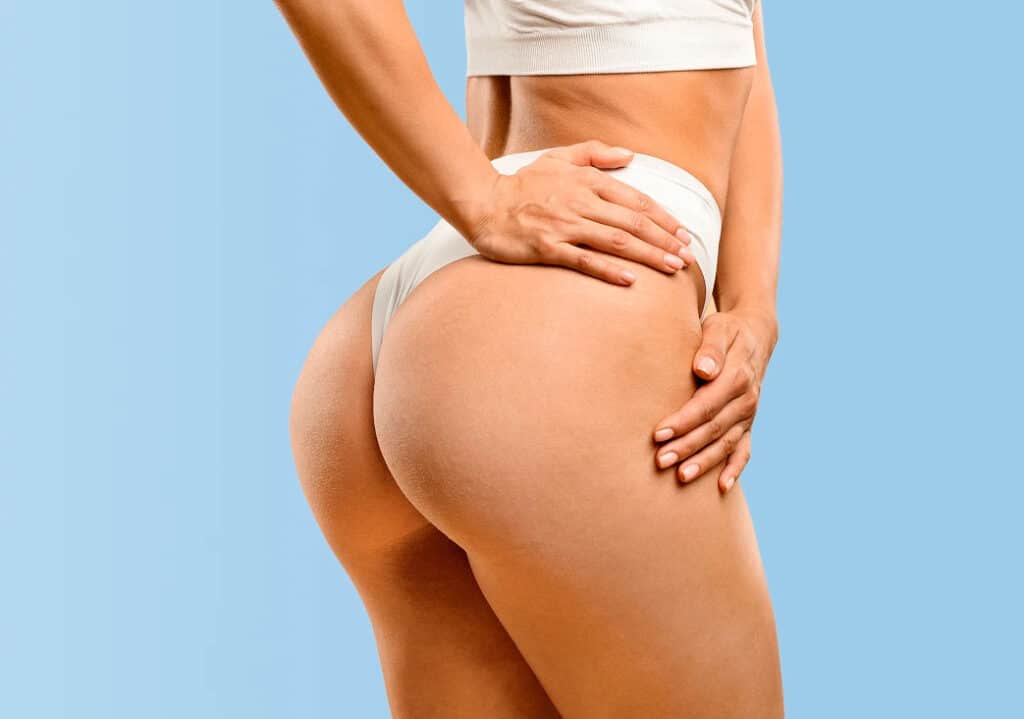
Improve skin integrity with a pre-procedure routine. Hydration, sun protection, and topical retinoids when advised by a clinician can help.
Examples: A patient with firm hips and good dermal tone will usually see more predictable surface smoothness than one with stretched, thin skin.
Health Status
General good health is necessary. Screen for smoking, uncontrolled diabetes, bleeding disorders, or medications that predispose.
Smoking impacts healing and outcomes, and they typically recommend cessation at least 4 to 6 weeks before surgery. Candidates must be able to follow post-operative instructions and commit to recovery, as willingness to adhere to aftercare has a direct impact on how well fat cells survive and settle.
Mental readiness matters: understand time off work, activity limits, and follow-up visits. Example: Someone with well-managed Type 2 diabetes and a clean smoking history may still be a candidate if cleared by their physician.
Realistic Goals
Mini BBL provides subtle enhancement versus a full BBL. It cannot create dramatic volume gains or completely fix severe asymmetry.
Let me set expectations and align the plan with your anatomy. Browse before and after galleries of similar physiques to view probable results. Match surgical objectives to what the body can safely accommodate and donor sites can deliver.
The Psychological Impact
Psychological effects of experiencing a BBL with minimum downtime are as important as the physical procedures. The decision usually emerges from a blur of pragmatic objectives and underlying emotional desires. Emotional responses can be everything from buoyed confidence to angst, and knowing what to expect helps patients navigate that spectrum.
Expectation Management
Honest conversation about what a mini BBL can accomplish is crucial. Surgeons and patients must come to reasonable expectations, recognizing the boundaries of fat transfer and what amount of alteration is safe. They will need to prepare themselves for incremental transformation.
Due to swelling, fat settling, and tissue remodeling, it might take weeks or even months for the final appearance to emerge. Visualizations and virtual realities assist in establishing a specific goal; however, they are roadmaps, not assurances.
Keep in mind studies showing varied outcomes: about 86% report improved body image after BBL, yet some research finds only 30% report such improvement, and up to 20% experience disappointment. These figures underscore why advance transparency minimizes unsatisfied desire.
Open lines of communication in recovery allow the surgeon to address concerns early and prevent little worries from becoming lingering dissatisfaction. For those exhibiting symptoms of body dysmorphia—approximately 30% of cosmetic voluntaries—mental health screening prior to surgery aids in detecting individuals who would not benefit psychologically.
Social Downtime
Even low-downtime methods typically necessitate a brief work/social hiatus. Schedule a couple days of couch-bound immobility, with reasonable timeframes for when you can once again find comfort in sitting or attending events in public.
Privacy is painfully vulnerable, so develop some short, truthful talking points for friends and co-workers about needing a little period of recuperation. Clothing choices matter: soft, high-waist garments and seating cushions can ease early days, and a small support pillow or inflatable cushion can reduce pressure on graft sites.
Social media can make this phase harder. Seventy percent of young women say social influence affects their thoughts about cosmetic work, so manage your exposure and do not compare early results to airbrushed photos. Organize assistance at home if necessary and establish limits to safeguard your environment as you recover.
Body Image
Newfound curves can provide a psychological lift. The increases typically come gradually. As swelling falls away and contour sharpens, delight can increase, but only if you can wait.
While a few individuals experience boosted confidence almost immediately, for others, it takes time for their internal self-image to catch up with the outward change. Those with body dysmorphic disorder, who are at increased risk of persistent dissatisfaction, may not be mitigated by surgery alone.
Stay sane by keeping tabs on those small victories, engaging in self-compassion, and seeking support groups or therapy when the guilt or anxiety sets in. Recovery can rattle stress and insecurity, and emotional support keeps it grounded.
Conclusion
Mini BBL provides a defined alternative for individuals seeking a more sculpted silhouette with less BBL downtime. It keeps fat moves small and focuses on key areas. Strict fat surgeons, BBLs with minimal downtime using focused fat handling and tiny injections reduce swelling and accelerate recovery. Non-surgical avenues provide subtle lift with no incisions but require additional treatments and deliver gentler transformation. Great candidates have stable weight, achievable goals, and good skin tone. Recovery with rest, short walks, compression, and planned sleeping positions reduces downtime. Don’t anticipate miraculous overnight results. It’s slow, steady progress over weeks. For a secure, speedy return to routine, select a board-certified surgeon and plan an aftercare strategy. Ready to get next steps or find a specialist?
Frequently Asked Questions
What is a mini BBL and how does it differ from a traditional BBL?
Mini BBLs use smaller fat volumes and fewer injection sites. It aims for small contour changes with less operating time and recovery than a standard BBL. The outcomes tend to be more subtle and better for patients looking for a mild lift and contouring.
How long is downtime after a mini BBL?
Recovery is much easier, with only 3 to 10 days of downtime for simple activities. Most people get back to light work in a week. Final results and full recovery take 6 to 12 weeks as swelling and bruising subside.
Can I minimize downtime after a mini BBL?
Yes. Adhere to all of your surgeon’s post-op guidelines, wear compression garments, don’t sit on your buttocks for 2 weeks, and sleep prone or on your side. Good nutrition, hydration, and quitting smoking accelerate healing.
Are non-surgical alternatives effective for buttock lifting?
Non-surgical options such as dermal fillers, radiofrequency, and muscle stimulation provide a temporary facelift. They have less downtime and produce smaller, more short-lived results than surgical fat grafting.
Who is a good candidate for a mini BBL?
Ideal candidates are near their goal weight, have sufficient donor fat, and desire subtle contour modifications. They should be healthy, non-smokers with expectations that are realistic and confirmed by a board certified plastic surgeon.
What are the main risks of a mini BBL?
Risks include infection, asymmetry, fat absorption, scarring, and long-term swelling. Serious complications are rare with experienced surgeons. Selecting a qualified, board-certified provider minimizes risk.
How soon will I see final results from a mini BBL?
Early shape shows in weeks. Final curve hardens into place about 3 months post-bbl when the majority of swelling abates and the transferred fat settles in. Some fat can be reabsorbed, resulting in final volume shifting during this time.