Directions
 Call Us
 Email Us


Key Takeaways
- Knowing what can go wrong and reviewing the risks with your surgeon are important preliminaries to liposuction.
- Our thorough preoperative evaluations, including an examination of your health history and medications, mitigate complication risk.
- Choosing a skilled, board-certified surgeon and a facility that adheres to safety standards will enhance your safety and outcomes.
- Adhering to post-op care, keeping an eye on your healing process, and visiting your surgeon for follow-ups are imperative.
- Healthy lifestyle habits like diet and exercise promote the longevity of results and reduce the risk of fat returning.
- Getting your head in the right place about body image and managing expectations can help you have a good experience and be happy with your results.
Liposuction complication prevention refers to precautions and safeguards that assist in maintaining risks minimal prior to, during, and after the procedure.
These measures consist of diligent patient selection, aseptic instruments, competent personnel, and rigorous post-operative monitoring. Identifying the early signs of problems such as infection or clotting can significantly reduce the risk of serious complications.
Being prepared by knowing what to expect and what to do can help make the whole process safer and smoother. The following section details these steps.
Understanding Risks
Liposuction can produce contour changes, but it’s got real risks. Being aware of what could go awry and how to identify the symptoms enables individuals to make educated decisions. They can vary from mild swelling to life-threatening issues. The likelihood and severity of each risk can vary depending on the specific form of liposuction employed, the patient’s individual health, and their adherence to post-operative protocols.
Here’s a table with a few common complications, their severity, frequency, and impact.
| Complication | Severity | Likelihood | Impact on Patient |
|---|---|---|---|
| Bruising (Ecchymosis) | Mild | Common | Temporary discomfort, cosmetic |
| Swelling (Edema) | Mild | Very common | Delays healing, minor pain |
| Infection | Moderate-Serious | Uncommon | Can slow recovery, may need antibiotics or more surgery |
| Fat Embolism | Severe | Rare | Life-threatening, needs urgent care |
| Deep Vein Thrombosis (DVT) | Severe | Rare | Risk of pulmonary embolism |
| Skin Laxity | Mild-Moderate | Occasional | May need further treatment |
| Nerve Damage | Moderate | Uncommon | Numbness, tingling, possible permanent effects |
| Wound Dehiscence | Moderate | Rare | Delayed healing, more procedures needed |
| Hypertrophic Scarring | Mild-Moderate | Occasional | Cosmetic impact, may need scar therapy |
Grave complications can ignite chronic health issues or extend the recovery process. Fat embolism, DVT, and PE can kill. Lymphedema, wound breakdown, and deep infections sometimes take weeks to materialize. These risks underscore the requirement for diligent medical follow-up and candid conversations between patient and surgeon.
How these risks play out typically depends on the type of liposuction, the treated area, and individual risk factors.
Common Issues
- Mild pain, bruising, and swelling
- Temporary numbness or tingling
- Small scars or uneven skin
- Minor fluid buildup
- Mild skin color changes
Taking good care of the surgical site post-op is crucial. Easy measures such as maintaining cleanliness in the region and wearing compression garments can prevent minor troubles from escalating. While most minor issues disappear with time, brushing early signs under the carpet can lead to more complicated situations.
Hydration and good nutrition support the healing process. Good nutrition provides your body with the resources it requires to repair tissues and control inflammation. Patients who don’t eat before surgery or drink enough after often experience excessive swelling, bruising, or delayed healing.
Preoperative risk screening counts. Physicians should inquire about smoking, drug use, and medical issues. Smoking can impede healing and increase the chance of infection. Everyone needs to stop smoking four weeks before surgery. Stable weight for six to twelve months reduces risk.
Serious Dangers
Life-threatening complications from liposuction are uncommon. If they occur, they can be severe. Fat embolism, DVT, and pulmonary embolism lead the way. Symptoms such as difficulty breathing, chest pain, severe hemorrhaging, or high fever require urgent care. These issues can occur days or even weeks post-surgery.
The surgeon’s expertise goes a long way in preventing these risks. Soft touch, strategic incision, and the wisdom to halt don’t just protect patients. Not all patients are at equal risk. People with clotting problems, smokers, or unstable weight require extra attention.
The Caprini score assists physicians in screening for clot risk prior to surgery. These high-risk patients might require overnight hospital observation.
Mental health is also a crucial factor. Body dysmorphic disorder (BDD) can impact as many as 15% of individuals pursuing liposuction. This can alter patients’ perceptions of risks and results. They say that frank discussions about anticipations and a thorough mental health evaluation are crucial prior to an operation.
Pre-Surgery Diligence
Pre-liposuction diligence goes a long way in trimming risks. A pre-surgery checklist of sorts is a must. Begin with a pre-surgery diligence: CBC, LFTs, and clotting profile. These examinations reveal any underlying problems that could cause bleeding or hematoma.
Quit smoking a minimum of three weeks prior to surgery. All blood thinners, aspirin, vitamin E, herbal supplements such as ginseng and ginkgo biloba, and common over-the-counter drugs must be discontinued at least one week prior, only after receiving the go-ahead from your physician. If your blood tests come back with any aberrations, such as a clotting issue, address them first with medications like vitamin K.
Maintain weight, measurements, and photo records for tracking changes. Marking the body while standing helps plan the surgery. You need informed consent, so you have to talk through all of the risks and potential complications. Basic rigor—hand washing, sterile instruments, proper skin cleaning, and delicate handling—reduces infection or wound complications.
1. Your Health
Weight or fat distribution can make some people poor candidates. Tell your doctor about any medicines, herbs, or vitamins you take. Others, such as anti-inflammatory medications or supplements, can increase bleeding.
These silent health conditions, such as diabetes, heart disease, and bleeding disorders, that you may or may not be aware of can make you vulnerable during or after surgery. If you know these risks, then your team can plan for them. At least be diligent before surgery. A new routine can help you stop grazing so you heal and keep results longer.
2. Surgeon Choice
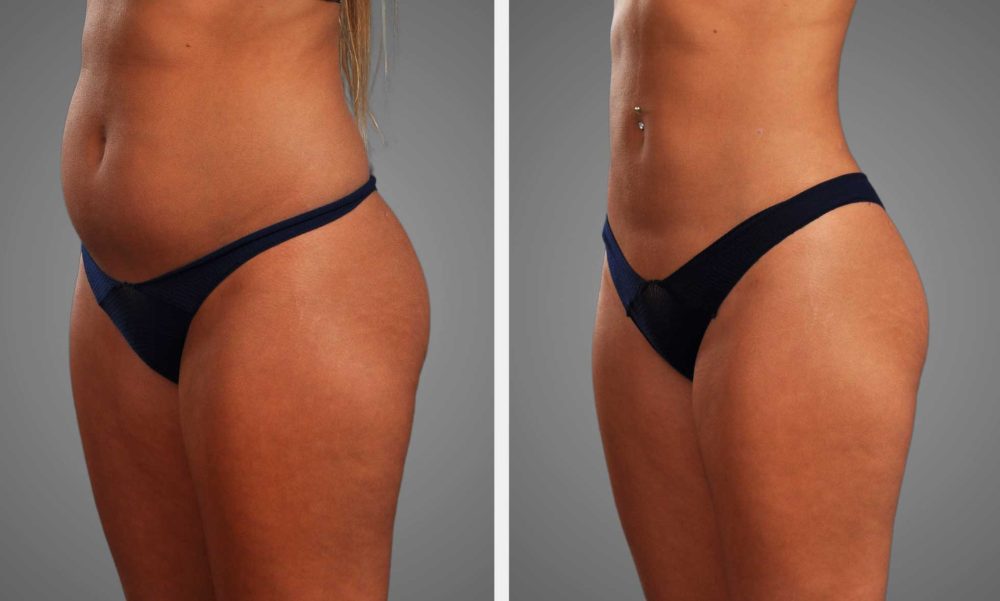
Find a board-certified, experienced liposuction surgeon. Review before and after photos. These provide a legit feel for what to expect. Consult more than one surgeon.
Inquire about their strategy if an issue arises, both in surgery and post. Choose a surgeon who will answer questions and explain steps with no pressure.
3. Facility Check
Ensure the surgery center is certified and world safety rules are observed. Inquire about their emergency protocol. If you do have pre-surgery diligence, does the center have instruments for issues like profuse bleeding or infection?
Do you have professional assistance available during the entire surgery? These things count for peace of mind and actual security.
4. Realistic Goals
Align your ambitions to what’s feasible with your body and health. Discuss with your surgeon to establish realistic, hopeful expectations. Liposuction sculpts the body and not weight loss.
Some require more than one session to get the best results, so prepare for that.
5. Lifestyle Prep
Be careful and diligent with your eating and exercise before surgery so you can heal faster after. Quit smoking and limit alcohol because both can impede healing.
Hydrate your body with water. Prepare for the metamorphosis. Healing is slow, and results can fluctuate as you recuperate.
Surgical Techniques
Surgical techniques of liposuction have many variations, each with specific safety considerations. Choosing the right technique is important for seamless healing and fewer complications. Talking through your options with a great surgeon is crucial. Certain aggressive techniques may assist with improved results and safer surgery, but only the most appropriate for your physique and goals.
- Suction-Assisted Lipectomy (SAL): Most frequently performed. Fat is removed by means of a thin tube and vacuum. It has a common safety history, but it can result in tissue trauma if performed without caution.
- Tumescent Technique: Involves large volumes of fluid with dilute anesthetic and epinephrine. Minimizes blood loss and pain. It is key to adhere to safe epinephrine restrictions, which is no more than 10 mg total per sitting.
- Superwet Technique: Similar to tumescent, but uses less fluid. They even refer to it as the most secure one, specialists tend to say. The right fluid mix saves lives.
- Ultrasound-Assisted Liposuction (UAL): Uses sound waves to break up fat. Can assist in dealing with stubborn fat or fibrous regions. Increases hazards of scalds if not attended to by skilled hands.
- Laser-Assisted Liposuction (LAL): Uses a laser to melt fat before suction. It assists in skin shrinkage, but high settings can burn or damage tissue.
- Power-Assisted Liposuction (PAL): Uses a fast-moving cannula, which can speed up fat removal. It reduces surgeon fatigue and might reduce tissue trauma.
Method Matters
How fat is removed impacts both appearance and complications. SAL, the time-tested alternative, still requires dexterity to prevent irregular contours or tissue trauma. Superwet and tumescent techniques, when performed correctly, reduce blood loss and facilitate pain control.
Make sure you discuss the advantages and disadvantages of each method with your surgeon. Not every technique suits every individual or joint. Some desire subtle shaping, while others need high-volume removal.
Good technique reduces major complications, such as Fat Embolism Syndrome (FES), which can occur when over 900 mL of fat is removed. Most issues are minor; however, fatalities occur in 1 in 5,000 cases. That’s why the technique and surgeon experience are so crucial.
Anesthesia’s Role
What type of anesthesia is used affects both the risks and your post-surgical feel. For small areas, local anesthesia works beautifully and is safe for up to 1,000 mL of fat. Large-volume liposuction requires deeper anesthesia, occasionally even general.
That can translate into extended hospitalizations and increased risks. Each type of anesthesia introduces its own complications, such as allergic reactions or respiratory distress. With a master anesthesiologist—one who understands cosmetic surgery—these risks are mitigated.
The amount and type of drugs, like lidocaine, must stay within safe limits. The safe limit is 4 to 5 mg per kilogram, or up to 7 mg per kilogram if used with epinephrine.
Technology’s Edge
| Technique | Main Benefit | Key Risk |
|---|---|---|
| Ultrasound (UAL) | Breaks up dense fat | Burns, nerve injury |
| Laser (LAL) | May tighten skin | Heat damage |
| Power-Assisted | Faster, less fatigue | Cannula injury |
Contemporary liposuction instruments assist surgeons to extract fat with greater precision. Tools such as PAL or UAL can facilitate treatment of difficult areas and can result in less bruising.
Certain machines monitor patient vitals throughout the procedure, providing additional reassurance. These sophisticated techniques may translate into speedier recovery and improved scalp contour. As with any new tool, it has its own learning curve and risks.
Post-Op Care
Post-Op care is essential to reducing the risk of complications after liposuction. Recovery varies from patient to patient, but there are some general steps that are common. A considerate post-op care routine promotes healing, minimizes complications, and ensures optimal outcomes.
- Take pain medications as prescribed by your doctor
- Go to all your follow-up visits
- Avoid strenuous exercise for at least six weeks
- Start walking in your area 1–2 days after surgery
- Do not wear tight clothes that constrict blood flow near the operation site.
- Keep the treated area clean and dry
- Begin getting massage and ultrasound treatments once a week, approximately one week post surgery.
- Start pharmacological prophylaxis 6 to 12 hours after surgery for 7 to 10 days.
- Remain at the hospital a minimum of 15 to 24 hours post surgery.
- Monitor for signs of infection or clotting, particularly from days three to seven.
- Please don’t smoke for at least four weeks post-operatively.
Follow Instructions
Adhere to all your surgeon’s post-op care instructions. These instructions are specific based on their familiarity with your situation and cover things such as wound care, activity restrictions, and using compression garments if applicable. Keeping it dry and clean does so much to prevent infection.

Change dressings per your instructions and never apply creams or other products to it unless your surgeon says it’s OK. If you notice redness, swelling, or pus, notify your surgeon immediately. Any fever or shortness of breath should bring you down to the doctor immediately, as these are potential indicators of infection or lung issues.
Rest is key, particularly in that first week. No heavy lifting or bending over. Going slow and easy on yourself allows your body to recover.
Monitor Yourself
Monitor the surgery site often for changes. Watch for swelling, discoloration, or increasing pain. These could signify a problem beginning, and catching it early can make all the difference. Walking around your neighborhood within one to two days gets your blood flowing, which is good for healing and reduces the risk of blood clots.
Stay on top of your post-surgical body. If you notice new lumps, asymmetrical swelling or other unexpected changes, contact your physician. Maintain contact with your surgeon, particularly throughout the initial week.
It’s days three through seven that a dangerously serious blood clot is most at risk of occurring. Our surgeons want you to share any concern, big or small.
Long-Term View
Establish goals for maintaining your new form. Post-Op Care – Eating well and remaining active continue to count long after surgery. If you gain weight, fat can return, even in areas that had liposuction. Consult your surgeon for tips on how to prevent weight regain and maintain your results.
Long-term self-care, such as maintaining an exercise regimen and not smoking, keeps your body contour firm. Post-Op Care – Weekly massage and ultrasound can expedite healing and optimize results. Long-term results require work and discipline.
The Mental Aspect
Mental readiness is just as key as physical preparation before liposuction. Most anticipate exclusively the physical changes but forget how body transformation can ignite emotional shifts. The mental side is varied, from increased body confidence to unanticipated anxiety or depression, as studies reveal.
These responses tend to have different peak times, with contentment sometimes requiring months to subside. For some, the mental gains peak around nine months following surgery, but others may be left feeling low or anxious deep into their physical healing. Speaking to a psychologist or reliable support figure can aid you in coping with these transitions and establish defined, achievable aspirations.
Expectation vs Reality
One key step before lipo is to clarify what you wish for versus what’s possible. We are all different and so our healing and our results are different according to our body type and our health. No surgeon can guarantee a perfect result and results won’t always be what you’ve envisioned.
Your doctor ought to tell you what you can anticipate for your own shape and health, and it’s beneficial to look at before and after photos from others with a similar build. Occasionally, swelling or bruising can alter the appearance of results in the initial weeks or months, causing disappointment or confusion.
It’s okay to feel conflicted during recovery. Others experience a surge of joy, while others manage anxiety or remorse. Studies find that as many as 50% of cosmetic patients are suffering some mental anguish and pre-surgical depression scores are high, with more than a third of patients demonstrating moderate symptoms.
By six months, these scores generally fall below where they were pre-procedure. Candid conversations with your surgeon and mental health professionals can help keep your expectations grounded and provide you with tools to weather the rollercoaster life that follows major body transformations.
Body Image
Following liposuction a lot of people become more comfortable with their appearance, not everyone. While roughly 80% of patients experience enhanced body image, a minority will endure sometimes severe ongoing body image conflict. For others, transformation of the body doesn’t always solve deeper issues regarding self-acceptance or self-esteem.
BDD sufferers, for instance, are more apt to be dissatisfied post-op. Research indicates that as many as 15% of cosmetic patients may have undetected BDD. If you observe persistent distress about your appearance, seek out a counselor. Cognitive behavioral therapy (CBT) can assist anxiety, depression, and body image, with as many as 80% experiencing real improvements.
Friends or pro support can make a big difference. Open discussions about your emotions and fears are crucial to coping with the transitions of the body. Don’t forget that surgery is only one ingredient in feeling good about yourself. Mental aspects are as important as what you see in the mirror.
Your Active Role
Asserting your active role in your liposuction journey means owning your health, not just handing it over to the surgeon. It begins with the basics—understand what liposuction is capable of and incapable of, the process, and the real risks. You want to pose your care team specific questions about the surgery, such as how they maintain sterility, what protocols are in place to reduce risk, and what they use to prep the skin before incision.
These precautions, including washing hands thoroughly, using clean instruments, maintaining a sterile environment, and handling the skin gently, are not just window dressing. They assist in maintaining sterility and reduce your chances of catching an infection or other issues before and after surgery.
Active participation is crucial. Open talk with your doctor can make a big difference. If you have concerns, perhaps about pain, swelling, scars, or the end shape, mention them early. Others are taken aback as to how much swelling shows up in the first 24 to 48 hours.
It is typical for this swelling to persist for a couple of weeks. Your crew should guide you through what to anticipate, how to identify complications like seromas, which are fluid pockets that may arise in up to 3.5% of cases, and which red flags require urgent attention.
For instance, sudden shortness of breath or chest pain could indicate a rare fat embolism. These things can occur within the initial three days post-surgery, thus recognizing what to monitor is essential.
Your role doesn’t finish with the surgery. You have a significant role in healing. Adhering to post-operative care guidelines, such as wearing a compression garment for 4 to 6 weeks, can help manage swelling and your skin heal nicely. Occasionally, your care team might recommend additional padding on top of your belly button for a week or more to assist with healing in that region.
If you notice bumps or uneven skin, don’t panic for a solution. Too often, it’s best to wait 6 months or sometimes a year before contemplating another surgery. This allows your skin to contract and settle.
Patience is in the mix. It might take you months to recover. Others must wear the tight clothes for up to three months to achieve the optimal effect. Attend your follow-up visits and adhere to all aftercare instructions.
This assists in catching issues early and maintaining your repair course.
Conclusion
To reduce the risk of liposuction issues, proper measures are important at each stage. An experienced physician, intelligent preparation, and genuine post-operative care all help. Easy practices such as open dialogues with your physician, aseptic wounds, and gradual work re-entry provide obvious benefits. Having friends or a care team around you supports you and assists with the stress and can catch problems early. Understanding what to look out for puts you in control of your wellness. Tiny measures multiply quickly and leave you with extra reassurance. Curious or need guidance? Contact a reliable medical professional and remain straightforward and honest with your queries. Your decisions hold the power to define your recovery.
Frequently Asked Questions
What are the most common complications of liposuction?
Most common complications are infection, bleeding, contour irregularities and fluid accumulation. Selecting an experienced surgeon and adhering to care directions may help minimize these risks.
How can I reduce my risk of complications before liposuction?
Select a board-certified surgeon and disclose your complete medical history. Keep all pre-surgery instructions. Quit smoking and avoid certain medications as recommended by your physician.
What surgical techniques help prevent complications?
New techniques, for example tumescent liposuction and small incisions, minimize bleeding and bruising. Some surgeons offer ultrasound or laser assistance for additional safety and precision.
Why is post-operative care important for preventing problems?
Proper post-op care prevents infection, swelling, and poor healing. Listen to your surgeon, return for every follow-up visit, and keep incisions clean for the best possible recovery.
Can mental preparation help in complication prevention?
Yes. With proper procedure comprehension, realistic expectations, and stress management in place, you can help your recovery and decrease your risk of complications.
What role do patients play in preventing liposuction complications?
An active patient is the key. Observe all pre- and post-surgery guidelines, report any abnormal symptoms early, and continue a healthy lifestyle for best results.
How does global experience influence liposuction safety?
Internationally trained surgeons tend to adhere to rigorous safety measures and incorporate the latest techniques, which can contribute to reducing these risks for patients around the globe.