Directions
 Call Us
 Email Us



Key Takeaways
- Combining liposuction and breast surgery is a common and effective option that can address multiple cosmetic concerns in a single surgical session.
- They get to have one recovery, have simplified aftercare, and end up saving more money than if they had been done separately.
- With careful planning, thorough consultations and medical evaluations, it can be done safely with great results.
- Best candidates are healthy individuals with reasonable expectations and a thorough awareness of potential complications and recovery periods.
- Customization, along with technique selection based on your body type and goals, helps us achieve balanced and natural-looking outcomes.
- Adhering to post-operative instructions and attending follow-up appointments are essential for optimal healing and results that last.
You can do lipo and breast surgery together in most cases. Most doctors perform both procedures simultaneously to save time and facilitate healing.
Doing lipo and breast surgery together can reduce your expenses and downtime. Good candidates aren’t everybody, so doctors will screen your health and goals first.
More on who can do both and what to expect next.
The Combined Procedure
Liposuction and breast surgery are the most common combination procedures performed by plastic surgeons. That’s why so many people opt to treat several cosmetic concerns simultaneously for the ease of one appointment as well as the opportunity to witness a more comprehensive transformation in their shape.
The combined procedure of having both surgeries in the same session can mean one recovery, which typically makes post-op care simpler and less intrusive. Consulting with a board-certified plastic surgeon is crucial. Safety and a beautiful outcome require proper planning and medical supervision.
1. Surgical Synergy
Combining liposuction and breast surgery at the same time can sculpt your body for a more balanced figure. Removing fat from the hip, stomach, or arms and then recontouring breast size or shape can allow lines and curves to better correspond.
Surgeons frequently utilize these phases to ensure the body appears as though it all fits together, rather than piecemeal. Both surgeries at once have patients going under anesthesia only once, which is more efficient.
It can mean less time in the operating room and less exposure to the risks associated with being put under. By attacking multiple areas, the transformation can appear more organic. For instance, taking in the waist with liposuction while lifting the breasts can help create a more youthful and even appearance.
2. Common Pairings
With liposuction, breast augmentation is the top pick. Patients who desire more chest volume and less fat in areas often choose this combo.
Breast lift with liposuction is another popular pairing, particularly for individuals aiming to address sagging and contour other areas to be slimmer. Tacking on a tummy tuck to the mix is commonly done for folks seeking a significant transformation, such as post-baby.
These combinations allow patients to address more than one objective in a single surgery. Experience demonstrates that patients who undergo the combined procedure can have a solid recovery and enjoy long-term results, provided they’re healthy.
3. Anesthesia Duration
Double surgery means double anesthesia time. This can increase certain risks, so it is critical for the surgical team to strategically schedule and screen the patient’s health prior to beginning.
They use machines to monitor the patient during a longer surgery. The anesthesia type may vary as well. General anesthesia is typical for such combinations, and the strategy might alter if the procedures are intricate.
4. Cost Efficiency
Getting them both at once can be cost-effective. Patients pay once for the operating room, anesthesia, and surgeon’s time.
It eliminates two sets of fees and minimizes overhead including travel and wasted time in the office. Numerous surgeons provide payment plans or financing options to assist with the upfront costs.
Compared to performing each surgery individually, the combined procedure is generally less expensive.
5. Single Recovery
One recovery period is simpler for most people. This means fewer days off work and less time healing overall.
There’s still swelling, bruising, and some pain for a few weeks, but most people can get back to daily life in two to four weeks. Adhering to post-op care is crucial.
Stuff like compression wear, incision hygiene, and surgeon follow-ups assist a swift recovery. With a little advanced planning for assistance at home and sufficient rest, your healing process will be smoother and safer.
Ideal Candidates
Candidates for having lipo and breast surgery at once have to meet some definite characteristics. It’s not just about desiring a change. Surgeons view a combination of health, lifestyle, and mindset prior to approving both procedures performed together. These checks assist in ensuring the individual can tolerate the procedure and recover safely without significant risks.
Optimal candidates are healthy and without significant health issues. No heart problems, pulmonary fibrosis, or uncontrolled diabetes. If someone has good blood pressure and is not on blood thinners or other dangerous medications, that’s a positive indicator. Your body needs to recover from surgery, so folks who maintained regular exercise, ate a healthy diet, and were near their ideal weight perform better.
For instance, a person who runs a few times a week and maintains a stable body weight over the months has a more robust foundation for recovery. Maintaining a consistent weight is crucial. Fluctuators might not achieve lasting success. Your body shifts if you lose or gain weight post-op, which can sabotage the work of both liposuction and breast surgery.
A woman who is at or close to her goal weight and desires to smooth out some stubborn pockets of fat or improve the contour of her breasts is the textbook good candidate. This group typically desires a more proportionate figure, not a complete size transformation. Skin quality is important. Great skin elasticity refers to the ability of the skin to bounce back into shape once fat is extracted.
Individuals with taut skin and no significant stretch marks or laxity in the treatment areas are candidates for more seamless outcomes. Someone in their 30s, with good skin and no previous episodes of major weight loss typically falls into this category. Reasonable expectations work wonders. We need people to understand both the advantages and the boundaries of these surgeries.
Outcomes are uncertain and certain things, such as body healing and scarring, are not entirely within anyone’s grasp. The top candidates are the ones that come in knowing what to expect, are able to do some reading on fundamentals, and ask candid questions. Lifestyle decisions matter. Smoking impedes healing and increases complication risk, so non-smokers or those willing to quit pre and post-op are preferable candidates.
Those who are able to clear enough time off work and home obligations to rest post-surgery and who adhere to aftercare advice generally heal more quickly and experience fewer complications.
Surgical Planning
Surgical planning is the first and most critical step when considering liposuction and breast surgery together. It’s about more than just selecting dates. It means thoughtful discussions with your surgeon, thorough screenings of your health, and a comprehensive plan tailored to your body and objectives.
Most individuals opt to do surgeries like this in tandem to save time and money. For example, you require just a single stint of anesthesia and a single surgeon and operating room fee. That can really impact the final cost and less time out of work and life.
Surgeons consider the duration you can safely remain under anesthesia, with most specialists stating that six hours is the safe threshold. If the plan runs longer than that, it’s probably safer to divide up the surgeries. Your health, previous medical history, and your lifestyle needs, such as how quickly you want to recover, are all factored into the plan.
Procedure Sequencing
How the surgeon sequences the steps in your conjoined surgery is very significant. They’ll occasionally begin with liposuction of the torso to sculpt the body prior to the breast procedure. In other instances, the breast surgery precedes, particularly if there’s a lift or implant.
Selecting the proper sequence can transform your recovery and how your new appearance sets. For instance, if you undergo lipo first, there could be less swelling in your chest, allowing the surgeon to better visualize the ultimate breast shape.
Doctors always look at your body and needs. Your own body, the amount of fat in certain areas or skin elasticity, can make one order superior to another. There were actual instances where the order mattered. For others, performing breast surgery after liposuction made the chest appear more in balance with the waist.
Technique Selection
Surgeons have more than one way to perform liposuction or breast surgery. Some opt for traditional liposuction, while others may choose laser or ultrasound to liquefy fat. For breasts, the options vary from lifts to implants or reductions.
How they do it can accelerate healing or provide a softer, more natural appearance. It’s a neat technique that must suit your physique. For instance, individuals with tight skin will respond differently to specific liposuction procedures.
New tools and tech, like power-assisted lipo or 3D imaging for breast planning, allow surgeons to deliver more precise results and maintain safety when combining procedures.
Customization
No two people are alike, no two surgical plans should be either. Personalizing the surgery plan involves the surgeon hearing your preferences, evaluating your anatomy, and then tailoring the procedure specifically to you.
When you’re part of the plan, the outcome frequently aligns with what you imagined. Surgeons customize techniques and procedures to fit you if you desire a dramatic transformation or something more understated.
Transparent discussions between you and your surgeon ensure that the plan complements your lifestyle, your aspirations, and your physique.
Potential Risks
There are inherent risks in combining liposuction and breast surgery, as there are with any surgery. Both come with their own side effects and issues, and when combined, those risks can add up. Certain individuals may encounter complications such as infection, delayed healing, or blood clots.
You should know that the more you pile on your surgery plan, the greater your risk for issues that require additional treatment, extended hospitalization, or additional doctor visits.
- The complication rate following all combined procedures is 9.40%, significantly higher than breast surgery alone at 2.66%. This leap isn’t little and ought to give pause to everyone.
- Among “medium risk” individuals (1 to 3 points on risk scoring systems) who receive both procedures, the risk of a complication increases to 16.63%. For “high-risk” patients (4 to 7 points), it gets as high as 38.46%. That’s a giant leap, nearly 150% more.
- Most patients that had any posttreatment complication were in this group. Among 59,018 operations, 2,770 individuals, or 4.7 percent, experienced a complication following their surgery.
- The most frequent problems were surgical site infections (0.41%), DVT (0.22%) and PE (0.08%). These infections may appear minor, but they can result in significantly greater health risks, such as increased treatment requirements or being life-threatening.
- If you did both procedures separately, the risk for something going wrong at least once within 30 days would be about 12.15 percent. When you do them in conjunction, the risk is nearly four times higher than breast surgery alone.
- As a contrast, combined procedures have complication rates of 9.40% nearly as high as abdominal surgeries at 9.75% and significantly higher than breast procedures alone.
Knowing these numbers can let you balance the risks and rewards. It’s not about a desire to do two things simultaneously to save time or money. It’s about weighing what you desire from the surgery with what you’re willing to gamble.
Discussing your individual health, age, and risk factors with your personal physician is important, as these numbers are higher for those with preexisting conditions.
The Synergistic Effect
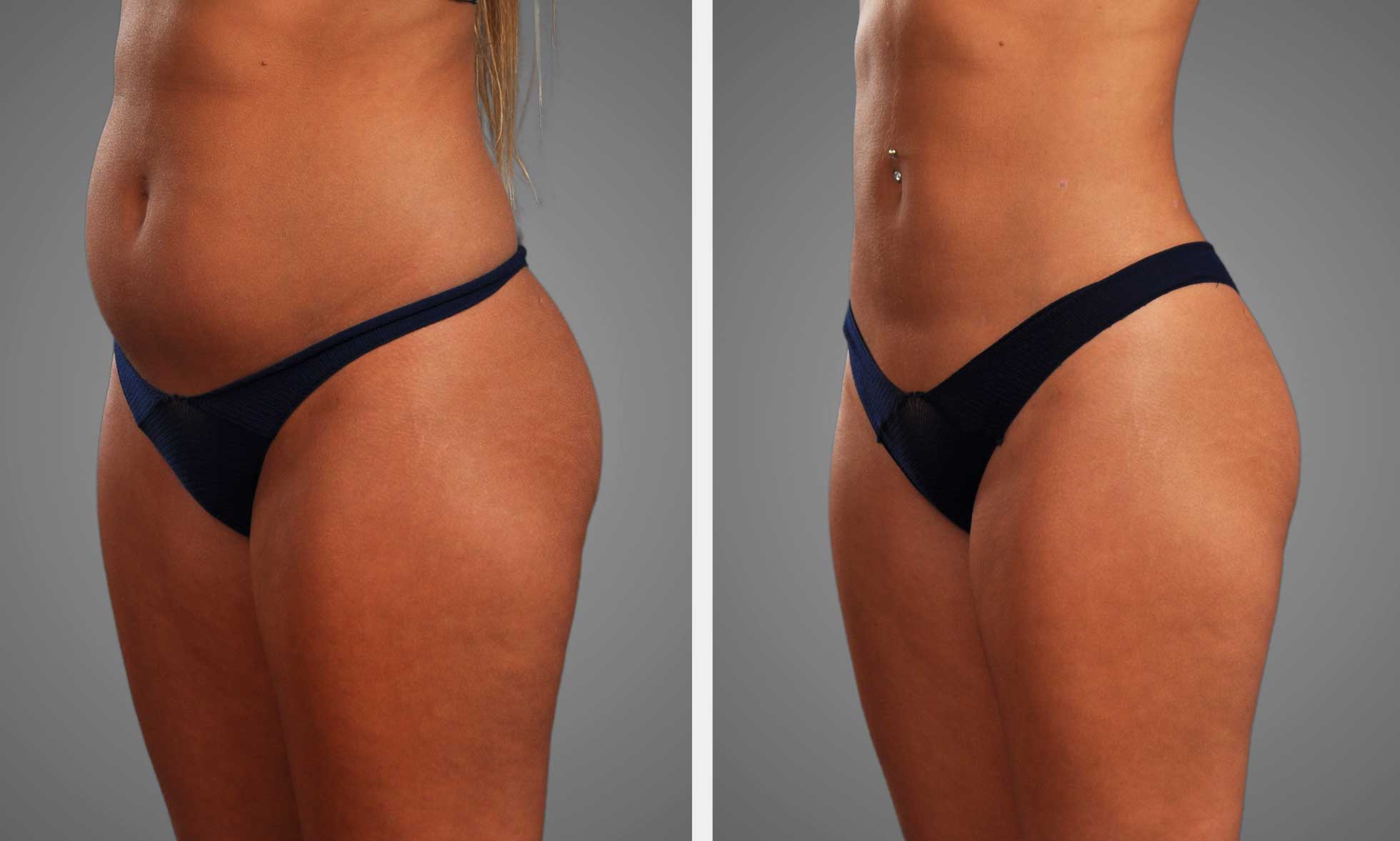
The Lipo 360 combined with breast surgery in one session can sculpt the body as solo procedures just can’t. This strategy addresses both the midsection and chest, resulting in better body proportions and a sleeker recovery. With this synergistic effect, patients find they’re overall happier with their look and appreciate a balanced, harmonious appearance.
Body Contouring
Body contouring encompasses surgical methods to sculpt and enhance the body’s figure. Its primary objective is to enhance an overall balanced figure and improve self-image, particularly essential for those who desire a subtle, yet impactful transformation. Achieving a well-proportioned look often means combining several methods:
- Lipo 360 eliminates fat from the stomach, waist, flanks, and back for an even reduction.
- Breast augmentation/lift sculpts and shapes the chest, ensuring that it stays in harmony with the body’s new silhouette.
- Strategic sculpting merges treated areas into the body’s natural curves.
- Skin tightening allows the skin to conform cleanly to the new contour.
When done well, body contouring allows people to look at themselves anew. A lot of them experience more confidence in their clothes and their lives. Expert surgical craft is critical; otherwise, the outcome is lumpy and unnatural looking. The magic is in a surgeon’s sense for synergizing art and craft, creating results that endure and resonate.
Fat Grafting
Fat grafting relocates a patient’s own fat from one area of the body to another, typically the abdomen or thighs to the breasts. This strategy is employed in breast enhancement to achieve a more voluptuous, tender feel without the need for implants.
Fat transfer provides a natural feel and look and often blends better with existing breast tissue. Unlike synthetic implants, using a patient’s fat decreases the risk of rejection and can be less likely to cause complications. The effect is multiplicative. Fat can be used not just in the breasts but to smooth out hips or buttocks, providing a more comprehensive contour in a single operation.

Proportional Balance
The synergistic effect is significant. When liposuction and breast surgery go hand in hand, surgeons can fix imbalances and optimize your ratios. A master surgeon thinks about the body as a whole, not just individual parts, to make certain the end result is natural and harmonized.
Others recount feeling “finally even,” or clothes fit better with the combination of procedures. These outcomes highlight the power of synergy. When each modification accentuates the other, the impact is more than additive.
Recovery Journey
When you combine liposuction and breast surgery, that’s one recovery, not two. This can be easier on your schedule and work life since you’re out of commission for fewer days. Yet recovery is trickier because you’re repairing in multiple locations.
Meticulous aftercare instruction from your surgical team is key to a smooth process and good result. While the majority of individuals can return to very light activities within a week, complete recovery and final outcomes require more time. It’s a healing journey, but it’s an emotional rollercoaster, so support and patience both count.
The First Week
You will be sore, tired and have swelling in both your treated areas and breasts the first week. Pain is generally controlled by prescription medicine and compression garments. These aid in managing inflammation and supporting healing tissues.
Bruising is common but clears within days. Others may have difficulty sleeping or ambulating. Going slow and only as far as you need to is best. Rest is not merely useful; it’s necessary.
Again, most surgeons will say don’t lift, stretch, or do chores. Even desk work is exhausting, so it’s OK to rest. It’s a good idea to have someone help with meals or other basics. Be in touch with your doctor, particularly if you notice redness, severe pain, or anything unusual.
Early support from your care team helps address small issues before they become large.
Activity Resumption
| Recovery Phase | Recommended Activities | Key Notes |
|---|---|---|
| 1st Week | Slow walks, basic self-care | No lifting, avoid stretching |
| 2nd–3rd Week | Desk work, light chores | Gradual return, no exercise |
| 4th–6th Week | Light exercise, no heavy lifting | Watch for swelling |
| After 6 Weeks | Normal activities, moderate exercise | Final clearance by surgeon |
Begin taking brief walks to help increase blood flow and reduce the chances of blood clots. Introduce activities gradually and never speed. Light stretching or guided movement may be recommended by your physician.
In certain instances, mild physical therapy can assist recovery but only after approval by your care team. Pay attention to your body. Sharp pain or swelling indicates to back off. No high-impact moves or heavy lifting until your doctor gives you the green light.
Final Outcome
Final results appear as swelling subsides, which can take up to six weeks or more. Scars do soften and fade over the months. Most individuals observe their new form solidify by three months.
Follow-ups keep healing on track. What you do with your lifestyle—maintain a stable weight, don’t smoke, and get moving—makes the results stick. For most, the true return is the surge of confidence and ease, as their physique feels aligned and empowered.
Conclusion
Most folks do lipo and breast surgery together to save time and hasten healing. Doctors can sculpt your figure in one session, which means less hassle and fewer appointments. The right plan and team make a world of difference in how things turn out. There are risks, of course, but good preparation and candid discussions with your doctor will let you know what to expect. We are all different, so specific objectives and authentic information are what count. To find out if this blend suits you, schedule a consultation with a reputable physician. Post your question and receive responses tailored to you. Your plan should fit your life and health, not vice versa.
Frequently Asked Questions
Can you have liposuction and breast surgery at the same time?
Yes, a lot of surgeons will do lipo and breast work together. This can save you from multiple surgeries and multiple recovery periods. Always check with your board-certified surgeon to see if this is safe for you.
Who is a good candidate for combined lipo and breast surgery?
Good candidates are healthy, have realistic expectations, and don’t smoke. Your surgeon will review your history and body goals to see if the procedure is appropriate.
What are the main risks of combining these surgeries?
Combining surgeries can heighten risks like infection, bleeding, and extended recovery. Meticulous planning by a seasoned surgeon helps mitigate such risks. Voice any concerns you have with your doctor.
How long does recovery take after combined procedures?
Recovery time is different for everyone. The majority of people require two to four weeks for primary healing. Full recovery will vary greatly depending on your health and the extent of surgery. Adhere to all post-surgery instructions for optimal results.
Are there benefits to doing both surgeries at once?
Yes, having them both done means one anesthesia, one recovery, and possibly even lower fees. It can provide more proportionate body results.
Will combining surgeries affect the final results?
In the hands of a talented surgeon, combining surgeries can bring about beautiful, harmonious body contours and natural-looking results. Your physician will schedule procedures to optimize results for you.
Is it more expensive to have both surgeries together?
Although the upfront price might be a bit greater, it usually costs less to combine procedures than to have surgeries separately. You save on facility and anesthesia fees. Come prepared — always request a detailed quote from your surgeon.