Directions
 Call Us
 Email Us


Key Takeaways
- Visceral fat loss and body contouring serve different purposes. Visceral fat loss focuses on internal health, while body contouring targets external appearance.
- Reducing visceral fat with balanced nutrition, physical activity, and stress management promotes long-term health and reduces the risk of chronic diseases.
- Body contouring can produce immediate visual results but does not solve the associated health risks of excess visceral fat.
- Depending 100% on cosmetic procedures can create a false sense of security, so no matter how lucky you get, keep up the healthy habits!
- By pairing healthy lifestyle changes with cosmetic treatments, you can have the best of both worlds.
- Having realistic goals and checking in on health and aesthetic progress helps keep results safe and effective for patients everywhere.
Visceral fat loss means you lose the fat surrounding your organs by eating better and moving more.
Contouring limits demonstrate the capabilities and limitations of non-surgical fat reduction. Reducing fat through this method can aid health, while contouring procedures largely affect appearance without significant health benefits.
To bring out the important details, this post breaks down how these two options work, what to expect, and where each one fits best.
The Core Difference
How visceral fat loss and body contouring work. Visceral fat is the fat that surrounds organs within the abdominal cavity. It impacts health and increases the risk for conditions such as diabetes, cardiovascular disease, and certain cancers. Body contouring addresses subcutaneous fat—the type beneath the skin—to transform the shape of specific places on the body. These two approaches serve very different purposes: one is about health, the other about looks.
1. Target
Visceral fat loss targets fat stored deep within the abdomen, near organs like the liver, pancreas, and intestines. This fat is tricky to visualize but is associated with health risks. When discussing losing belly fat for health, this is what they’re referring to.
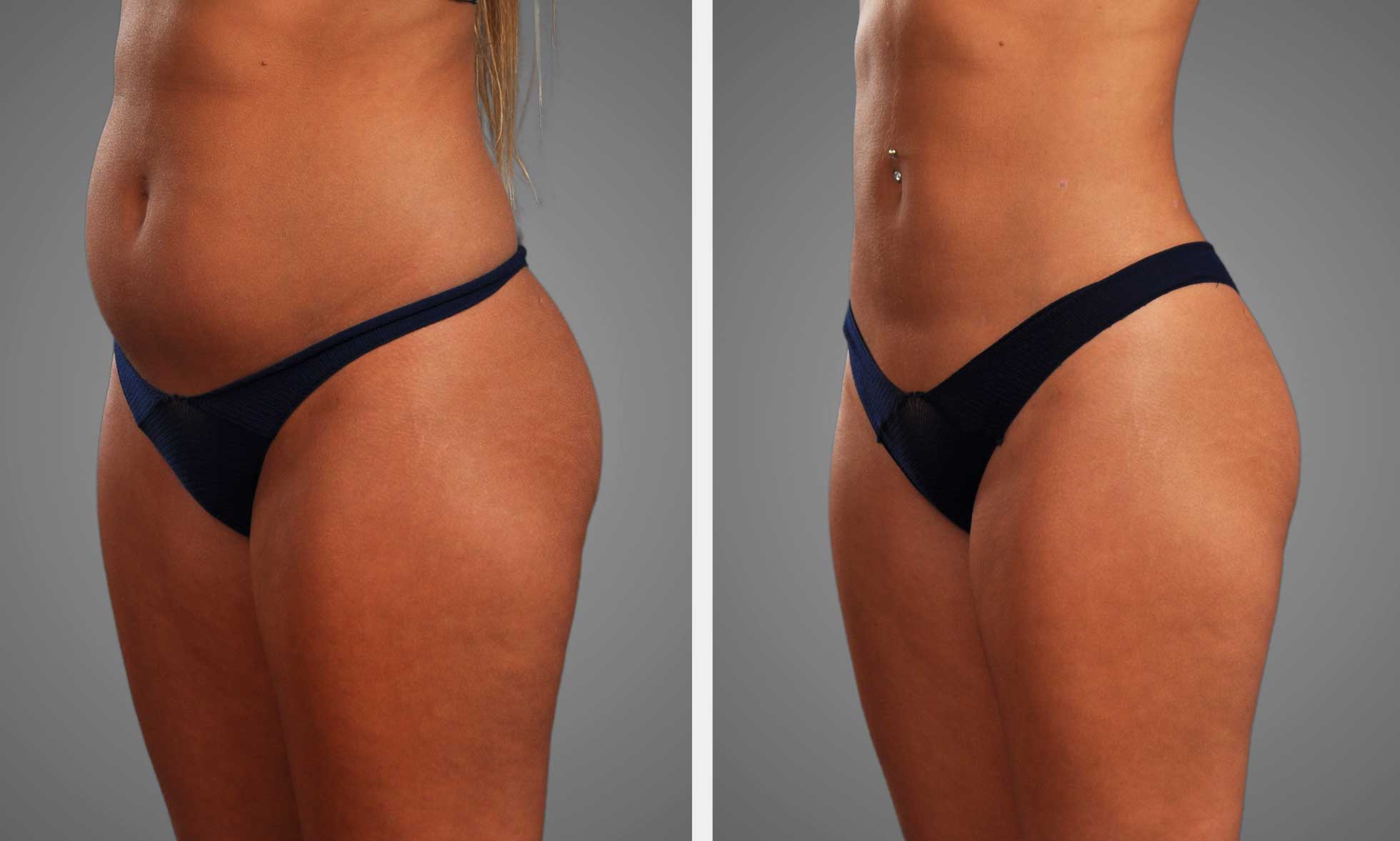
Body contouring addresses subcutaneous fat, the fat that lies just beneath the skin in areas such as your thighs, abdomen, or arms. Procedures like liposuction and non-invasive treatments target only these outer fat layers.
Visceral fat loss is a whole-body, systemic approach, while contouring is about targeted transformations of specific areas. Understanding where each approach applies helps you establish precise objectives and anticipate what to expect.
2. Purpose
By reducing visceral fat, it decreases your risk for chronic diseases and can improve metabolic health. It controls blood sugar, blood pressure, and cholesterol. This is a health-motivated objective.
Body contouring, on the other hand, is all about enhancing your physique and feeling better about yourself. They come for smoother lines, balanced proportions, or to repair tough pockets of fat resistant to diet and exercise.
Health goals aren’t beauty goals and knowing what you desire directs your decision. Others might require them both.
- Visceral fat loss is important for better health, disease prevention, and longevity.
- Body contouring is for improved appearance, body shape, and self-image.
3. Method
Visceral fat loss needs daily changes: eating less sugar and processed food, moving more, handling stress, and getting enough sleep. These habits operate over months or years.
Your body contouring procedure will utilize medical procedures like liposuction, CoolSculpting, or SculpSure. Surgical solutions tend to produce quicker results but carry side effects and extended healing periods.
Non-surgical ones are safer, but changes take time and may need multiple sessions. Both methods accommodate different lifestyles. Others mix the two, beginning with wellness transformations and supplementing with sculpting down the road.
4. Impact
Losing visceral fat can result in permanent health gains. Blood sugar and blood pressure get better and disease risk decreases. These changes stick if the habits do.
Cosmetic contouring demonstrates rapid transformations in form, which can boost self-esteem. These are only skin-deep and can wear off if the pounds come back.
Non-invasive results appear gradually and require maintenance. Surgical recovery is lengthier, with aches and activity restrictions.
5. Measurement
Visceral fat loss is measured in waist size or body scans, not just weight. Doctors could use body composition tools to monitor organ fat.
Body contouring is reflected in photos, mirror inspections, and satisfaction questionnaires. Both approaches require tracking progress over time, and it’s crucial to set goals that align with real-world shifts.
Visceral Fat
Visceral fat lurks in the depths of your abdomen, encircling critical organs such as the liver, pancreas, and intestines. Unlike fat under the skin, visceral fat is metabolically active. It releases hormones and inflammatory substances into the bloodstream that can alter the body’s functioning.
It matters greatly to health and wellness, as it is heavily involved in the body’s regulation of blood sugar, blood pressure, and cholesterol. Those with elevated visceral fat are more likely to develop dangerous health concerns, which is why it is important to understand and control this covert fat.
Health Risks
| Health Risk | Description |
|---|---|
| Insulin Resistance | Makes it hard for cells to use insulin, raising blood sugar levels. |
| Type 2 Diabetes | Increases the risk due to poor blood sugar management. |
| Hypertension | Raises blood pressure through hormone activity and blood vessel stress. |
| Cardiovascular Disease | Linked with heart attacks and strokes from artery build-up. |
| Metabolic Syndrome | A cluster of risks including high blood sugar, lipids, and pressure. |
| Inflammation | Drives chronic inflammation, which can damage organs and tissues. |
Visceral fat exacerbates inflammation by releasing cytokines, which are chemicals that ignite immune responses. That’s the main impetus behind metabolic syndrome, a constellation of risk factors that tend to predict type 2 diabetes and heart disease.
When visceral fat accumulates, the body is at an increased risk of high blood sugar, elevated cholesterol, and hypertension all together. It’s not about vanity. These risks make it important to maintain low visceral fat for long-term health.
Routine health screenings such as waist circumference measurements, blood pressure tests, and blood sugar tests detect risk factors before issues develop. This is critical for those who won’t immediately observe symptoms.
Reduction Strategy
- Move every day—brisk walking with some interval training is optimal. They help deplete fat stores and increase metabolism, both of which make your body more likely to burn visceral fat in the long run.
- Add strength training 2-3 times a week. Muscle helps your body burn more calories even while resting and reduces the amount of fat surrounding internal organs.
- Tackle stress daily with easy habits. Attempt mini-mindfulness, breath control, or brief timed breaks. High stress triggers hormones that cause your body to store more visceral fat.
- Consume a healthy plate of whole foods, such as vegetables, fruit, nuts, and whole grains. The Mediterranean-style diet correlates with decreased visceral fat. Stay away from soda and highly processed snacks.
- Sleep enough—7 to 9 hours per night is associated with reduced visceral fat. Poor sleep increases stress hormones and insulin resistance.
- Others may be candidates for drugs such as Semaglutide or Tirzepatide. These medications emulate naturally occurring hormones that assist in regulating insulin and blood sugar.
Research indicates that they can significantly reduce visceral fat and reduce risks for heart disease and diabetes.
Contouring Limits
Body contouring, surgical or non-surgical, can alter the appearance of the body but has obvious limits. These techniques can contour or thin specific regions but cannot address true deep visceral fat that surrounds the internal organs. Contouring limits.
It’s deceptive to suggest that contouring alone results in actual fat loss or enhances long-term health. Techniques such as liposuction usually keep patients sore and bruised for up to ten days, with a complete healing period extending over months. Nonsurgical options take weeks or months for results to become apparent and the final result won’t be visible until swelling subsides, which can take up to six months.
Health Blindspot
A lot of folks view contouring as a cheat, bypassing the effort of diet and exercise. This can mask health issues engendered by visceral fat, which is associated with heart disease, diabetes, and beyond. Reducing fat in specific areas does not reduce these health risks.
There’s a genuine risk in prioritizing appearance over profound health. By emphasizing appearance, contouring can lead people to skip health screenings or overlook red flags. A doctor can clear you for contouring, but that doesn’t mean the internal dangers are gone.
Not addressing health from the inside out can leave problems unaddressed. If you are considering contouring, people need to get health checks and know their risks. A complete health screening is essential.
This may assist in identifying problems early and ensuring contouring is safe. Contouring boundaries are a holistic approach to body image issues. Health, self-worth, and body changes are important, not just the outer.
Superficial Fix
Body contouring won’t provide results that last if everyday behaviors remain unchanged. It can contour or reduce body areas, but if diet and exercise habits remain the same, new fat can develop.
They only work on the fat directly beneath the skin. Visceral fat, which creates more health trouble, remains beyond reach. The appearance might shift, but the health dangers don’t decrease.
Heck, a lot of people believe contouring is cheating. A permanent reset requires new habits, smarter eating, increased activity, and consistent wellness visits. These steps help keep fat off, inside and out.
We need to discern the space between a quick solution and authentic well-being. Contouring can boost looks, but it doesn’t compensate for poor habits or reduce health risks.
- Common misconceptions:
- Contouring is a fat loss hack.
- They’re instant and permanent.
- No lifestyle adjustments.
- It eliminates health hazards, not merely weight.
- Bounce back fast.
The Synergy Myth
A lot of people think that losing visceral fat and body contouring go hand in hand. The truth is that they’re not always as symbiotic as we’re told. Both methods seek to sculpt a better body, but their impact on health diverges significantly. This section details why the single-method approach can deceive, emphasizes the value of a diversified strategy, and highlights the necessity of tailored plans for both fitness and aesthetics.
False Security
Body contouring can provide an instant transformation. It does not address the underlying health dangers of visceral fat. Treatments such as liposuction or non-invasive fat removal contour the exterior. They do not address visceral fat. This can give you a false sense of security.
You might feel healthier having witnessed some change in the mirror, but the unseen threats—elevated risk for heart disease, type 2 diabetes, and other metabolic dysfunction—go unaddressed. A lot of people believe that if they work out a particular area, doing endless crunches for example, it will zap the fat from that location. Science says otherwise.
Studies, including a 2021 meta-analysis of over 1,100 participants, discovered no impact of localized muscle training on targeted fat loss. In a 12-week experiment, adding ab exercises to dietary changes provided no additional reduction in abdominal fat than diet by itself. The body does not just shed fat from a single location.
Genetics, age, and gender determine where you store and lose fat, and there is not much hackable about them. Lifestyle is as important after contouring. Without healthy habits, the fat will come back, often in new locations. Routine health screenings and persistent attention to nutrition and fitness remain key. Cosmetic results do not mean better health.
Combined Approach
While healthy and cosmetic procedures are both treatments, mixing the two creates even better, longer-lasting results. Well-balanced meals, consistent exercise, and quality rest alleviate subcutaneous and visceral fat, paving the path to sustained health rather than just an aesthetic flush.
- Enhances health by reducing visceral fat and not just reshapes.
- Reduces risk for heart and metabolic diseases.
- Helps keep results of cosmetic procedures longer.
- Supports mental well-being and confidence.
- Builds habits that protect against fat regain.
Professional guidance matters. Doctors can assist in selecting safe procedures, establishing realistic goals and customizing plans to suit each person’s genetics, lifestyle and health status. By creating a goal that encompasses both health and looks, you get a more holistic and sustainable outcome.
Hormonal Influence
Hormones determine how the body stores fat and burns it, particularly a type of fat referred to as visceral fat, which resides deep in the belly. These chemical messengers operate behind the scenes, determining where fat accumulates and how quickly it departs. Imbalances can skew your body away from the lean, hard compartment and toward the soft visceral fat, which becomes stubborn and impossible to lose through rigorous dieting or exercise.

We’ve all got different hormonal profiles. Age, gender, genetics, stress, and health all influence these levels. Research indicates that females can drop 35 to 50 percent body fat and experience overwhelming hormonal changes, but most rebound within a few months of eating more. For example, estradiol bounces back quicker than testosterone when normal diets resume.
Hormonal shifts are evident in women with anorexia or disorders such as hypothalamic amenorrhea, where androgen levels may decrease. Tracking hormones like testosterone or androstenedione is now more exact with mass spectrometry, giving us age-specific ranges and a more nuanced view of what’s normal. Hormones explain why the ideal body fat percentage for women hovers around 12 to 14 percent, and why recovery after weight loss, think Minnesota Starvation Experiment, relies on hormones as much as nutrition.
Even strength training alters hormone levels, which impact neuromuscular growth and recovery in female athletes.
Cortisol
Cortisol, the primary stress hormone, directly fuels visceral fat accumulation. High cortisol from chronic stress keeps the body in ‘fight or flight’ mode and shunts calories into belly fat stores. This connection is observed in populations, irrespective of geographical location or cultural background.
Stress management is key to keeping cortisol in check. Mindfulness, deep breathing, and low-impact exercise like walking can assist. Regular exercise, even mild, is shown to reduce cortisol in the long term.
Daily habits like getting adequate sleep, eating balanced meals, and taking time to relax reduce stress. Tackling stress isn’t just about feeling better. It’s a highly actionable move for anyone looking to shed visceral fat.
Insulin
Insulin manages blood sugar. When the body becomes resistant to insulin, as in insulin resistance, more sugar remains in the bloodstream and more fat accumulates around the organs. This is a primary reason why visceral fat is associated with health risk across the globe.
Regulating blood sugar aids fat loss. Opting for slow-digesting carbs, eating more fiber, and steering clear of high sugar foods keeps insulin even. These are habits that work for the majority of people across diets and cultures.
Exercise, even just short daily walks, improves insulin sensitivity. Consistent movement means the body is utilizing sugar for fuel and not fat storage. These are basic but crucial moves for improved body composition.
Informed Decisions
The informed decisions about visceral fat loss and body contouring come down to balancing health needs, aesthetic wishes, and the actual trade-offs inherent in each option. Readers get to balance long-term health with short-term looks and establish transparent, sincere objectives that suit them. Understanding recovery times, trade-offs, and speed of changes prevents raising false hopes and allows everyone to choose what best suits their life.
Health Priority
A focus on health has to come first, even when you’re thinking about body sculpting or fat loss. Sustainable habits, such as consistent exercise, nutritious eating, and sufficient sleep, provide a foundation for genuine, long-term change. Decisions that prioritize appearance over health can potentially put you at risk, such as going under the knife too much or neglecting wellness habits.
Invasive treatments might provide quick relief but they can spell weeks of soreness, restricted movement, or bruising. The journey back to normal can take months. Mindfulness, breath, and yoga, for example, can reduce stress and create body awareness, which can help you follow health-first plans. When you prioritize health over hacks, you make slow and consistent gains with a higher likelihood of maintaining them long-term.
Aesthetic Goals
Knowing what you want to look like helps direct decisions in body contouring. Some seek incremental change, others shoot for large transformations. Knowing the divide between what is doable and what is secure is crucial. Discussing with physicians and experts what may occur, what may not, and what might take months or years to achieve helps form realistic goals.
Surgery such as liposuction can eliminate up to 80 percent of fat cells from one area, providing a permanent change. Recovery may last as long as six months. Non-surgical treatments may take longer to exhibit, with results arriving in weeks or months and frequently requiring multiple appointments. Pairing objectives with wellness requirements renders the journey more secure and rewarding.
Insightful conversations with experts confirm that your path suits both passion and health.
Realistic Outcomes
It’s important to set realistic expectations when it comes to both fat loss and contouring. It can take weeks for results to be visible from non-invasive procedures and months for surgical results. Slow, steady progress, whether it’s melting a little bit of fat here or witnessing some shape-shifting there, should be revered.
Patience turns out to be important. Achieving a ‘look’ typically implies months, sometimes years, of incremental diet and exercise changes. Celebrate wins, no matter how small, along the way.
Conclusion
To lose visceral fat, they require actual behavioral shifts like consuming fewer calories or exercising more. Body contouring devices can assist with appearance, but not with reaching visceral fat. The line stays clear: fat loss for health needs a whole-body plan, not just a quick fix or a surface tweak. Best combination – people combine wise diet decisions, steps every day, and doctor’s tips. Everyone’s path is unique, so choose what seems appropriate and secure. For more great tips or brutal truths, consult actual guides or discuss with a pro. Better decisions now can mean actual victories for your health and well-being.
Frequently Asked Questions
What is the main difference between visceral fat loss and body contouring?
Visceral fat loss is focused on reducing fat that encases internal organs and is most responsive to lifestyle modifications. Body contouring sculpts the body by eliminating subcutaneous fat, often with medical or cosmetic treatments. They target different fat.
Can body contouring remove visceral fat?
No, body contouring just takes fat off the skin. It’s not about visceral fat loss or contouring limits. Only diet, exercise, and medical interventions can reduce visceral fat.
Why is visceral fat considered more harmful than subcutaneous fat?
Visceral fat raises the risk of heart disease, type 2 diabetes, and other complications. Subcutaneous fat is not as dangerous but influences how you look. Visceral fat is stored even deeper and affects organ function.
Are there limits to what body contouring can achieve?
Body contouring can’t address the health risks associated with visceral fat. It affects body shape, not visceral fat or health outcomes. They are limited by skin elasticity and body type.
Does losing visceral fat automatically reshape your body?
No, visceral fat loss might not have much of a contouring effect. It is great for health on the inside, but the body shape changes most people want to see come from decreasing subcutaneous fat.
Do hormones influence visceral fat accumulation?
Yes, cortisol and insulin can increase visceral fat. Stress, aging, and some medical conditions can impact these hormone levels, causing visceral fat to be stubborn to lose.
How can I make informed decisions about fat loss and body contouring?
Check with your doctor to see what your body really needs. Think about both your health and cosmetic goals. Follow the science, not the snake oil.