Directions
 Call Us
 Email Us


Key Takeaways
- When you lose a lot of weight, your body shape tends to shift unevenly and clothing fits differently in various areas.
- Issues like skin elasticity, muscle tone, and changes in posture can affect the fit of clothing. Fabric and cut are important as well.
- By understanding your body’s new shape and using precise measurements, you can make smarter shopping decisions and choose pieces that fit properly and feel great.
- Tailoring old clothes can be a budget-friendly way to keep your wardrobe fresh. It’s crucial to evaluate what’s worth the effort and what’s best to let go.
- Cultivating confidence in your new fit means accepting body transformations, trying out new fashions, and prioritizing attire that reflects your personality.
- By investing in some key transitional pieces and focusing on quality, versatile clothing, you can get through the continued body size fluctuations with style and comfort.
Clothing fit problems post weight loss arise from changes in your body shape, muscle loss, and uneven fat loss in areas such as your waist, hips, or arms.
Loose skin and postural changes that occur alter how clothes sit and feel. Many of us have to alter or purchase new clothes because our old sizes don’t fit our new body.
To assist, the following chapter addresses usual fit issues and easy solutions to them.
The Fit Equation
Weight loss alters how stuff fits in not always predictable ways. Your body doesn’t shed pounds evenly all the time, and these shifts form a melting pot of sizing and comfort issues. Factors such as body reshaping, skin elasticity, muscle definition, and posture shifts all contribute to how clothes fall after weight loss or gain.
- Irregular weight loss causes you to lose clothes that fit. Most people drop weight in some places first, say the waist or the hips, while other places lag. Either one arm or thigh will shrink faster than the other, or the belly slims down but the chest remains.
This results in a requirement for various sizes for tops and bottoms or even sleeves and waistbands on the same garment. When others stay more full, pants fit the hips but gape at the waist, or shirts hang off the chest but are tight on the arms. Clothes shopping becomes frustrating, particularly if you’re between sizes or your old favorites no longer flatter your new shape.
Familiarity with your personal weight loss pattern informs what you select for your next outfit, whether you opt for a certain brand with a stretchier fit or a style that’s more liberating in your trouble zones.
1. Uneven Loss
Weight loss almost never occurs uniformly across the body. For most of us, the waist is the first part to lose inches and slim down, so favorite pairs of pants that may now be loose at the waistband can still pinch in other areas.
It’s a pain sourcing new clothes when your body requires a combination of sizes. Shopping always seems like a trade-off; one piece fits here but not there. These transitions are often frustrating.
A ‘holding zone’ bin for clothes that are either too small or too big can help. If they’re sitting for years, it’s time to say goodbye. Folks who see a 2 to 4 inch change in their critical zones begin noticing their underwear or belt can’t hold things anymore!
2. Body Reshaping
Body reshaping alters the way clothes fit on the frame. Even in the absence of significant weight fluctuations, fat and muscle shifts can relocate where clothes cling or hang.
That is, styles that fit before might not flatter the new shape. Switching to different cuts or fabric, such as an A-line dress or stretchy pants, can make a difference. A body composition review can reveal how reshaping affects fit, allowing you to seek out pieces that complement your proportions.
3. Skin Elasticity
Skin elasticity goes a long way post weight loss. When the skin won’t tighten, it creates extra flaps or loose areas that alter the appearance and sensation of clothing.
Certain materials, such as cotton blends or knits, are more forgiving and can accommodate these shifts. Supportive clothing comes to the rescue, including shapewear or close-fitting layers.
Choosing fabrics that complement your skin’s fresh texture can reduce irritation and make you more comfortable in your skin.
4. Muscle Definition
Exercise muscle gain can throw off how your tailored clothes fit. Shirts or jackets can be tight across your arms, chest, or back, despite having a good fit at the waist.
For those with a more athletic build, tailored options or custom fits may be the way to go. Stretch fabrics and relaxed fits can provide more comfort. Muscle-revealing styles such as fitted tees or structured jackets can match these transformations.
Belts and underwear can require a size swap, as muscle mass can add bulk in areas clothes once loosely fit.
5. Posture Changes
Weight loss can improve your posture which can alter the way structured garments—suits and blazers—sit on your frame. Enhanced posture can add an extra level of polish and make your clothes hang a little nicer.
Certain styles, such as built-in supported tops, are wonderful for keeping your posture in check during the day. Fit and comfort are like going for a run if you’d like to stay fit and look sharp.
Fabric Behavior
Fabric behavior on the body influences the fit of clothes after weight loss. Every fabric drapes, twists, and grips differently. Cotton is gentle and comfortable but doesn’t stretch much. Plain cotton shirts or trousers may sag or wrinkle post weight loss.
Denim is a structured fabric and can become very inflexible when there’s a sizing mismatch, making it difficult to walk or sit. Synthetics like polyester or spandex blends tend to perform better for expanding and shrinking bodies because they stretch and then snap back, preserving that slim profile even as contours fluctuate. These help prevent pinching or rubbing, making it more comfortable to wear day in and day out, including long workdays and long walks.
Materials with some give, such as those with elastane, are ideal for members of our tribe whose shape is still shifting. Stretch fabrics shift with the body, so shirts, pants, or skirts remain close-fitting but not constricting. This assists in keeping proportions correct at the waist, hips, and arms, even after the body shrinks down.
For instance, a pair of 2% spandex trousers drape closer to the body at the waist and hips than pure cotton does, so you no longer have to contend with gaps or messy bunching. This stretchiness allows you to wear your clothes for longer, without new ones for every little growth spurt.
Stretch alone isn’t sufficient. Good recovery—the fabric’s propensity to rebound after being stretched—counts just as much. Without it, clothes lose their shape, sag at the knees or elbows, and look worn out quick. That’s why cotton/spandex or polyester blend tees work best for post-weight loss bodies.
These blends can withstand sitting, walking, or even climbing the stairs and still maintain that neat and tidy look. If it stretches out and doesn’t snap back, it quickly starts to feel sloppy and get in the way of work.
Fabric weight and drape contribute significantly to fit. Heavier fabrics like wool blends can conceal minor size fluctuations, gracefully cascading over those fresh curves. Light fabrics such as rayon or thin linen may stick or reveal bunches where the body has contracted, creating gaps at the waistline or drooping at the hips.
Good drape keeps your skirt or dress looking even and allows you to move freely without tugging or gathering. Attempting to change a dress or shirt by more than a size is hardly ever worth it as the seams and fabric weaken and the silhouette comes out wonky.
Garment Anatomy
Garment anatomy is the foundation of how your clothes hug and drape different physiques. When bodies morph, whether post-weight loss or during hormonal flux, how certain pieces rest on important spots like the shoulders, bust, waist, and hips typically shifts as well. Each of these points plays a different role in ensuring clothes don’t pinch, pull, or distract throughout the day.
Just knowing where to look and what to adjust can help anyone buy better clothes, make smarter alterations, and maintain a wardrobe that actually works.
The Shoulders
Common problems include seams that droop, raise up, or sit too far back. Causes: Weight loss can leave extra fabric or a gap at the seam, leading to baggy or odd-looking shoulders. Adjustments: A tailor can move or narrow the seam, and padding can be added or removed for balance.
Styles: Raglan sleeves offer more give for broad or narrow shoulders. Set-in sleeves provide structure to lean frames. Comfort: A good shoulder fit means sleeves do not pull or twist, and you can move your arms freely. Ill-fitting shoulders can mess up the silhouette and make jackets or shirts feel restricting.
The Bust
Bust size tends to fluctuate with weight loss, causing tops and dresses to gape or appear baggy. A lot of us find our old favorites just don’t fit the body anymore. Darted styles or empire waists assist in retaining shape and liking a variety of bust sizes.
Stretch fabrics or wrap tops function for fluctuating busts as well. Proper bust fit keeps the garment balanced and prevents pulling at buttons or sagging at the sides. They added darts, took in seams, and shortened straps to make it fit, usually within a week or so. With a bit of adjusting, a lot of the original style can remain.
The Waist
| Style Type | Flexibility Feature | Example Garments |
|---|---|---|
| Elastic Waistband | Stretches to fit waist | Joggers, casual skirts |
| Drawstring | Adjustable waist tightness | Lounge pants, shorts |
| Belted | Removable, adjusts fit | Trench coats, dresses |
| Side Tabs/Buttons | Multiple fit settings | Trousers, blazers |
Waist size moves with weight or hormone fluctuations. This influences pants, skirts, or dress fit. Those with flexible waists, like elastic or drawstrings, can accommodate minor fluctuation. Tailoring matters, especially if you want your clothes to hug the body without bulging or draping.
Dresses are frequently taken in at the waist for a sleeker line.
The Hips
Hip fit molds the way trousers, skirts, and even dresses drape. Baggy hips will cause clothes to bulge or cascade. Post-weight loss, you could have some wingage or the article would simply fall down.
A-line skirts, straight-leg pants, or wrap skirts are styles that can work for any kind of hip shape. Good hip fit means you don’t have to tug or adjust all day and that you feel comfortable sitting or walking. Huggin’ hip magic makes the clothes you wear more confident and, consequently, your outfits look sharp regardless of your shape.
The Alteration Dilemma
One of the challenges of weight loss is that many old favorites don’t fit like they used to. Alterations can do the same thing for well-loved or higher-end garments, extending their life so you’re wearing, not replacing. Deciding what to alter, what to keep, and what to release isn’t simply a matter of size. A combination of expense, feasibility, and sentimentality all contribute.
For many, the dilemma is not just practical but personal when there’s little room to store them or if they’re sentimental or thrift-store finds.
What to Save
Others are worth saving, particularly those sewn of hearty fabrics or classic cuts. Quality blazers, slacks and dresses can often be let out or taken in a size or two without sacrificing their shape. As a general rule of thumb, you shouldn’t let a tailor take in your jacket more than two sizes. It transforms the shape and fit of the jacket, so it no longer looks quite as flattering or even comfortable.
Flexible staples such as indigo denim or white tees can be customized to appear nearly new. If a piece flatters multiple other items in your closet, it’s a good potential target for alteration. Keep sentimental garments, like that shirt from that one memorable event or that gift, even if you don’t know when you’ll wear it again.
Consider pragmatics. The alteration dilemma Some dresses can be transformed into something new. A maxi skirt can be converted to a mini, or a billowing dress reshaped into a blouse. As experience teaches us, nothing dates faster than something that’s ‘trendy’, so there’s no point in hanging on to it.
What to Release
Shedding the clothing clutter will open up room and simplify your wardrobe decisions to pieces that actually fit and flatter your new shape. Oversized or undersized clothes seldom are flattering or cozy, and keeping them ‘just in case’ results in closet chaos. Trimming off items that only go with one other thing or were purchased on sale but never worn keeps your inventory fresh.
Whether you donate or recycle, clothes that don’t work anymore have a positive impact on the environment and on people. There is something cathartic about purging clutter; it frees you from the burden of retaining objects that are no longer truly useful.
Yet some opt to hang on to bigger pants or tops as a crutch for the future, provided they have the room to stow them.
The Psychological Fit
Clothing fit issues after weight loss extend far beyond material and measurements. The psychological fit – how clothes hang on a new body can influence how people view themselves and even how they’re treated by others. Here we examine the interplay between body perception, style identity, and fit confidence as they influence everyday life and self-image after weight fluctuations.
Body Perception
Weight loss can change the way people see their bodies. What used to ‘fit’ feels baggy or off, and you become psychologically ill-fitting. Others have a difficult time giving up old clothes. These items connect to a former self, an identity that can stick around well after the pounds have dropped away.
It’s a bittersweet experience to see yourself in new sizes. For most, that first taste of smaller clothes is both a point of pride and a strange uncomfortable experience. This transition can create disorientation or uncertainty, particularly when the mirror reflects a body that seems alien.
Social feedback is involved as well; others might mention the difference, which can bolster or damage self-image. Fashion can bolster a good body image. Selecting clothing that fits well and accentuates new areas of strength assists in closing the chasm between the old you and the new.
Mindful selection, whether it’s picking colors or cuts that ignite confidence, facilitates the construction of a new identity. Research indicates that what we wear can influence how we feel and behave, with one study observing that students in doctor’s coats outperformed their counterparts in painter’s coats.
Family, friends, and culture influence our size and fit perceptions. Peer pressure and societal expectations can drive people to dress up. They may feel pressure to flaunt their weight loss, or perhaps they just want to avoid the spotlight. Adjusting to a new body is simpler when you have the support and open-minded feedback of others.
Style Identity
Weight loss tends to ignite a wardrobe purge. They don’t fit old styles anymore, so they’re on the hunt for new duds that fit. It can be liberating and anxiety-inducing as this process forces people to rethink what works for them.
Matching clothes to a changing style self is essential. For others, this translates into a signature ‘uniform’ — something familiar and comforting. Constructing a wardrobe around staples, such as a tailored blazer or timeless dress, can help.
Clothes, Baumgartner observes, can help others in embracing a new you, the way costumes reveal new stage characters. Personal expression through dress becomes more significant. Experimenting with new styles, colors, or fits allows folks to express their evolving personality.
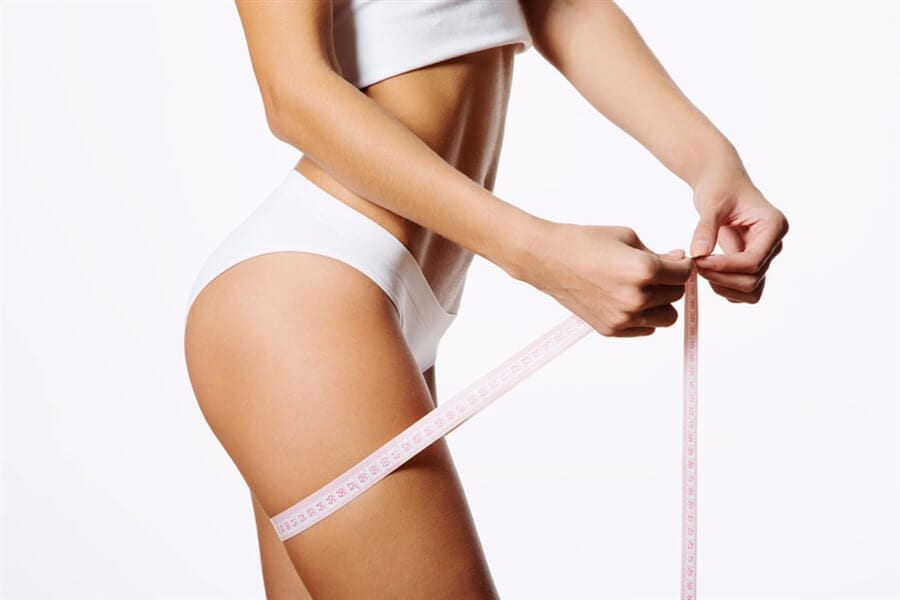
Clothes are a form of self-expression, allowing individuals to step into their new identity with confidence. Style can increase confidence and well-being.
Fit Confidence
Nailing the fit gives your daily confidence a real shot in the arm. When clothes fit, we stand taller and walk easier. We all know that a tailored shirt or dress makes a huge difference in how you feel and how others react.
In one experiment, this phenomenon played out when people preferred a guy in a fitted suit to an ill-fitting one, demonstrating how fit constructs both self-perception and outside perception. Fit connects intimately to self-esteem.
We all know how dressing appropriately for our body can alter the way we tackle a project, a hangout, or even just a trip to the store. Confidence increase isn’t purely cosmetic; it’s about being comfortable in your own skin.
These practical steps help build fit confidence. This means tailoring current clothes, educating yourself about body shape, or shopping with a trusted pal. Even minor alterations, such as taking in a waistband or shortening a sleeve, can give pre-loved items a brand new look.
Fit confidence can spill over into other areas of life. When you feel good in your clothes, it can make all the difference. Social outings and work meetings become less stressful and more enjoyable, which ultimately improves quality of life.
Building Anew
Body shape changes after weight loss mean nothing fits like it used to. It’s a perfect opportunity to reconsider what you hold on to, what you release, and how to construct a new wardrobe that feels appropriate for the moment. Purge the ill-fitting clothes, but maybe leave a ‘holding zone’ for a handful of items that you might want to alter or keep as a guide for modifications.
Others save a limited quantity of garments a size larger or smaller, boxing them away just in case the pounds move again. This can stir up ambivalence, so give yourself time and grace as you transition to new patterns and requirements.
Measure First
A checklist is helpful before shopping for new clothes:
- Use a soft measuring tape and record your numbers.
- Have chest, waist, hips, inseam, and occasionally shoulders or arms measured, depending on the article of clothing.
- Just attempt to measure consistently for best results.
Correct measurements are crucial. They assist in selecting well-fitting clothes, thus conserving both time and money. When you monitor your figures over months, you catch trends in your figure and can more easily predict what to purchase.
There are plenty of great online guides and size charts that can assist, but a local tailor or shop assistant can be helpful if you’re uncertain. Smart shoppers use these figures as a guide, not just the size on the tag.
Transitional Pieces
Certain clothes can ‘flex’ with your fluctuating size. Wrap dresses, skirts with adjustable waistbands, and tops with loose cuts keep you comfortable as your body changes. They are pieces that work for work and weekends, giving you more wear per piece.
Layering aids as well. Throw on a cardigan, vest or light jacket and you can mask spots where your fit is off and still appear polished. Belts and such help cinch in the saggy parts!
Transitional pieces are essential when you’re losing weight. They reduce worry about fit and maintain your style fresh. They reduce the need for a complete wardrobe purchase all at once.
Smart Shopping
Concentrate on purchasing a handful of basics that are well-fitting at the moment. Stick with neutral colors and classic shapes that go with a lot so you can mix and match. Thrift shops, swaps, and sales are great places to source some budget-friendly pieces.
Search for excellence, not bigness. Properly tailored shirts, pants, and dresses with stretch or adjustable elements will survive more size changes. Timeless designs skip the fast fashion rat race, so you can build a wardrobe that works long term.
Mindful purchases satisfy you more, reducing the compulsion to constantly buy new stuff as your body shifts. They keep your closet lean and manageable.
Conclusion
There’s nothing fictional about a weight loss-induced clothing fit crisis. T-shirts could hang loose and baggy around the midsection. Jeans slide or bunch at the hips. Even soft knits can sag in weird places. Material slips. Cuts no longer align with new shapes. Tailoring can be a savior, but not everything is tailor friendly. A lot of us feel ‘off’ in our own skin as sizes fluctuate. That feeling is expected. There’s nothing like starting fresh with a few basics to make you comfortable and stylish. Try easy switches like a new tee or a pair of great fitting pants. Little steps are big steps. To contribute your success or request advice, jump into the discussion below. Every story fits someone else.
Frequently Asked Questions
What causes clothing to fit differently after weight loss?
After weight loss your shape changes. Clothes can sag or dangle because they were tailored to your old sizes. Plan on issues with fit related to fabric type and garment construction as well.
Can all clothes be altered to fit after weight loss?
That’s not all. Clothes are alterable. Certain materials or pattern designs are hard to fix, while others end up with their shape compromised or looking unnatural after significant alterations. Visit a tailor for advice.
Why do some fabrics look worse after weight loss?
Some types of fabric, such as knits or stretch fabrics, can become misshapen and sag as a result of weight loss. These were made to fit snug and may not adapt well to a more diminutive physique.
How can I mentally adjust to clothing fit changes after weight loss?
It’s natural to feel odd in your clothes after dropping a few pounds. Once you embrace your new shape and buy some well-fitting clothes, it will make you feel much more confident and comfortable.
Should I buy all new clothes after losing weight?
You don’t have to get a whole new wardrobe. Begin with basics that you wear frequently. Slowly develop a wardrobe that suits your new figure.
What garment features make clothes easier to alter?
Clothes with simple seams, seam allowance, and classic designs are easier to alter. Stay away from intricate embellishments or lightweight materials that can be trickier to take in.
Is it common to experience emotional changes about clothing fit after weight loss?
Yes, we all have our ambivalent moments. It might take a while to get used to your new fit and appearance. A little support from friends or a professional can go a long way during this transition.