Directions
 Call Us
 Email Us


Key Takeaways
- Outer thigh contouring after weight loss can enhance your body proportions and encourage a more sculpted physique, which can translate into heightened self-esteem for many patients.
- Surgical and non-invasive options that both have their own benefits. Consulting a qualified medical professional is key to figuring out the optimal technique.
- Candidates for thigh contouring typically possess stable health and weight, excellent skin elasticity, and realistic expectations regarding possible outcomes and the recovery process.
- A detailed consultation, preparation, and open communication with the surgical team are key for a safe and rewarding contouring experience.
- Thigh contouring recovery involves following post-operative care guidance, watching for any complications, and allowing time for healing.
- Sustaining your results long-term is up to you, a healthy lifestyle, regular exercise, proper nutrition, hydration, and skin care, etc.
Outer thigh contouring after weight loss is your solution to sculpt and smooth the outer thigh when loose skin or uneven fat remains. A lot of folks experience issues with their thighs post significant weight loss, such as sagginess or lumpy skin.
Your options for contouring can include surgery, non-surgical treatments or even exercise plans. Both have their effects and recuperation periods. The following sections go through these options and what to expect with each.
Understanding Contouring
Outer thigh contouring means sculpting the outer thighs to remedy loose skin, resistant fat, or a lumpy silhouette post massive weight loss. These are the areas of body sculpting that return a balanced, toned appearance, particularly when weight loss replaces skin or pockets of fat that do not respond to exercise.
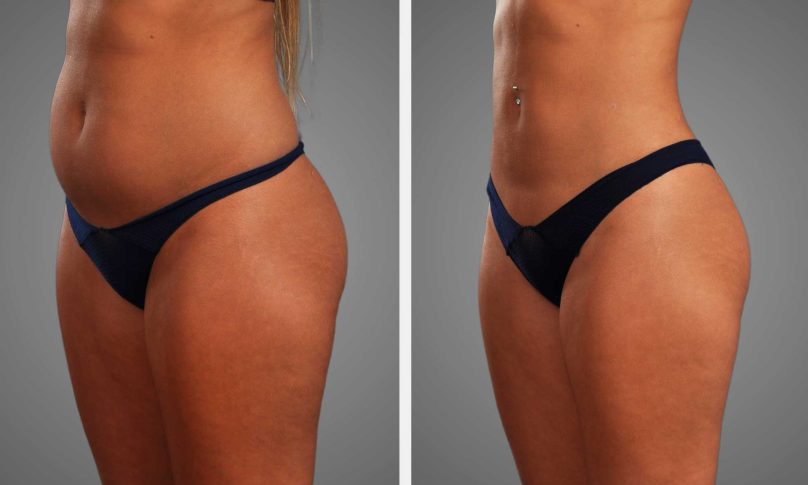
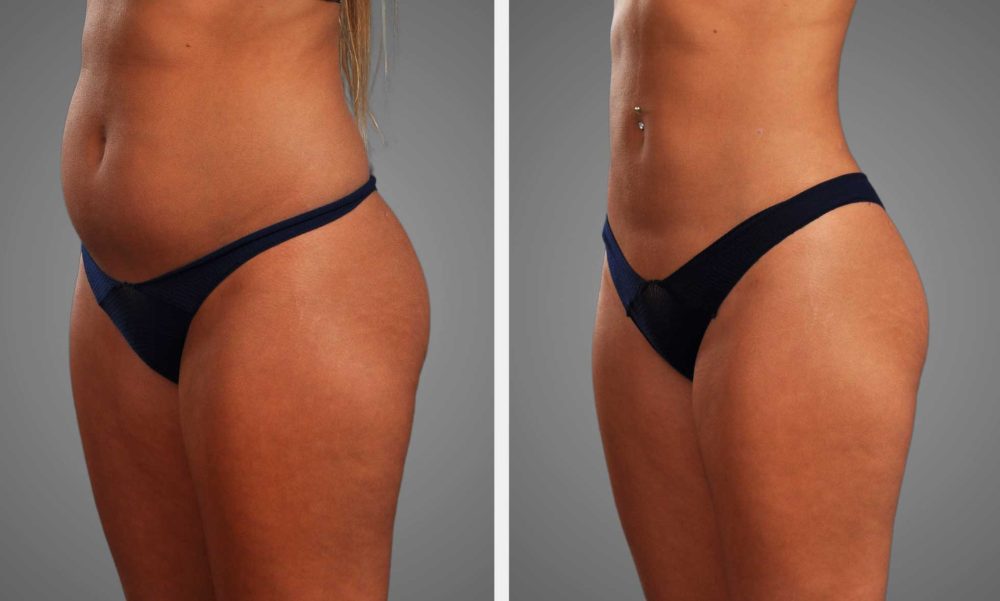
Contouring, whether surgical or non-invasive, can smooth, tighten, and define the thigh area, so you can look (and feel!) incredible. A good-contoured thigh is not just slimmer looking, but a smoother, more balanced silhouette. It minimizes bulges, corrects asymmetry, and provides the legs with a more sculpted contour.
A lot of folks find that they stand straighter and move around more comfortably after contouring. Psychological advantages are crucial as well. Toning your inner thigh can help you feel good about yourself and your body, allowing you to feel more comfortable in social, work, or workout settings.
Key considerations when selecting a contouring procedure include:
- The amount of loose skin and fat present
- Desired results and personal goals
- Willingness and ability to undergo surgery
- Recovery time and lifestyle restrictions
- Budget and cost of procedures
- Safety and potential risks
1. Surgical Lifts
Surgical lifts are the most straightforward fix for skin sagging after weight loss. They come in a few varieties. A bilateral thigh lift eliminates loose skin on the lateral and anterior thighs, tightening the skin and enhancing contour.
Medial and lateral thigh lifts concentrate on the inner and outer thigh, respectively, appealing to fat and skin that defy diet and exercise. These may involve eliminating fat with small tubes known as microcannulas, which assist in evening out the thigh’s appearance.
Surgical lifts require professional craftsmanship. Selecting a seasoned surgeon is crucial not only for safety but for results that look and feel natural. Post-operatively, patients typically wear a compression garment for six to eight weeks and should anticipate swelling and bruising. The end results can take months to reveal.
2. Liposuction
Thigh liposuction is one of the most popular surgeries for banishing hard-to-shift fat. With microcannulas, surgeons disrupt and suction out fat for a more refined, shapelier appearance.
I have always gone through tumescent liposuction for my thighs. It’s where they inject a special fluid to help numb it and control bleeding. The outer thigh is typically targeted for bulges and the inner thigh is more about slimming and chafing.
Liposuction is great for contouring, but it won’t fix loose or extra skin. Healing might include pain and swelling, but the majority of patients resume their usual activities in a matter of weeks.
3. Non-Invasive Tech
Non-invasive options employ ultrasound, radiofrequency or cryolipolysis to destroy fat cells without the need for surgery. These are handy for those desiring less downtime or not quite ready for surgery.
They are most effective in mild to moderate fat reduction and skin tightening. Non-invasive alternatives can be combined with surgery to polish results. It’s always crucial to discuss with a board-certified provider to see whether these techniques suit your individual needs and goals.
4. Combined Approach
These examples illustrate how combining surgical and non-surgical techniques can solve a lot of concerns in one go. Others require skin tightening with a lift and fat removal with liposuction.
A combination of techniques can assist in contouring the thighs more uniformly and fitting specific requirements. Every plan should be customized by an expert, with an eye towards sustainable results and body pride. Achieving long-term gains depends on realistic goal setting and diligent post-surgical care.
Are You Suitable?
Outer thigh contouring after weight loss is not an easy decision. The ideal candidate tends to have certain characteristics in common, such as being in good general health, maintaining a healthy weight, having attainable expectations, and having good skin tone. A thorough examination of your medical history and habits assists physicians in determining if this surgery is appropriate. Honest self-reflection about what you want and why is crucial.
Health Status
So being in good health is important. Surgeons review your entire medical history prior to proposing any contouring. Chronic diseases such as uncontrolled diabetes, heart problems or blood clotting issues may contribute additional risks during and after surgery. Others might have to alter their lifestyle or postpone surgery if their condition is precarious.
Smoking is another major factor. Nicotine alters the way you heal, so patients are typically advised to quit weeks prior to and after surgery. Being open with your doctor is important. You must disclose all previous operations, allergies, and present medications. This reduces risks in surgery and aids recovery.
A healthy lifestyle, including a nutritious diet, exercise, and medically controlled concerns, will help accelerate healing and provide better outcomes.
Skin Quality
How your skin is doing counts a lot. Good skin elasticity means it can snap back after the fat is extracted. This provides a more sleek appearance. If your skin is loose or sagging, as can occur after large weight loss, you may require a thigh lift rather than liposuction. Thighplasty is an alternative for more significant sagging.
Others might require additional skin tightening treatments, such as radiofrequency or laser, if elasticity is lacking. Before going to an expert, test your own skin. Pinch the outer thigh and watch how fast it snaps back. This easy quiz will let you know what to expect.
Weight Stability
Weight should be stable for a minimum of six months prior to surgery. Massive weight swings can destroy results and create more sagging or lumpy skin. Most surgeons advise hitting your target weight and keeping it for a period of time before contouring.
You’ve got to be in it for the long haul. If you gain or lose weight subsequent to the procedure, the effects can wear off. Concentrate on maintaining a consistent weight with good nutrition and exercise. This yields optimal results from surgery.
Mental Readiness
Mind-body health is equally valuable. You need to prepare yourself for life post-surgery, which involves both the recovery process and adjusting to a new body image. While a lot of patients do feel better about themselves, expectations must remain realistic. Body contouring is not a miracle.
Support helps. Friends, family, or even support groups can help ease the recovery process. Clear, pragmatic goals will keep you grounded along the way.
The Procedure Journey
Outer thigh contouring after weight loss The Procedure Journey All steps count, from initial appointment to results. Patients request it to get rid of loose skin and fat that refuses to go with diet or exercise following weight loss. As with any journey, careful planning, communication and follow-up are key to a smooth ride and best results.
Consultation
The initial visit is the consultation with the plastic surgeon. This meeting defines the experience. The surgeon will examine the outer thighs, observe skin tone and inquire about health history. Patients describe what they would like to accomplish, perhaps they want to eliminate loose skin or soften lumps.
During which the surgeon talks through the choices and probable outcomes. They might employ photos, digital imaging, and demonstrate before and after shots of previous patients. That’s good for establishing expectations.
We want patients to ask questions. They should inquire about what the surgery entails, risks, healing time, and potential results. It’s important to discuss any apprehensions. Transparent communication prevents unexpectedness and fosters confidence.
Preparation
Pre-procedure, the patient has to do what the surgeon tells them. This could involve discontinuation of some medicines, smoking cessation, and slight modifications of day-to-day activity. The surgeon might request blood work or other tests to ensure you are prepared for surgery.
Eating right and doing light exercise in the weeks leading up to surgery can get your body ready to heal quicker. For patients who keep a steady weight and remain active, the recovery is often better.
It’s crucial to plan for post-surgery support. They should organize assistance at home. That means having a chauffeur, assistance with activities during the day, and support in making sure they’re set up for comfort and security.
Adhering to all your pre-op instructions can reduce the risk of complications and assist in smooth healing.
Procedure Day
On procedure day, patients show up early to sign in and go over the plan with the surgical team. The team makes marks on the thighs for intra-operative reference. They put the patient under anesthesia, so she feels no pain.
The operation can take a few hours. We get you up and walking with assistance the same day; it helps reduce the risk of blood clots.
Swelling and bruising are typical, peaking in the first week and easing off over a few weeks. Compression garments are worn for a few weeks to contour the area and restrict swelling.
Light activity begins early, but intense training is delayed for 3 to 6 weeks. Results improve as swelling subsides, with final contour typically visible within several months.
Recovery and Results
Recovery from outer thigh contouring is incremental. Recovery, visible results, and final outcomes will vary depending on technique, how much tissue is treated, and your personal health. Here are the most common questions people have, such as when will swelling subside, when will they be able to return to normal activities, and how long until they see permanent results.
The path to full recovery involves monitoring progress, following care routines, and being patient as the body adapts.
Timeline
Almost all other swelling and bruising fall off within the first month. The first week holds some soreness and tightness, as well as fluid accumulating in the treated region. By two weeks, most of us can do desk work, but some swelling can persist.
At six weeks, around eighty to ninety percent of the final shape is apparent, and healing continues. Small changes continue to occur for 3-6 months. The first hard or stiff sensation generally subsides by this point and the skin begins to even out.
Monitoring milestones such as when swelling subsides or when you can move comfortably lets you know if your healing is progressing appropriately. Low-impact activity such as walking is typically permitted earlier, but you will generally require a 2-3 month hiatus before engaging in higher-impact sports in order to avoid bleeding or shape changes.
Care
- Wear compression garments. These help keep swelling down and support the thigh as it heals, improving the final contour.
- Take prescribed pain medicine. It’s normal to have discomfort, and medicine can make the early days more bearable.
- Clean wounds as directed. Good hygiene lowers the risk of infection and speeds healing.
- Do gentle daily massage or lymphatic drainage. These can help move fluid out of the area and reduce swelling faster.
- Go to all follow-up visits. The surgeon checks progress, catches problems early, and can advise on activity or garment use.
Compression garments are crucial. They maintain even compression, prevent fluid retention, and assist the skin in adhering seamlessly to the new form. Wearing skips can delay healing or alter the result.
Complications
| Complication | Common Signs |
|---|---|
| Infection | Redness, heat, pus, fever |
| Hematoma/bleeding | Sudden swelling, pain, bruising |
| Seroma (fluid build) | Lump, clear fluid, swelling |
| Skin irregularity | Hardness, rippling, dents |
Early detection of these symptoms is key. Quick reaction prevents disaster. A master surgeon minimizes hazards, but no operation is without them. Patients should never be afraid to discuss any concerns or new symptoms.
Beyond The Thighs
Outer thigh contouring following weight loss is much more than eliminating excess skin and fat. It serves an important function in producing a balanced, well-matched figure. For many, this surgery is just one part of a greater plan to achieve an overall balanced appearance and feel more comfortable in their skin.

Body Harmony
Thigh contouring can help shape the outer legs so they fit in with the rest of the body. It makes the upper half and lower half come into better balance. When thighs appear more sculpted, the waist, hips, and legs appear more harmonious. This allows basic activities, such as donning tailored trousers or strutting, to come easily.
There is something about a well-shaped thigh that can boost your self-confidence. They feel more comfortable in their clothes and even out in public. The lift isn’t only cosmetic. It’s about feeling complete again after a significant weight fluctuation.
Designing for thigh contouring is thinking for the entire body. Several opt to include work on the abdomen, buttocks, or inner thighs. This provides a smoother, more balanced appearance. Outer thighplasty, when combined with other procedures, can make recovery and results more complete. Change is not just about the thighs; it is about how all parts fit together.
Don’t forget, embrace that new body! It takes a while for the new look to sink in. The shape of your outer thighs can still change over those three months as swelling decreases and your skin loosens or tightens to adapt. Embracing every phase can help make the transition feel authentic.
Scar Psychology
Scars come with the territory with thigh contouring. They develop as the body recovers from cuts. For others, observing scars can be bittersweet. It might remind them of the surgery or introduce skepticism about the results.
Knowing how scars heal contributes. Scar care usually begins three weeks post surgery and can continue for up to six months. Easy ones — eat healthy, stay out of the sun, don’t smoke, use scar creams — make scars fade. An appropriate incision type and an experienced surgeon can minimize scarring.
A good attitude about scars can relieve the concern. Scars do indeed fade and soften with love. They display the miles put in pursuit of a target. For most, scars fade into nothingness, a silent symbol of transformation.
Future Changes
There is more body beyond the thighs. Aging, weight shifts or health changes can impact results. Maintaining a consistent weight keeps the new shape. Good eating, exercise, and no smoking all contribute to keeping the thighs tight.
Other times, more work is required as the body ages or if you experience dramatic weight fluctuations. Keeping in contact with a care team helps to identify new changes early. Most wear a soft compression garment for three weeks, with soreness and swelling dissipating shortly.
Recovery is generally rapid and the overwhelming majority return to work within a week, although resuming full activity should be deferred closer to three weeks. The surgery itself lasts two to three hours under general anesthesia.
Maintaining Your Shape
Post-outer thigh contouring maintenance requires a combination of practical habits and continuous self-care. If you’ve had a significant weight loss, it’s very normal to still have loose skin on your thighs. This can hinder your grace of movement and alter your body self-image. Body contouring surgery, such as a thigh lift, tummy tuck, or buttock lift, can help sculpt these areas and increase confidence.
Surgery is only the first step. Staying in your new shape is about healthy habits and defined objectives.
- Stick to a consistent exercise regimen that combines strength training and steady cardio.
- Consume a well-rounded diet with sufficient protein, fresh fruits, and veggies.
- Drink copious amounts of water every day to keep skin elastic.
- Use gentle skincare and moisturizers to help skin recover.
- Wear a compression garment for a minimum of six to eight weeks post-surgery as recommended.
- Stop smoking before and after surgery to reduce risk and aid healing.
- Check in with your care team for follow-up.
- Establish short and long term goals to help maintain your healthy lifestyle.
Exercise keeps your muscle tone strong and helps shed the extra pounds. Mix it up—try walking, cycling, or swimming to work the entire body. Supplement squats, lunges, or simple band work for thigh strength. Try to get at least 150 minutes of moderate activity weekly.
Eating right is just as important. Dinners packed with lean protein, whole grains, and vibrant produce provide your body what it needs to recover and maintain your shape. Stay in good shape. Avoid extreme diets—they delay recovery and cause muscle wasting.
Hydration and skin care go a long way to keeping your skin taut. It helps your skin bounce back and heal. Hyaluronic acid or vitamin E moisturizers can help hydrate dryness and aid healing. Following contouring, skin can feel taut or dehydrated, so mild attention does assist.
Your loose skin may never shrink all the way, but these steps can boost your comfort and appearance. Realistic goals keep people on track. A little swelling and mild pain are typical for the first few weeks post-surgery. It’s months before you’re fully recovered, and things can shift as swelling decreases.
Compression garments reduce swelling and assist tissues to settle. They are each different, and you should work with your doctor to find goals that suit your body and life. Customized care plans maximize the impact of contouring and extend results.
Conclusion
Outer thigh contouring can cinch in the body after weight loss. Just ask the thousands who’ve had a thigh lift, with many noticing smooth skin, reduced loose tissue, and a toned appearance that feels good daily. Powerful outcomes require genuine maintenance, such as consistent exercise and intelligent nutritional choices. They mention that friend or group support really assists. Clear goals set good plans and keep stress low. Anyone considering this at all, I’d advise sitting down with an experienced provider to outline specific actions. Every path looks slightly different, but realities and real talk go a long way. For more information, contact a reputable clinic or attend a nearby support group. Smart moves today can create genuine transformation and enhance body confidence for the future.
Frequently Asked Questions
What is outer thigh contouring after weight loss?
Outer thigh contouring after weight loss removes excess skin and fat from the outer thighs, creating a more sculpted, smoother look.
Am I a good candidate for outer thigh contouring?
You are likely a good candidate if you’re healthy, have stable weight, and loose skin or stubborn fat on your outer thighs post weight loss. An in-person consultation with a reputable professional is key.
How long does recovery from outer thigh contouring take?
The majority are back to ordinary life in 2 to 4 weeks. Swelling and bruising could last longer, but results show after a few months.
Are the results of thigh contouring permanent?
The results are lasting, provided you maintain a stable weight and healthy lifestyle. Major fluctuations in weight or aging could impact the results over time.
What are the risks of outer thigh contouring?
Risks involve infection, scarring, irregularities, and sensory changes. Selecting a seasoned board-certified surgeon minimizes such risks.
Can outer thigh contouring be combined with other body procedures?
Yes, it can frequently be combined with other contouring procedures, such as a tummy tuck or arm lift, for more complete results. Talk about combinations with your surgeon.
How can I maintain my results after outer thigh contouring?
Eat right, exercise and don’t yo-yo on the scale. Good habits keep your contouring results for the long term.