Directions
 Call Us
 Email Us


Key Takeaways
- A successful BBL relies on two factors: having enough high-quality fat from donor sites such as the abdomen or thighs and employing gentle liposuction and purification methods to enhance fat survival.
- Things like your body type, fat distribution, and skin quality are all important factors in determining whether you’re a candidate and how much fat you will need to achieve the results you want.
- Thorough physical exams and advanced planning tools, like 3D imaging, allow surgeons to evaluate fat availability and establish realistic expectations for the end result.
- Patients with scant body fat might struggle to achieve optimal fat volume requisites. This renders buttock implants or a combination of techniques a desirable alternative.
- Open communication with a skilled surgeon is crucial in aligning the surgical plan with your goals and understanding the risks and limitations.
- Long-term results are contingent on maintaining a consistent body weight and adhering to all post-operative care guidelines to ensure the survival of the fat cells.
BBL — Most doctors say you require a minimum of 2.5 to 4 liters of body fat for safe transfer.
The optimal areas for fat harvest include the abdomen, thighs, and back. Thin people might need to gain weight pre-surgery.
Outcomes can vary depending on your body type, health, and fat quality.
The following will detail how physicians determine whether you have sufficient fat for a BBL.
The Fat Equation
A BBL depends on fat transfer from another area of the body to the buttocks to create shape and produce a full and balanced look. The fat required for a successful BBL varies based on the outcome you want and your body type, as well as how much fat can be safely extracted and transplanted.
Three hundred to five hundred cc per side is usual, but some cases may require as much as one thousand cc per side. Not all fat grafted will survive. Surgeons anticipate a 20 to 40 percent loss; survival is often closer to 50 to 70 percent, so it’s a delicate science that requires precise planning and honest expectations.
1. The Goal
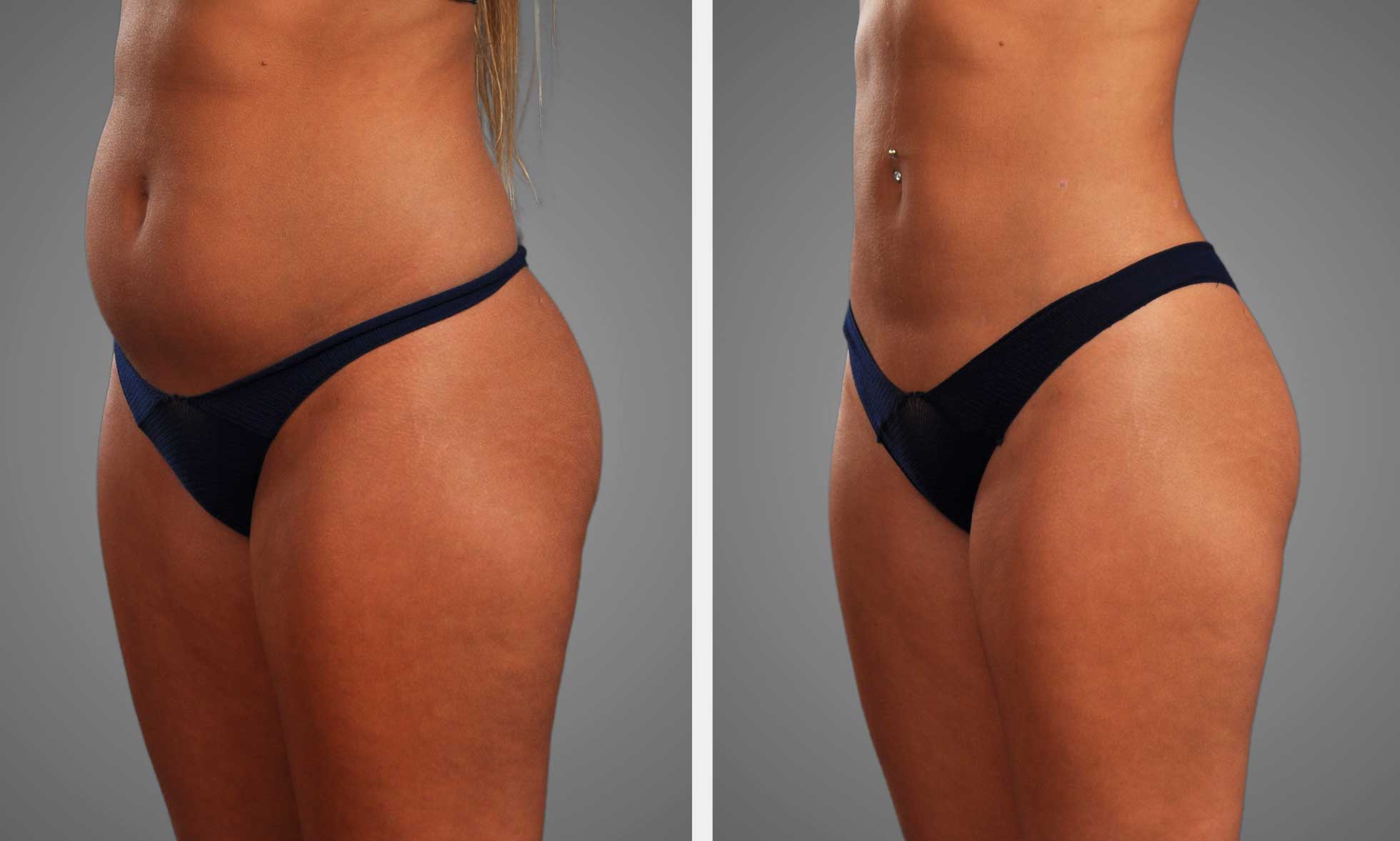
The goal of a BBL is to sculpt a shapely, perky backside that complements the body profile. The extra fat is essential to plumping up the booty and giving you those soft, natural contours.
A round booty balances the waist and hips, providing a more proportioned figure. How much fat you have to spare determines how radical the transformation can be. If the body has less fat to give, the outcome can be more delicate, but is nonetheless well integrated with the rest of the silhouette.
2. The Harvest
Fat is collected from donor sites, usually the abdomen, flanks, or thighs, via gentle liposuction. The way fat is removed matters: slow, careful methods keep the fat cells healthy and ready for transfer.
Let’s face it, some patients, particularly those with a lower BMI, just don’t have enough fat for a significant transformation, restricting the amount that can be safely transferred. Gathering too much, more than eight pounds, increases hazards and doesn’t increase effectiveness.
You have to harvest and transfer enough live fat to withstand the loss that occurs during and post-transfer.
3. The Purification
Once harvested, fat is purified to remove blood, excess fluid, and damaged cells. This increases the likelihood that the fat will make it through the transfer.
Purified fat is less likely to be taken back up too fast by the body and is more likely to generate durable volume and suppleness. Purging the impurities reduces the chance of lumps and cysts or an uneven contour.
Clean, healthy fat provides the best chance for long-term, natural results.
4. The Survival
Not all grafted fat remains. The body assimilates some fat in the weeks and months post-surgery, therefore surgeons typically overfill in order to compensate for this loss.
Survival rates range from 50 to 70 percent or more with gentle handling and good perfusion of the region. It’s the manner in which fat is injected, little bits spread around, that helps it take and thrive.
Rolling in sufficient calories of at least 2,000 kcal per day and aftercare advice facilitates healing and makes the new shape stick.
5. The Symmetry
Symmetry is crucial in BBL for both beauty and equilibrium. Where fat is arranged dictates both final form and uniformity.
Experienced surgeons outline the buttocks, injecting more in areas to fill dips or sculpt the curve. If you don’t have enough fat, the results can appear patchy or disappointing.
Regular, uniform spacing makes both sides balance and the silhouette hugs the body’s natural curves.
Your Body’s Role
Your body is a factor. The number of fat cells required for a BBL, for example, is not a specific number. It depends on where your body stores fat, your weight, and the aesthetic you’re after. Knowing your body’s characteristics is essential to designing a safe and attainable protocol.
Body Type
Your body plays a key role. Preparing Your Body Before: Curvier or higher BMI patients generally have more ‘available fat’ in the typical donor areas of the belly, flanks, or thighs. This translates into more choices when harvesting sufficient fat for transfer. For these patients, getting to that one-liter fat minimum is typically easy. This typically requires about two liters of lipo aspirate, or roughly the size of a large soda bottle.
Thin patients have their own challenges. If you’re lean, there may not be enough leftover fat for a significant change. Some surgeons recommend gaining weight, but the additional fat that you can add in a few weeks or months is often not sufficient to achieve a significant impact. Enter the idea of a skinny BBL, where only slight transformations can be made because of a small amount of donor fat.
Your body type will dictate the extent of reshaping you can anticipate. A BBL may emphasize your natural curves, but outcomes are always based on the foundation your body begins with.
Fat Distribution
Fat does not get distributed equally for all individuals. Some individuals carry the majority of their excess weight in their abdominal region while others have it in their back, thighs, or hips. These regions are examined during planning to determine where liposuction can safely extract sufficient fat. Harvesting from multiple locations can help maximize the quantity, but due to uneven fat distribution, only small pockets may be accessible.
Donor site selection counts for the beauty of both the cheeks and the extraction zones. About half of the ‘wow factor’ comes from the liposuction itself, which sculpts your waist and hips. Surgeons have to consider how much fat can be extracted without causing abnormalities, particularly if fat patches are uneven.
Uneven fat can sometimes result in a less smooth or symmetrical shape of the buttocks post healing.
Skin Quality
Skin quality plays a large role in BBL success. Good skin elasticity helps the buttocks appear smooth and firm after fat transfer. If your skin snaps back, the resulting shape is typically more aesthetically pleasing and natural. Surgeons examine the skin for stretch, tightness, and sagging during the first consultation.
Loose or saggy skin can restrict how much fat you can add without folding or drooping. In such circumstances, additional surgical measures such as a skin lift might be required to achieve optimal contouring.
Skin that has lost its snap from age, weight loss, or genetics may not grasp those new curves as firmly, which can impact your result. The healing process matters: as swelling drops and transferred fat settles over three to six months, the skin needs to adapt to new contours.
Surgeon’s Assessment
A thorough surgeon’s assessment lays the groundwork for a safe and successful Brazilian Butt Lift (BBL). This process weighs fat availability, body structure, and patient goals. A skilled plastic surgeon draws on their experience to create a plan that fits each person’s anatomy and expectations.
The right assessment helps set realistic goals, lowers risks, and improves outcomes, making open communication between patient and surgeon essential.
Physical Exam
- The surgeon checks your body to see if you have enough fat for a BBL. They look at common donor sites like the abdomen, thighs, flanks, and back. They will measure how much fat can be safely taken from these areas, not just the volume but the quality and texture of the fat.
Good skin elasticity in these donor sites makes the transfer and healing process smoother.
- During the exam, the surgeon examines the general body contour and structure. They seek balance in donor and target sites. It’s not just about the fat quantity. It is about how well it will suit and contour the buttocks for a balanced silhouette.
- The surgeon will evaluate your overall health and medical history. They inquire about previous surgeries, chronic conditions, any allergies, and lifestyle factors which could affect your healing or pose a risk during surgery.
The surgeon reviews your medical history to determine if you’re a good candidate.
- The physical exam drives all the plan. It demonstrates what’s possible, what risks may arise and how the results might appear. Case in point, most surgeons suggest injecting a minimum of 400 to 600 cc of processed fat per buttock for visible change.
There is less fat in skinny patients, which may be more subtle, with roughly 220 cc per side.
Body Mass Index
BMI is key for BBL candidacy, surgeon says that aids in measuring body composition and directs how much fat can be safely harvested. Individuals with BMI 22 to 30 typically have sufficient fat for BBL and experience reduced risk.
BMI impacts both fat availability and safety. High BMI patients may have more fat to work with but encounter higher complication risks if removing more than 8 pounds, which is approximately 3,600 grams, of fat.
Low BMI individuals can lack sufficient donor fat, so results are more modest. Sometimes, a second fat transfer is recommended to restore volume.
Veteran surgeons can occasionally scoop up to 1,000 cc or more from patients with more abundant fat, though plus-size patients can receive up to 1,160 cc per butt if they’re healthy enough.
3D Imaging
| Benefit | Description |
|---|---|
| Visualizes Results | Shows what the buttocks may look like post-surgery |
| Customizes Fat Placement | Helps map fat transfer to shape buttocks for each individual |
| Sets Realistic Expectations | Demonstrates achievable volume and contour based on actual body data |
| Improves Planning | Allows surgeon to adjust the plan for better balance and symmetry |
3D imaging is a tool that gives both the surgeon and the patient a clear picture of possible outcomes. It helps people see how fat could be placed and how volume changes may look from different angles.
This tech helps manage expectations, especially for those with less or more fat than average. It allows the surgeon to optimize the strategy.

The surgeon can determine if additional fat is required or if the volume will achieve the patient’s goals. That makes it safer and results more organic.
Realistic Expectations
Setting realistic expectations is key for any potential BBL hopeful. This surgery isn’t instant, static results for all. A lot of factors dictate the result — how much fat you have, where it’s from and how your body heals post-surgery.
Not all the fat shifted will remain on you; around 30 to 50 percent gets absorbed and lost, so expect it. It’s important to be candid with your doctor about what you desire. Each patient presents with a unique baseline that impacts both what’s achievable and what’s safe.
Comprehending these constraints and hazards aids you in making top decisions for your wellness and objectives.
Your Starting Point
Where you start plays a huge role in what you can accomplish with a BBL. If you’ve got a thin frame, you’re not likely to find a lot of excess fat to shift around, so your shape won’t change much.
Patients with more fat stores have more choices, but even then, the quality of the fat and its origin are factors as well. It’s not about the fat you carry but your current body type. A flat or square hip line shifts where fat will be distributed and makes the outcome appear different than anticipated.
If your weight fluctuates, it can impact the integrity of the new shape. Weight fluctuations after surgery can alter the size and appearance of your buttocks and can occasionally make the outcome less symmetrical. Evaluating your body from the beginning allows you and your surgeon to lay out a specific plan.
This step is important for establishing realistic expectations. Your individual shape and fat stores influence what can be done safely.
Your Desired Outcome
Knowing what you want upfront gives you and your surgeon a clear objective. This discussion should encompass more than just size, shape, and balance. When your objectives are well-defined, the physician can determine how much fat is necessary and where to place it.
If your wishes don’t align with what your body can accomplish, you will be disappointed. For instance, if you’re requesting a very round or large look with minimal fat to shed, it’s not an option. Some fat will die. At least 25% is normal, so a one-to-one transfer is unrealistic.
Collaborating on a plan that suits your body and your aspirations keeps everyone aligned. These upfront conversations prevent disappointments and keep things flowing on both ends.
The Long-Term View
Thinking ahead is planning for a BBL. Post-surgery, your lifestyle determines the longevity of your results. Eating well, staying at a steady weight, and not smoking all assist the new fat survive.
Your body will need a few months to settle. Most swelling subsides by 3 to 6 months and the new shape becomes apparent. Certain fat will always liquefy and be reabsorbed, 30 percent or more, so anticipate shifts as weeks go by.
The final form is not perceived immediately but arrives gradually as your body recovers. Gaining or losing weight after surgery can alter the way you look. Losing weight means you lose some of that new shape.
Extra pounds can make the region appear larger but not necessarily proportionate. Maintenance planning is a necessity to maintain your new curves long-term.
The “Skinny BBL”
Skinny BBL – A customized Brazilian Butt Lift for slim or athletic individuals with lean body mass. This procedure appeals to those who want that round or lifted appearance without the natural fat stores. Instead of depending on higher fat harvests like a traditional BBL, the skinny BBL leverages innovative liposuction and fat-purification techniques to collect and utilize as much viable fat as possible.
Typically, 500 to 1,000 cc of fat is removed from desired regions and 250 to 800 cc is injected into each buttock. This smaller volume leads to more subtle results. Patients with a BMI less than 25 are often perfect candidates, while patients with a higher BMI may be better served with traditional BBL methods. The ‘skinny BBL’ has become increasingly popular among patients who crave natural-looking curves but do not want a dramatic transformation, especially when they do not have the fat required for the traditional procedure.
Viability
Fat transfer in low body fat individuals is possible. It’s a more intricate procedure than your typical BBL. The minimal fat reserve means surgeons must leverage meticulous pre-op planning and cutting edge techniques to get the most out of every cell.
Most surgeons use precision-layering techniques to inject purified fat into the buttocks, ensuring each region receives an adequate amount for proportional coverage. Patient selection is key, as only those with sufficient fat—even if it’s a small amount—are suitable candidates. Fat survival rates in thinner patients can be a bit lower, around 60 to 80 percent, so having realistic expectations is crucial.
That careful planning begins with mapping out every potential donor site. Even in thin patients, there can be these little pockets of fat in the flanks, lower back, and inner thighs. Other times, these regions provide just the right amount of fat to make the surgery feasible. Surgeons may use special equipment or methods to minimize trauma and optimize fat cell survival.
Limitations
Skinny BBL’s main limitation is no donor fat. If your fat supply is insufficient, shape transformations may be minimal. Some just don’t get the roundness or projection that they were hoping for. Attempting to stretch every ounce of usable fat can result in lumpy results or an unbalanced appearance.
Patients should be aware that you can’t always get dramatic results with limited fat. Overfilling can create lumps or poor fat survival. In these cases, alternatives are necessary.
Alternatives
- Buttock implants using silicone
- Combination of fat transfer with smaller implants
- Sculptra or other injectable fillers
- Diet and exercise to build muscle mass
Silicone implants are a usual alternative for those without enough fat. They give instant volume and a more controlled shape. Implants can be riskier as they can get infected or shift. Some surgeons mix a mini fat transfer with implants for a more natural appearance and sensation. Filler alone can give a temporary plumpness but requires frequent maintenance.
Beyond The Number
Fat required for a bbl is not about the number. It’s not just the quantity of fat; it’s the quality. It’s the health of the fat cells, their origin and transport that determines the ultimate shape and texture. Not all fat is the same. Good fat makes it go a little smoother, softer, and more natural, while poor fat makes lumps or is less durable.
For the majority of us, approximately 1,000 cc (1.0 L) of fat is required, but the figure adjusts relative to the body and objectives. Typically, only about 50% of the fat survives the transfer, but in the best case, as much as 70% sticks around. A patient’s individual anatomy, the areas selected for fat harvesting, and the surgeon’s processing of the cells will contribute to the final outcome.
Fat Quality
Fat can be harvested from multiple locations and each site has different characteristics. Almost always, the donor sites for BBL are the lower belly, sides (flanks), thighs, back, and arms. The table below breaks down the sites and what they offer:
| Donor Site | Fat Quality | Typical Fat Volume | Common Use |
|---|---|---|---|
| Lower abdomen | Soft, stable | High | Very frequent |
| Flanks (love handles) | Dense, firm | Medium to high | Frequent |
| Inner/outer thighs | Soft, even | Medium | Frequent |
| Lower back | Dense, compact | Low to medium | Sometimes |
| Upper arms | Soft, less dense | Low | Less common |
Good donor sites have ample excess fat and fat that will survive and blend well after transfer. Not everyone has enough fat in one location, so surgeons might harvest from multiple locations to capture the necessary amount. A few patients, particularly those with a high BMI, have more sites to select from and can experience a more substantial shift.
For the leaner patient, the surgeon may have to harvest tiny fragments from multiple locations to achieve the desired amount.
Donor Sites
How fat is harvested matters as much as where it’s taken from. Surgeons today employ more sophisticated techniques, such as power-assisted, water-jet, or ultrasound-assisted liposuction, which suck fat with less trauma. These techniques aid in maintaining the fat cells’ health, which means more will survive the transfer to the backside.
Better survival means fewer lumps and bumps. Good technique minimizes the amount of trauma the body suffers so you heal. A surgeon’s artistry in taking and placing the fat can contour the look, feel, and symmetry of the buttocks.
The proper technique minimizes swelling, bruising, and overall recovery time. The consensus with the pros is that it’s best to remove no more than 5,000 ml, which is roughly 11 lbs, of fat at a time to be safe.
Surgical Technique
Deciding on fat is never a shot in the dark. Surgeons examine every individual’s body, objectives, and fat deposits prior to creating a strategy. If you have more fat to spare, you can achieve bigger results in one surgery, while those with less may need a second round to build up over time.
Make each transfer when the patient is near his or her weight goal, typically within ten pounds, with consistent weight for a minimum of two to three months.
Conclusion
Fat requirements for a BBL vary from individual to individual. Most people require at least 2 to 3 liters of fat to produce good results. They consider your body size, where fat sits and what your skin looks like. Skinny people may require additional sessions or a ‘skinny BBL’ protocol. Figures are important, but artistry and security are even more significant. Many of us experience improved curves with some frank conversations and realistic objectives. Each individual is on his or her own journey. To figure out how much fat fits your plan, consult with a board certified surgeon. Solid advice provides actual steps, not ballpark estimates. Ready to hear more or explore your possibilities? Contact a reputable clinic and begin the conversation.
Frequently Asked Questions
How much fat is needed for a BBL?
How much fat do you need for a bbl? The precise number depends on your body type and desired results.
Can you get a BBL if you are thin?
Yes, a ‘skinny BBL’ is feasible if you have sufficient fat elsewhere, such as the stomach or thighs. The surgeon will determine whether you have sufficient fat to transplant.
Where is the fat taken from for a BBL?
Fat is typically harvested from regions with surplus fat, like the stomach, flanks, back, or thighs. The doctor will choose the optimal locations according to your body shape.
How long does transferred fat last after a BBL?
Any transferred fat that survives those initial few months will be there for life. During healing, approximately 30 to 50 percent of the transferred fat can be absorbed.
Is there a minimum weight for BBL candidates?
No minimum weight – you just need enough body fat for safe, effective transfer. Surgeons typically consider your body composition, not just weight.
Will gaining or losing weight affect BBL results?
Yes, extreme weight fluctuations can have an impact on your BBL results. When you gain weight, your buttocks will become larger and when you lose weight, it will lose volume.
What factors influence BBL success besides fat amount?
It depends on fat quality, your body’s healing process, the surgeon’s skill and adherence to aftercare instructions. Once you’re in, a good plan and realistic expectations help you get the best results.