Directions
 Call Us
 Email Us



Key Takeaways
- Genetics, aging, and hormones all have a role to play in love handle development in men, so contouring methods must be customized accordingly.
- Non-surgical body contouring is an option with customized treatment plans and expert consultation.
- Lifestyle modifications including healthy eating, regular activity, and adequate hydration can help extend body contouring results.
- Body contouring preparations encompass knowing what to expect in the recovery phase, risks involved, and the necessity of follow-up care with experienced professionals.
- Your best results rely on skin elasticity and general well-being, so it is important to stay healthy before and after treatments.
- About managing expectations and appreciating incremental changes can help buoy your spirit.
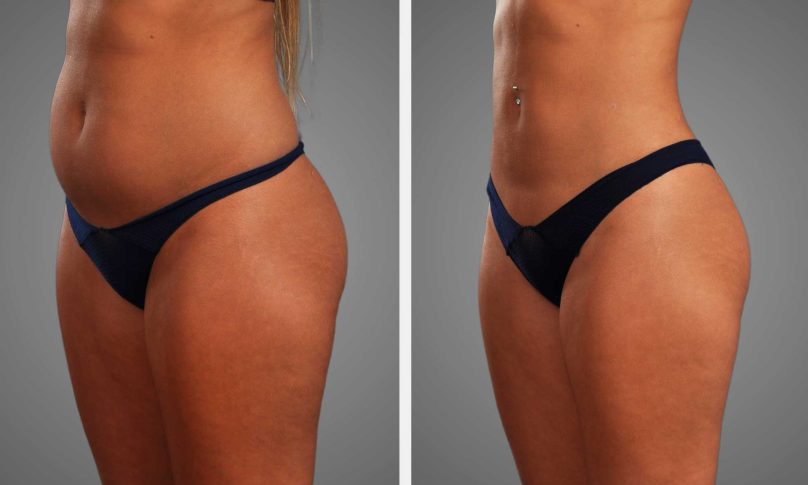
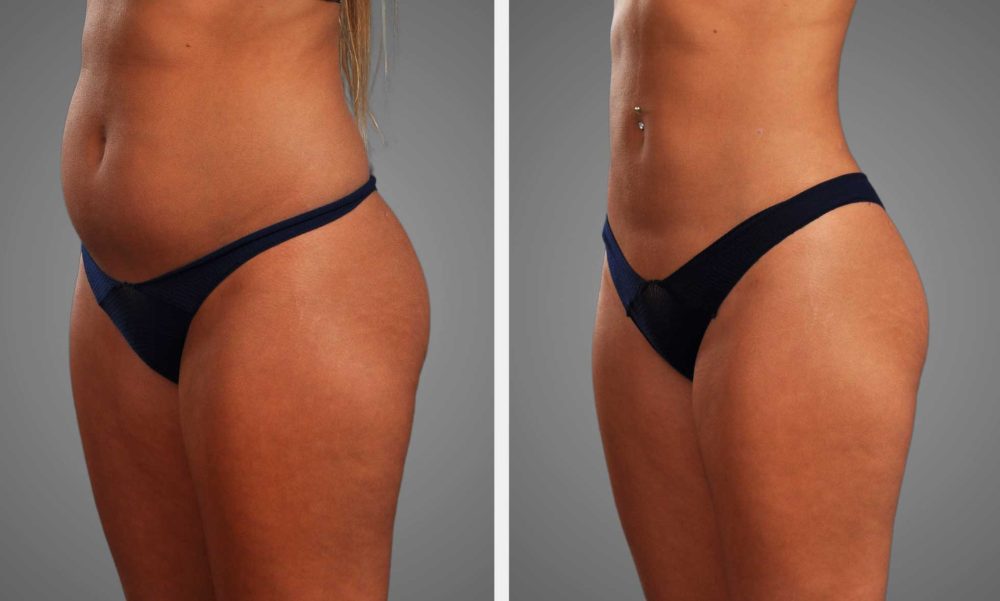
Male love handle contouring is a process that assists in forming the waist and cutting down fat on the flanks. Men commonly witness fat accumulate in this area, which can be difficult to shed with diet or exercise alone.
Emerging techniques such as non-invasive treatments and liposuction provide even more choices with definitive outcomes. This guide reveals truths about these options, price and what to anticipate post treatment.
The Male Physique
Male physique is influenced by a combination of genetics, aging, and hormones. Most guys desire a V-shaped torso and a tight waist, but persistent fat along the sides, known as love handles, can interfere. These regions, the abdomen, flanks, and chest, tend to be stubborn to diet or exercise.
As the emphasis on a powerful, healthy aesthetic has increased, so have the number of men who choose to do something about it, like body sculpting. This all dissects the key variables that define the male physique and influence love handle sculpting.
Genetics
Genetics dictates the fundamental pattern for where men hold fat. Others, even healthy men, see fat pile up around their middles and sides. Like love handles, a family history makes it more likely a man will have the same problem.
Muscle and fat distribution are closely linked to genetics. If your dad or brother has stubborn love handles, you’ll likely follow suit. Men out there, remember these trends when establishing your fitness or contouring goals.
Not every body can have that traditional V-shape or six-pack, and that’s okay. This awareness of your genetic ceiling will help you set realistic goals that coincide with your body’s inherent frame.
Aging
The problem is that as we get older, our metabolism slows down. This transformation causes fat to accumulate at a quicker pace, particularly around the waist and flanks. Testosterone, which keeps fat off and muscle on, takes a nosedive with age.
That can spike more fat to linger around the waist, giving love handles an even stronger grip. Skin ages, too. It loses a little stretch and bounce.
This can impact the efficacy of body-contouring and why men of a certain age might require alternative or more aggressive interventions to achieve their desired outcomes. The requirement for due diligence increases with age in males, particularly if they desire sustainable, natural-appearing results.
Hormones
Both testosterone and estrogen are involved in men’s fat storage. Lower testosterone or higher estrogen can mean more fat in the love handle area. Hormonal imbalance, occasionally triggered by medical issues or stress, can result in hard-to-lose fat that diet and exercise alone can’t remedy.
Cortisol and other stress hormones promote fat accumulation around the middle. Maintaining hormonal balance is essential to men who desire a leaner, more chiseled physique.
Sometimes, getting hormones balanced is a big piece of achieving body goals and seeing better results from contouring or lifestyle changes.
Contouring Options
Male love handle contouring is a variety of options to help remove stubborn fat, sculpt better muscle definition and tighten loose skin post-weight loss. These are mostly options aimed at common trouble spots, like the belly, flanks, chest, lower back, thighs, and chin. Such procedures can provide dramatic results, but they are not a substitute for a healthy lifestyle.
We will not see the final results for another 3 to 6 months, and the most dramatic results are found in men with good skin elasticity and muscle tone.
| Contouring Option | Invasiveness | Downtime | Targeted Areas | Typical Results Timeline |
|---|---|---|---|---|
| Non-Surgical (CoolSculpting, Laser, Ultrasound) | Non-invasive | Minimal to None | Abdomen, flanks, thighs, chin | 4-6 weeks to see changes, full in 3-6 months |
| Minimally Invasive (Tumescent Lipo) | Minimally invasive | 2-7 days | Abdomen, flanks, chest | 1-2 months to see changes, full in 3-6 months |
| Surgical (Traditional Lipo) | Invasive | 1-3 weeks | Abdomen, flanks, chest, back | 1-2 months to see changes, full in 3-6 months |
| Combination Therapy | Mixed | Varies | Multiple areas | 1-6 months depending on methods |
1. Non-Surgical
Non-surgical methods utilize cooling, ultrasound, or laser to destroy fat cells without incision. CoolSculpting freezes fat with cold. Ultrasound and laser devices utilize sound or light waves to disrupt fat beneath the skin. They can target small areas, such as love handles, with precision.
A good majority of guys return to work immediately afterward as there’s virtually no downtime. These treatments work best for men who are near their target weight but have hard-to-lose pockets of fat that diet or exercise can’t touch.
These shifts are subtle. It can take weeks, sometimes as many as six, to notice the initial change. The majority of men see full results within three to six months.
2. Minimally Invasive
Tumescent liposuction is a popular, minimally invasive alternative. Physicians make tiny incisions and insert a slender cannula to pump out fat. From what I’ve read, this technique results in less swelling and bruising than traditional liposuction.
Most people are back to work in a few days. Some minimally invasive devices use heat or radiofrequency to help tighten the skin while removing fat. New tools reduce complications and help make fat removal smoother.
This option is great for guys who want a little bit more change than non-surgical treatments can provide, who don’t want long downtime.
3. Surgical
Conventional liposuction removes substantial fat deposits with a small number of incisions. This alternative can provide more dramatic outcomes, particularly for males with larger love handles or spare tire in multiple locations. It is performed by a surgeon and could require general anesthesia.
Recovery is longer, often days to a few weeks, with swelling and soreness. Choosing a talented, experienced surgeon makes a difference. For most guys, there are drastic shape changes and if they maintain a consistent weight, the results can be long-lasting.
What’s more, surgical contouring is employed with other treatments, such as chest or facial sculpting.
4. Combination Therapy
For few gentlemen, they achieved their best results by mixing methods. For instance, liposuction can be combined with non-invasive skin tightening or muscle sculpting. These combos can attack fat, firm skin, and enhance muscle definition all in one go.
Physicians will often recommend addressing more than one area, such as flanks and chest, to achieve a harmonious result. Bespoke plans are where it’s at.
We help you choose the perfect combination of treatments by having doctors consider your goals, trouble zones, and your body type. When it comes to contouring, combining your approach usually means more dramatic and longer-lasting results, particularly for men wanting a total body transformation.
Lifestyle Synergy
Lifestyle synergy is about how various elements of lifestyle—including diet, physical activity, and stress management—interact to shape your health. For men wanting to sculpt love handles, lifestyle changes not only help chisel your waist, they promote lasting health.
Small shifts, like making time for exercise or staying mindful, can reap real rewards. Most believe we need large-scale adjustments. Studies reveal that even minor daily habits increase life satisfaction, promote weight management, and preserve body sculpting results.
- Eat balanced meals with the appropriate ratio of protein, carbohydrates, and healthy fats to maintain even energy and assist muscle recovery.
- Work out most days of the week, combining strength and cardio to keep your body challenged and chiseled.
- Stay hydrated. Water is crucial for good skin and curbing hunger.
- Handle stress via breathing, meditation, or anything that calms you, because stress messes with your weight and health.
- Sleep, because your muscles and hormones need rest!
- Define attainable objectives and monitor advancement. Implement modifications that align with your way of life and timetable.
- Discover activities you like, such as playing a sport or hiking, so healthy living is less like work.
Nutrition
Choose vegetables and fruits for fiber and antioxidants. Choose lean meats like chicken or fish or opt for beans or tofu. Ditch the soda and grab some water or unsweetened tea!
Watch portion sizes, especially with high-calorie foods. Cut out chips, cookies and drive-thru meals! Balanced meals help you achieve and maintain your goals. Getting sufficient protein makes muscles look defined, while whole grains and healthy fats keep you full longer.
Water keeps your skin looking good, helps with digestion and reduces cravings that could result in weight gain. Hydration aids metabolism and recovery.
Exercise
Do: Focus on strength and core workouts, use good form, and keep the routine varied. Don’t skip warm-ups, overdo the same moves, or ignore rest days.
Targeted exercises, such as side planks, Russian twists, or mountain climbers, sculpt your waist and build muscle. Getting moving most days helps you maintain a healthy weight and body shape, even when the scale or pants feel groggy.
Mixing things up, whether it’s taking a cycling class one day, swimming the next, or doing yoga, will help you avoid boredom and keep your body guessing, so results don’t stall.
Maintenance
Moisturize skin daily. Use sunscreen outdoors. Stay active each week. Eat varied, nutrient-rich foods.
Manage stress regularly. Plan checkups with a plastic surgeon as necessary. Follow-up appointments monitor healing and intercept problems early, preserving outcomes.
Something as simple as developing good habits, such as regular workouts and balanced meals, goes a long way toward a chiseled physique. Maintaining these habits keeps skin taut and body contour enduring.
Procedural Realities
Male love handle body contouring is not just a science, it’s an art: a fusion of technique, patient preparation, and reasonable expectations. Knowing what occurs before, during, and after a procedure is crucial to being informed.
Consultation
A good first step is to schedule a comprehensive consultation. The surgeon will discuss your goals, see if your expectations align with what’s achievable, and review your health history. Be sure to mention any prior surgeries, medications, or health issues. This assists the surgeon in tailoring the procedure to your anatomy and requirements.
Inquire about the surgeon’s experience with male love handle contouring. Ask for before and after photos from previous patients and discuss success rates. Experienced surgeons often have a portfolio to present. Custom care plans are essential.

As with all things body related, everyone’s physiology is distinct; what is effective for someone may not be for you. Good surgeons will present options like traditional liposuction or non-invasive alternatives and suggest what suits your body.
Transparent communication is essential. If you don’t know a step, ask. Be sure your surgeon talks about the risk, the recovery, and realistic results. The more you inquire, the more you understand what to anticipate.
Recovery
Recovery time varies by the type of contouring performed. The majority of patients return to simple daily activities within a few weeks. Individuals who receive liposuction on love handles commonly wear a compression garment for 2 to 4 weeks. This dress assists with inflammation and promotes recovery.
Side effects such as bruising are common and typically subside within 2 weeks. Swelling can linger for up to half a year. At least the first two days, relative rest is key. No heavy lifting or hard exercise for 4 to 6 weeks, even if you feel ready earlier.
Complete feeling in the region usually comes back within a few weeks, but all timelines are unique. Executing on your surgeon’s post-op instructions is crucial for great healing and the optimal outcome. Trying to skip steps or rush recovery can just slow you down or cause complications.
Risks
Body contouring treatments, even liposuction, have risks. These can consist of infection, alterations in skin sensation, irregular contours and uncommon issues such as blood clots. I like to call them procedural realities.
The likelihood of these problems decreases with an experienced, board-certified surgeon. Selecting a competent provider is key. Verify credentials and ensure the clinic meets safety standards.
Emotional blows, like if results don’t match up to what you pictured, can occur. Some patients get blue in recovery, particularly when there’s swelling or bruising. Informed consent is essential. Be aware of all the potential side effects, when to do a self-check, and how to contact your care team.
Beyond The Scalpel
Contour your love handles is more than surgery and flash. Many opt for these treatments after years of diet and exercise, only to experience lingering fat. Genetics, hormones, and metabolism all contribute to how bodies carry around pounds of fat, so it’s often impossible for individuals to achieve the physique they desire without assistance.
Beyond the scalpel” is about seeing the entire spectrum, from skin health to mental health, and yes, even nonsurgical approaches.
Skin Elasticity
Skin elasticity is crucial to achieving optimal body contouring results. Good skin quality aids the skin in shrinking and molding to a new form after the fat is suctioned. Those with tight, resilient skin tend to experience more seamless, natural contours, whereas lax or thin skin can result in sagging or lumpy outcomes.
Age, sun damage, smoking, and genetics impact skin’s resiliency. Skin elasticity pre/post contouring matters. Hydrating, vitamins C and E rich diet and avoiding smoking all aid skin in staying strong.
Non-surgical treatments like radiofrequency or ultrasound can help stimulate collagen and tighten skin for improved results. Retinol or peptide skin creams might provide some mild enhancement, but results are subtle when compared to professional options.
Determining the best strategy is often a combination of skin quality, age, and health. Such a professional can help evaluate what works best for each individual.
Mental Health
For many, achieving the body shape you desire can be uplifting and increase self-esteem. Looking good makes you feel good and that confidence can carry you through the office, dinner with friends, or just your daily routine. It’s not just vanity—mental priming ahead of a procedure counts.
Others think it’s immediate or pristine, which can lead to anxiety or frustration. Recovery time and swelling will have you feeling worse before you feel better. Setting realistic goals and speaking candidly with a provider can help tame these feelings.
Support from friends, family or a therapist may calm the emotional roller coaster during recovery. Long-term, a lot of individuals say they feel happier and more confident post contouring. It’s within a greater quest for total wellness.
Realistic Outcomes
Not all body shapes can be altered alike. Your anatomy, skin type, and fat pockets all determine what a procedure can achieve. Set goals for your body and your health, not someone else’s.
A qualified provider will tell you what’s possible and what’s not, guiding you to select realistic possibilities. Body contouring can give you shape, but it won’t substitute for a healthy lifestyle or cure all of your insecurities.
Maintaining a stable weight and an active lifestyle helps results endure. Concentrate on advancement, not flawlessness. Every step delivers incremental impact that accumulates into an outsized effect over time.
Future Innovations
The world of male love handle sculpting is evolving rapidly, influenced by emerging technologies and a broader transformation in society’s perspectives on men’s aesthetics and self-care. The worldwide male cosmetic market will hit $8 billion by 2028 for good reason, and there’s a huge appetite for body sculpting alternatives. More men are seeking them out as well, with male plastic surgery increasing by 55% between 1997 and 2018.
This transition is about more than just appearance. It demonstrates how concepts of wellness and fashion are now considered equally for men as for everyone else. Keeping up on the new tech in body contouring can help those seeking better results with less risk and less downtime.
One major trend is ultrasound, which provides physicians with greater control and more precise outcomes. New tools like BodyTite use radiofrequency or heat to melt fat with tinier incisions, resulting in less inflammation, less bruising, and less time away from normal life. These approaches are attractive to those seeking a genuine transformation without the risks or extended downtime that surgery can pose.
For instance, a person with a hectic work schedule might opt for a non-invasive treatment since they can return to work quickly, in as little as a day or two. There are steps toward therapies tailored to the individual. Surgeons today consider factors such as body shape, skin laxity, and muscle tone in devising a plan.
That means results are more natural-looking and fit the person’s frame instead of making everyone look the same. New research is exploring how genes might affect how we store fat or heal after a surgery. In the future, this could translate to even more precision care, where factors like someone’s DNA help determine their therapy.
Body contouring has become less about drastic transformations and more about subtle, natural-looking adjustments. Tools and techniques keep improving, so physicians can mold the body with greater artistry and less danger. Research is driving innovations to speed healing, reduce pain, and make results more long lasting.
As this industry expands, it is becoming accessible to everyone, empowering people to modify their bodies in safe and intelligent ways.
Conclusion
Male love handle contouring is now a clever avenue for men who desire a more streamlined waist. A lot of men want to get rid of stubborn fat, but not every option suits each goal or body type. Clinics now deploy new technology and safe tools that help shape the body with less ordeal. True transformation is a lifelong process, not a quick patch. Eat well, move more, and keep goals real for an extra shot of results. Options continue to multiply and innovative thinking keeps it fresh. If you want to begin, consult a competent professional. Answer questions and receive precise information for your body and plan. To find out more, look up reputable sources or discuss with a care team.
Frequently Asked Questions
What are love handles in men?
Love handles are the stubborn excess areas of fat that rest on the sides of the lower waist. They are notoriously resistant to diet and exercise.
Which contouring procedures target male love handles?
Common choices are liposuction, CoolSculpting, and radiofrequency treatments. Both aim to reduce fat in the waist.
Are non-surgical contouring methods effective for men?
Non-surgical techniques such as CoolSculpting can minimize male love handles. Results vary per individual and typically necessitate several sessions.
How long is recovery after love handle contouring?
They require little to no downtime for most of these non-invasive procedures. Surgical options, such as liposuction, can necessitate days of downtime.
Can lifestyle changes help reduce love handles?
Yes, a healthy diet and consistent exercise decrease total body fat, including love handles. Both combined provide the optimal outcome.
Are results from love handle contouring permanent?
Fat cells eliminated are gone for good. Weight gain can cause leftover fat cells to swell, so good habits are key.
What should I consider before choosing a contouring procedure?
See a qualified professional. Think about your health, your goals, and what the risks or benefits of each would be.