Directions
 Call Us
 Email Us


Key Takeaways
- Stubborn fat after Ozempic is a thing because rapid weight loss alters fat distribution and metabolism. Keep tracking body composition and not just scale weight.
- Hormonal changes from GLP-1 medications and weight loss influence hunger and fat storage. Therefore, focus on balanced meals, sufficient protein, and hormone-enhancing lifestyles.
- Fat cells shrink but don’t typically vanish, so muscle-building resistance training and consistent cardio are key to raising resting metabolism and avoiding regain.
- Visceral fat typically recedes more easily than subcutaneous fat. Therefore, anticipate health advantages even if some spots are stubborn. Consider targeted treatments if preferred.
- Design a post-medication game plan that pairs consistent movement, stress management, sleep management, and mindful eating to combat metabolic adaptation and safeguard gains.
- For stubborn pockets, consider non-surgical or surgical treatments with appropriate expectations. Work with clinicians to customize long-term approaches that address genetic and cellular components.
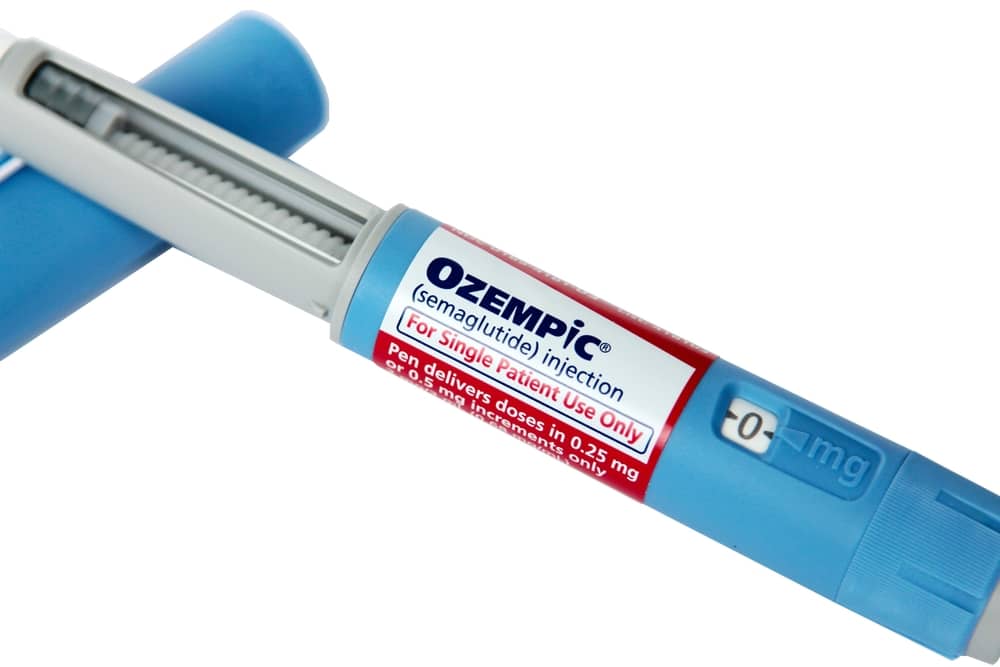
Stubborn fat after ozempic is isolated fat that is still present even after weight loss from semaglutide. It frequently shows up on the belly, hips, or thighs and may linger because of fat cell size, hormones, or lifestyle habits.
Patient age, treatment duration, and muscle mass influence results. To combat it, your choices are customized nutrition, strength training, and physician-directed interventions.
The remainder of this post dives into the science and practical steps.
The Fat Paradox
The fat paradox names a set of seeming contradictions: excess adipose tissue raises long-term disease risk but, in some acute settings, higher body mass can offer a survival edge. This tension is relevant when individuals shed pounds on GLP-1 medications such as semaglutide (Ozempic) because the distribution of the change is disproportionate. Fast fat loss can shed visceral stores that fuel metabolic risk yet spare subcutaneous pockets, transforming both health profile and appearance in ways patients don’t anticipate.
1. Hormonal Footprint
GLP‑1 receptor agonists reduce appetite by targeting brain centers that regulate hunger and enhancing insulin response, which collectively alter bodily energy storage. Appetite falls, blood sugar swings even out, and insulin signaling changes decrease de novo fat production in certain tissues. Changes to ghrelin, the “hunger hormone,” and to stress hormones like cortisol can linger.
They continue to drive hunger signals back up when dosing or novelty subsides. Those hormonal swings can manifest as craving binges or rebound hunger cycles, particularly if weight falls rapidly. When ghrelin climbs or cortisol remains elevated, the body prefers to hoard fat, especially in areas where it once stashed surplus.
Long-term harmony among these hormones is the secret to maintaining a slim physique. Putting your faith in just a pill, without addressing lifestyle, allows for relapse.
2. Fat Cell Biology
Fat cells wither with caloric loss but largely do not die, so the body retains a fat memory. Adipocyte hypertrophy, when cells go big, flips back with weight loss to smaller cells, but the cell number stays put. It’s easier to regain if intake creeps up.
That stability explains why stubborn pockets persist: the local adipose tissue retains wiring and blood flow that favor refilling. Even with significant weight loss, those local cells can enlarge quicker than new ones can develop. Therefore, trouble zones are sluggish to get better and speedy to relapse if lifestyle habits slide.
3. Visceral vs. Subcutaneous
Visceral fat hugs organs and connects directly to diabetes, heart disease, and inflammation. Subcutaneous fat, on the other hand, is typically less metabolically detrimental yet more difficult to shed. GLP‑1 drugs generally diminish visceral stores more easily, normalizing labs and risk markers while leaving areas such as thighs and lower abdominal subcutaneous areas recalcitrant.
Losing visceral fat lowers cardiovascular risk and often improves clinical outcomes, which partly explains the fat paradox: reduced risk despite remaining extra pounds. Typical stubborn areas are hips, butt, inner thighs, and lower belly.
4. Metabolic Adaptation
Metabolic adaptation is the body’s energy use slowdown post calorie loss or drug-assisted weight change. Resting energy expenditure falls, movement torch less, and hormones pivot to conserve fuel. That slowdown makes additional fat loss more difficult and increases the risk of regain.
Countering this necessitates monitoring intake and activity, incorporating resistance exercise to maintain muscle, and tuning nutrition as weight drops. Small, consistent changes help compensate for the metabolic decline without severe restriction.
5. Genetic Predisposition
Genes help determine where fat sits and how quickly it departs. Some folks, for example, have zonal fat retention no matter what the drugs do. Family patterns often repeat: parents with abdominal-heavy storage tend to have kids with the same pattern.
Maintaining a straightforward chart of family background and individual fat patterning can direct hopes and approach. Genetic effects mold drug response and stubbornness, so personal plans go farthest.
Beyond The Medication
Quitting or medicating leaves holes lifestyle fills. Weight loss drugs can alter appetite and metabolic signals, but permanent command over resistant fat needs continued care of nutrition, activity, rest, and strain. They experience appetite returning post-medication because the body up-regulates hunger hormones and food reward, a biological push that causes weight to come back unless met with rigid habit loops.
Tapering over weeks instead of immediate cessation might provide a better opportunity for stable weight months down the line.
Nutritional Quality
PHARMA: Go for nutrient-dense meals that defend muscle and suppress abdominal fat. Think beyond the pill. Opt for whole foods with lean protein, vegetables, whole grains, legumes, good fats, and minimal ultra-processed items.
Hit a protein goal that sustains muscle. Around 1.2 to 1.6 grams per kilogram of body weight for active adults is a good baseline, tweaking for age and activity. Instead, implement small calorie deficits and eat in a way that supports energy levels and minimizes binge potential.
Track macros to keep protein adequate and carbs and fats balanced for your goals. Balanced intake helps steady blood sugar, supports insulin sensitivity, and minimizes intense hunger swings that result from sudden medication shifts. For those with previous insulin resistance, consistency matters for preserving new gains.
Movement Patterns
Routine physical activity maintains lean mass and increases caloric burn. Pair resistance training two to three times per week with reasonable cardio most days. Resistance work keeps your strength and fights age-related muscle loss.
Cardio helps keep your heart healthy and your calories in check. It’s great for weight maintenance, insulin sensitivity, and inflammation. Those gains can outlast medication effects when they’re reinforced by activity.
Checklist for a weekly movement plan:
- 2 to 3 resistance sessions consist of compound lifts, lasting 30 to 60 minutes each, with progressive load.
- 150 minutes of moderate cardio or 75 minutes of vigorous cardio is recommended, such as brisk walking, cycling, or swimming.
- 2 sessions of mobility or balance work: yoga, dynamic stretches, 20 to 30 minutes.
- Daily light activity includes standing, short walks, and step goals to break sitting time.
- Recovery measures include sleep, hydration, and foam rolling to reduce injury risk.
Movement promotes long-term weight stability and prevents the body from drifting upward from its set point once drugs are stopped.
Stress and Sleep
Chronic stress increases cortisol, which encourages central fat storage and feeds cravings. Bad sleep can modify ghrelin and leptin, increasing hunger and decreasing satiety. Both of these factors make it more likely that you’ll put the weight back on.
Establish bedtime routines: consistent sleep times, dim lights, screen cut-off one hour before bed, and a cool, dark room. Even minor modifications can improve sleep and hunger hormone regulation.
Exercise stress-reduction regularly. Easy things like 10 minutes of mindfulness, mini yoga sessions, or paced breathing decrease stress and help prevent reactive eating. These habits, paired with diet and exercise, help slow weight regain once the medication stops.
Strategic Interventions
Ozempic and GLP-1 drug-stubborn fat frequently requires strategic interventions beyond drug discontinuation. Mix and match medical, nutritional, and exercise options, and plan for continued evaluation.
Customize each approach to previous weight history, present health markers, and individual goals, and realize that you will regain weight if you don’t have a long-term plan.
Build Muscle
Strength training boosts resting metabolism by building lean mass. First, prioritize compound lifts—squats, deadlifts, presses, rows—that work multiple joints and large muscle groups.
These strategic interventions provide the greatest metabolic return per minute and help counteract the lean mass loss that can accompany rapid drug-assisted weight loss. Measure progress with objective strength and size measures to inform load increases and recovery.
| Metric | How to measure | Target frequency |
|---|---|---|
| 1RM or estimated 1RM | Test for main lifts every 8–12 weeks | Every 8–12 weeks |
| Reps at given weight | Track sets × reps in training logs | Each session |
| Muscle circumference | Tape measure at fixed landmarks | Monthly |
| Body composition | DEXA or bioimpedance for lean mass | Every 3–6 months |
Up your daily protein consumption to repair muscles and stave off hunger. Target 1.2 to 2.0 grams per kilogram of body weight depending on training load, divided across meals.
Examples include Greek yogurt at breakfast, lean meat or legumes at lunch, and whey or plant protein post-workout. Small protocol changes, such as incorporating a protein snack before bedtime, assist in maintaining lean mass over time.
Optimize Cardio
Start with 150 minutes a week of moderate aerobic activity, then sprinkle in some higher-intensity sessions that burn more calories. Alternate steady-state sessions of 45 to 60 minutes of brisk walking or cycling with HIIT blocks such as 20 to 30 minute runs interspersed with intervals.
This combination assists in burning calories, bolsters heart health, and aids in blood sugar management after medication cessation. Track cardiovascular markers, such as blood pressure, resting heart rate, and lipids, to track physical improvements and to tweak the plan.
Use simple tools, including a cuff for blood pressure, a home scale for weight trends, and lab tests for cholesterol and glucose every 3 to 6 months. Switch up cardio type or intensity if progress plateaus, and pair sessions to recover from resistance work.
Consider Therapies
Non-surgical solutions like radiofrequency therapies and endoscopic bariatric therapies can eliminate local fat without the presence of long-term medication. Surgical pathways such as liposuction, abdominoplasty, or thigh lift target surplus skin and localized fat deposits but require high expectations after major weight loss.
- Endoscopic therapies: Pros—less invasive, no lifelong drugs. Cons—hit or miss, not for big volume reduction.
- Radiofrequency/body contouring: Pros—target small pockets; Cons—multiple sessions, modest effect.
- Liposuction: Pros—immediate contour change; Cons—surgical risk, recovery time.
- Skin excision (tummy tuck, lift): Pros—removes excess skin. Cons—scarring, longer recovery, cost.
Align any intervention with health, weight maintenance, and achievable result targets.
The Post-Medication Plan
It’s a post-medication plan — a plan that’s designed to help you maintain your gains after discontinuing GLP-1 medication and to minimize rebound weight gain. The body can respond to coming off medication by altering hormones that increase appetite and make food more rewarding.
So planning minimizes shock and gives you actionable steps to control appetite, activity, and mood. This plan should establish measurable goals, incorporate regular tracking, and identify alternatives if additional treatment is needed.
Sustaining Habits
Daily habits of healthy eating, gentle movement, and mindfulness actions serve as the skeleton of the plan. Start by defining three to five nonnegotiable habits: for example, protein at each meal, 30 minutes of activity most days, and a nightly sleep routine.
Employ a habit tracker or easy journal to note progress. Observing the streaks is momentum-inducing.
Keep changes small and staged. Introduce new habits post-medication, one at a time, giving each four to six weeks to stick before introducing the next. Change little things at a time because gradual change reduces stress and decreases the likelihood of falling back into old habits.
Social support matters: join a walking group, enlist a friend for meal prep, or use an online community for accountability. Trackable examples include a weekly plan that lists three protein-rich dinners, two strength sessions, and daily 10-minute walks or a simple log noting servings of fiber and liters of water consumed.
Managing Appetite
Recognize real hunger versus emotional cues by asking two questions before eating: when did I last eat, and what emotion am I feeling? Big appetite swings after coming off pills can be hormonal, too, so anticipate fiercer food rewards early on.
Portion control and mindful eating curb overeating. Use smaller plates, serve in the kitchen not at the table, and have one screen-free meal a day to feel full.
Plan meals and snacks to avoid impulsive choices: a mid-morning snack of Greek yogurt with fruit or a fiber-rich salad at lunch makes sudden cravings less likely. Water and fiber help blunt appetite, so make sure you include legumes, whole grains, and vegetables, as well as 1.5 to 2 liters of water a day, adjusted for your climate and activity level.
Psychological Shift
Your post-medication plan is as vital as diet and exercise. Significant weight loss and medication adjustments can leave people discombobulated, their bodies feeling unfamiliar and their expectations in flux.
Make room to mourn losses or identity shifts and establish achievable, concrete goals like keeping off 5% of your weight rather than the elusive perfect figure.
Peer support and group programs can maintain motivation and normalize setbacks. Redefine success to be more about having better energy, better blood sugar, or more steps per day than just scale numbers.
Track metrics of health. Even if you regain some weight, metabolic benefits such as lower hemoglobin A1c or better blood pressure can remain.
The Cellular Memory
The cellular memory is fat cells remembering where they were before, how many there were and instructing your body on what to do in the future. This ‘fat cell memory’ or ‘obesity memory’ has indirect support in human studies demonstrating persistent genetic and epigenetic marks in adipose tissue after weight loss.
Our fat cells only live about 10 years, so the signals imprinted during obesity can linger for years and affect how the body’s metabolism reacts when calories increase.
Adipocyte Hypertrophy
Adipocyte hypertrophy refers to existing fat cells getting bigger when the energy equation leans toward storage. Once you lose weight, these cells usually just shrink and do not go away. They can fill up again fast if you begin to consume too many calories.
This fast refill is usually why we gain weight back faster than it took us to lose it in the first place. Track body composition, not just the scale, to witness early changes. There can be a slight increase in fat mass even if the weight looks to be stable because muscle and water shift as well.
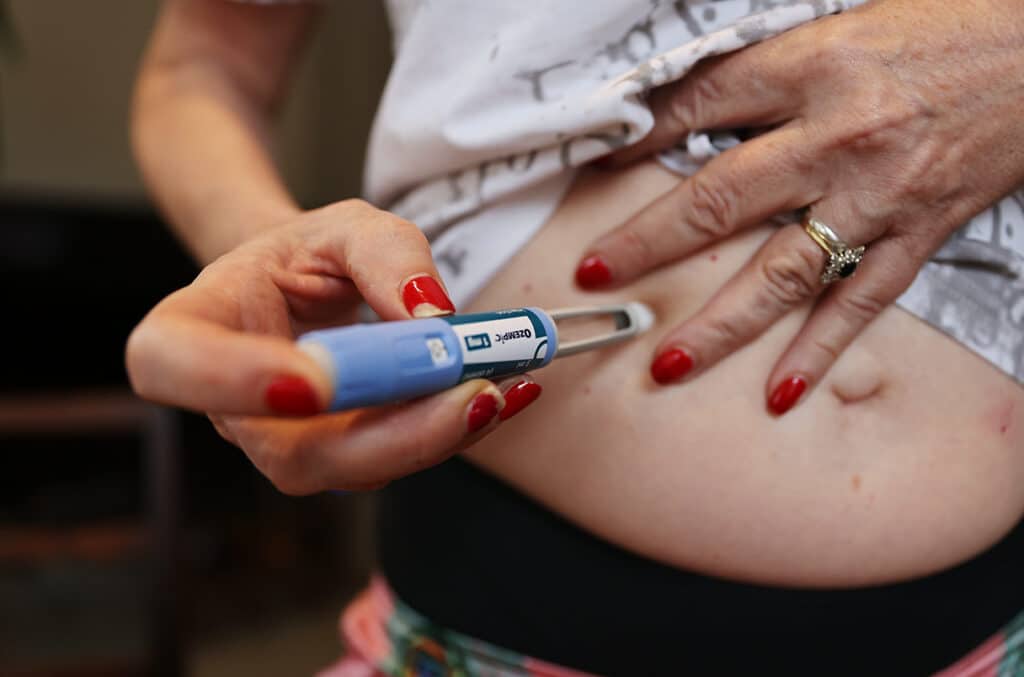
Use a combination of tools: skinfolds, bioelectrical impedance, or dual-energy X-ray absorptiometry where available. Continued calorie consciousness staves off re-expansion. That doesn’t mean perpetual limitation; it means pattern tracking, serving size recalibration, and maintaining protein and fiber elevated in order to fuel satiety.
Practical steps include planning meals, keeping easy protein sources on hand, and using weekly averages rather than day-to-day weight.
Set Point Theory
Set point theory argues the body has a weight range it likes to defend. Weight-loss drugs can suppress appetite and tip energy balance so the set point drops for a while, but biology resists and fights back to defend energy reserves.
The body may fight harder against additional loss through increased hunger, slower metabolism, and hormone changes. Try to make all your weight changes slow, so your body has a chance to adapt. Little, maintained dents in weight over months, combined with resistance training and nutritional protein, are more likely to nudge the set point in the downward direction than rapid losses.
Patience matters: steady habits over years may be the most realistic route to reset the defended range.
Inflammatory Signals
Inflammation from quick loss or gain influences metabolism and fat distribution. Fat can send out pro-inflammatory molecules that interfere with insulin and promote cantankerous visceral fat.
Chronic low-grade inflammation connects to fatigue, joint pain, and worse metabolic response and it can reinforce the cellular memory. Adopt anti-inflammatory foods and habits: oily fish, nuts, colorful vegetables, whole grains, sleep hygiene, stress management, and regular movement.
Pay attention to lingering inflammation and seek a doctor’s advice when symptoms linger. By reducing inflammation, it can assist in boosting insulin sensitivity and making it more difficult for adipose cells to reclaim their former size.
Long-Term Perspective
Long-term weight control post-GLP-1 medications usually involves lifestyle adherence and medical follow-up. Drugs can curb hunger and shift fat storage, but these effects may diminish if behaviors return. Maintain a consistent schedule for what you eat, how much you eat, and when you exercise.
Aim for a mix of strength work and aerobic movement that fits daily life. Examples include three 30 to 40 minute walks weekly plus two 20 to 30 minute resistance sessions with bodyweight or bands. Track food loosely, not rigidly. Note patterns that lead you to overeat, like skipping meals or sugar-loaded late night snacks, and set small fixes like prepping two easy meals per week.
Weight is forever and therefore requires a flexible approach when life shifts. Stress, travel, shift work, and illness all disrupt appetite, sleep, and energy. Anticipate plateaus and even backslides and plan your reactions ahead.
If weight stalls for two months, rethink calories, protein, and activity rather than freak out. For instance, incorporate 15 to 20 minutes of daily brisk walking or replace a refined carb with a higher-protein choice at one meal. Adjust sleep and stress care by aiming for consistent sleep timing and including short daily stress breaks such as five minutes of focused breathing or brief walks.
Celebrate non-scale and health-related victories to maintain motivation. Enhanced sleep, lower blood pressure, a slimmer waist, improved mood, and less joint pain are all legitimate progress indicators. Use simple measures: how clothes fit, the ability to climb stairs without breathlessness, or energy level throughout the day.
Capture these victories in a journal or app each month. If lab numbers improve, such as more favorable HbA1c and lower triglycerides, bring them to your clinician’s attention. These markers tend to forecast long-term health more than tiny week-to-week fluctuations in weight.
Have periodic check-ins with quantifiable objectives to keep pushing forward. Book quarterly check-ins with a clinician if you can, and monthly auto-checks on the habits and metrics you control. Use short-term goals tied to behavior, not only weight—examples include “Eat two servings of vegetables five days a week” or “Do resistance work twice each week for six weeks.
Reevaluate medication requirements with your provider. Some individuals gradually reduce dosage or discontinue medication under supervision and require additional assistance. If stubborn fat resides in certain areas even after you have lost overall fat, then think about body composition testing and focused strength work to put muscle under those areas instead of pursuing spot reduction.
Conclusion
Stubborn fat after ozempic Fat cells retain their size and certain signals. Body weight moves slow. Tiny, consistent habits are most effective. Include resistance work to maintain muscle and increase resting burn. Choose whole foods that satiate you, not simply trim calories. Track meals and sleep for clues, not guilt. If fat remains stubborn, check hormones, meds, and sleep with a clinician. Anticipate gradual victories. Celebrate consistent losses as well as increased strength. Test a strategy for three months, observe results, and make adjustments. Prepared to construct an easy plan that suits your day? Contact us for a straightforward next step.
Frequently Asked Questions
What causes stubborn fat after stopping Ozempic?
That’s because of metabolic adaptation, hormonal shifts, and stored energy signals. Weight lost on Ozempic can be partly water and fat. Once medications cease, your appetite and energy storage mechanisms can kick back in to help you regain.
Can targeted exercises remove stubborn fat retained after Ozempic?
Spot reduction is not a thing. Strength training and progressive resistance develop muscle and body composition. Used with calorie control, they will help shrink overall fat, including the stubborn kind, over time.
Will diet alone get rid of stubborn fat after Ozempic?
A customized, maintainable diet does help. Dieting alone can be slow. Pair a nutrition-dense calorie plan with resistance training and movement for quicker, lasting stubborn fat drops.
How long does cellular memory make fat come back?
Cellular memory is different. Fat cells can remain primed for months to years. Long-term lifestyle changes and consistent weight management strategies are required to combat this propensity.
Are there medical or procedural options for persistent stubborn fat?
Yes. There are prescription medications, clinical weight-management support, and procedures like lipolysis or liposuction. Talk about risks, benefits, and realistic outcomes with a good clinician.
What practical steps speed stubborn fat loss after stopping Ozempic?
Focus on resistance training, a mild calorie deficit, sleep, stress, and professional direction. Consistency and tiny, sustainable tweaks produce the top long-term outcomes.