Directions
 Call Us
 Email Us



Key Takeaways
- Liposuction can remove localized fat and skin tightening options can help improve contour and reduce sagging after fat removal. Combined treatments are appropriate for many patients.
- Non-surgical tightening options like radiofrequency, ultrasound, and laser have less downtime. Multiple sessions may be needed and results come gradually.
- Surgical tightening methods such as excisional or energy-assisted lipo provide more immediate and predictable tightening with longer recovery and increased risks.
- Patient factors such as skin laxity, age, fat volume, and health status guide the optimal method. Consult an expert for customized evaluation.
- Get ready by discussing realistic goals, recovery time, and possible complications, and following pre- and post-procedure care guidelines to maximize results.
- Non-surgical options should be weighed against surgical options regarding costs, number of follow-up visits, maintenance needs, and more to best match expectations and lifestyle.
Lipo with skin tightening options is a group of treatments that eliminate fat and strengthen surrounding skin.
We’re talking surgical lipo, laser lipo, radiofrequency, and ultrasound devices that heat tissue to stimulate collagen. Outcomes differ based on the treated location, device, and patient age.
Recovery time and price vary by technique. The rest of this post compares methods, results, risks, and typical recovery to assist in selecting the ideal approach.

Conclusion
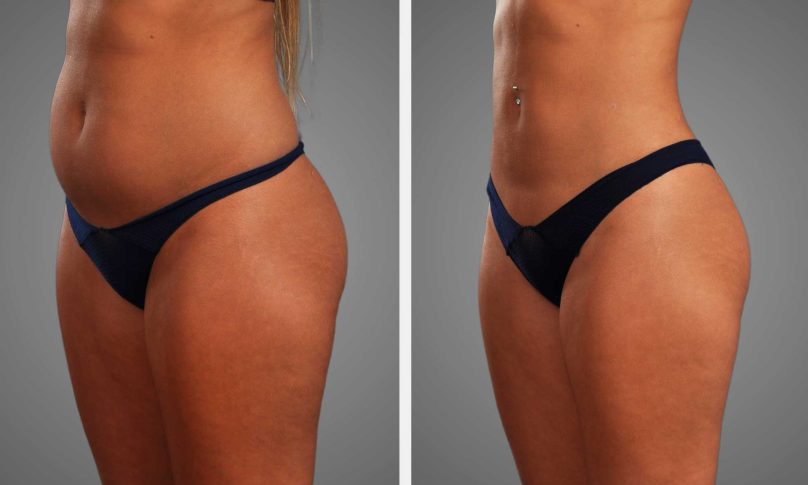
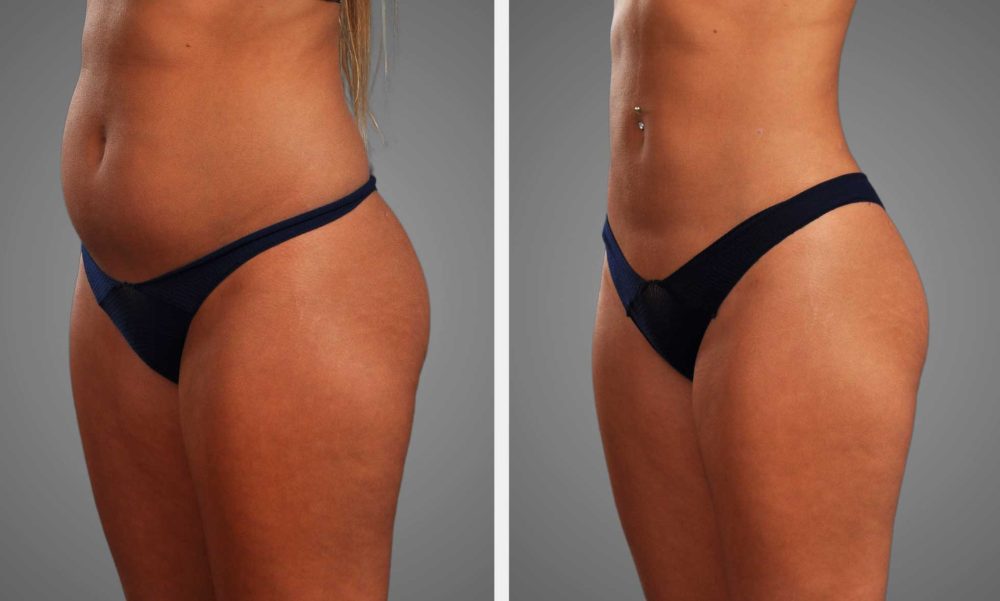
Lipo with skin tightening can really make a difference. Laser, radiofrequency, and ultrasound all firm tissue in varying manners. Laser does a great job on little areas like under the chin. Radiofrequency can treat larger areas and integrates nicely with body sculpting. Ultrasound hits fat and helps skin shrink. Mix and match for more stubborn situations. Recovery times vary from a few days for light laser work to a few weeks for more invasive treatment. Look for gradual transformation during 3 to 6 months. Pick a board-certified provider who displays before-and-after photos and discusses risk and pricing. Inquire regarding follow-up appointments, scar management, and reasonable expectations. Be prepared to contrast or locate a provider. Schedule a consultation and bring your questions.
Frequently Asked Questions
What is the difference between liposuction alone and liposuction with skin tightening?
Liposuction gets rid of fat. Skin tightening employs energy-based or surgical methods to sculpt the skin. Pairing them enhances contour and contraction of loose skin following fat extraction.
Which skin-tightening methods are commonly paired with liposuction?
Popular choices are radiofrequency (RF), laser-assisted liposuction, ultrasound-assisted devices, and skin excision. Options vary based on skin laxity and treatment area.
Who is a good candidate for liposuction with skin tightening?
Ideal candidates possess localized fat, a relatively stable weight, and mild to moderate skin laxity. Severe loose skin might need surgery to excise instead of noninvasive tightening.
How long is recovery after combined liposuction and skin-tightening procedures?
Recovery is different. Noninvasive tightening with lipo usually implies one to two weeks of downtime. More aggressive or surgical tightening can take weeks. Adhere to your surgeon’s post-op care.
When will I see results from liposuction plus skin tightening?
Fat loss can be seen once swelling begins to subside. Skin tightening results may occur gradually over three to six months as collagen remodels, with enhancements extending up to a year.
Are there risks or side effects specific to combining these procedures?
Complications are rare and consist of swelling, bruising, transient numbness, burns with energy devices, and contour irregularities. Selecting an accomplished, board-certified surgeon minimizes risk.
How do I choose the right provider for liposuction with skin tightening?
Seek a board-certified plastic surgeon experienced in both lipo and energy-based skin tightening. Request before-and-after photos and patient testimonials. Check safety measures.