Directions
 Call Us
 Email Us


Key Takeaways
- High cortisol, frequently a result of ongoing stress, drives up belly fat storage and impacts body composition.
- I believe we need to control cortisol before and after liposuction to enhance healing and extend the results.
- Surgical stress may elevate cortisol temporarily, so stress-busting measures are essential for the best possible healing and results.
- High cortisol could cause undesirable fat redistribution or liposuction weight regain.
- Hormonal control, like controlling cortisol, is important for keeping the weight off and fat healthy.
- Taking a holistic approach incorporating stress management, balanced nutrition, regular physical activity, and professional guidance can help optimize your results and support your overall metabolic health.
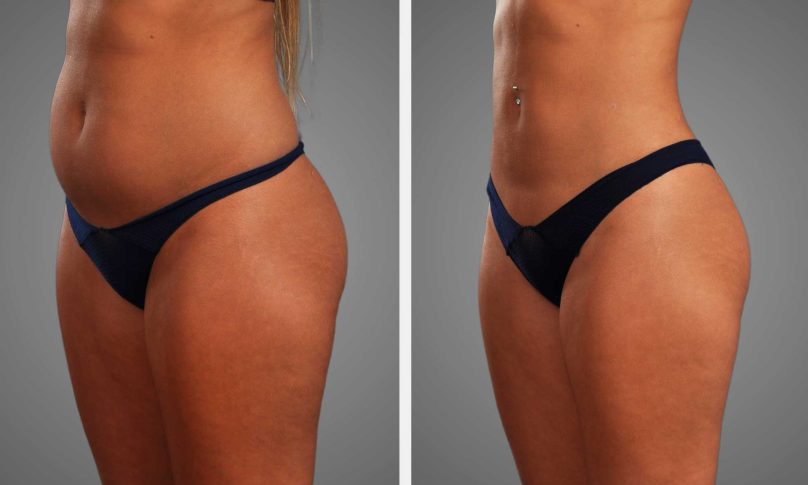
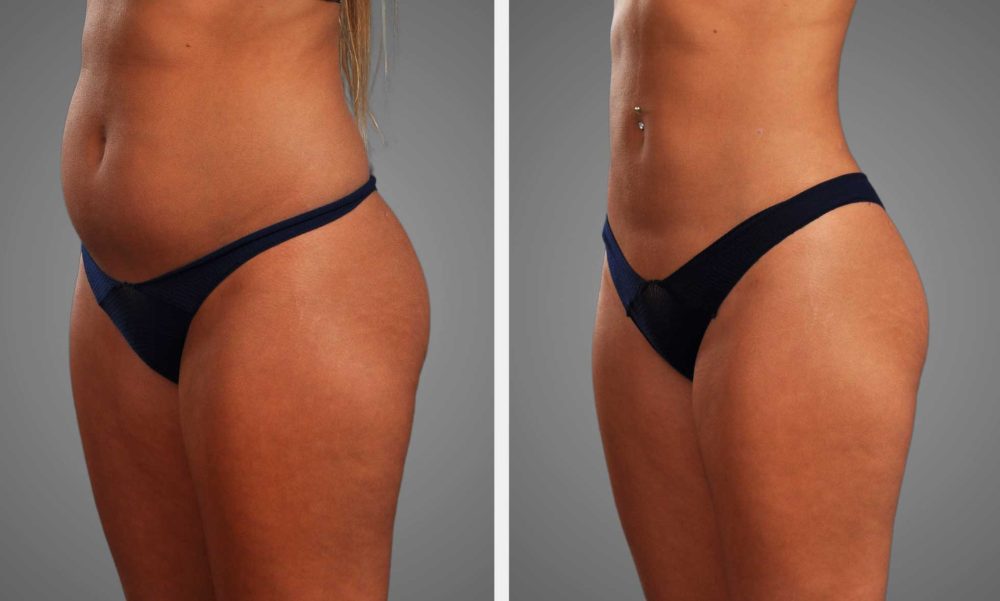
Liposuction doesn’t alter the way the body deals with cortisol fat storage, according to existing research. Cortisol is associated with abdominal fat storage, whereas liposuction removes localized fat cells.
Post liposuction, your body can store fat elsewhere if your stress and hormones remain elevated. So how do liposuction and cortisol intertwine to store fat, leading to upper body obesity?
In order to find out, MAIN BODY shares some facts and recent research.
Understanding Cortisol
Cortisol is a hormone that the body produces when it experiences stress. It’s instrumental in how the body metabolizes fat, sugar, and protein for energy. Cortisol helps regulate the body’s stress response. When cortisol remains elevated for an extended duration, it can alter the way your body stores fat. That’s why it is referred to as the ‘stress hormone.’
Perhaps its most famous impact is the way it shifts fat to the belly and increases the number of fat cells, particularly the type known as visceral fat. Visceral fat lies deep in the belly and has the potential to wrap itself around organs, which makes it more dangerous than fat elsewhere.
When cortisol increases, it does more than relocate fat. It can contribute to weight gain, primarily in the midsection. Research indicates that with elevated cortisol levels and insulin, our bodies can generate a whole bunch of new fat cells, which is 70 times the usual number in lab experiments.
It’s not just what it does to your appearance. Visceral fat, on the other hand, releases signals that can increase inflammation throughout the body. This is associated with increased risk for disorders such as heart disease, type 2 diabetes, and the cluster of complications called metabolic syndrome.
Cortisol’s connection to blood sugar problems is evident in how it operates alongside insulin, the hormone that facilitates the body’s utilization of sugar. When cortisol is high for an extended period, it can decrease the body’s sensitivity to insulin. This means sugar remains in the blood longer, which is not healthy.
The table below shows how cortisol, insulin resistance, and metabolic health are tied together:
| Factor | High Cortisol | Insulin Resistance | Effect on Metabolic Health |
|---|---|---|---|
| Fat Storage | More belly fat | Harder to lose fat | High risk for heart disease, diabetes |
| Sugar Control | More sugar in the blood | Less sugar moved to cells | Raises blood sugar over time |
| Inflammation | More inflammatory signals | Higher baseline inflammation | Drives long-term health risks |
Chronic stress keeps cortisol elevations high, which can alter body shape and fat storage. Symptoms of excess cortisol are a hard time falling or staying asleep, still feeling tired after sleeping, afternoon crash, cravings for sweets or carbs, and feeling wired and tired.
Your body creates and renews fat cells constantly; roughly 10% die and are replaced every year. Yet if cortisol remains elevated, this cycle can swing toward creating additional fat cells, which can make weight loss even more difficult.
To assist the body in regulating cortisol a bit, some turn to adaptogenic herbs such as ashwagandha, rhodiola, or holy basil. These assist the body in managing stress and regulating cortisol levels.
Even simple habits like daily meditation or slow, deep breathing can reduce stress hormones. These are no frills, basic tools, but they can be a genuine help to the stress-belly fat battlers out there.
How Cortisol Affects Liposuction
Cortisol, the body’s primary stress hormone, influences fat storage, wound healing, and even the aftermath of liposuction procedures. Its levels increase with stress, including the physical stress of surgery. This increase can influence the outcome and recovery from liposuction in significant ways.
1. Surgical Stress
Surgical stress results in a sharp cortisol jump intra- and post-liposuction. This spike can decelerate healing, increase blood sugar, and even induce swelling or pain in the initial post-surgery days. If stress remains elevated for weeks, tissue repair lingers and the likelihood of depression or dissatisfaction increases.
Reducing stress by sleep, deep breathing, or light walks every day can make the immune system more effective and hasten healing. Keeping caffeine and nicotine low helps keep your stress in check, which can make recovery smoother and less painful.
2. Fat Redistribution
Cortisol doesn’t just direct the body to store fat. It determines the location of that fat. High cortisol after liposuction can shove fat to your inner organs (visceral fat), particularly around the waist.
This shift can reverse the sculpting effects of surgery. Fat can creep in places not liposuctioned. Clever choices—balanced meals, sound sleep, and daily movement—will maintain a steady cortisol level and keep new fat from hanging around in all the wrong places.
3. Cellular Changes
Cortisol modifies fat cell behavior and development post-surgery. It can impede lipolysis and facilitate fat cells to store more energy. In certain individuals, this causes persistent fat deposits post-liposuction.
These hormonal changes from surgery can last months or years, so monitoring these changes is important for long-term outcomes. Understanding how your cells react can guide post-op care to prevent fat from returning.
4. Long-Term Results
Good cortisol management will help promote permanent weight loss post-liposuction. If stress persists and cortisol remains elevated, weight maintenance or fat regain is far more probable.
Long-term success requires more than surgery; it demands consistent sleep, smart nutrition, and reduced stress. Maintaining hormone balance and a healthy metabolism helps your body retain what you’ve worked so hard for with the procedure.
5. Hormonal Imbalance
Hormonal imbalance, particularly with cortisol, can complicate post-liposuction fat retention. Cortisol collaborates with hormones such as insulin and estrogen to determine the distribution of fat storage.
Menopause or other life changes can move this equation and cause new fat in old or new spots. Hormone health must be addressed for optimal liposuction outcomes down the road.
| Effect | Cortisol High (Cons) | Cortisol Managed (Pros) |
|---|---|---|
| Healing | Slower, more swelling and pain | Faster, fewer complications |
| Fat Distribution | More visceral fat, uneven body shape | Balanced fat loss, better shape |
| Weight Maintenance | Weight regain, persistent fat deposits | Sustained results, lower fat retention |
| Satisfaction | Higher risk of depression, lower satisfaction | Improved mood, higher satisfaction |
The Stress-Fat Cycle
Stress, hormones and fat are very intimately tied. When your body detects stress, such as from work, sleep deprivation, or everyday anxiety, it pumps out hormones like cortisol. Cortisol belongs to a family of hormones known as glucocorticoids, which can influence fat distribution in the body. Night stress, for instance, can deliver powerful fat storing messages, particularly around the belly.
Stress-driven changes go beyond just weight. They alter the way the body handles blood sugar, cholesterol, and even the response to food and exercise. As stress continues to recur over time, it can trap countless individuals in a stress-fat cycle. Among all the factors, chronic stress is easily the biggest reason why we struggle to shed or maintain weight.

When stress lingers, it injects a continual flow of cortisol into your body. This has the potential to push your body to store more fat, particularly deep in your belly. Belly fat isn’t just a dumping ground for excess calories. It is more active, releasing things such as cytokines and free fatty acids.
These may induce inflammation and disrupt the body’s use of sugar and fats for energy. What this implies is that even if you sweat and slog to shed the pounds, persistent stress can stall or sabotage results. If you’ve had the fat removed through liposuction or similar, not addressing stress and hormone imbalances makes it more difficult to maintain long-term results.
- Learn and use stress reduction techniques:
- Move the body each day. Even simple walks, swimming, or stretching all help.
- Practice slow, deep breathing. It calms the mind and body.
- Make time for yoga or meditation. Even a couple of minutes a day reduces stress.
- Establish a solid sleep regimen. Aim for 7 to 9 hours every night.
- Consume a balanced diet with more whole food and less processed sugar.
- Seek support, be it friends, family, or a counselor.
Your lifestyle choices are a powerful tool in disrupting the stress-fat cycle. Little things, such as shedding only about 5 to 10 percent of body weight, can reduce inflammation in the body and improve insulin utilization. Consistent working out, improved sleep, and intuitive eating can each contribute to reducing cortisol in the long term.
Addressing stress is about more than just feeling better. It is key to maintaining rather than gaining weight after any fat removal.
Optimizing Your Results
Knowing the connection between liposuction and cortisol-based fat storage is the secret to optimizing your long-term results. Liposuction takes the fat from where you don’t want it, but if your cortisol remains elevated you’re just going to develop new deposits elsewhere. That’s why it’s useful to zoom out beyond the protocol and examine your day-to-day habits that promote hormone balance and sustainable weight management.
Step one is a balanced diet. If you can only survive on healthy things 80% of the time and allow yourself treats the other 20%, it will be huge. This way allows them to eat guilt-free and still stay on course. Fiber, lean protein, and healthy fats help keep your energy steady and your cravings down.
It’s wise to minimize processed foods, added sugars, and salty snacks because these disrupt metabolism and activate stress responses. Daily exercise is important. Incorporating resistance training with weights, bands or body weight two or three times a week preserves muscle and keeps your metabolism humming.
Cardio, such as brisk walking, cycling or swimming, is important. Aim for around 150 minutes of moderate cardio a week to support heart health and regulate hormones, including cortisol. Short but consistent habits are typically more sustainable and can be adjusted for any fitness level or lifestyle.
Stress management is another key piece of the puzzle. Stress leads to more cortisol, which makes it harder to maintain results after liposuction. Mindfulness, meditation, and deep breathing exercises are simple and effective ways to reduce stress hormones over time.
Certain adaptogenic herbs like ashwagandha, rhodiola, and holy basil have been proven in studies to increase the body’s ability to manage stress and normalize cortisol levels. These exist in teas, capsules, or powders, but it’s wise to consult a provider before beginning anything novel.
Quality sleep connects it all. Limiting caffeine and alcohol, particularly in the evening, helps you sleep and lets your body’s stress response reset. Sleep well as it helps your body recover, regulates hormones and backstops optimal weight management.
To stay hormonally healthy is to check in on your body’s signals. Blood or saliva tests can reveal whether cortisol levels are imbalanced. If they are, collaborating with a doctor or dietitian can sort out the cause and reset things.
To support healthy cortisol and keep results after liposuction:
- Consume balanced meals most of the time and have your treats sparingly.
- Schedule consistent exercise, including both strength and cardio.
- Add stress management habits, like meditation or deep breathing.
- Try adaptogenic herbs if needed, with a doctor’s advice.
- Limit caffeine and alcohol, especially before sleep.
- Track sleep quality, and strive for 7 to 9 hours per night.
- Have your hormones tested if weight gain or fatigue emerge.
A Holistic Perspective
A holistic approach to weight management is about more than just calories, exercise or liposuction alone. It views weight loss and fat storage as consequences of how many systems in the body interact. Pressure in one domain, such as chronic stress, can make it difficult to shed pounds, even if you eat a healthy diet and exercise regularly.
Liposuction can contour the body, but it doesn’t address the underlying causes that fuel fat accumulation, particularly cortisol-related fat. For enduring impact, liposuction needs to be just one step in a larger strategy that supports the entire individual, not just one trouble zone.
Emotional and mental health are a huge piece of the cortisol puzzle. Stress might stem from work, stress might stem from family, stress might stem from lack of sleep or health concerns. When stress remains elevated, the body produces more cortisol, a hormone that signals the body to store fat, typically around the middle.
This is why stubborn belly fat can linger post-liposuction. Most of us discover that when life is tense, cravings for comfort foods soar and sleep deteriorates. With time, these habits can reverse the surgery changes. Mindfulness, meditation, and deep breathing bring down stress hormones and help the body recover.
Cutting back on caffeine and alcohol, particularly near bedtime, promotes better sleep and resets the body’s stress response. Boundary-spanning community support and expert advice count just as much as what you do solo. Working with a doctor, nutritionist, or therapist makes it easier to identify the true causes of weight gain.
We still need assistance, in other words, spotting habits or stress rockets that keep their cortisol blazing. Support from friends, family, or group programs can keep you on track and provide that sense of belonging that reduces stress as well. It can direct you to safe ways to use adaptogenic herbs, such as ashwagandha, rhodiola, and holy basil.
Research indicates that these herbs assist the body in managing stress and restoring cortisol to normal levels. A holistic plan for weight management should include:
- Eating regular, balanced meals to keep metabolism steady
- Actively listening to what the world is telling you and responding in a way that makes sense to you.
- Rest and sleep of seven or more hours per night.
- Stress management, like mindfulness or breath work
- Support from friends, family, or health professionals
- Limiting stimulants like caffeine and alcohol, especially at night
- Using safe, evidence-backed supplements if needed
The Unseen Factor
Cortisol, the infamous “stress hormone,” is involved in how bodies deposit fat, especially in post-liposuction situations. We all hear about diet and surgery, but no one talks about how stress and hormones mold the body’s reaction to fat extraction. With stress comes higher cortisol. This hormone doesn’t just respond to stress; it changes how and where the body stores fat.
Most research indicates that increased cortisol directs fat storage to the belly, or visceral region. This isn’t just a cosmetic switch. Cortisol can increase fat cell count, not just their size. In lab settings, cortisol with insulin can activate fat cell growth from early fat cells 30 to 70 times. It might shed light on why some individuals’ belly fat remains stubborn, even post-liposuction.
The dangers associated with visceral fat extend far beyond appearance. Visceral fat nestles deep inside your belly, surrounding important organs. It is associated with heart disease, type 2 diabetes, and other metabolic problems. For these liposuctioners, it’s easy to believe surgery is all they need.
If cortisol remains elevated, the body keeps producing new fat cells in the abdomen, making results difficult to maintain. This is why some folks see fat returning or moving to new places post-surgery. Research indicates that approximately 10% of fat cells perish and are renewed annually. The body is constantly shedding and replenishing fat cells. The net figure remains unless habits shift.
Lifestyle choices are very important as they relate to cortisol. Sleep deprivation, stress, bad nutrition, and lack of exercise all increase cortisol, which makes it difficult to burn fat or maintain weight loss. Eating more than the body requires, particularly when stressed, results in those unused fats being stored.
Over time, this can result in an accumulation of hard-to-lose fat, typically around your midsection. We hear a lot about this as the ‘cortisol belly,’ but know that not all belly fat is attributed to stress. Managing stress, eating well, and moving more can go a long way in keeping cortisol in check and supporting better liposuction results.
Everyone reacts differently to stress and cortisol. Some bodies churn out more cortisol under stress. Others have a gentler reach. Tribal lineage, time, inertia, and even sleep patterns contribute. So there isn’t a canonical answer.
Daily stress, rest, and food matter. Paying attention to those can help. It can assist people to make healthier decisions pre- and post-liposuction, so their results endure.
Conclusion
Cortisol connects stress and fat in an obvious manner. High stress will keep fat around your belly—even after liposuction. Bodies cling to fat when stress remains elevated. Liposuction relocates fat, but it cannot repair stress. Reduce stress to assist results to last. Experiment with consistent sleep, exercise daily, socialize, and consume whole foods. These actions help keep cortisol low. Outcomes remain optimal with a peaceful brain and consistent behaviors. To find out more or get advice tailored to your life, consult a health professional or see more guides. Be gentle with yourself and persist with small changes for permanent results.
Frequently Asked Questions
What is cortisol?
Cortisol is a hormone produced by the adrenal glands. It aids the body’s response to stress and regulates metabolism, blood pressure and immune response.
How does cortisol influence fat storage?
Cortisol belly fat storage connection. This is due to the fact that cortisol fires up your appetite and predisposes the body to store fat.
Can stress affect my liposuction results?
Indeed, stress induces elevated cortisol levels, which can potentially complicate the maintenance of post-liposuction fat loss. This is why managing stress is vital for sustainable results.
Does liposuction remove cortisol-related fat?
Liposuction removes fat cells from targeted areas, including cortisol fat. It doesn’t prevent the body from storing new fat if cortisol stays elevated.
How can I manage cortisol after liposuction?
Consistent exercise, a nutritious diet, adequate rest, and stress relief practices such as meditation can all contribute to controlling cortisol levels after liposuction.
Is liposuction a permanent solution to cortisol-related fat?
Liposuction provides permanent fat elimination. Its results are contingent on a healthy lifestyle. High cortisol and bad habits cause new fat buildup.
Are there risks if I ignore cortisol management after liposuction?
You can’t ignore your cortisol as you risk laying down new fat and diminishing your liposuction returns. Stress management aids in achieving more sustainable results.