Directions
 Call Us
 Email Us


Key Takeaways
- The fat transfer combined thigh lift procedure provides a comprehensive solution to thigh-lift timing and body contouring, targeting both stubborn fat and loose skin to enhance the shape of your thighs and buttocks.
- Fat transfer with thigh lift, when combined, can potentially create more harmonious figure proportions and a quicker recovery time than when done individually.
- Your surgeon will customize a treatment plan based on your unique body type, medical history, and aesthetic goals to provide the best results.
- Meticulous surgical techniques such as strategic incision placement and expert fat harvesting are essential for scar minimization and fat graft survival.
- By following post-op instructions and living a healthy lifestyle, you facilitate appropriate healing and ensure long term results.
- Choosing an experienced surgeon and managing your expectations can help to maximize both the aesthetic and emotional benefits of the procedure, despite the risks.
A ‘fat transfer combined thigh lift’ sculpts your thighs by eliminating sagging skin and simultaneously augmenting it with fat harvested from other areas. Many opt for this method to achieve smoother skin and a more balanced contour.
The fat transfer combined thigh lift procedure can help to correct sagging skin after weight loss or aging. These recovery steps and results can differ for every individual.
To guide your decision, the following paragraphs describe the procedure’s key steps, advantages, and what to expect.
The Combined Procedure
Fat transfer combined thigh lift is a 2-in-1 strategy for lower body sculpting. This technique addresses lax skin and stubborn thigh fat while using transferred fat to add volume where desired, typically to the buttocks. This results in thighs that are smoother, firmer, and have more balanced body contours.
When you take care of both skin laxity and volume loss, as this procedure does, you help people achieve a proportionate look and feel better about themselves.
1. The Synergy
Fat transfer complements the thigh lift by extracting fat from the abdomen or flanks and re-injecting it into the buttocks or hips. This step pads out flats and smooths lines. For instance, when inner and outer thighs are tightened and lifted along with the buttock shaped with natural fat, the leg to hip transition is much more seamless.
One way these surgeries can be combined to address circumferential laxity in one plan, avoiding multiple surgery sessions. The combined method minimizes anesthesia exposure and might accelerate your total recovery time, compared to spreading the surgeries out over months.
We find that the majority of individuals see a distinct harmony between their thighs and buttocks, which gives them a perky, toned, and more organic aesthetic that isolated surgery alone can’t provide.
2. The Process
The first step is a consultation where goals, expectations, and an individual plan are set. The surgeon evaluates thigh skin, fat stores, and buttock shape to see if the patient is a good candidate. Patients close to their ideal weight, with outer thigh pinch thickness of 3 cm or less, usually see the best results.
During surgery, your doctor extracts excess thigh skin and fat and then harvests fat from elsewhere. It’s purified before being injected into your booty or hips. Compression garments help reduce swelling and support the new shape.
The surgery typically lasts 3 to 6 hours, depending on how much correction is needed and if liposuction or a BBL is incorporated. Either general or regional anesthesia is employed, depending on the plan and patient requirements.
After surgery, swelling, bruising, and soreness can occur for a few days. No hard activity is recommended for approximately 4 weeks. The new contours sculpt and refine over 3 to 6 months, with scars fading over 12 to 18 months.
3. The Goal
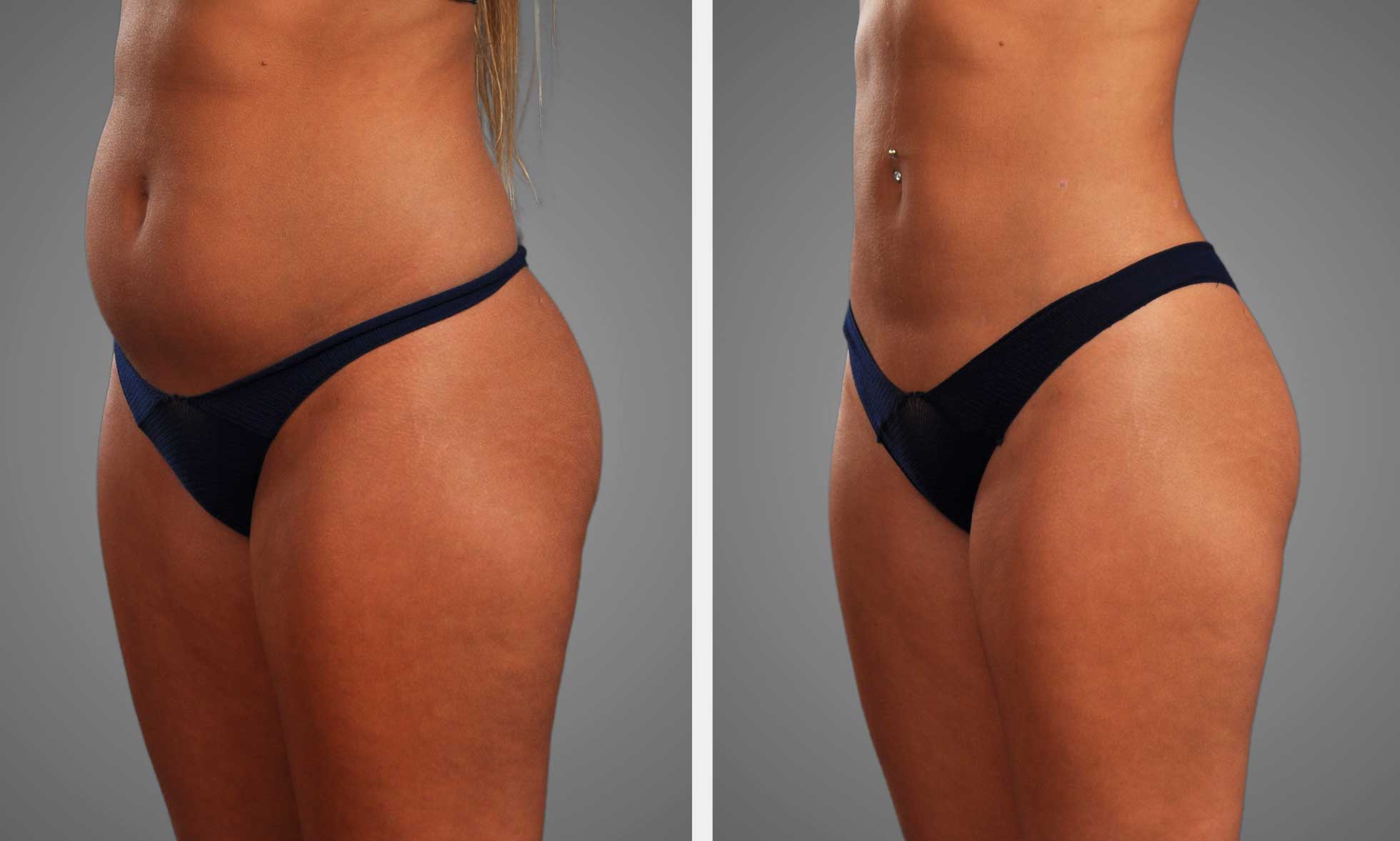
This combined procedure seeks to tighten the thighs while volumizing the buttocks, enhancing the silhouette. Patients achieve a more balanced appearance, which can lead to improved clothing fit and confidence.
Realistic expectations are the key. Results are contingent on initial body contour, skin quality and compliance with instructions. Not just a new body, a new self-image.
4. The Customization
It’s about planning because all bodies are different. The surgeon customizes incision locations and fat injection to your particular requirements, considering your body type, the fat available, and the desired contour.
Patient input is necessary. Decisions regarding scar placement, fat harvest sites, and contouring objectives are addressed well in advance of surgery.
Custom plans help guarantee the best match possible between what the patient desires and what surgery can provide.
Ideal Candidacy
Fat transfer combined thigh lift is right for a certain type of person. This process is most effective for individuals with steady weight, good health, and reasonable ambitions. A comprehensive consultation with a plastic surgeon assists in solidifying if this is the right decision.
Body Profile
Body shape and fat distribution go a long way in candidacy. Individuals with persistent thigh or buttock fat resistant to diet or exercise frequently seek out this hybrid procedure. This encompasses individuals with weight loss or post-pregnancy loose skin and those ages 35 to 65 because this age range tends to retain some skin elasticity.
Skin that can snap back with ease simplifies your pursuit of a sleek finish. If skin is too lax or thin, the result might not be as favorable. If you’ve lost a significant amount of weight, maintain your weight for a few months prior to surgery because moving numbers around on the scale alters the shape of the body.
A history of large weight swings or previous surgeries can influence the way skin and fat react. The surgeon will consider all of these during your individual visit. These details make the plan specific to each individual.
Health Status
Wellness is required for safe surgery and speedy recovery. Prior to the surgery, a comprehensive medical evaluation is necessary. This involves reviewing prior illnesses, surgeries, and medicines.
Long-term illnesses such as diabetes or heart problems can increase risks and delay recovery. Certain medications or allergies can complicate surgery. Patients must disclose all health information with their surgeon so the team can prepare a safe plan.
Eating right and not smoking are small, healthy things that help the body heal. Those with poor health or uncontrolled conditions may be recommended to delay or forgo the procedure.
Mental Readiness
Getting ready in the mind counts as much as the body. Cosmetic surgery is not just about appearance, but feeling at ease with the transformation. I think it’s important for people to know what the surgery can and can’t do.
Discussing motivations for pursuing surgery establishes realistic ambitions. Some desire dramatic transformation, but optimal outcomes accompany tempered ambitions. The recovery may last weeks, and patience along with a good support system make this time less fraught.
Considering these psychological variables is as crucial as any physiological metric.
Surgical Nuances
There are nuances to surgical fat transfer combined with a thigh lift. It’s a very surgical approach to reshaping the thigh, enhancing skin tightness and restoring volume in specific areas. Surgeons have to schedule incisions, harvest and manipulate fat delicately, and employ specialized methods to achieve effective contouring without endangering the patient’s health or comfort.
Incision Placement
The incisions in a thigh lift determine the final appearance and scarring. Most surgeons use an elliptical incision on the inner thigh, beginning approximately 3 centimeters below the labia majora or scrotum and terminating just above the inner point of the knee. The precise width is determined by an easy pinch test. This test determines how much loose skin ought to be removed.
Good placement hides scars inside the thigh, which helps results look natural. The skill of the surgeon matters here. They refrain from deep cuts to preserve the great saphenous vein, reducing the risk for deep venous thrombosis post-surgery. Protecting nerves is crucial, as injury to the medial femoral cutaneous nerve can cause numbness or pain that can linger.
Post-surgery, diligent care from steps such as keeping the area clean and out of the sun helps scars fade. Patients with lymphedema, appearing as excess fat or skin, require preoperative careful monitoring, sometimes with imaging.
Fat Harvesting
| Method | Benefits | Drawbacks |
|---|---|---|
| Manual liposuction | More control, less trauma | Slower, labor-intensive |
| Power-assisted liposuction | Faster, can cover larger areas | Slightly more risk of tissue damage |
| Ultrasound-assisted | Good for fibrous areas | Heat risk, more equipment needed |
It makes a difference where you decide to take fat from. Surgeons select areas with sufficient fat, frequently the abdomen, flanks, or buttocks. Liposuction collects the fat, which is then rinsed and filtered to separate oil and blood.
It is important to apply gentle suction and avoid caustic instruments, since roughness can destroy fat cells. Gentle touch counts as fat cells are fragile. Strong, scalpel-wielding surgeon aside, damaged cells won’t survive the transfer, so he uses slow, steady strokes and keeps fat away from air and heat.
Graft Viability
How well the fat grafts survive is a function of a lot of things. The surgeon has to inject small quantities at a time, distributing the fat in thin layers. This technique assists the new fat in joining with the blood supply in the thigh, which is crucial for life.
Circulation is key. If the new fat is not sufficiently vascularized, it can necrose and result in lumps or irregularities. Smoking compounds this, so most protocols recommend patients quit at least 4 to 6 weeks prior to surgery.
Recovery care goes a long way. Patients need to keep pressure off the thighs, rest, and take all aftercare advice. This allows the grafts to reestablish and leaves you with the best opportunity for long-term results.
Recovery Journey
Your recovery journey after a fat transfer combined thigh lift is a process that requires consistent attention and patience. Recovery enters phases, and each phase determines the ultimate appearance and texture of the thighs. The road back to normal activity is contingent on several factors, and patience and dedication to aftercare make all the difference.
- Immediate Post-Surgery (First 72 hours): Expect acute swelling, soreness, and bruising, which are most noticeable during this time. The initial 24 to 72 hours should be closely observed. Compression garments are immediately worn to counteract swelling and support tissues.
- Early Recovery (First 2 weeks): Swelling and bruising start to subside. Short, easy walks within 12 to 24 hours are encouraged to promote circulation and reduce blood clot risk. Comfort gets better and one can begin a slow return to light daily work.
- Mid-Recovery (Weeks 3–6): Patients often see steady progress. Most can resume normal activities by weeks 4 to 6. Compression garments are still required for a minimum of 3 to 4 weeks and hydration is emphasized in order to help flush swelling.
- Long-Term Healing (3–12 months): Final results, including full contour changes, emerge over this period. Swelling diminishes, and the body keeps adjusting. Maintaining weight and healthy habits keeps the results intact.
Initial Phase
Patients generally emerge from surgery with padded dressings and strong compression garments on the thighs. Swelling and soreness are at their worst and most intense during the first three days. Bruising sometimes forms and can appear deep purple or red and later fade.
Doctors emphasize the importance of wearing compression garments 24/7 during the initial 3 to 4 weeks. These garments help sculpt the thighs, prevent excessive swelling, and support healing tissues. If you skip this stage, you’ll either slow down your recovery or get uneven results.
Sleep is necessary, but bed rest per se is not recommended. Light movement, especially short gentle walks, can begin within the first day. This helps to avoid blood clots and maintain good circulation. Avoid bending, squatting, or straining legs for patients.
Mid-Term Healing
Swelling and bruising subside and comfort rises. Most patients can walk farther and begin some light stretching. The skin over your thighs can still feel tight or numb.
Follow-up appointments with the surgeon enable early identification of problems and monitoring of recovery. The doctor would monitor for fluid accumulation, skin changes, and overall recovery. Heeding aftercare recommendations, like tending to your wounds and staying hydrated, is still key.
You might still need compression garments; certain patients can transition to lighter support clothes by week four. It keeps you hydrated, which helps your body flush swelling and repair tissue.
Final Results
Most notice initial obvious changes in thigh shape within the first month. The complete look can take up to a year to settle. Swelling can be intermittent for months, particularly after long walks or standing.
Skin and tissues must adjust post liposuction and fat transfer. Maintaining a stable weight is key because weight fluctuations can influence the results.
As time passes, the thigh contour begins to appear more natural. Most patients experience improved body confidence and find their clothes feel better.
Risks and Rewards
Fat transfer with thigh lift surgery is a method to sculpt your lower body by eliminating extra skin and injecting volume. The treatment can provide a more even complexion, softer skin, and sharper outlines. Crucial for anyone considering this surgery is understanding the trade-off between the rewards and the potential complications.
The rewards include improved thigh and buttock contours, better fit in clothing, enhanced proportion between lower and upper body, fuller, more youthful appearance in the buttocks, and smoother skin texture. Emotional rewards such as stronger self-esteem and body image exist. Most patients say they feel more comfortable in their skin, have a broader clothing selection, and experience a boost in confidence.
These rewards hinge on reasonable expectations and an awareness of potential downsides.
Potential Complications
All surgery carries risks, and thigh lift with fat transfer is no different. Typical problems are infection, bleeding, seroma, and scarring. Nerve damage, such as neuropraxia of the medial femoral cutaneous nerve, can result in numbness or pain that occasionally requires chronic management.
There’s the risk of asymmetry—one side may heal differently than the other. Infection and scarring can usually be treated quickly, and minor asymmetries can be fixed in an office procedure if necessary. Smoking contributes to poor healing and flap loss risk, so quitting for at least 4 to 6 weeks before surgery is widely recommended.
Selecting a skilled, experienced surgeon is the best method to maintain low complication rates, which can be as low as 2% in high-volume centers. Transparency is key. Patients should be comfortable raising concerns about healing, results, or changes in sensation to their surgeon.
Continued counseling identifies those at risk for body image disorders like body dysmorphic disorder, which impacts as many as 40% of cosmetic surgery patients.
Aesthetic Benefits
This dual action sculpts the thighs while volumizing the buttocks with a natural look. The payoff is noticeable in and out of clothing, with a more sleek contour between the legs and lower body. Most surgeons will anticipate that roughly 35% of the transferred fat will survive long term, but the reality can differ.
A fuller, more even lower body usually translates into more comfort and confidence. If you’re embarrassed by sagging skin or flabbiness, it can be transformational. If more fat survives than intended, the region can appear too plump for years, so continuous aftercare is involved.
Financial Aspect
Understanding costs is essential. This procedure can be costly, including surgical fees, anesthesia, facility, and follow-up care. Many people find the long-lasting effects justify the initial investment, especially when weighed against repeated non-surgical alternatives.
Some clinics offer payment plans or third-party financing to help with affordability. Good counseling about risks, costs, and realistic results can reduce the chance of needing revision surgery.
The Surgeon’s Perspective
Fat transfer and thigh lift is a complicated operation. It requires an experienced crew and well-defined strategies to execute it. Surgeons need to mix knowledge, technical skill, and a meticulous eye. They have to consider not only the appearance but the functionality of the thigh, with safety being a primary objective.
The Artistry
Surgeons rely on their artistic sensibility for contouring the thigh. They collaborate with every patient’s body type, skin type, and objectives. We want to keep the legs looking as sleek and natural as possible, not too ‘done’ or fake looking.
Excellent results come from understanding muscle and fat beds, skin tension lines, and natural curves. The surgeon’s hands need to be delicate when moving around, sculpting, and adding fat to accommodate the patient’s figure.
Juggling aesthetics with utility is crucial. If excessive fat or skin is removed, it can influence motion or induce problems such as skin tension or poor healing. The object is to improve the thigh’s appearance without compromising its function.
Understanding the thigh’s anatomy is crucial. Previous techniques resulted in issues like scar migration or vulvar alterations, primarily due to ignoring deeper tissue strata. Today, surgeons learn anatomy to avoid these traps and keep scars concealed.
Since every patient is unique, the plan is always personalized for them. It enables surgeons to deliver distinctive, organic outcomes, increasing the potential for happiness and security.
The Challenge
This joint operation faces numerous obstacles. Surgeons must keep lymphatic disruption to a minimum, as deep dissection can induce swelling or long-term issues. Operating near the skin’s surface prevents this.
Fat transfer has to be smooth and accurate, placed just right to prevent lumps or bumps in the contour. Each step requires precision. The thigh lift and fat transfer both require steady hands and a careful eye.
It’s easy to subtract too much or too little. Therefore, frequent audits and minor corrections are required. Talking with patients is required. As a surgeon, you’re going to have to explain the risks, the healing time, and what results are realistic.
Other risks, such as lymphedema, seroma, and visible scars, can be serious. This is why expectation setting is important. When things go awry, experience enables surgeons to act quickly, revise strategy, and set things right.
| Challenge | Strategy to Overcome |
|---|---|
| Lymphatic disruption | Use superficial approach, minimize deep dissection |
| Scar migration | Careful incision planning, deep anatomical knowledge |
| Seroma formation | Avoid drains, use new closure methods |
| Patient expectation | Detailed pre-op consultations, honest communication |
| High complication rates | Ongoing refinement, team-based care |
The Innovation
From the surgeon’s point of view, new techniques and instruments make thighplasty safer and more successful. Surgeons employ cooler cannulas for fat harvest and transfer. Others employ ultrasound or power-assisted liposuction to sculpt and smooth fat.
Suture techniques have been perfected, which eliminated the need for drains and reduced seroma rates from 23% to below 3%. Technology accelerates healing and reduces the threat of infection.
Imaging and planning software allows surgeons to plan where to deposit fat or cut. Surgeons who continue to learn about new advances are best able to provide safe and up-to-date care.
From the surgeon’s point of view, thighplasty remains high-risk, but advances in technique and teamwork have reduced complication rates. It’s always about safer, faster, and more predictable surgery with better outcomes for people who opt for it.
Conclusion
Fat transfer with thigh lift can sculpt the thighs and enhance figure in one procedure. Many individuals choose this option to aid achieving sleek lines, bouffant curves, and a toned appearance. Surgeons pair expertise with attention to maintain it safe and transparent. It takes time to heal, but as long as you adhere to your aftercare steps, the results typically show up nicely. There are risks, but open dialog with your physician sets realistic expectations. Many individuals report feeling more confident in their body post this surgery. To learn more or find out if this is the right choice, consult a board-certified surgeon who has performed this procedure. Discuss your objectives and inquire for hassle-free coordination.
Frequently Asked Questions
What is a fat transfer combined thigh lift procedure?
A fat transfer combined thigh lift removes any remaining excess thigh skin while using your own fat to enhance the shape. Fat is harvested, purified, and injected to give a natural, smoother contour.
Who is an ideal candidate for this procedure?
Best candidates are healthy adults who have lax thigh skin and sufficient body fat for transfer. Non-smokers with reasonable expectations and steady weight are ideal candidates for enduring results.
How long does recovery take?
The vast majority may return to light activity in two weeks. Full recovery and final results can take up to two to three months. Your surgeon will instruct you on safe timing.
What are the main risks of this combined surgery?
Risks include infections, bruising, swelling, scarring, and uneven outcomes. There’s a slight risk that some of the fat may not survive in its new location. Selecting a skilled surgeon minimizes these hazards.
How long do the results last?
If you keep your weight stable and continue a healthy lifestyle, results last a long time. There will certainly be some changes over time with aging, but the majority of gains will persist for years.
Can both thighs be treated at once?
Yes, both are typically done in the same surgery. Your surgeon will develop a customized plan based on your requirements.
Is the procedure painful?
Pain is standard post surgery and is generally controlled with prescribed meds. Pain tends to taper down significantly during the first week for most people.