Directions
 Call Us
 Email Us


Key Takeaways
- Instagram and the like mirror and magnify global beauty standards. Everyone is under pressure to conform to glossy notions of what a body should look like.
- Curated and edited images can negatively impact self-esteem, leading to unrealistic expectations and increased demand for cosmetic procedures like liposuction.
- With influencers and algorithmic preferences impacting our beauty ideals, it is crucial for content creators and platforms alike to push for varied and wholesome body standards.
- Forums and support groups can be a double-edged sword as they perpetuate toxic standards or promote body positivity, making it very useful to find welcoming and positive communities.
- The mental toll of aiming for flawless Instagram bodies among its users manifests itself in heightened dangers of anxiety, body dysmorphic disorders, and declining mental health, accentuating the essential demand for convenient mental health services.
- For readers, I recommend critical awareness when you consume social media, question the realism of pictures and promote campaigns that embrace authenticity and body diversity.
Instagram body standards drive beauty perceptions and trends that increase liposuction demand. New research connects the cosmetic surgery boom to social media, where filters and photos display slim or contoured bodies.
People from all sorts of places are turning to liposuction as a quick means to satisfy these appearances. Next, we’ll explore some realities of this trend, its causes, and its impact on health and self-perception.
The Digital Mirror
Social media platforms, most notably Instagram, serve as potent mirrors for reflecting and influencing what some consider to be the “perfect” body. To many of its users around the world, these online spaces magnify beauty ideals. Research has demonstrated that the “Instagram Face” — a smooth-skinned, chiseled jawline appearance — establishes a lofty standard.
This push to conform in the digital mirror has tangible consequences. Surgeons worldwide state that 72% of their patients request a cosmetic procedure that they saw on social media. These trends are not unique to any one country. Polls in Saudi Arabia and Italy, for instance, verify that young adults, particularly women, are impacted by these digital ideals.
Cosmetic surgeries, which jumped from 17.2% in 2014 to 18.2% in 2017, underscore the influence of these internet ideals.
1. Curated Perfection
So most users upload nothing but their best, shiniest photos online. The shove to showcase a faultless self intensifies with every scroll. This perfection curation habit can impact mental health.
They’ll feel like they need to be ever looking their best, which will cause stress and anxiety. It’s simple to blur skin imperfections or reshape noses using filters and editing tools, but they always leave a disconnect between how people appear online and in person.
Over time, this chips away at self-esteem. The more real photos users share, the more it shatters the comparison loop.
2. Influencer Culture
Influencers dictate the beauty and body trends. They’re often pushing brands or procedures, sometimes without full disclosure. Followers might see sponsored posts as reliable tips, and it can distort their perception of normal beauty.
When influencers spotlight nothing but perfectly toned bodies or surgical enhancements, it can make these standards feel unattainable for the rest of us. Influencers can help break these pressures or reinforce them, and their decisions impact millions.
3. Algorithmic Bias
Algorithms have a significant influence in determining user content. Posts of certain body types or looks get more likes, so the platform serves them more often. This can cause us to believe these bodies are the norm.
When users aren’t exposed to a diverse range of shapes and sizes, it can foster limited perspectives on attractiveness. If we could alter the way algorithms function, social media platforms might more effectively display images of diversity and health.
4. Visual Manipulation
Photo editing apps are utilized by both normal users and influencers. Airbrushing or reshaping can make them picture perfect. This has caused manipulated pics to seem natural in so many feeds.
The disconnect between these photos and reality can cause us to feel inadequate or depressed. It is useful to be open about editing and put boundaries around what is authentic and not.
5. Community Echoes
Online communities can either reinforce or resist thin beauty ideals. These are positive communities that emphasize body acceptance and assist individuals in noticing beauty in multiple ways.
Peer feedback, such as comments or likes, from peers can influence their own body feelings. Joining groups that celebrate all bodies can be a healthy move.
Demographic Impact
Instagram-related body image pressures don’t burden everyone equally. Age, gender, background, and social status all impact how individuals view themselves and react to fads like liposuction. From the Netherlands to Saudi Arabia to England, cross-national research demonstrates how these impacts are both broad and diverse.
| Demographic Group | Unique Challenges | Example(s) |
|---|---|---|
| Young Adults | High social media use, strong peer pressure, identity issues | 40% of teens report social media images cause worry |
| Women | Face more body shaming, higher pressure for thinness | 74.9% of liposuction study sample were women |
| Men | Stigma for seeking cosmetic procedures, less open discussion | 25.1 percent of the liposuction study sample were men |
| Marginalized Groups | Underrepresented in media, stereotypes, cultural norms | Fifty point nine percent white, twenty five point three percent Asian, ten point one percent Black in UK study |
| College | Take in different perspectives yet still encounter physique standards | 23.6% of Dutch youths pursue higher education |
| Undergraduates | Campus peer pressure, social media | Over 50 percent of Saudi sample undergraduates |
Marginalized groups — such as POC, those with disabilities, and even less common body types — are often under duress twice as hard. Social media skews toward thin beauty norms, so these communities encounter less of their reflections. This absence can cause them to feel left out or like their bodies aren’t “perfect.
In a UK sample, just 10.1% were Black and 13.5% from other ethnicities, underscoring how some groups are less represented in research and presumably in media too. These representation gaps can contribute to a lack of self-acceptance and for some may even lead to thoughts of cosmetic surgery to assimilate.
The pressures shift when you look at age. Younger folks, particularly 18-25 year olds, are among the heaviest users of Instagram and other platforms. In a Dutch study, 55.6% were female and almost a quarter were college educated, yet that same age group experienced high levels of body worries connected to what they’re seeing online.
For those in their late 20s to early 30s, career and life transitions may increase the motivation to care about looks, though social media’s influence remains potent. Seniors might experience less direct pressure, but they’re not exempt from shifting norms and might find themselves compelled to ‘keep pace.’
Representation is important for all groups. When social feeds mirror a single version of a body, anyone who strays from that template can be bullied or body shamed. Studies connect these habits with low self-regard and an increased need for treatments such as liposuction.
Media can help diminish this damage by depicting a more diverse mix of body types, ages, and backgrounds.
Industry Response
The connection between Instagram’s body ideals and a surge in liposuction is obvious. Many clinics report increased requests for body contouring among millennials and credit social media as a major culprit. Research shows social media, particularly Instagram, is transforming how we view beauty.
Photo-centric apps are now a primary means by which we both judge ourselves and each other. This trend is especially evident with younger women. Research indicates that individuals who post, view, or comment on selfies are more prone to body comparisons and feeling dissatisfied with their appearance. This inevitably results in considering or getting cosmetic surgery, such as liposuction.
Even Instagram and similar apps push edited, filtered, or staged images. They tend to depict some ‘ideal’ shape such as flat bellies, chiseled waists, and flawless skin. Seeing celebrity or influencer posts, particularly flaunting cosmetic alterations, could normalize surgery.
Too many begin to perceive these standards of beauty as accessible, overlooking the fact that the majority of images are not actual life. This mindset can fuel the demand for rapid transformations, a frenzied pace that liposuction fits right in. Clinics are seeing people bringing in Instagram photos as inspiration for what they want to resemble.
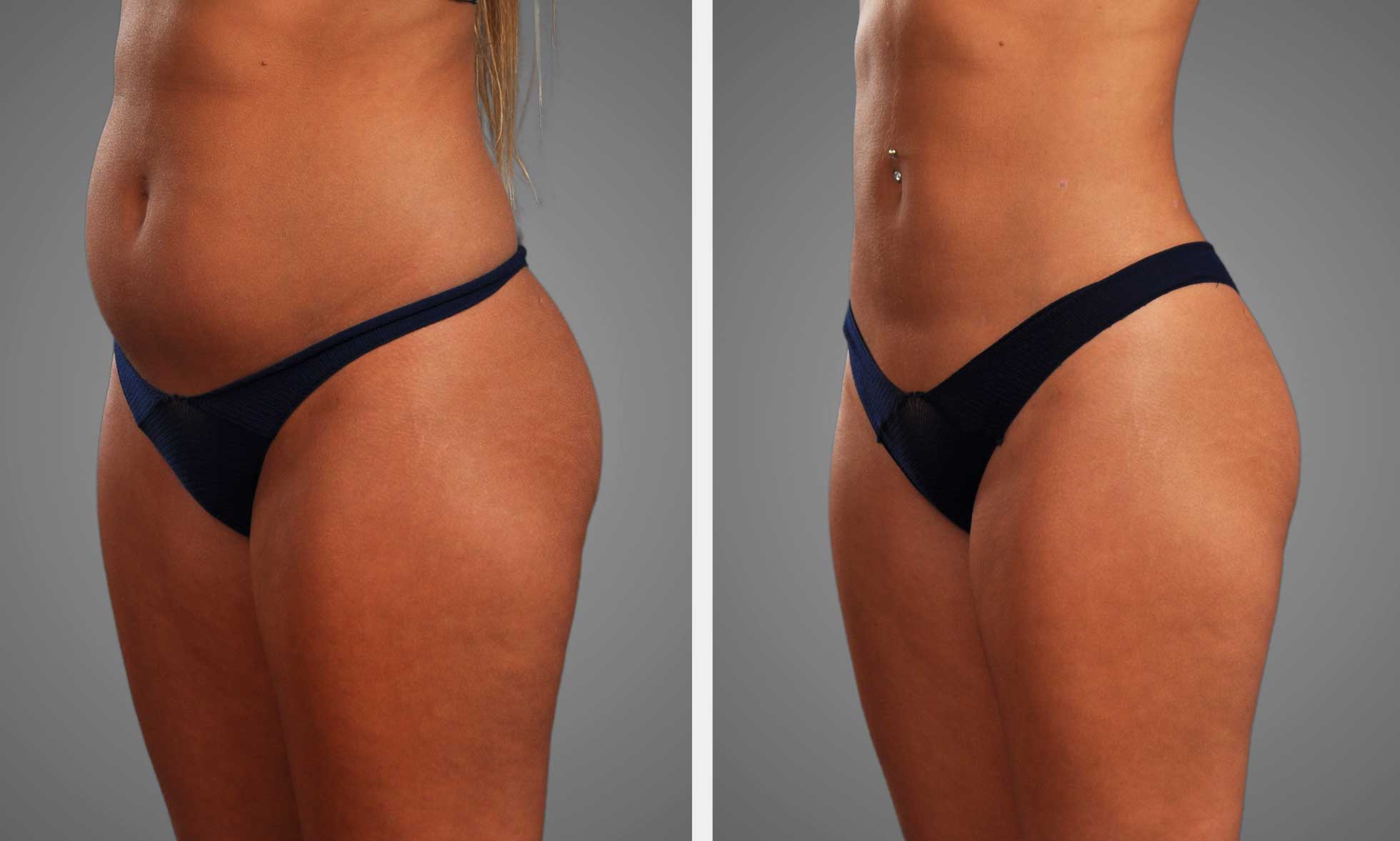
Clinics and cosmetic brands have redirected their marketing towards the social media-inspired user. They advertise on Instagram, have influencers flaunt results and post-sponsor before-and-afters. These ads frequently leverage hashtags and trends to target individuals seeking physical alterations.
Certain clinics even employ filters and editing on their own social feeds, muddying the waters between what is authentic and what isn’t. The marketing is generally focused on the fast cure and the low-hanging fruit, which can mislead the user about risks and outcomes. Below is a table showing how liposuction demand trends line up with Instagram-driven marketing moves:
| Year | Noted Rise in Liposuction Demand | Example of Instagram-Driven Marketing |
|---|---|---|
| 2015 | Moderate | Basic before-after posts |
| 2018 | High | Influencer partnerships, trending hashtags |
| 2020 | Very high | Sponsored stories, direct booking links |
| 2023 | Record levels | Celebrity endorsements, interactive Q&A on Instagram Live |
The industry is buzzing about honest ads. Specialists claim facilities need to present actual, unprocessed images and provide transparent risk and expectation information. Certain groups urge regulations to ensure advertisements do not overpromise or target young or vulnerable users.
More clinics are beginning to incorporate warnings about photoshopping and promoting healthy body discussions into their posts.
Psychological Toll
Trying to live up to the body ideals that float up on Instagram can be taxing on your psyche. A lot of users, particularly young users, scroll through never-ending feeds of airbrushed photos and airbrushed appearances. That forms what they believe is ‘normal’ or ‘optimal.’ These beauty standards transcend borders and can have an impact on people globally, regardless of background or culture.
The compulsion to live up to what is depicted online sometimes prompts some to consider or even undergo liposuction or other cosmetic work, believing it will make them more likable or allow them to feel comfortable in their own skin again.
- Higher risk of low self-esteem and body shame
- Ongoing self-comparison and negative thoughts
- Higher rates of anxiety and depression
- Pressure to appear a certain way can be hard to shake.
- Psychological cost of fearing being judged or left behind if you don’t match the ideal.
- Trouble with self-acceptance and self-worth
- Higher risk of body dysmorphic disorder
- Long-term dissatisfaction, even after cosmetic changes
Research adds nuance to this narrative. For example, it discovered that roughly 37.8% of individuals sought cosmetic work due to their appearance in selfies. This isn’t a handful. Another research found that the longer users spent on Instagram, the worse they felt about their bodies and frequently blamed themselves following other people’s posts.
It turns out that this isn’t just a local pattern; we’ve seen it across other countries and cultures. Young women are usually more vulnerable, but it can affect anyone.
Social media is a significant factor in influencing people’s body image. The more time you spend scrolling through curated and filtered photos, the more likely you are to feel unhappy with your own appearance. This can start a cycle: see an ideal, feel bad, try to “fix” it, and still not feel good enough.
The distinction between necessary self-care and destructive self-criticism becomes indistinct. They may resort to cosmetic surgery like liposuction, thinking it will fix their concerns, but research demonstrates that even post-surgery, some remain self-conscious or disappointed by their appearance.
Psychological assistance is essential for anybody suffering from these strains. Availability of counselors or online assistance can provide individuals with an outlet to express their emotions. Schools, workplaces, and families can all contribute by disseminating resources and communicating clearly that mental health is important.
Public discussion of how social media influences our self-perception can liberate us from the cycle of shame or uncertainty. Publicizing authentic narratives and featuring diverse physiques in publications can further transform the perception of ‘normal.’
Ethical Crossroads
Social media alters the way individuals perceive beauty and influences what a lot consider to be normal. Instagram and its never-ending stream of filtered photos and hot looks regularly establish lofty, if not elusive, body benchmarks. This transition leaves individuals more susceptible to pursuing liposuction or other cosmetic surgeries and pursuing a potentially inauthentic aesthetic.
As this trend expands, it raises difficult ethical questions for platforms, creators, and consumers.
Platform Responsibility
To be sure, platforms have a huge role in what people encounter and esteem. Instagram’s image-sorting mechanisms can prioritize specific physiques. When users view the same shapes repeatedly, it can establish a limited perception of attractiveness.
If unaddressed, this cycle can undermine self-esteem globally in both children and adults. Others have begun to flag or blur content associated with diets or extreme body alterations. Others flood with campaigns about body positivity or mental health.
Some have adjusted their policies to restrict posts around weight loss products. A majority of users desire stronger oversight and well-defined policies on what’s acceptable. Platforms could go further supporting creators who show actual unedited bodies and share facts about cosmetic surgery dangers.
They should own up when their tools or policies propagate damaging trends.
Creator Accountability
Content creators establish vibes for crazes. When they post nothing but airbrushed photos, they can make their audience feel insecure about their own appearance. This effect is global as people of every culture scroll through identical feeds.
Designers pushing unrealistic beauty can be attacked. Some creators still use airbrushed images to market merch or followers. Practicing radical transparency, such as being open about editing or sharing the reality side of body image struggles, works to break the cycle.
A handful of influencers these days discuss their insecurities, post before and after photos, or explain their decision to undergo plastic surgery. This candor fosters trust and allows others to realize that nobody is flawless all the time.
Consumer Awareness
- Search for indicators like fuzzy backgrounds, skewed lines, or overly smooth skin. These frequently reveal where a photo has been manipulated. Look for repeating textures, strange shadows, or absent characteristics.
- Before you buy into every beauty trend or “ideal” look, a lot of posts are employing clever angles, lighting, or filters to create a vibe, not necessarily to depict reality.
- Pay attention when a post or advertisement connects a look to a product or surgery. Question if this is for your benefit or the creator’s profit.
- See how scrolling through these photos can alter your perception of your own body. Share what you know and discuss with others about true beauty and self-esteem.
Beyond The Filter
Social media, particularly Instagram and Snapchat, have defined how we envision beauty. A lot of users, particularly young adults, experience the pressure to emulate what’s online—flawless skin, trim waists, chiseled jawlines. Almost half of those considering a new look say ads on these platforms influence their decision.
Something is changing. Even though the platform is still focused on visuals, users want authenticity, not just glam shots. The momentum for realness and body positivity is building. Many people, sick of looking at the same type of body, demand more real posts. They want to see actual people with varied forms and characteristics, not the ones that fit a restrictive standard.
Sharing unprocessed, raw images is a growing trend. A few influencers and normal people snap unfiltered, untouched selfies, sometimes even emphasizing their individuality. This means exposing scars, birthmarks, stretch marks, or real body shapes.
These sincere posts are a standout in a stream of flawless images. They make other people feel good about themselves. The international #NoFilter/#BodyPositivity movement inspires users to share unfiltered photos to demonstrate what normal bodies really look like. A few brands step up, featuring models of every size and ethnicity in their campaigns.
This shift helps humans realize that beauty is not one size fits all. It’s about celebrating different shapes, sizes, and looks that are a big part of this new era. Research continues to demonstrate that viewing solely edited selfies can increase concerns about how others perceive us.
Editing selfies can induce social appearance anxiety, accounting for over 5% of the concern people have about their appearance. Nearly 50% of people who see imperfections in their selfies desire surgery to ‘correct’ them. Social media use is connected to this trend, with 80% of individuals in certain research indicating they’d consider cosmetic treatments after viewing posts online.
With everyone posting real-life photos and embracing diversity, the optimism is that fewer individuals will feel compelled to conform to online ideals. To redefine beauty standards is to look beyond the filters and edits. It means valuing all bodies and features, not just the ones glorified on the web.
That matters everywhere, to everyone, regardless of who you are. Although social media can still stoke anxiety or cause some to feel excluded, the trend towards transparency and acceptance is powerful. It’s more than just resisting ancient norms; it’s about allowing all of us the room to be recognized.
Conclusion
They must therefore see how Instagram body talk shows real changes in people’s desires. Instagram body ideals and liposuction demand surge. Clinics are witnessing an increasing number of patients requesting these transformative alterations. Numerous aspire to look like online personas. Some get stressed by it. Others begin to question their own bodies. Industry groups now discuss established realities and secure measures. There are those who advocate for more candid posts and more unretouched photos. The body talk goes on and on. To keep you in the know, check out what’s fueling your views. Chat with pals, swap true tales, and request information before you do. Be wise, be good, your narrative trumps any effect.
Frequently Asked Questions
How does Instagram influence global body standards?
Instagram bikini body standards. This has the power to influence what people everywhere are exposed to as attractive or normal.
Which groups are most affected by Instagram’s body standards?
Young adults and teens are particularly affected. Social media usage among these groups is elevated, and they are more inclined to compare themselves to influencers or celebrities online.
Has Instagram increased demand for liposuction?
Yes, exposure to filtered and edited images on Instagram has contributed to a higher demand for cosmetic procedures like liposuction as people seek to match popular online appearances.
What psychological effects can result from unrealistic body standards on Instagram?
Unrealistic body standards can result in low self-esteem, anxiety, and body image problems. Many people feel this pressure to appear a certain way, which can affect mental health.
How are the beauty and health industries responding to these trends?
The industries are responding with more body-sculpting services and celebrating more body types. Certain clinics, for example, have taken to social media to hawk their wares.
What ethical concerns arise from promoting cosmetic surgery on social media?
There are ethical concerns such as deceptive marketing and exploiting susceptible users. I was worried about glorifying surgery as a quick solution for self-esteem or body image struggles.
What steps can individuals take to protect themselves from negative effects of social media body standards?
So people can choose to follow body positive accounts and avoid filtered images. They can get help if they feel they are vulnerable to these standards.