Directions
 Call Us
 Email Us


Key Takeaways
- Retatrutide harnesses a triple-hormone approach to target metabolic function, potentially combating menopause weight gain and enhancing metabolic health.
- Clinical studies have demonstrated that retatrutide induces substantial and sustained weight loss, outperforming placebo and certain existing obesity drugs.
- It controls appetite and increases metabolism to encourage fat burning and decrease belly fat, which are two sources of stress for women during menopause.
- Retatrutide’s safety profile demonstrated tolerable side effects, predominantly gastrointestinal disturbances, underscoring the need for patient guidance and monitoring.
- Being an investigational drug, retatrutide is not yet available. Ongoing studies may soon impact regulatory approval and treatment guidelines.
- While retatrutide shows promise in addressing menopause weight gain, it should be used alongside lifestyle modifications, including nutritious dieting and frequent exercise to optimize lasting metabolic benefits for women.
Retatrutide for menopause weight gain Preliminary research suggests it can assist in shedding the additional weight associated with hormonal shifts.
Retatrutide functions by altering the body’s management of hunger and energy expenditure.
Menopause brings persistent weight gain that can be difficult to solve through diet and exercise.
Read on for an expert examination into retatrutide’s mechanism and what specialists are saying about it.
How Retatrutide Works
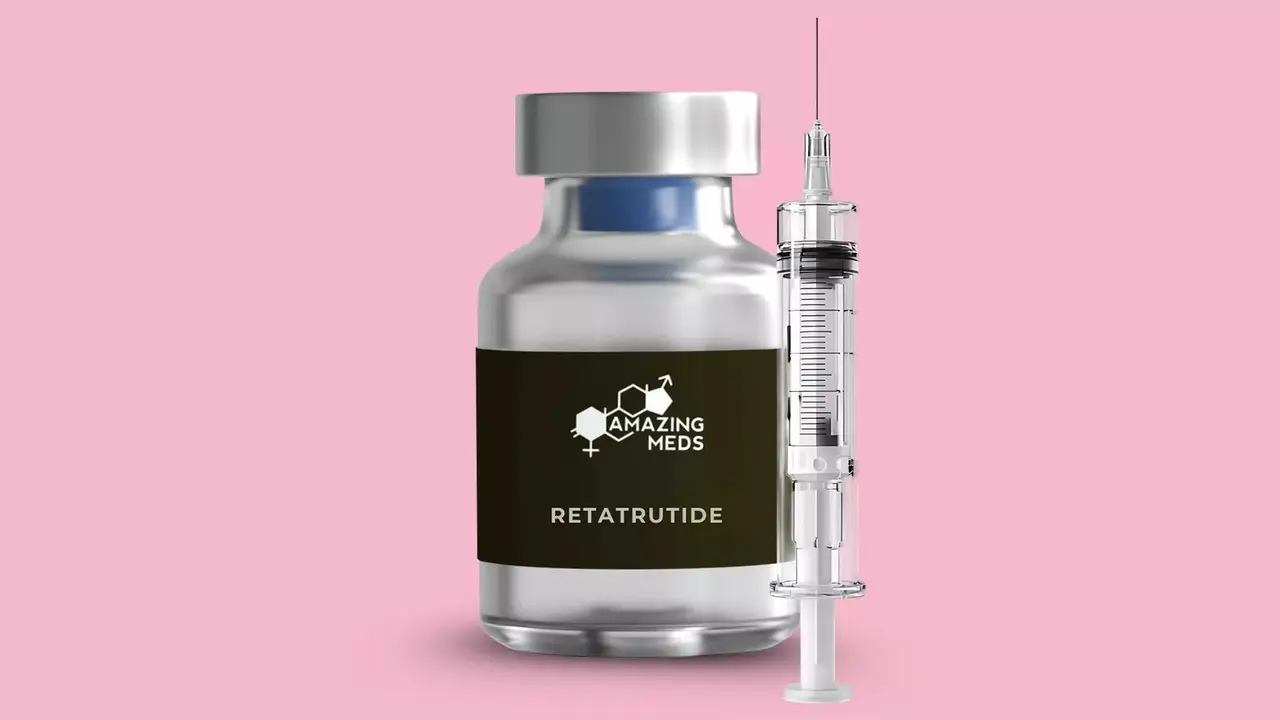
Retatrutide is a once-weekly injection that targets three hormone systems in the body. It is made for those seeking innovative weight management solutions, particularly during menopause when hormonal fluctuations often complicate weight control efforts. This medication’s triple-action approach surpasses what traditional weight-loss medications can do by targeting multiple pathways simultaneously.
1. Triple-Hormone Action
Retatrutide acts on GLP-1, GIP, and glucagon receptors. These hormones collectively assist in normalizing blood sugar and promote weight loss. GLP-1 and GIP both prompt the pancreas to secrete insulin following meals, which reduces blood sugar. Glucagon elevates blood sugar and aids in fat-burning.
When all three are activated, the body becomes more efficient with insulin and visceral fat can fall away. This combination of effects extends beyond mono-hormone medications. Medications that target just GLP-1 typically aid in weight loss. Combining GIP and glucagon can accelerate results and shatter weight plateaus.
During clinical trials, individuals on retatrutide experienced an average reduction in body weight between 28.7 percent and 30 percent within 68 weeks. It’s this triple agonist approach that boosts metabolic health. By enhancing insulin sensitivity and reducing bad fat, it can alleviate heart disease risk factors, especially for menopausal women.
2. Counteracting Hormonal Shifts
In menopause, lower estrogen levels suppress metabolism and elevate appetite, resulting in weight gain. Retatrutide works by tackling some of the underlying causes of weight gain, not just the symptoms. Familiar with how difficult it is to manage cravings and hunger, people report that with retatrutide, it’s easier.
That translates into reduced snacking and reduced bingeing. The drug’s effect on hormone receptors might assist the body in seeking a more stable hormonal balance, which is significant in menopause. Rebooting her metabolism is what women struggling with weight post-menopause need most.
Retatrutide’s strategy of operating on multiple hormone systems may provide more comprehensive support than traditional treatments.
3. Regulating Appetite Signals
Retatrutide targets the brain’s appetite centers and hormone pathways. By impacting hunger-related hormones, such as GLP-1 and GIP, retatrutide can help you curb food cravings. Participants on retatrutide were simply fuller, faster and longer.
Clinical data shows that users consume less food, which contributes significantly to consistent weight loss. Appetite control is a huge assist for anyone who’s battling the urge to snack, particularly post hormone shifts. This is key for menopausal women who battle intensification of hunger signals.
Appetite control helps make weight loss sustainable.
4. Boosting Metabolism
Retatrutide boosts metabolic rate by enhancing thermogenesis, the process of generating heat from calories. Even when at rest, users incinerate more energy all day long and fuel consistent weight loss. It makes the body more efficient in burning fat as fuel, including liver fat.
Clinical trials indicate 80% to 93% of users achieve safe liver fat levels. For menopausal women, that translates to improved body composition and reduced fatty liver risk. Research reveals retatrutide’s advantages stretch past weight loss, relief from chronic knee pain, and sleep apnea.
The drug’s multifaceted impact on metabolism, body fat, and general well-being makes it a compelling choice for those who require more than lifestyle interventions.
Clinical Evidence
Clinical trials are crucial in determining the efficacy and safety of novel medications, particularly in the context of weight loss and metabolic health. Clinical evidence Retatrutide, the triple-agonist, is the star of recent weight loss studies.
These sections below summarize the key study findings and provide an in-depth look at retatrutide’s mechanism of action, its comparison with other medications, and its effectiveness in aiding menopausal women to shed pounds.
Trial Outcomes
- Retatrutide patients dropped an average of 28.7 percent of body weight over 68 weeks, compared to much less in placebo groups.
- A few passed 17 kilograms (37 pounds) in 40 weeks.
- Metabolic markers improved. Participants saw better blood sugar levels and lipid profiles.
- Retatrutide’s results trumped those of other drugs like tirzepatide and semaglutide in clinical trials.
| Study Group | Average % Weight Loss (68 weeks) | Weight Loss (kg, 40 weeks) |
|---|---|---|
| Retatrutide | 28.7% | ~17 kg |
| Tirzepatide | ~22.5% | ~12 kg |
| Semaglutide | 15% | 7 kg |
| Placebo | 2%–5% | 2–3 kg |
Clinical evidence suggests that retatrutide achieves durable weight loss, which is crucial for lasting health gains. With its demonstrated benefits on blood sugar and cholesterol, this medication could reduce the risks associated with obesity, such as type 2 diabetes and heart disease.
With clinical trials ongoing, phase 3 results arrive in 2026, guiding future treatment guidelines and potentially FDA approval. One of these evidence-based weight loss options, retatrutide, could soon be joining the standard of care for obesity.
Menopause-Specific Data
Clinical trials involving postmenopausal women illustrate this point as weight loss is more difficult during this time due to hormone shifts, a slowing metabolism, and recalcitrant belly fat. Retatrutide seems to assist this cohort in shedding more pounds than placebo, particularly in trimming waistline fat.
In other research, hormone therapy with tirzepatide caused even more weight loss, suggesting a potential synergy when these treatments are combined. One of the biggest problems in menopausal women is hanging on to abdominal fat, which increases health risks.
Retatrutide helped reduce this fat, which might enhance quality of life and reduce risk. Research on menopausal women makes the weight plans really fit the lifestyle so therapies match actual need, not just population statistic.
Menopause-focused trials are yet to come, though preliminary data hint that retatrutide is a promising option for those grappling with post-menopausal weight. This provides optimism for greater individualized treatment moving forward.
Safety Profile
Retatrutide is an investigational weight-management drug, including menopausal weight gain. Its safety profile is yet to be defined through continued clinical trials and real-world reports. Preliminary results are encouraging for weight loss and glycemic control, but its long-term effects are unknown. Retatrutide has not yet received regulatory approval, and ongoing investigation will determine its eventual role and guidance.
Common Side Effects
- Nausea
- Vomiting
- Diarrhea
- Constipation
- Reduced appetite
- Headache
- Fatigue
Retatrutide’s side-effect profile is a reassuring sign of safety. Most individuals experience a decrease in side effects like stomach upset or appetite disturbances in a few weeks. Some patients will discontinue the medication prematurely if these symptoms are too severe or persist for too long, potentially reducing therapeutic gains.
There are easy things that patients can do to help, says FitzGerald — such as beginning with a lower dose, eating smaller meals, and staying hydrated. Physicians can stagger dosing to minimize stomach upset. These can help simplify how easy it is for people to continue taking retatrutide as directed.
Patient education is critical. Knowing what to expect and how to handle side effects makes people feel more empowered. Understanding when to seek assistance or when a symptom is typical reduces the risk that someone will discontinue treatment due to concern or distress.
Potential Risks
Retatrutide is not for everyone. Individuals with a history of serious gastrointestinal disease, pancreatitis, or some thyroid disorders need to skip it. There is even worry about a potentially elevated fracture risk, which is crucial for menopausal women who might already have bone loss.
Pre-screening prior to initiating retatrutide can identify individuals at increased risk for side effects or complications. Screening for additional comorbidities such as cardiovascular disease and diabetes is essential because retatrutide has the potential to impact glucose metabolism and cardiovascular health.
For those on other medications, particularly insulin or high blood pressure pills, additional caution is required. There may be unknown effects of prolonged use on hormones and metabolism. The effect on bones, for instance, is being examined.
Purchasing compounded versions online is dangerous, as you’re not assured the product has authentic retatrutide, potentially resulting in erratic safety issues. Only medicine from trusted, regulated sources should be used.
Clinical trials are underway, including multiple in Phase 3, that will be able to answer more questions about retatrutide’s safety. Until the results are known, caution and close monitoring are warranted for anyone on the drug.
Practical Considerations
Retatrutide is being researched as a treatment for menopause weight gain. There are some important practical things to understand before it can be adopted more broadly. These factors encompass its regulatory status, administration, and patients’ potential access upon availability.
Regulatory Status
Retatrutide is an investigational drug and has not been approved by the FDA for any use, including weight management during menopause. It is being evaluated in clinical trials for safety and efficacy. The approval process is lengthy, and retatrutide is likely to be unavailable until late 2024 or later, contingent on trial results and the speed of regulatory review.
Other trials investigate how retatrutide compares to drugs such as tirzepatide, which is already showing promise when paired with menopausal hormone therapy to achieve increased weight loss. For instance, women on hormone therapy shed approximately 35% more weight with tirzepatide than those who did not.
Others note the potential for retatrutide, if cleared, to make its way onto obesity treatment guidelines, particularly if studies identify comparable or higher effects. Once a drug is approved, regulatory decisions determine how providers may prescribe it and how accessible patients find it.
Approval means additional oversight, which can help mitigate some of the risks from unsafe compounded or unregulated alternatives. Specialists caution that making use of unauthorized or compounded weight loss tablets, including retatrutide, can be dangerous and might not work as expected.
Administration Method
Retatrutide is administered via subcutaneous injection, which entails delivering the medication just beneath the skin. This approach is typical of weight loss capsules and permits gradual absorption and consistent blood levels. Most research doses are given on a weekly basis, which a lot of individuals find easier to remember than daily shots.
Dosing and adherence to schedule count. Missed doses or improper form might mitigate weight loss advantages. Patients must learn how to inject themselves safely and properly. This education should come from a qualified healthcare professional.

Most new medications provide injection pens for convenient usage. These devices can assist in self-administration and make it easier to adhere to a treatment plan. Convenience is likely to entice more individuals to remain on therapy, which is a key factor in achieving long-term outcomes.
Insurance will play a role in who is able to access retatrutide. Approved drugs are typically dispensed through registered pharmacists. This guarantees quality and safety and can restrict availability in certain areas. Health plan coverage will matter since out-of-pocket costs are often high without reimbursement.
A Comparative View
Retatrutide emerges as a promising treatment for menopausal weight gain, juxtaposed against old and new obesity drugs. Traditional options like orlistat and phentermine-topiramate primarily function by either preventing fat absorption or suppressing appetite. Retatrutide goes a different route by acting on three hormones that regulate appetite and metabolism.
Retatrutide in context This section compares retatrutide to other options and discusses how it might integrate with a holistic weight management strategy.
Versus Other Medications
| Medication | Mechanism | Efficacy (Weight Loss %) | Safety Profile | Notable Benefits |
|---|---|---|---|---|
| Retatrutide | GLP-1, GIP, glucagon (triple agonist) | ~24–26% (early data) | GI symptoms, low risk of hypoglycemia | Superior metabolic effects, kidney protection |
| Tirzepatide | GLP-1, GIP (dual agonist) | ~28% (12mg dose) | GI symptoms, low risk of hypoglycemia | Strong glucose control, benefits with hormone therapy |
| Ozempic (semaglutide) | GLP-1 agonist | ~15–20% | GI upset, rare pancreatitis | Reduced CV risk, strong glucose lowering |
| Orlistat | Lipase inhibitor | ~5–10% | GI effects (diarrhea, oily stools) | No effect on heart or sugar |
| Phentermine-topiramate | Appetite suppressant + anticonvulsant | ~8–10% | Insomnia, dry mouth, mood effects | Lower cost, simple dosing |
Retatrutide’s triple agonist mechanism differentiates it from tirzepatide and semaglutide, which activate fewer hormonal pathways. Early data indicates retatrutide may outperform tirzepatide in diabetic kidney disease and weight loss. Tirzepatide might be more effective for glycemic control.
Postmenopausal women on hormone therapy shed 35% additional weight taking tirzepatide, and the drug reduced body mass and waist circumference in women across all reproductive stages. Hormone therapy might enhance these outcomes further by synergizing with GLP-1 pathways.
Compared to older drugs such as orlistat or phentermine-topiramate, retatrutide’s efficacy is significantly better and side effects are primarily mild gastrointestinal symptoms. The triple hormone approach may present improved metabolic benefits, an aspect appealing to women experiencing complex health challenges during menopause.
As does individualized care. Treatments or hormone therapy don’t work the same for every individual. Some might require more robust blood sugar management, whereas others might desire more significant weight loss or metabolic enhancements.
Clinicians must balance these considerations along with side effects and patient objectives to create the appropriate strategy.
Versus Lifestyle Changes
Lifestyle changes—diet, exercise, sleep—still form the foundation for weight management. Drugs such as retatrutide can assist but won’t supplant healthy behaviors.
Retatrutide may assist patients in shedding additional pounds when combined with healthy habits. It might potentiate the appetite-blunting properties of estrogen and GLP-1, encouraging adherents to maintain new behaviors.
For individuals who have had difficulty shedding weight through traditional means like diet and exercise, supplementing with retatrutide may provide that push to get past plateaus.
As is so often the case, the optimal outcome is found with a combination of the drug and lifestyle assistance. This method tackles biology and behavior and provides a greater opportunity for sustainable results.
Beyond The Scale
Menopausal weight gain is more than just a number on the scale. It is frequently associated with profound metabolic shifts that can increase your risk of chronic disease and impact your day-to-day life. Retatrutide, a new weight loss drug, is generating buzz for its extensive list of benefits beyond just weight loss.
- Improves insulin sensitivity
- Lowers cholesterol and triglycerides
- Supports blood sugar control
- Reduces inflammation
- Lowers blood pressure
- Promotes fat loss over muscle loss
- May decrease hot flashes
- Enhances energy levels
- Can improve mood and mental clarity
- Helps maintain weight after initial loss
Metabolic Health
Retatrutide functions through the activation of three crucial metabolic pathways simultaneously. This improves the body’s use of insulin and reduces blood fat levels, such as cholesterol and triglycerides. Research indicates that individuals on this medication tend to experience improved glycemic control and lipid levels.
These shifts can slow the progression of obesity-driven diseases such as type 2 diabetes and heart disease, both of which spike after menopause. Weight loss is only half the tale. Too many people gain back lost weight once they discontinue the majority of treatments.
Retatrutide could potentially disrupt this cycle by facilitating the weight-loss maintenance phase. One person lost 25 pounds in seven weeks, while others lost an average of almost 29% of their body weight over 68 weeks. That’s significant performance, not just for the scale, but for long-term health.
Physical and mental well-being often go up along with metabolic markers. Users have experienced less hot flashes, more energy and improved moods. It’s this support for overall metabolic balance that translates to more than just weight management — it means feeling better on a daily basis.
For menopausal women, this can translate into more freedom and less concern over looming health risks.
Long-Term Outlook
Early research implies that retatrutide may continue to perform strongly over time. Current research is following the duration of these benefits and what side effects emerge with extended use. With people shedding up to 20% of their weight during clinical trials and the highest doses causing nearly a 29% reduction, experts are optimistic this drug could revolutionize obesity treatment for menopausal women.
The weight-loss pharmaceutical market is evolving rapidly, with emerging drugs looking to act on several mechanisms concurrently. This method can assist individuals in consuming fewer calories, expending more energy, and maintaining physiological equilibrium.
Some have resorted to unauthorized alternatives, emphasizing the demand for effective, safe treatments such as retatrutide. Further studies are required to determine how long retatrutide maintains metabolic wellbeing, which may be years, not just months.
If long-term results hold up, it may become a standard of care for menopause-related weight gain.
Conclusion
Retatrutide introduces a new solution for those battling menopause weight gain. Research indicates actual weight loss and some promising hints at improved health. Many folks love that the shots fit into a hectic week with minimal overhead. Doctors still monitor for side effects, but to date, most tolerate it well. Others experience greater success when retatrutide is combined with regular activity and healthy nutrition. Everyone’s story looks a little different, so discussing with a physician aids in determining what’s the best fit. For additional perspective or new research, consult a reliable health resource or your care team. Remember to stay curious and keep health goals in focus.
Frequently Asked Questions
What is retatrutide and how does it help with menopause weight gain?
Retatrutide is an innovative new drug that focuses on several hormone pathways to curb appetite and promote weight loss. It is initially thought to be effective against menopause weight gain.
Is retatrutide safe for women experiencing menopause?
So far, retatrutide has a safety profile comparable to other weight loss medications. The most frequent side effects are nausea and diarrhea. As always, check with your doctor before taking any new medication.
How effective is retatrutide for weight loss in menopause?
In clinical trials, retatrutide was found to promote remarkable weight loss. More research is needed for menopause-related weight gain.
How does retatrutide compare to other weight loss medications?
Retatrutide targets more hormone pathways than nearly any approved weight loss medications. This could provide a bonus. Head-to-head data remain being studied.
Can retatrutide improve other menopause symptoms?
Retatrutide is for weight management and is not shown to address other menopause symptoms like hot flashes or mood shifts.
What should I consider before using retatrutide for menopause weight gain?
Share your medical history, current medications, and health objectives with your doctor. Retatrutide might not be right for everyone.
Where can I find more information about retatrutide?
Check trusted health sites or ask your doctor. Clinical trial registries and research publications are other good sources of up-to-date information.