Directions
 Call Us
 Email Us


Key Takeaways
- Post weight loss body makeover procedures, known as body contouring procedures, are abdominoplasty, brachioplasty, thighplasty, mastopexy and lower body lifts.
- It is important to rule out physical and mental health issues and return to a stable weight prior to any surgical makeover.
- Transparent dialogue with a skilled, experienced surgeon allows you to walk into the operating room with your expectations, goals, and recovery plan in crystal clear focus.
- Knowing how to patch yourself up after cosmetic surgery can help you maintain your look longer and make your recovery easier.
- Continued scar care, emotional support, and healthy habits are all critical in optimizing your results and well-being post-surgery.
- Maintaining results in the long term involves a commitment to balanced nutrition, consistent exercise, staying hydrated and continued professional support.
Post weight loss body makeovers assist in contouring and sculpting the body after shedding a significant amount of weight.
The most popular choices are tummy tuck, arms, thighs, and breast lifts. Many people opt for these treatments to address loose skin and feel more comfortable on a day-to-day basis. Each procedure has its own process, recovery time, and results.
To illustrate what to expect, the following paragraphs dissect the most popular choices and their advantages.
Understanding The Procedures
Body contouring procedures aid in shaping the body after major weight loss. They address loose skin, stubborn fat, and areas that do not respond to diet or exercise alone. Weight has to be stable for 6 to 12 months prior to these surgeries. Many folks require more than one procedure, and procedures could be staged months apart for safety and healing.
Most patients remain in the hospital for a night or two following these surgeries. Below is a table highlighting common procedures, their key features, and outcomes:
| Procedure | Area Treated | Description | Expected Outcomes |
|---|---|---|---|
| Abdominoplasty | Abdomen | Removes extra skin, tightens muscles | Flatter, firmer stomach |
| Brachioplasty | Upper arms | Removes loose skin and fat from upper arms | Toned, defined arm shape |
| Thighplasty | Thighs | Removes skin/fat from inner or outer thighs | Smoother, better leg contours |
| Mastopexy | Breasts | Lifts and reshapes sagging breasts | Higher, firmer breast profile |
| Lower Body Lift | Abdomen, buttocks, thighs | Circumferential removal of skin/fat for full lower body | Improved waist, hips, thighs, buttocks |
1. Abdominoplasty
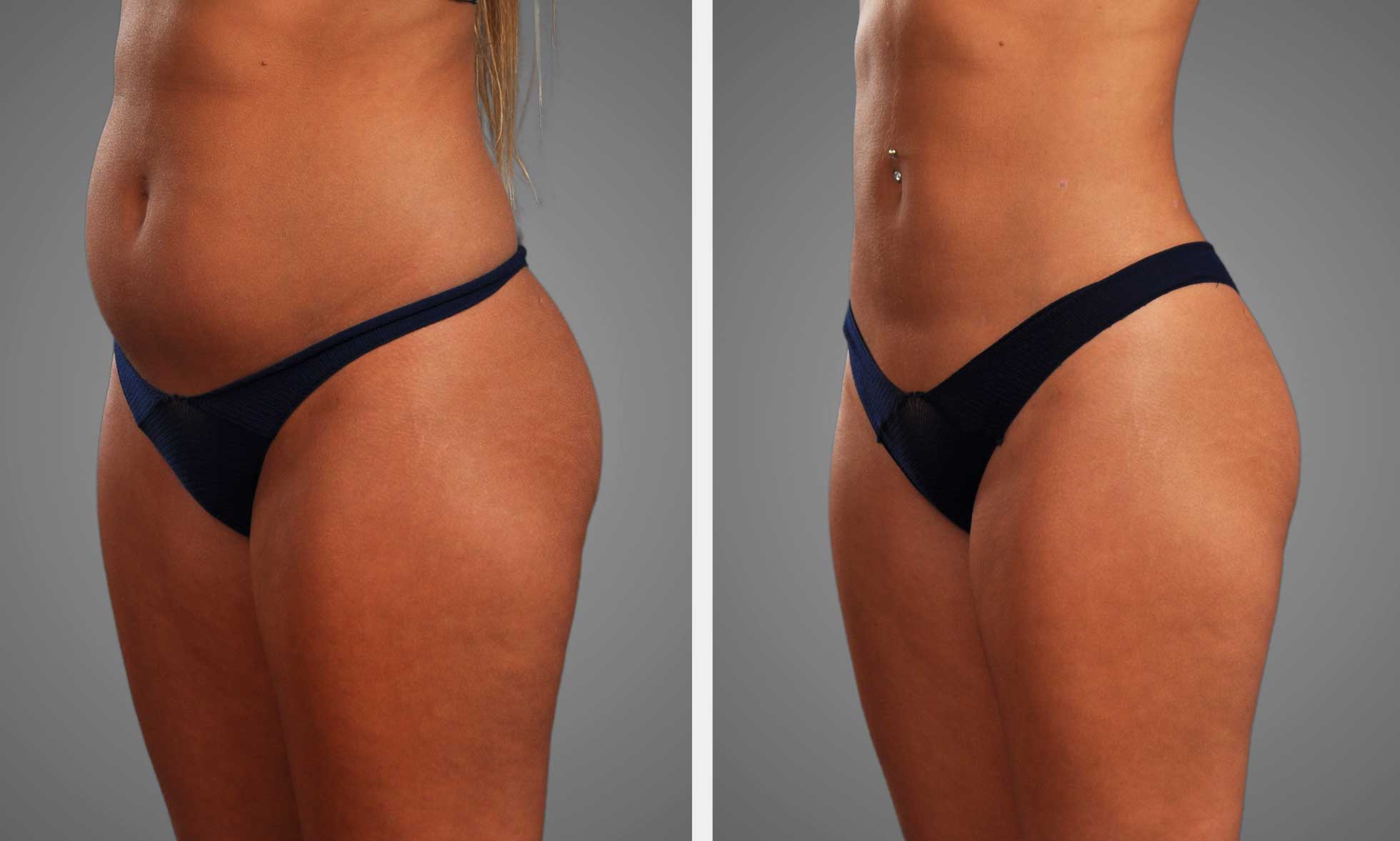
Have you heard of abdominoplasty, known as a tummy tuck? Tummy tucks help restore firmer, flatter bellies after weight loss. It eliminates additional skin and can repair separated muscles. This can be crucial for individuals who have shed significant weight and observe loose folds in the abdominal region.
It’s crucial to know where your scar is going to be. Most of those scars are hip to hip, low on the belly. They fade but never completely disappear. Some develop a vertical scar.
This surgery usually improves self-image. Making clothes fit better and having more confidence, a tighter waistline can boost self-esteem.
They experience swelling for weeks after surgery. Compression garments reduce swelling and aid healing for 6 to 8 weeks. A few require drains for the initial 1 to 2 weeks. Sleep is required, and regular schedules creep back.
2. Brachioplasty
Brachioplasty addresses flaccid skin or fat deposits on the upper arms post weight loss. A full brachioplasty has a long incision from the armpit to the elbow, whereas the mini form has a more minor incision concealed in the armpit.
Both styles assist in sculpting the arm more and help arms match the rest of the body. They turn out best if the surgeon does this specifically.
This can assist you in minimizing hazards and obtaining nice, organic outcomes.
3. Thighplasty
Thighplasty addresses excess skin and fat on the thighs. Some require a medial thigh lift for the inner thigh. Others require a lateral lift for the outer thigh.
Both can help make your thighs look smoother and more toned. This enhances balance with the entire lower body.
Feeling sexier in clothes or a bikini is typical post-op. Aftercare means compression tights and layman hard activity aversion for weeks. Swelling is subsiding mostly in three to six months.
4. Mastopexy
Mastopexy lifts and shapes pendulous breasts following weight loss. Depending on the amount of lift, surgeons may use anchor or periareolar incisions.
A few patients elect to supplement with implants for extra fullness. One option lifts the breasts and gives a more rounded appearance.
Scars are almost a certainty and take months to fade. Most require a night in the hospital and a few weeks to heal.
5. Lower Body Lift
A lower body lift addresses the abdomen, buttocks, and thighs all at once. It’s frequently required with loose skin flapping all over the waist.
This surgery can be combined with other procedures for a full makeover. It’s a major operation that requires specific planning and recovery.
No lifting or strenuous work for at least 6 weeks. Compression garments and temporary drains are standard. Complications can occur, and the majority are minor and workable. Final results emerge in three to six months as swelling subsides.
Are You Ready?
Following massive weight loss, many individuals are left with physical and emotional challenges not addressed through nutrition or exercise alone. Loose skin tends to linger, making it difficult to look good in clothes, dance effortlessly, or love your new body. Body makeover procedures may assist. A well-thought-out plan, medical examination, and lifestyle overhaul are essential for optimal results.
Before proceeding, it’s critical that you take stock of your health, your mindset, and your daily routines.
Physical Health
Doctors begin with a full physical prior to surgery. They review your history, blood work, cardiac testing or lung testing if necessary. A healthy body assists with recovery and reduces risk.
Body mass index, or BMI, is important. A BMI under 30 decreases the risk of complications. If your BMI is higher, you’ll need to lose more weight first. Stable weight is important. Most surgeons request that you maintain your weight within 2 to 5 kg for 6 to 12 months prior to surgery.
This assists in making certain that results are long-lasting and the skin doesn’t slack back down. For chronic problems like diabetes or high blood pressure, they should be managed. Elevated blood sugar or pressure can impede healing and increase risks.
Everyone’s plan is unique. Your doctor will collaborate with you to develop a plan tailored to your health needs and objectives.
Mental State
Folks can be simultaneously proud and concerned post weight loss. Looking in the mirror may not align with how you feel internally. It helps to take a moment and consider if you are ready to witness a new you?
Body surgery can play with feelings. Some rejoice, some are stressed or even mourn as they adapt. Mental health provider or support group support can help. You know, let’s set real expectations.
Surgery can sculpt your figure, but scars and bruising are its shadows. The results creep in. The complete results require three to six months as swelling subsides and scars mend. Support matters when you’re healing. Friends, family, or counseling can keep you on track and alleviate stress.
Lifestyle Habits
- Maintain a healthy diet full of lean protein, whole grains, and fresh produce.
- Don’t smoke and drink in moderation because both impede healing and increase risk.
- Get up every day for short walks or light exercise. It mobilizes blood flow and quickens healing.
- Maintain weight. Rapid weight fluctuations can undo results.
- Follow wound care and doctor’s advice closely.
Smoking can restrict blood flow, leading to slow healing or scarring. Alcohol thins the blood and can increase the risk of bleeding. A good diet helps your body recover quicker. Working out keeps muscles hard and helps new curves endure.
The Consultation
A consultation is an important first step for those considering post weight loss body makeover procedures. It provides the foundation by defining objectives, making decisions, and establishing expectations. Open and honest communication between patient and surgeon is the foundation of this process.
The surgeon’s consult is to walk through health history, determine readiness for surgery, and recommend a plan appropriate to the patient. The plan constructed during the consult is intimate, addressing what is possible to accomplish, how it will be accomplished, and what the patient can anticipate from healing.
Your Goals
Patients should be ready to say what they’re hoping to modify about their bodies. Some may want to nip loose skin around the tummy, while others are arm, thigh, or chest-centric. Bringing photos or jotting goals can assist.
Knowing why these goals matter, be it for personal comfort, aesthetics, or clothing fit, helps inform the strategy and maintain attention on what’s important. They need to be goals that actually align with what surgery can deliver.
Surgeons will often show before-and-after pictures to help patients visualize what could happen. Sometimes, patients are wishing for a miracle. The real magic depends on your skin quality, body shape, and healing. Regular discussions with the surgeon allow you to adapt plans and manage expectations.
Surgeon’s Role
Your surgeon goes over your medical history, checks for previous surgeries, and inquires about your current health. This stage aids in identifying any potential hazards. They conduct a full body exam to determine where contouring can provide the most assistance.
If a patient’s weight has fluctuated significantly, the surgeon may recommend waiting 12 to 18 months after maintaining a stable weight before surgery. Selecting an experienced and talented plastic surgeon is the key.
They talk through the risks and benefits and all the options, from body lifts to lipofilling and skin removal. That way, patients have an understanding of what’s safe, what’s possible, and what suits their needs. This works best when patient and surgeon collaborate in making decisions that align with the patient’s objectives.
The Plan
A complete surgical plan includes what procedures will be performed, the sequence, and the timing. If there are multiple areas to treat, the plan might be a staged approach with surgeries three to six months apart.
The surgeon provides specific pre-operative instructions, such as discontinuing certain medications or modifying lifestyle habits to reduce complications and facilitate recovery. Every plan is molded by the patient’s frame, their health, and their desired goals.
Knowing how to recover is as crucial as the surgery. Patients understand what to expect, including downtime, side effects, and when they’ll be back to normal activities. This assists with scheduling, alleviates anxiety, and keeps expectations grounded.
Beyond The Scalpel
After significant weight loss, tons of us are left with loose, sagging skin. This is common, with roughly 96% of those dropping significant weight experiencing skin changes no diet or exercise can repair. More patients want body contouring, regardless of whether they lost weight from bariatric surgery, medication, or the good old-fashioned way.
These surgeries sculpt the physique but bring their own physical and emotional battle scars. Recovery and long-term results rely on many things, from scar care to mental health.
Scar Management
Scars are inevitable following a body contouring procedure, but there are tips to help them heal and fade over time. Surgeons may recommend topical treatments like vitamin E creams and silicone sheets to keep scars soft and flat. Silicone sheets are common because they retain moisture and reduce the likelihood of hypertrophic scars.
It’s crucial to begin these treatments once the wounds have closed, typically a few weeks post-surgery. After the surgeon, post-op is king. This implies washing wounds as directed, avoiding scab-picking, and any exertion that can tug on the scars.
Sun protection is key as scars love to darken with sun exposure, particularly in the first year. Protective clothing and high-SPF sunscreen can help avoid discoloration. If scars remain thick or wide, some patients inquire about revision. Small scar revision is possible months or years after the initial procedure.
These can be laser therapy or surgical scar revision. A lot of scars diminish on their own with time and patience.
Emotional Journey
Body makeover procedures are more than just a physical thing. There’s happiness, there’s relief, there’s even doubt as they see their new shape. Others can be disappointed if things don’t change in the way they anticipated, particularly during the first several months when swelling and soreness are common.
Soreness lingers for up to four weeks and compression garments need to be worn for six to eight weeks, which can be confining. Counselor support or a support group can help you deal with these emotions. It can really perk up the morale to celebrate every tiny milestone, like returning to work after two to three weeks or returning to the gym after six weeks.
Remind yourself that healing is a process. Scars and swelling can require as long as six months to settle, so you’ll need patience and self-kindness during this journey.
Support Systems
- Friends or family to assist with daily tasks and to listen.
- Online and local support groups of people going through similar transitions.
- Professional therapists or counselors for expert mental health support.
- Medical teams who answer questions and monitor healing.
Open, honest conversations with those close to you can reduce anxiety. For others, support groups can offer solace, a place where others pass on tips and tales.
For deeper anxieties or persistent depression, connecting with a mental health professional is a wise move. Support systems can help make this healing journey less lonely and more balanced.
The Recovery Path
Post weight loss body makeover surgeries, recovery is slow and cautious. All of us recover at our own pace, but we have common paths. The recovery route varies based on the surgery type and extent.
To give you some context, the majority will spend a minimum of one night in the hospital post-op and two nights for more substantial surgeries. Here’s a quick look at the usual timeline:
- First 2-3 weeks: Swelling peaks, discomfort is highest, and rest is key.
- 6 to 8 weeks: Swelling fades, activity increases, compression garments are worn daily.
- 3 to 6 months: Swelling goes away, scars fade, and final results appear.
First Week
The initial post-surgical week is rest. You have to restrict activity and give your body a chance to recover. Hospital stays may be necessary to observe you, particularly for more invasive operations.
Wound care is key. Dressings need to be changed as directed. If there are any drainage tubes or stitches, they are inspected daily.
Pain stinks. It’s manageable. Most surgeons will put you on meds for the initial days. Most resorted to OTC pain relief by week’s end. There is residual pain, but it grows duller with each day.
Be sure to watch for warning signs. Fever, redness, or sudden pain could signal infection or other issues. Early intervention can prevent minor problems from becoming major problems.
Compression garments assist in managing swelling and holding the body together as it heals. They have to be worn continuously for the initial weeks.
First Month
Activity levels creep up in this phase. Walking is encouraged early, but heavy lifting and hard exercise have to wait a minimum of six weeks. Most people are prepared for desk jobs in two or three weeks, while physically demanding work may require four to six weeks off.
Post-operative visits with the surgeon are crucial. Stitches and dressings may be removed or changed. The surgeon makes sure you’re healing and answers questions.
Swelling and bruising is expected. Swelling tends to be at its worst at about week two or three, then dissipates over several months. Keeping things elevated and icing can help.
Patience is important as your body transitions. They don’t see immediate results. It requires time for swelling to subside and new contours to emerge.
Long Term
Healthy habits are important for maintaining results. Making good food choices and getting physical activity prevent weight gain and fuel your healing for the long haul.
Certain people would require surgical intervention later on. Whether it is to repair scars or to address shifts as the body settles. Not all require this, but it is a possibility.
Periodic visits to your surgeon are advisable. They can detect issues early and assist you in maximizing your outcomes.
Self-care should persist, both for body and mind. Continuous care, physical and emotional, assists you in adapting to the new normal and remaining healthy.

Maintaining Results
Post weight loss/body makeover surgery, maintaining results requires attention and maintenance. Once you lose a significant number of pounds, many people observe loose skin that can interfere with their daily activities. Surgery can help sculpt the body, but sustained success requires more than the procedure. Staying at a steady weight, having good habits, and collaborating with healthcare teams all play big roles.
| Factor | Effect on Results |
|---|---|
| Weight stability | Stops skin from stretching or sagging again |
| Hydration | Keeps skin firm and helps healing |
| Skincare | Supports skin health, stops dryness and irritation |
| Professional support | Spot problems early and give advice |
| Compression garments | Cuts swelling and helps skin settle |
| No smoking | Boosts healing and lowers risk of problems |
Hydration and skin care are huge post op. Drinking enough water each day keeps skin cells resilient and assists them in healing. Parched or fatigued skin will delay healing and can cause itch or rash.
Applying a mild, fragrance-free moisturizer will aid in keeping the skin soft and crack-free. For instance, a basic ceramide or hyaluronic acid cream can seal in moisture without irritation. Sun care is key too. Sunscreen on scars or exposed skin prevents dark spots and allows scars to fade over time.
Maintaining your weight is key to prevent any additional loose skin from emerging. Doctors advise patients to get to their goal weight and maintain it within 2 to 5 kilos for at least six months before any skin removal surgery. This allows the body to adjust and reduces subsequent sagging risk.
Small, well-defined goals can help, such as monitoring your diet and fitness or preparing meals in advance. Rapid fluctuations in your weight place additional stress on your skin and can sabotage the results of surgery.
Back-up from healthcare teams is a game-changer. They can monitor healing, look for edema or fluid accumulation, and provide guidance on safe exercise or diet. Wearing a compression garment post-surgery for six to eight weeks reduces swelling and accelerates your recovery.
Most individuals feel improved between two and eight weeks, but lingering soreness may persist for up to six weeks, and complete healing can take months. Quitting smoking weeks prior to surgery assists blood flow and reduces the likelihood of infection or slow healing.
Most patients shed fewer than five kilos post-surgery, but the greatest transformations tend to be in ease, mobility, and self-perception.
Conclusion
To find some definition post weight loss, many choose body makeover work. Options such as skin removal, lifts, and sculpting aid in forming a look that corresponds with how you feel. Doctors assist you in balancing the risks, costs, and benefits. Good healing requires time and attention. Hold habits hard and hold your shape. Visitors from many different backgrounds take these steps for a variety of reasons. Each route differs slightly. To learn more, contact a clinic or check out reputable health sites. Ask questions, balance your needs, and don’t rush. All the decisions are up to you. Be open, be safe, and select what suits you best.
Frequently Asked Questions
What are common post weight loss body makeover procedures?
Typical procedures include tummy tuck, body lift, arm lift, thigh lift, and breast lift. These surgeries help remove excess skin and contour the figure following massive weight loss.
Who is a good candidate for body makeover procedures?
Excellent candidates are adults with stable weight, good health, and realistic expectations. You should be committed to a healthy lifestyle and free of any major medical issues.
How long is the recovery after body makeover surgery?
Recovery time depends on the procedures. The majority are back to normal activities within two to six weeks. It may take months to fully heal.
Are there non-surgical options to improve body shape after weight loss?
Yes, non-invasive options include skin tightening therapies, laser treatments, and body sculpting machines. These are best for mild skin looseness and smaller areas.
What risks are involved with body makeover procedures?
Risks include infection, scarring, bleeding, and altered sensation. Selecting a board-certified surgeon and carefully adhering to post-care instructions can minimize these dangers.
How can I maintain my results after surgery?
Keep the weight off with good nutrition and exercise. Follow your doctor’s recommendations and go to follow-up appointments for optimal long-term outcomes.
Do body makeover procedures leave scars?
Yes, they scar. Talented surgeons strive to put incisions in inconspicuous places. Scars do tend to fade, especially if you take care of them.