Directions
 Call Us
 Email Us


Key Takeaways
- Body contouring procedures help reshape specific areas of the body, offering both physical and emotional benefits by boosting confidence and improving how clothes fit.
- With so many body contouring options, both surgical and non-surgical, to choose from, it’s important to find something that fits your unique body type, goals, and lifestyle.
- Let’s face it, when your body is contoured right, you just feel good in clothes. You can wear more clothes and it’s just more fun to shop for clothes.
- Psychological benefits from body contouring include feeling good in clothes.
- It’s essential to understand that body contouring is a tool for you to feel good in clothes.
- Healthy habits like eating right, exercising, and wearing supportive shapewear can optimize and prolong results following body contouring.
Body contouring to feel good in clothes means using treatments or methods to shape the body for a smoother look under outfits. A lot of people opt for body contouring to feel good in clothes and everything in between, from non-surgical treatments to diet and exercise.
Each option has its own results and downtime. The following sections deconstruct these choices, with advice to select what suits your needs.
Understanding Body Contouring
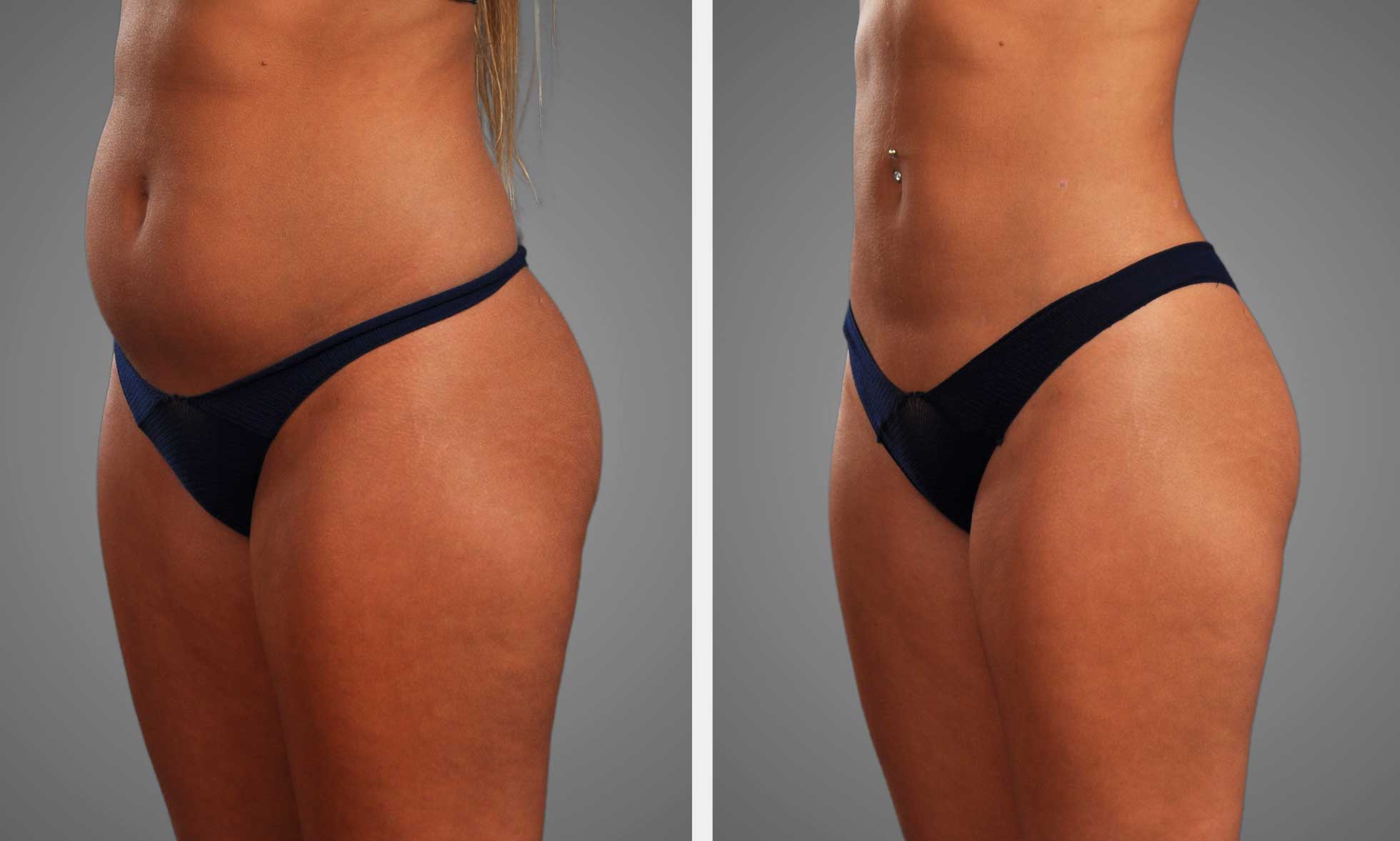
Body contouring is a group of cosmetic surgeries that sculpt distinct regions of the body. These contouring treatments assist in smoothing or tightening those areas of the body where fat simply won’t budge, even after diet and exercise. Popular problem areas are the waist, thighs, face, arms, and breasts.
Though it’s not a substitute for weight loss, this can help people get the look they desire and feel better in their clothes. Here’s what you need to know about body contouring.
The Goal
The objective with body contouring is to sculpt you into the person you want to be and build your confidence. Patients tend to seek a more streamlined, proportional figure that allows clothing to drape more easily and appear less artificial.
Body contouring can provide long-term results as it eliminates persistent fat cells that won’t return. For instance, liposuction can assist in flattening the waist or trimming down the thighs for a balanced appearance.
There’s a huge psychological effect as well. When you feel good in your own skin, you often feel good in your clothes, which transforms how you view yourself. Most patients report a boost in confidence after body contouring and feel more at ease around others and in professional environments.
The Methods
- Liposuction removes fat from specific areas. It can now employ instruments such as laser-assisted liposuction (LAL) for increased precision.
- Fat grafting moves fat from one part of the body to another.
- Skin tightening uses radiofrequency or ultrasound to firm loose skin.
- Non-surgical contouring uses freezing, known as cryolipolysis, or heat to shrink fat cells.
Surgical techniques, like liposuction, extract fat via incisions and require recovery. Non-invasive treatments apply energy-based machines to the skin and typically require less downtime.
HD liposuction is a recent innovation that sculpts out muscles for a ripped appearance — think smooth muscle definition under your shirt. You need to choose the right technique for your body and your objectives. We break it down for you: some are the best candidates for surgery, others can achieve impressive results with non-surgical treatments.
The Difference
| Body Contouring | Traditional Weight Loss | |
|---|---|---|
| Target Areas | Specific spots | Whole body |
| Focus | Shape and contour | Reduce overall weight |
| Effect | Removes fat cells | Shrinks fat cells |
| Recovery | Days to weeks | No downtime |
| Skin Changes | Can tighten skin | May leave loose skin |
What’s special about body contouring is that it addresses stubborn fat and loose skin hanging around after significant weight loss. These surgeries treat loose skin, something weight loss alone can’t do, particularly following significant weight fluctuations.
They have the added advantage of addressing more than a single area simultaneously, allowing you to achieve a more harmonious silhouette. This distinguishes body contouring from simple dieting or exercise, which tend to be ineffective at correcting these concerns.
The Clothing Connection
Body contouring has become increasingly accessible to those who just want to look and feel good in their clothes. A great fitting outfit literally alters your posture, your step, and self-confidence. When the body’s shape aligns with your goals, clothing options expand and getting dressed becomes simpler. A squeaky-clean shape from body contouring makes it easier to experiment with new styles. Shopping becomes more fun, too!
Studies show that our clothes influence both the way we perceive ourselves and others. With each body being different, selecting clothing that complements this is essential to cultivating confidence and ease.
1. Silhouette
Body contouring defines the natural contours of the body so that clothes fit the way they’re supposed to. This is particularly important for tight dresses and skirts, where a sleek base can really let the silhouette shine without bunching or pulling. For example, if you’ve always wanted to rock a fitted sheath or classic pencil skirt, a shapewear silhouette can help make that a reality.
When selecting attire, I like to consider how the piece complements the lines of your body instead of fashion rules. Clothes just feel best when they fit the actual shape, not the perfect shape.
2. Proportions
Sometimes contouring is all about making the proportions of your body more flattering for the cut of an outfit. A cinched-in waist, for instance, can alter the fit of a pair of jeans or the way a blazer drapes. Proportion counts if you’re in a suit, a sundress, or slacks.
In style, a well-proportioned body translates into more choices and a better off-the-rack fit. Most discover that their beloved styles fit better and are more comfortable with subtle modifications to their silhouette.
3. Fabric Drape
The way the fabric falls on your body — the drape — is an often-overlooked but crucial element. Body contouring allows fabric to lie flat, so even basic attire seems sophisticated. Choosing the right material makes a difference.
Stretch cotton or gentle knits tend to drape the body’s contours, while rigid linen or denim can showcase defined edges. Tighter clothes can feel less dangerous when the silhouette beneath is sleek. When you select fabric with the same care, garments don’t just fit better, they flow with the body.
4. Wardrobe Expansion
It opens up styles and cuts that weren’t possible with your previous shape. They’ll have the confidence to throw on a fitted top or a bodycon dress or experiment with that new trend that used to scare them. Playing with style is liberating.
There’s a certain magic in wearing clothes that fit and flatter that can inspire joy and unload the clothes that no longer feel right. This shift can silence self-critical thoughts and result in greater self-acceptance.
5. Shopping Experience
Post-body contouring, shopping doesn’t have to be such a depressing ordeal! They will be more willing to step into outfits they would have shunned in the past. Sometimes, just putting on a shirt or pants that fits well can give you a self-image boost.
A few of my clients have found it useful to try clothes on with the mirror covered initially, feeling for comfort as a priority. Most importantly, it is about finding clothes that make you feel at your best.
Beyond The Mirror
Body contouring extends far beyond the mirror. It influences how they think about themselves, how they blend in with others, and how they perceive their own value. It’s not just about a new form but about enduring emotional and mental transformation.
Confidence
- Improved posture and comfort in social gatherings
- Willingness to try new clothing styles
- Less anxiety when meeting new people
- Greater ease in speaking up at work or school
- Enjoyment of physical activities without self-consciousness
We all move through the world with more ease when we feel good in our bodies. Any significant self-image shift can make someone more eager to jump into conversations or accept invitations. The boosted confidence of body contouring, be it fat-freezing or surgery, frequently causes more open body language and firmer handshakes when making first impressions.
Some discover they feel taller or walk with a lighter step, which people sense. Growth opportunities pop up both socially and professionally. Comfort in your skin may equate to voicing opinions in meetings or low-stress networking. It’s not about how clothes fit; it’s about how people feel about themselves and how they show up in the world. That’s the power of body contouring.
Body Image
Body contouring’s impact on body image can be profound. For those who’ve battled with loose skin after weight loss, the transformation can be equally physical and emotionally profound. Individuals with a more symmetrical or proportional form experience an enhanced perception of self.
This new self-image can cause a subtle sort of pride that peeks out even in the small things, such as picking out an outfit that leaves just one area exposed or experimenting with a new style. We must cultivate a healthy body image post these procedures. The mirror reflects a new silhouette, and the mind must be given time to keep pace.
Coming at it personally, with attention to both body and soul, preserves those triumphs. A resilient and affirmative body image nourishes your psyche and contributes to deep-seated joy.
Social Freedom
Body contouring can make you feel free at a cocktail party. They tell me they worry less about what other people think, so it’s easier to get dolled up and make that trip. The lift from a treatment like CoolSculpting can translate into clothes fitting better and takes away an additional obstacle to participating in group outings or activities.
For others, merely removing one accessory prior to walking out the door can help remind them to center themselves on how they feel, not how they appear to others. When you feel good in your skin, it is easier to throw yourself into new experiences, whether that is twirling on the dance floor or trying a fitness class.
This liberates them to develop relationships and live more fully outside the confines that their ancient body concerns might have imposed.
Choosing Your Path
Body contouring to feel good in clothes is not a one-size-fits-all journey. Each individual arrives with their own ambitions, way of living, and baseline. Taking time to evaluate what you want, whether it’s a more streamlined waist, firmer arms, or a more balanced shape, helps point you in the right direction moving forward.
When you know your body shape and are honest about your expectations, it’s less overwhelming. Working through your requirements and looking into what’s available can make this process more fulfilling and meaningful.
Surgical
Surgical options such as tummy tucks, liposuction, or arm lifts can provide significant transformations in a short amount of time. These procedures break down fat or excess skin, contouring the body in ways non-invasive treatments aren’t always able to. For most, surgery is the option when they desire a definitive, long-term transformation or when loose skin is an issue.
With surgery, the results are usually more pronounced, especially for significant weight loss or after having children. However, there are risks and longer healing time to consider. Selecting a board certified plastic surgeon is essential for safety and for optimal results.
It’s savvy to vet their experience, review before and after pictures, and inquire about the process as a whole. Even with surgery, they won’t always look like they do online. As with breaking up, selecting your own path involves setting real goals and being prepared for scars or a slow recovery to skip the let-down.
Non-Surgical
Non-invasive options, such as CoolSculpting or ultherapy fat reduction, employ tools to attack fat without incisions or sutures. These are treatments with less downtime, so most people get back to life swiftly. Others may experience swelling or redness, but these typically subside quickly.
Non-invasive treatments can still cause tangible, visible body sculpting changes, particularly if you’re near your ideal weight. The changes tend to be incremental and accumulate over weeks. They may require repeat sessions for optimal results.
Talking to a veteran provider is key to selecting the appropriate method and defining your goals. Not all options work for all people, so a personalized plan prevents you from spinning your wheels or burning cash.
Your Lifestyle
Lifestyle is just as important as the treatment. What you consume, exercise, and lifestyle habits all contribute to the longevity of results. Good nutrition and exercise are always necessary post-procedure. Without them, changes might wear off or flab might return in other places.
It’s thinking through your habits before selecting a technique that helps you pick the right solution for your lifestyle. Some like low-maintenance treatments, others are up for a longer recovery if the payoff is larger.
When you’re taking a whole-body approach with wellness and self-care accompanying body contouring, you’re going to enjoy better, longer-lasting results.
The Unseen Blueprint
Body contouring isn’t just about a transformation in shape. It’s about feeling comfortable and confident in your clothes. A good outcome begins long before the process. Thoughtful preparation, explicit discussions with a surgeon, and candid introspection paved the way.
Consultations assist individuals in evaluating their alternatives, comprehending potential risks, and aligning their objectives with optimal actions. Open talks and planning are as important as the surgery for anyone hoping to dress easier and more stylishly.
Consultation
| Key Elements to Cover in Consultation | Description |
|---|---|
| Personal Goals and Expectations | Share what you want to change and why. |
| Medical History and Current Health | Discuss health issues, allergies, or past surgeries. |
| Procedure Details | Learn which options fit your needs and how each works. |
| Recovery and Aftercare | Ask about downtime, healing, and post-surgery care. |
| Risks and Possible Complications | Talk about side effects or rare risks for each option. |
| Cost and Payment | Get clear on total costs and any extra fees. |
| Surgeon’s Experience and Credentials | Review the surgeon’s background, training, and past results. |
A consultation is not merely a formality. It’s an opportunity to query the process, recuperation and expectations. They should be centered on frank discussions about aspiration, such as being more comfortable in slim cut shirts, jeans or dresses.
Others shape these goals with guides like The Body Type Blueprint, as it allows them to understand how body shape factors into clothing selection. A good surgeon listens, offers truthful advice and explains the advantages and constraints. That way, we’re all aligned around what’s achievable.
Expectations
Manage your expectations is key for body contouring. Not all effects are immediate, and not all transformations are dramatic. Knowing what needs to be done keeps anxiety low and satisfaction high.
For instance, a person who desires a more streamlined waist to fit into a chic dress should be aware that inflammation or bruising could obscure the result for several weeks. It takes time to heal. Most people anticipate immediate transformation and experience the optimal benefits months post-treatment.
Cultivating the discipline of slow, grinding progress—shoes getting more comfortable with wear, clothes fitting better with every decade—can sustain the soul. Body Type Blueprint emphasizes this incremental transformation, training folks to seek out minor victories and employ style hacks as their physique recovers. Patience is not merely useful but essential.
Mental Readiness
Mental preparedness frames the entire experience. Readiness for change makes us moldable to new forms and sizes. Others are sentimental about their former appearance or experience insecurity during recovery. Tackling these emotions in advance of surgery helps ease the process.
Thinking optimistically generates better long-term outcomes. Those who pause and plot, perhaps with the help of resources like our style glossary or The Body Type Blueprint, tend to find themselves more at ease in their new skin.
Mental readiness is not just about liking the result. It’s about swaggering in new gear and welcoming the shift.
Maximizing Results
Effective body contouring is more than just the treatment. It rests on sound habits, correct information, and a stable attitude toward self-care. Everything from the initial consultation to your post-op daily routine influences the outcome. Those who pay attention to nutrition, movement, and the proper attire tend to experience superior results that last longer.
A good consultation defines goals, sets expectations, and builds trust. This advice, combined with the newest innovations in body contouring, allows individuals to maximize their investment and feel more comfortable in their clothes.
Nutrition
- Protein (beans, fish, lean meats) helps body tissues heal and rebuild after a contouring procedure. Vitamin C (citrus and bell peppers) and zinc (pumpkin seeds and nuts) aid wound healing and the immune system. Collagen, found in bone broth and certain supplements, can help keep skin firm and elastic.
- Healthy fats from avocados, olive oil and nuts keep the skin soft and allow the body to absorb vitamins. Antioxidants in berries, leafy greens and tomatoes shield skin from damage and can decelerate visible aging.
- Drinking sufficient water daily maintains skin elasticity and detoxifies, facilitating a more seamless and rapid recovery process. Hydration restricts swelling and encourages cell regeneration.
- A nutritional diet with regular meals stops weight gain and maintains the shape you want to have. In the long run, good nutrition keeps your body looking toned and your skin healthier, so it is easier to be comfortable in just about anything you wear.
Movement
Getting up and moving around every day, even if it’s just a walk, gets the blood pumping and accelerates healing. Exercise helps control post-surgical swelling. When folks incorporate light stretching or yoga, it can relieve tension and reduce anxiety.
Supplementing that with some strength training a few times a week helps build muscle that supports the body’s new shape. Cardio, whether it’s cycling or swimming, will burn the excess fat and maintain your weight.
A doctor or trainer can recommend exercises that suit one’s body and where they are in their healing process. One individual might begin with gentle walks and incorporate strength moves as they recover. Custom routines are safer and better.
Being active has psychological advantages as well. Consistent activity increases endorphins, promotes sleep, and underlies a sense of optimism, which is essential for that clothes-fits-great feeling long after the surgery.
Garments
Compression garments aid in contouring your body post-procedure, minimizing swelling and facilitating rapid recovery. They’re frequently required for weeks. There are many styles and fits for all body types and procedures.
Shapewear provides additional smoothing and confidence particularly under form-fitted attire. High-waist shorts, slips, or bodysuits can help clothes fall better and even out contours.
Selecting soft, breathable fabrics avoids chafing and keeps everyday wear pleasant. Fit is key. Too tight can hinder the healing process, and too loose won’t provide enough support.
With the right undergarments, you can truly revel in your new curves. There is less swelling and more comfort. Most of them are ready to put on some heels and strut.
Conclusion
Body contouring to feel good in clothes Clothing feels better. Skin soothes. They all observe mini victories, such as pants that zip with less effort or shirts that lie flatter. These transformations can infuse a new sense of ease every single day. Choosing the correct course is understanding yourself. Results accumulate with great habits, such as nutrient-dense foods and regular activity. All increments can improve your self-image and your style. For your body contoured to feel good in your clothes, find out more or chat with a specialist who understands. Discover what makes your body feel good in and out of your clothes and observe how tiny adjustments can transform everyday comfort.
Frequently Asked Questions
What is body contouring?
Body contouring is a series of medical or cosmetic treatments that sculpt and enhance the body’s form. These treatments address stubborn fat or loose skin to help you look and feel more contoured in your clothes.
How can body contouring help me feel better in clothes?
Body contouring can flatten out those amazing places where the fat or skin bulges. You can rock your clothes with confidence.
Is body contouring safe?
When done by qualified professionals, body contouring is typically safe. Always opt for licensed clinics and inquire about your provider’s credentials.
How long does it take to see results from body contouring?
Results by procedure. Some individuals observe differences within weeks, whereas for others, it may take a few months for the body to heal and adjust.
Are the results of body contouring permanent?
They can be lasting — particularly if you keep your weight steady and your lifestyle healthy. Weight changes can impact your results down the road.
Can anyone get body contouring?
Most healthy adults make good candidates. Maybe not for you if you have certain medical conditions or are unrealistic about results. You need to see a pro.
What should I do before choosing a body contouring procedure?
Do your homework and talk to a specialist. Discuss your goals, medical history, and expectations to find the best approach for you.