Directions
 Call Us
 Email Us



Key Takeaways
- The buttocks liposuction and fat transfer combination simultaneously slims the donor areas and uses purified autologous fat to create natural looking buttock enhancement. It provides a valuable dual contouring benefit all without performing synthetic implant placement.
- A careful consultation and physical exam establish candidacy, technique selection, and reasonable expectations. They can catch the necessity for staged procedures or adjunct skin-tightening surgeries.
- Ideal donor choice, atraumatic fat harvesting and minimal fat processing are the key to maximizing fat cell survival and creating smooth, long-term buttock sculpting.
- Surgeon experience, intimate anatomical knowledge, and technical finesse all directly impact symmetry, projection, and risk of complication. Select a board-certified surgeon with proven results.
- Rigorous sterility standards, the proper choice of anesthesia, and constraints on injection volume minimize threats such as infection, fat necrosis, or embolism and promote safer recuperation.
- Stick to the detailed aftercare plan of limited sitting on the buttocks, compression garments, lymphatic massage, and lifestyle measures for enhanced graft retention and to see your final results develop over several months.
Tocks liposuction and fat transfer combination is a surgical procedure that extracts fat from one part of your body and deposits it in your butt to sculpt and volumize.
The procedure combines targeted liposuction with purified fat grafting to reshape smoother contours and fuller hips. Recovery times, anticipated volume retention, and risk profiles differ by method and patient condition.
Below, we discuss technique options, candidate criteria, recovery tips, and what to expect in terms of results.
The Combined Procedure
The combined procedure couples targeted liposuction with fat transfer to both sculpt and augment the buttocks in a single session. Fat is extracted from donor sites, prepared and then re-injected to sculpt volume and contour. This technique carves out the stomach, love handles, or thigh and builds up a rounder, more organic-feeling derriere.
Compared to implants, fat grafting provides a more supple and less likely chance of rejection. Combining both steps together often produces superior overall results than doing them in isolation.
1. Consultation
A careful physical exam determines whether the patient has enough fat for grafting and whether skin quality will support the changes. The surgeon reviews goals, prior surgeries, medical history, and expectations to shape a clear plan.
Different liposuction options, such as tumescent, VASER (ultrasonic), or laser-assisted, are discussed so the choice matches body type and tissue quality. Realistic outcomes, typical recovery timelines, and the potential need for touch-ups or staged procedures are made clear.
2. Donor Sites
Most common donor areas are the abdomen, waist, inner and outer thighs, and flanks. The best sites are areas where fat is plentiful and easily accessible.
The crew evaluates both volume and quality of fat. Robust, nutritious fat cells endure relocation better than fibrotic or scarred tissue. Skin elasticity at your donor sites is important for smooth healing and a flattering post-liposuction contour.
Choosing donor sites shapes the whole silhouette. Taking from the waist and flanks can make the buttocks look fuller by contrast, creating a balanced, hourglass result.
3. Fat Harvesting
Administering anesthesia, the surgeon first injects tumescent solution to minimize bleeding and make fat extraction easier. With small, blunt cannulas and gentle suction, the fat can be removed with minimal trauma to cells and techniques like VASER or laser can assist in slickening the fat while protecting cell integrity.
The process utilizes a cannula of suction attached to regulated suction. Steps span from anesthesia and demarcation to slow, careful suctioning. Gentle handling at this stage is critical because less trauma now results in improved graft survival down the road.
4. Fat Processing
Harvested fat is then washed, filtered, and separated to remove blood, oil, and excess fluid. Systems such as BeautiFill or closed filtration systems can increase the yield of viable cells and minimize contamination.
The objective is a dense slurry of viable adipocytes and stromal cells prepared for injection. Diligent, aseptic technique and efficient processing increase the likelihood that transplanted fat will stick and last long term.
5. Buttocks Sculpting
Surgeons administer tiny aliquots of purified fat in different layers and planes to create shape and projection, steering clear of large boluses that threaten necrosis.
These layering and fanning techniques guarantee an even distribution and natural contour while depth and placement are adjusted to achieve the desired symmetry and projection. The result is tailored to each body: some need lateral fullness, others need central projection, all done to enhance the overall silhouette.
After surgery, patients are instructed not to sit for extended periods of time for roughly two weeks and to sleep face down or on their side as grafts settle.
Synergistic Benefits
There are synergistic benefits to combining liposuction and fat transfer with or without implants, essentially creating a coordinated plan that treats both the butts and donor areas. This technique eliminates excess fat, contours the waist and hips, and re-injects harvested fat for augmentation. This method allows surgeons to sculpt the contour more accurately and treat several issues simultaneously.
Natural Contours
Synergistic benefits, fat grafting builds curves that follow the patient’s existing lines. Since you’re using the patient’s own tissue, there’s often a softer transition between their buttock and surrounding area, not the abrupt roundness that can announce an implant.
Fat can be aliquoted in small amounts to masculinize or feminize objectives, subtly alter hip to waist ratios or create a more full, lifted appearance. Very small access incisions and meticulous cannula work keep scars minimal. Slimming the flanks while volumizing the upper buttock creates a symmetrical S-curve or adding lateral fullness broadens a narrow pelvis that still reads natural.
Dual Enhancement
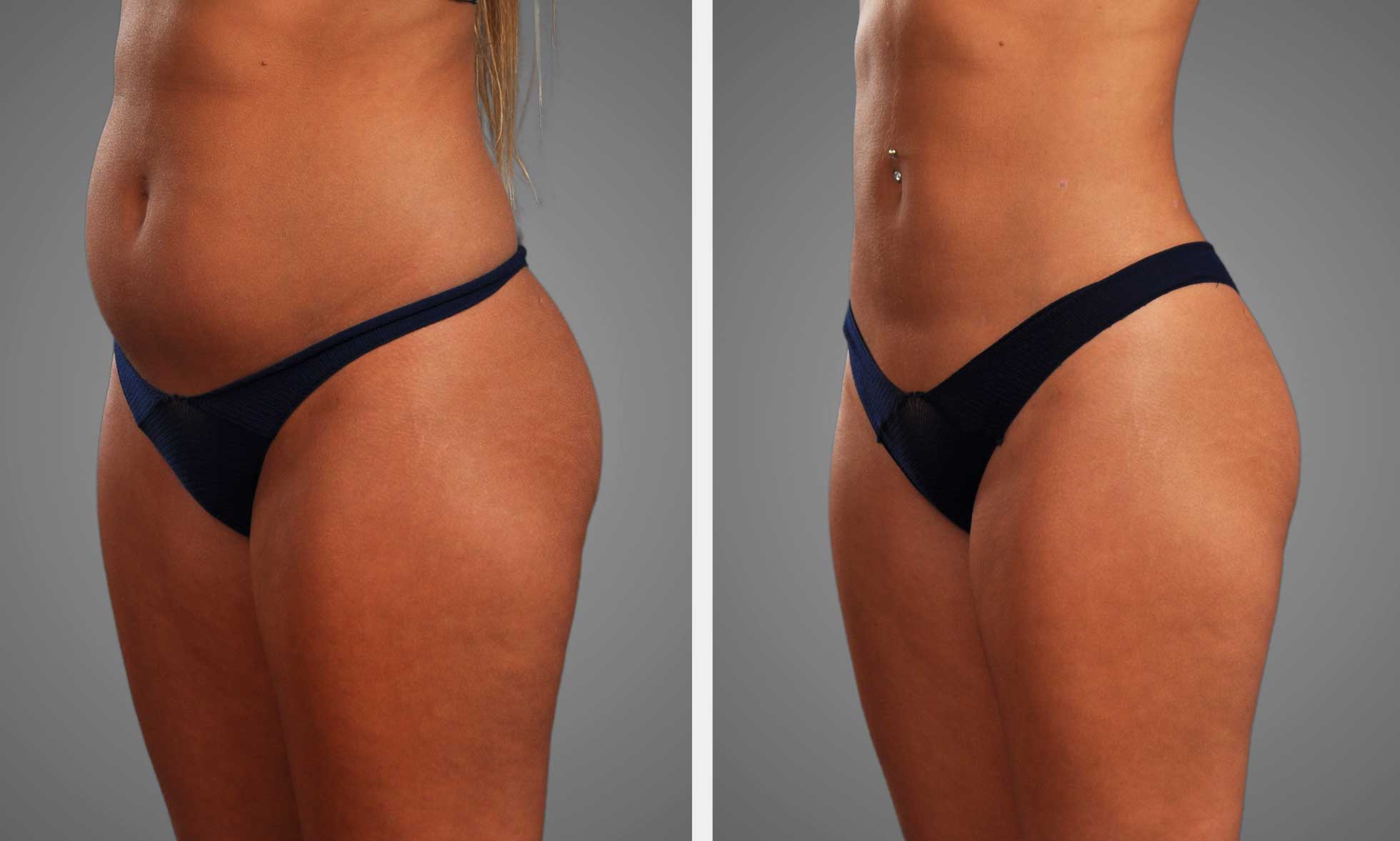
This powerful combination eliminates stubborn fat from trouble areas and transfers it to the buttocks, so patients achieve both reduction and augmentation in a single surgery. Focused liposuction at the waist, back, or thighs enhances the donor site’s contour and can even diminish cellulite’s appearance by smoothing out subcutaneous fibrous bands.
Meanwhile, fat transfer sculpts the gluteal shape to restore or create projection. A basic table illustrates typical areas treated and results before and after.
| Area treated (before) | Procedure done | Expected contour change (after) |
|---|---|---|
| Waist and flanks with localized fat | Liposuction harvested fat | Slimmer waist, improved waist-to-hip ratio |
| Posterior thighs or lower back | Fat transfer injections | Increased buttock volume and projection |
| Areas with cellulite dimples | Subcision and liposuction | Smoother skin texture and less visible dimpling |
This two-pronged approach benefits overall symmetry as well, allowing surgeons to calibrate both volume and shape in order to create a unified silhouette. Certain groups supplement with a small implant when additional reinforcement is necessary. Research indicates that combined methods may reduce complication rates compared to procedures using only one technique.
Lasting Results
Maximizing graft survival begins with gentle fat handling, layered injection and proper post-op care. When fat transfers into host tissue, it may provide durable volume for years to come, provided the patient maintains consistent weight and lifestyle recommendations.
When complemented with implants, fat transfer can experience synergistic benefits by providing additional structural support and protecting isolated fat grafts from stress and fatigue that could potentially cause fat necrosis or graft loss. Patients should be aware that weight fluctuations and smoking elevate their risk of absorption.
The customized hybrid strategy provides long-lasting form change and enhanced donor-site appearance.
Ideal Candidates
Ideal candidates make for safer surgery and more predictable outcomes in buttocks liposuction with fat transfer. Evaluation of body fat stores, skin condition, general health, and realistic expectations is important. Here are some specifics and a quick-profile list to help guide who gets the most out of the combo approach.
- Possess sufficient donor fat from areas such as your abdomen, flanks, thighs, or hips.
- Normally sports a size 8 dress or equivalent body habitus.
- Not super skinny (typically not a size 0 to 4). Too little fat restricts transfer choices.
- Within approximately 30 percent of their goal weight and weight stable for at least 6 months.
- Without significant medical comorbidity that increases surgical risk, such as uncontrolled diabetes or bleeding disorders.
- Non-smokers or those who will quit smoking pre and postoperatively.
- Not only realistic about results and recovery timelines, get a feel for form sets in 3 to 12 months.
- Dedicated to good health, diet, and exercise.
Body Proportions
Evaluate existing form and intended result to craft harmonized shapes that fit the entire physique. Surgeons plan where fat will be removed and where it will be injected to enhance your waist-to-hip ratio without making you look disproportionate or fake.
Custom plans might volumize the upper or outer buttock to produce gentle curves or extract fat from flanks and abdomen to sculpt the waist and accentuate hips. Examples include transferring fat from the inner thighs to fill lateral buttock hollows, liposuction of the waist combined with central buttock augmentation for a classic hourglass silhouette, and targeted outer thigh liposuction to make the buttocks appear fuller by contrast.
- Add lateral fullness to correct flatness and improve projection.
- Reduce waist circumference so transferred volume reads as greater.
- Smooth hip dips by grafting small amounts to the trochanteric region.
- Blend donor-site contouring to avoid new irregularities.
Skin Quality
Review elasticity and tone in donor and recipient areas to anticipate how skin will drape post fat removal and grafting. Tight, stretchy skin generally responds beautifully to liposuction and cradles fat grafts, resulting in sleeker results.
Excess or loose skin can still cause sagging regardless of volume enhancement and might necessitate complementary surgeries. When skin is poor we discuss a thigh lift or mini body lift as a complement to get a tighter, more long-lasting result. Younger patients naturally have better tone, but genetics and lifestyle come into play in every case.
Health Status
Verify good general health and rule out risk factors that make surgery or recovery more complicated. Smoking, uncontrolled diabetes, active infections, bleeding disorders and some medications increase complication risk.
Preoperative includes lab work, medication management and weight or nutritional optimization. Patients must be weight stable and healthy before and following surgery to safeguard graft survival and long-term contour. Informed consent covers timeline: final shape stabilizes over three to twelve months.
The Surgeon’s Artistry
Pairing lipo with fat transfer requires a focused eye, skilled hands and an intimate understanding of form and function. The surgeon isn’t just completing steps, he’s crafting a silhouette by extracting fat from areas such as the stomach, the thighs and the arms, and using that to enhance the buttocks.
Skill and experience dictate from where fat is harvested, how much it is safe to relocate, and how to position it for the most natural, enduring effect.
Anatomical Insight
An intimate understanding of gluteal anatomy informs every choice regarding fat placement. Surgeons map muscles, nerves, and blood vessels to bypass vital structures during infiltration, which reduces the risk of bleeding and nerve damage.
Where customization starts is with the patient’s bone structure, soft tissue thickness and skin tone. A narrow pelvis might require more lateral fill for width, whereas broad hips might need central projection.
It’s fascinating to look at diagrams of muscle layers and major vessels to understand why vaccines are given in the subcutaneous plane rather than deep into the muscle.
Examples: A patient with thin lateral tissues receives shallow, layered fat deposits to add contour, while another with localized skin laxity may need combined liposuction and skin tightening. These selections stem from physiology, not style.
Technical Finesse
As is precision relating to cannula selection, injection depth and graft volume in technical success. Smaller cannulas and multiple microdroplet injections promote even distribution and enhance fat viability.
Handling is gentle at every step. Low suction pressure to harvest, careful washing, and slow, layered reinjection all protect fat cells.
Surgeons frequently approximate transferred volume in milliliters and modify on the fly. For instance, while transferring 300 to 800 milliliters per side is typical for butt augmentation, the ultimate volume is limited by donor availability and safety considerations.
High-tech implements like ultrasound guidance or laser-assisted liposuction can minimize trauma and accelerate fat extraction, but craftsmanship is still crucial.
Reducing scarring and trauma is all about where you put the incision and how you close it. These tiny access points can generate minimal scars if made consciously.
Aesthetic Vision
Artistry is visualizing the entire form and designing how rear sculpting plays with waist, hips, and thighs. A plan customized to the patient’s desired outcome is a subtle lift, a Brazilian-type roundness, or an hourglass balance.
The surgeon decides how much to fill and where to best maintain symmetry and natural motion. Projecting while maintaining a youthful silhouette requires staging and modifications to the surgery.
Here’s what surgeons say about using before and after photos to manage expectations and demonstrate reliable results from lipo and fat transfer. Before and after pictures allow patients to see what they can expect and the surgeon’s experience.
Safety Protocols
Safety is paramount in a combined buttocks liposuction and fat transfer procedure. Surgeons and surgical teams deploy layered protections at preoperative evaluation, operative method, and postoperative follow-up to secure patient safety and maximize results.
What follows are the important bits of those protocols, described with practical specificity and examples.
Anesthesia Management
Select anesthesia by correlating procedure extent and patient condition. Local or tumescent anesthesia is appropriate for small-volume liposuction and minimizes systemic impact. General anesthesia is common if larger volumes or extensive fat grafting are anticipated.
Anesthesia selection impacts monitoring requirements and recovery duration. Continuous heart rate, blood pressure, oxygen saturation, and end-tidal CO2 monitoring lessens risk and identifies changes early.
Take safety protocols for instance. General anesthesia necessitates airway management and deeper physiologic monitoring than tumescent techniques. Reduce anesthesia hazards by customizing dosing according to weight, age, comorbidities, and medication use.
Utilize maximum safe lidocaine dose protocols in tumescent fluid. Document totals to prevent toxicity.
| Anesthesia Type | Benefits | Limitations |
|---|---|---|
| Local/tumescent | Lower systemic risk, faster recovery | Limited to smaller procedures |
| Regional | Good pain control, less general depression | Requires expertise, block risks |
| General | Allows extensive surgery, patient comfort | Higher monitoring needs, longer recovery |
Technique Selection
Bespoke liposuction and fat grafting techniques to suit the patient’s physiology and objectives. Laser or vaser liposuction assists with skin tightening and pinpoint contouring.
Conventional suction-assisted liposuction is dependable for higher volume harvest. Make sure to use small cannulas and low‑trauma suction along with tumescent fluid to minimize bleeding and pain during harvest.
When donor fat is limited, pair conservative harvest with staged grafting or adjunctive contouring plans. Previous surgeries or scars can change access. Anticipate incisions and graft locations accordingly.
The combination approach is flexible. It can add volume for those with adequate donor fat or refine shape where small corrections are needed.
Complication Prevention
Prevent infection, seroma, hematoma, and fat necrosis by strict sterile technique, careful hemostasis, and judicious graft handling. Educate patients on risks, including rare yet severe fat embolism and serious complications less than 1%.
Restrict injected fat amount per session and steer clear of deep intramuscular injection to mitigate embolism danger. Most surgeons have conservative limits and will stage if a large volume is requested.

Provide clear aftercare: expect bruising, swelling, and soreness for 1 to 3 weeks. No intense activity and heavy lifting for 4 to 6 weeks.
Stable weight is preferably within 30% of goal and stable for 6 months, with at least 4 to 6 weeks of stability preceding surgery. These follow-up visits allow me to pick up on things like asymmetry or seroma early.
Recovery Journey
Recovery from simultaneous buttocks liposuction and fat transfer has specific stages and pragmatic guidelines that define healing and results. Here’s an easy to follow outline of the timeline, daily aftercare, and realistic expectations, with specific tactics and case studies to assist patients in planning and navigating recovery.
Timeline
Immediate post-op: Expect mild to moderate pain that usually requires pain medication for the first four to five days. Swelling and bruising are at their worst in the first several days. Sleep on your stomach the first night and until your surgeon clears you.
1 week: Most patients can walk and do light household tasks. Restrict sitting to limited 10-minute windows and use a BBL pillow or additional cushioning when seated. Wounds start to scab over early and drains, if inserted, are usually taken out.
1 month: Many daily tasks resume with caution. Swelling begins to go down significantly. Begin mild, non-strenuous exercise — no heavy lifting or intense core workouts. At six weeks, you should still avoid direct pressure on the buttocks because fat grafts are susceptible to pressure necrosis.
3 months: The acute risk of losing grafted fat drops substantially. The buttock size and shape at this stage are a pretty accurate predictor of the final, long-term result, although some small changes may still occur. It can take a few months for the final results to settle as lingering swelling subsides.
A simple timeline chart helps: Immediate (0–7 days): pain control, limited sitting. Early recovery (1–6 weeks): decreasing swelling, resume light work. Late recovery (3 months plus): stable contours, return to full activity.
Aftercare
Do not sit on your butt for two weeks post-surgery. If you have to sit, keep sessions to around 10 minutes and put a BBL pillow or folded padding under your thighs to redirect pressure from the grafts.
Wear compression garments as directed. They minimize swelling and help maintain new contours. Compression usually lasts for a few weeks. Adhere to your surgeon’s wear schedule.
Lymphatic drainage massage can aid with circulation and fat survival. Start manual or professional lymphatic massage when your surgeon signs off, typically once drains are removed and incisions have begun to heal.
Checklist:
- Pain meds for first 4–5 days; take as directed.
- Sleep on stomach until cleared.
- Limit sitting to 10-minute intervals; use cushioning.
- Wear compression garments daily for weeks.
- Wound care: keep incisions clean, change dressings per instructions.
- No heavy exercise for 6 weeks. Resume gradual workouts once cleared.
Expectations
A certain amount of fat absorption is to be expected. Approximately 60% of transferred fat generally survives and approximately 40% is absorbed. Touch-up procedures could be suggested if volume loss is beyond expectations.
Results are based on process, your unique physiology, and rigorous aftercare compliance. Scarring is generally minimal but variable. There can be some numbness or changed sensation which often resolves over months.
There will be emotional roller coasters. Even early swelling and asymmetry can concern patients. The education and follow-up support we provide alleviates this fear. High satisfaction occurs when expectations align with realistic recovery timelines and patients adhere closely to care steps.
Conclusion
With visible, quantifiable outcomes, the buttocks liposuction and fat transfer combination uses autologous fat. Surgeons remove fat from undesirable areas such as the waist or thighs and graft it into the buttocks to add shape and volume. Most notice more defined contours, a slimmer waistline, and realistic-feeling fullness. The healing is measured in weeks, not months, and most patients resume light activity within a few days. There are risks, but they are mitigated by good surgical planning and follow-up care. Real examples include a patient who lost 4 cm at the waist and gained visible lift in two months, and another who kept results for years with stable weight and routine massages. If you balance goals, health, and surgeon skill, the strategy is reasonable. Discuss with a board-certified surgeon to plan next steps.
Frequently Asked Questions
What is buttocks liposuction with fat transfer (Brazilian butt lift)?
This pairs liposuction to eliminate unwanted fat with fat processing and injection into the buttocks. It contours donor areas and accentuates butt shape with your own tissue, eliminating implant risks!
Who is an ideal candidate for this combined procedure?
Ideal candidates are healthy adults with stable weight, enough donor fat, realistic goals, and no medical issues that increase surgical risk. Board-certified plastic surgeon determination.
How long is the surgery and what anesthesia is used?
It usually lasts 3 to 5 hours and is performed under general anesthesia or IV sedation with local blocks. The type of anesthesia will depend on your plastic surgeon and your own personal health.
What are the main benefits of combining liposuction and fat transfer?
You get better body contouring all around. Liposuction slims what you don’t love. Fat transfer adds a natural volume and shape to the buttocks using your own tissue for a natural result.
What are the key safety considerations and risks?
Risks include infection, bleeding, asymmetry, fat necrosis, and very rarely, fat embolism. Opt for an experienced board-certified surgeon who adheres to safety guidelines in order to minimize dangers.
What is the typical recovery timeline?
Plan on 2 weeks off work for light duties. Most swelling subsides in 4 to 6 weeks, and final results present by 3 to 6 months. Don’t sit directly on the buttocks for a minimum of 2 weeks and adhere to your surgeon’s advice.
How long do transferred fat results last?
Surviving fat cells are forever. The average long-term retention is between 60 and 80 percent. Weight fluctuations and aging will impact effects. Some patients require touch-ups for ideal symmetry.