Directions
 Call Us
 Email Us


Key Takeaways
- With a mini body sculpting total investment realistic planning guide. Think invasive versus noninvasive and match technique to area like thighs, tummy and love handles to balance downtime, cost and results.
- Construct a realistic budget that accounts for the primary procedure, facility and anesthesia fees, follow-ups, compression garments, and possible revision or touch-up expenses.
- Anticipate skincare, infrequent touch-up and wellness investments and tally your yearly expenses to safeguard your long-term results.
- Plan for a total body sculpting investment and set realistic expectations based on skin quality, fat volume, and body composition. Remember, body sculpting sculpts contour; it does not substitute for weight loss or hard workouts.
- We created a candidate checklist before you book treatments that confirms you are at or near your target weight, have reasonable skin elasticity, and have realistic goals for your own safety and satisfaction.
- Steer clear of planning traps with this body-sculpting total investment realistic planning guide: confirm practitioner credentials, get detailed cost breakdowns, map a recovery timeline, and document both emotional and physical outcomes to calculate your ultimate ROI.
About the body sculpting total investment realistic planning guide discusses average pricing and scheduling for non-invasive and invasive body contouring.
It outlines typical procedures, median price ranges in USD, and variables that affect prices such as geographic location, provider expertise, and post-care.
It provides a clear budget framework, financing options, and anticipated recovery windows to help you decide.
The meat of your post dissects cost examples and planning checklists for realistic expectations.
Sculpting Options
Body sculpting encompasses a number of procedures and machinery aimed at fat, skin laxity, and cellulite. The technologies consist of lasers, RF, ultrasound-based devices, and radial shockwaves. Options vary based on the treatment area, body type, downtime tolerance, and budget.
Below is a quick list of popular procedures, followed by comparisons and details on advanced techniques and results.
- Liposuction (traditional, tumescent, power-assisted)
- Laser-assisted lipolysis (e.g., SmartLipo)
- Ultrasound-assisted liposuction (e.g., VASER)
- Cryolipolysis (fat freezing, e.g., CoolSculpting)
- Radiofrequency body contouring (e.g., Exilis, Thermage-style)
- High-intensity focused ultrasound (HIFU) body treatments
- Injectable fat dissolvers (e.g., deoxycholic acid)
- Shockwave therapy for cellulite
- Combination skin-tightening with RF microneedling
- Noninvasive cavitation and vacuum therapies
Explore invasive vs noninvasive options for the usual suspects. For the tummy, they’re sculpting options — liposuction and laser-assisted lipolysis remove more significant fat volumes in a single session and can sculpt the abdominal contour shape. They typically involve local or general anesthesia and a short recovery period with swelling and bruising.
Noninvasive cryolipolysis and HIFU require multiple treatments, provide slow fat reduction, and have limited downtime. For thighs, VASER-assisted liposuction sculpts inner and outer thighs with more precise tissue shaping, while RF and shockwave combos improve skin texture and reduce cellulite with repeated treatments.
Love handles are very responsive to liposuction for rapid volume reduction or three to four cryolipolysis or RF sessions for a more gradual, low-downtime solution. Side effects such as swelling, bruising, numbness, and temporary discomfort occur in both cohorts but are less intense and shorter following noninvasive care.
The majority of individuals return to normal activity within one to two days after noninvasive work and within one or two weeks after invasive work.
Advanced treatments target fat loss, cellulite smoothing, and skin tightening all at once. Sculpting combos, such as ultrasound fat melting with RF skin-tightening and shockwave therapy for fibrosis, result in more contoured contours and tighter skin.
Sculpts & Options RF microneedling remodels your collagen to improve texture and lift mild laxity. Laser lipolysis delivers both fat melting and a degree of skin contraction in a single procedure. How well it works depends on device energy, number of sessions, and tissue response so realistic plans anticipate incremental, not instant, perfection.
Prices range from quite cheap. Shop quotes and financing so monthly payments don’t impact quality of life. Talk to a seasoned practitioner who will pair options to your body type and objectives, outlay risks, and establish a realistic timeframe for results to be evident.
Your Total Investment
Knowing your total investment begins with a transparent picture of direct procedure costs and associated expenses. Below is a quick reference of average prices over typical clinics, types of treatments, and body areas to aid early planning.
| Treatment type | Body area | Average price (USD) |
|---|---|---|
| Traditional liposuction | Abdomen | $4,000–$8,000 |
| Traditional liposuction | Thighs | $3,500–$7,500 |
| Tummy tuck (abdominoplasty) | Abdomen | $7,000–$15,000 |
| Cryolipolysis (fat freezing) | Abdomen | $600–$1,500 per session |
| Cryolipolysis | Flanks | $500–$1,200 per session |
| HIFEM (muscle toning) | Abdomen | $750–$2,000 per session |
| Noninvasive laser/ultrasound | Thighs | $500–$2,000 per session |
| Combination packages | Multiple areas | $1,500–$10,000+ |
1. Procedure Costs
Procedure costs vary by technique, anatomical area, and operator. Even surgical procedures such as lipo and tummy tucks are more expensive due to facility fees, anesthesia, and surgeon fees. Noninvasive options are less per session but typically require multiple visits.
Anticipate increased fees for complicated cases or expansive treatment zones. For every treatment you’re thinking of, list a mid- and high-priced option to give you a solid expectation.
2. Associated Fees
So many additional fees accumulate. Consultations, facility fees, pre-op tests, and prescriptions are typical. Compression garments, wound care supplies, and separate charges for follow-up or revision work pop up.
Some clinics will bill follow-ups separately. Create a checklist of consultation, labs, garments, meds, and possible revision fees to sidestep sticker shock.
3. Maintenance Budget
It takes time and money to keep the results going. Budget for skincare products, occasional noninvasive touch-ups, and healthy lifestyle costs such as gym memberships or nutrition coaching.
Keep tabs on yearly expenses for follow-ups and touch-ups. Over five years, anticipate recurring small expenses that sustain long-term results.
4. Time Commitment
Various therapies require different amounts of time. Consults and planning require a couple of hours. Surgeries require a day and recuperation. Noninvasive sessions are briefer but repeatable.
Downtime ranges from days to months for major surgery. Map a timeline from consult to end result and factor in recovery and sessions for staged contouring.
5. Lifestyle Adjustments
Results are habit-dependent. With regular workouts, a balanced diet, and skin care, you can maintain the outcome. Don’t smoke or sun; this helps to heal.
Formulate a reasonable personal schedule that accommodates day-to-day living and promotes lasting change.
Business context note: Equipment Capex can reach $755,000 with major items like a $180,000 cryolipolysis unit and a $120,000 HIFEM device. Fixed overhead is $20,050 per month.
COGS is high up front, and payback is modeled at 12 months. These variables influence price and financing options.
Realistic Expectations
Realistic expectations begin with a clear look at your starting point: skin quality, fat volume, and overall body composition determine what body sculpting can achieve. Skin with good elasticity and moderate, localized fat pockets are most responsive. Loose, stretched skin or diffuse excess fat hinder visible transformation.
Usually, one to three treatments per area are required for the full effect, so budget for multiple appointments when setting goals and mapping budget. Major skin laxity or advanced cellulite usually requires more than superficial contouring to achieve a satisfying outcome. Procedures that excise or lift loose skin or surgical interventions can be required when there are folds, deep cellulite indentations, or significant volume depletion.
If you’re like me with localized belly fat and firm skin, it will probably require two non-surgical sessions. A post-bariatric patient with sagging skin may be recommended excisional surgery and contouring for a permanent result. Body sculpting enhances your natural shape. It does not substitute for weight loss or intense workouts.
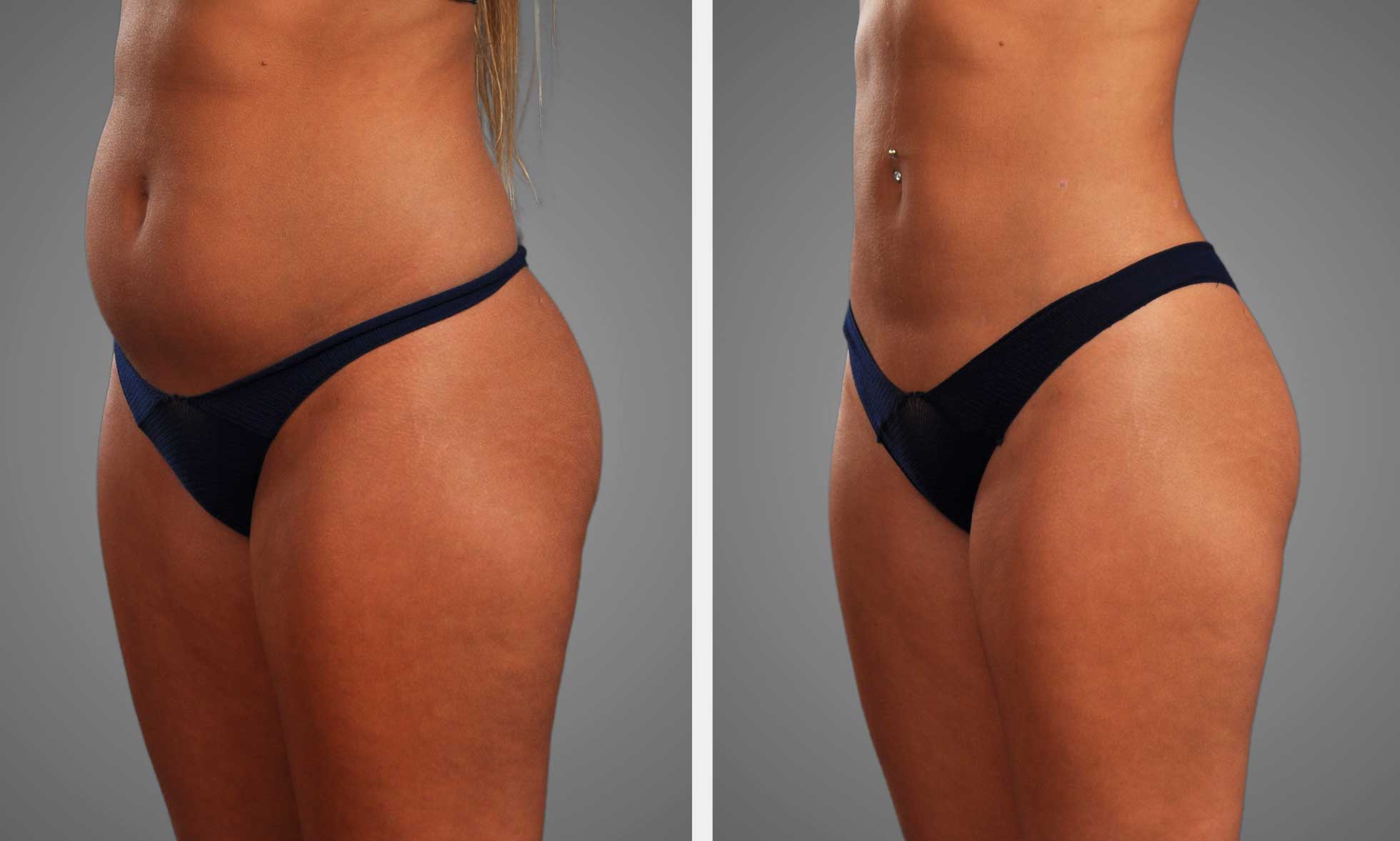
Treatments eliminate isolated fat pockets and smooth lines. They do not replace the gym. Anticipate small inches or percentage shifts, not complete body remolding. Visible muscle definition and a toned appearance depend on the procedure selected and continued lifestyle efforts. If your aspiration is better-defined abs or lean legs, mix sculpting with resistance training and a nutrition regimen.
Muscle mass and low body fat make the effect of contouring more dramatic. Expenses differ by type, region, and location. Non-surgical solutions like laser lipolysis can cost between 2,500 and 5,000 all together and typically only require a day or two of recuperation. Most clinics charge close to 199 for individual sessions, and packages of four might be 750.
If you’re after a complete body sculpting course that spans several different regions, patients should anticipate paying anywhere from 2,000 to 4,000 in total, with each visit typically targeting one specific area. Since one to three sessions per zone are typical, talk through your entire treatment map with your provider to get a realistic total estimate.
Side effects are generally mild. Swelling, bruising, and short-lived discomfort are common, and most people return to normal activities within 1 to 2 days. Financial planning counts, shop deals, inquire about financing, and ensure monthly payments won’t damage your lifestyle.
To safeguard your investment and maintain those new curves for years to come, adhere to a healthy diet and exercise regimen that promotes consistent weight and muscle tone.
Candidate Suitability
Candidate suitability determines who is most likely to benefit from body sculpting and which method suits best. That’s a good place to start with health, weight stability, and skin. This lucid checklist assists in defining practical aims, eschewing risky selection, and pairing technique to trouble.
Common candidate requirements:
- At or close to goal weight, typically within 9 to 14 kg (20 to 30 pounds) of goal weight.
- Stable weight for several months prior to treatment.
- Localized fat pockets that resist diet and exercise.
- Mild to moderate skin laxity in the treatment area.
- Good overall health with no active inflammatory conditions.
- No pregnancy or breastfeeding is going on. Post-pregnancy candidates have weaned and stabilized in weight.
- Reasonable expectations regarding how much change and how quickly results will occur.
- Compliance with pre- and post-treatment care and follow-up visits.
Individuals with small, stubborn fat deposits on the abdomen, flanks, thighs or underneath the chin are often ideal candidates. Non-surgical fat-reduction devices and energy-based contouring target fat cell shrinking or tissue tightening. They require a relatively uniform starting point to work.
For instance, an individual with 5 to 8 centimeters of localized pinchable fat and firm skin will generally respond more favorably than a patient with diffuse fat and lax skin. Surgical options such as liposuction can extract larger amounts and treat the patient as though they are nearly at their goal weight.
For candidates, mild to moderate laxity—skin with some recoil and elasticity—responds better to laser, radiofrequency, or ultrasound tightening than very loose, excess skin. If skin hangs considerably, removal via surgery or combined procedures could be the safer and better option.
For example, postpartum abdominal laxity with separated muscles may require a surgical plan to work in conjunction with non-surgical sculpting versus just the non-surgical stuff.
Medical history impacts candidacy. Active infections, inflammatory skin disease in the treatment zone, some autoimmune disorders, or uncontrolled chronic illness can disqualify treatments. A complete consultation needs medical review, medication check, and potentially lab work.
It helps to avoid potential complications and detects contraindications such as implanted devices that interact with energy-based devices.
Expectations and timing are crucial. Outcomes tend to accumulate over weeks to months. Many treatments involve several sessions. Candidates need to be advised on the probable magnitude of change and feasible timelines.
Make a clear checklist before booking: weight stability, medical clearance, skin exam, photographic documentation, and written goals. This reduces risk and increases satisfaction by matching treatment selection with what the body can plausibly accomplish.
The Emotional ROI
Body sculpting frequently brings emotional shifts that parallel the physical. These shifts are important for planning because they impact day-to-day decisions, long-term aspirations, and general contentment with the investment. Anticipate changes in confidence, mood, and motivation that develop over weeks and months, not immediately.
| Physical change | Common emotional benefit |
|---|---|
| Reduced localized fat or improved contour | Increased self-confidence and reduced self-consciousness |
| Skinnying of a problem area with noninvasive methods | Less anxiety about clothing and social settings |
| More balanced proportions after surgery | Greater ease in public and at work; less mental load about appearance |
| Noticeable but gradual results | Sense of achievement and patience rewarded over time |
| Complementary tightening or toning | Motivation to keep up fitness and healthy habits |
Easier body contouring can quell niggling appearance anxiety. Most of them have found themselves feeling less anxious in social settings and less likely to ditch events. That calm can lead to more direct benefits at work: clearer body language, more willingness to speak up, and less time spent on appearance-related worry.
For someone who’s been body shamed for a while, these emotional transformations can be just as significant as the physical transformation. Body sculpting frequently ignites a healthy fervor for fitness and nutrition. As one of our doctors points out, whenever one target area gets better, patients typically get more motivated to keep results.

This might translate into more consistent workouts, nutritious meals, and quality slumber. Those secondary changes raise the emotional ROI because the initial intervention serves as a trigger for cleaner routines. Measure emotional gains the same way you measure inches or pounds.
Maintain a brief weekly journal tracking mood, confidence in crowds, readiness to experiment with outfits, or simplicity of everyday tasks. Use simple scales, such as 1 to 5 for confidence, and capture examples: attended a meeting without changing clothes twice and joined a weekend hike. These notes demonstrate incremental progress and help establish reasonable expectations.
Patience, patience. The biggest emotional wins frequently show up months after the last session, once swelling has subsided and results feel organic. We know body sculpting is a tool, not a substitute for exercise or nutrition. Establish achievable goals with your clinician and schedule follow-up measures like a fitness regimen or therapy if the body-image concerns are serious.
For most, regaining confidence is a daily boost. This makes social moments and routine tasks simpler and more enjoyable and can validate the expense beyond purely cosmetic scales.
Common Planning Pitfalls
Underestimating the magnitude of costs, time, and operational needs is a very common mistake that kills realistic investment planning for body sculpting. Too many planners tally up just device price and rent, then overlook associated fees like installation, training, licensing, waste disposal, and marketing. Maintenance, supplies, and software updates bring consistent expenses.
For example, a clinic buys a laser for 50,000 but faces 5,000 yearly service fees, plus 10 to 15 percent of revenue in consumables and marketing. Those sums change breakeven timing and cash flow needs. Failing to plan for when you will breakeven results in cash crunches. If daily visit goals demand intense staffing, early payroll can be high before income stabilizes.
Expecting quick, tangible outcomes is another trap. Noninvasive and surgical procedures tend to require multiple sessions and swelling subsidence time. Patients with severe skin laxity or large fat volumes may not see target results without combination treatments or staged procedures.
Set clear timelines and give examples of typical journeys, such as three to six noninvasive sessions spaced weeks apart or surgical plans that include several months of recovery and possible touch-ups. Clear expectations decrease refund requests and enhance retention.
Hiring minimally qualified workers or unlicensed clinics poses legal, safety, and reputational hazards. Confirm credentials and local regulations with professional oversight. One bad slip from bad technique can put you out of business and land you expensive lawsuits.
Conduct formal credential checks, reference calls, and trial periods. As with all equipment vendors, solid service contracts and preventative maintenance visits can prevent surprise breakdowns. Equipment failure is the number one operational threat; it can bring all service revenue to a halt if you don’t have a backup plan.
Bad communication in preoperative consultations damages patient satisfaction and the bottom line. Employ organized intake, objective setting, and documented treatment plans that specify achievable results and expenses, such as return visits and possible extra requirements.
Handle the lag between cash collected and revenue earned when so many patients purchase bundles in advance. That mismatch impacts working capital reporting and taxes. Budget for a backup reserve for those unforeseen shortfalls and model in slower utilization growth or higher variable costs.
Cut variable costs wherever you can. Make booking more efficient, turn rooms faster, and negotiate better supplier deals to enhance contribution margins as fixed costs scale.
Conclusion
Body sculpting demands explicit goals, hard data and consistent scheduling. Divide costs into clinic fees, scans, meds and time off work. Pair a technique to your wellness, wallet and recovery priorities. Anticipate slow, consistent evolution, not seismic upheaval. Consider sensations as return. Plan for setbacks and build in a cash and time buffer.
An example: Pick a noninvasive course if you need low downtime and lower up-front cost. Choose surgery if you require bigger, longer-term change and can tolerate higher cost and recovery. Monitor progress with photos, light journaling and periodic touch bases with your provider.
If you want a run-down of possibilities within your budget and schedule, request a planner-style report.
Frequently Asked Questions
What procedures are included in “body sculpting” and how do they differ?
Body sculpting covers both surgical (liposuction, tummy tuck) and non-surgical (cooling, radiofrequency, ultrasound) options. Surgical procedures extract or arrange tissue. Non-surgical procedures contour through fat reduction or skin tightening via energy-based platforms. Each comes at different costs, recovery, and results.
How much should I budget for a full body-sculpting plan?
Expect a wide range: non-surgical plans can cost a few hundred to a few thousand euros per area. Surgical plans generally start at the low thousands and go up to the tens of thousands of euros. Factor in consults, anesthesia, garments, and follow-up care to your overall budget.
What is a realistic timeline for seeing final results?
Non-surgical treatments typically improve over weeks to months. Surgical results emerge earlier but polish over three to twelve months. Recovery and tissue settling are what ultimately set your final appearance. Schedule those follow-up visits in that window.
Who is a good candidate for body sculpting?
Good candidates are adults in good overall health with reasonable expectations. Best candidates are at a healthy weight, have localized stubborn fat or loose skin, and comprehend risks. A medical consultation verifies that you are a good candidate.
How do I evaluate provider expertise and safety?
Verify board certification, clinic accreditation, before and after photos, and patient reviews. Inquire about complication rates, anesthesia protocol, and aftercare. A transparent provider offers clear consent forms and realistic expectations.
Will body sculpting results last without lifestyle changes?
The results may last a long time as long as your weight remains stable, you eat healthy, and exercise regularly. Weight gain, pregnancy, or aging can alter your results. Consider body sculpting maintenance, not a replacement for good habits.
What common planning mistakes should I avoid?
Aren’t underbudgeting, skipping consultations, forgetting recovery time, and picking a provider based on price alone. Don’t anticipate perfection or instant success. Ask pointed questions and obtain written cost and care plans.