Directions
 Call Us
 Email Us



Key Takeaways
- Menopause has a knack for redistributing your body fat to your midsection because reduced estrogen, appetite hormones, and slower metabolism all make fat more difficult to shed. It sees hormonal and lifestyle factors, not surgery, first.
- Liposuction can eliminate stubborn menopausal subcutaneous fat, but it does not treat visceral fat, weight loss, or hormone imbalance.
- Good skin and realistic expectations are key as diminished collagen and skin laxity from aging impact body contours after fat removal.
- Good health is important. Candidates should have stable medical conditions, regulated blood sugar, and compatible medicines to minimize operative risk.
- Stay healthy after menopause by prioritizing balanced nutrition, resistance training, and regular activity to maintain results and support metabolic health.
- Think of it as a targeted menopause makeover that combines liposuction with synergistic treatments or hormone-conscious lifestyle adjustments to tackle your beauty aspirations and your longevity.
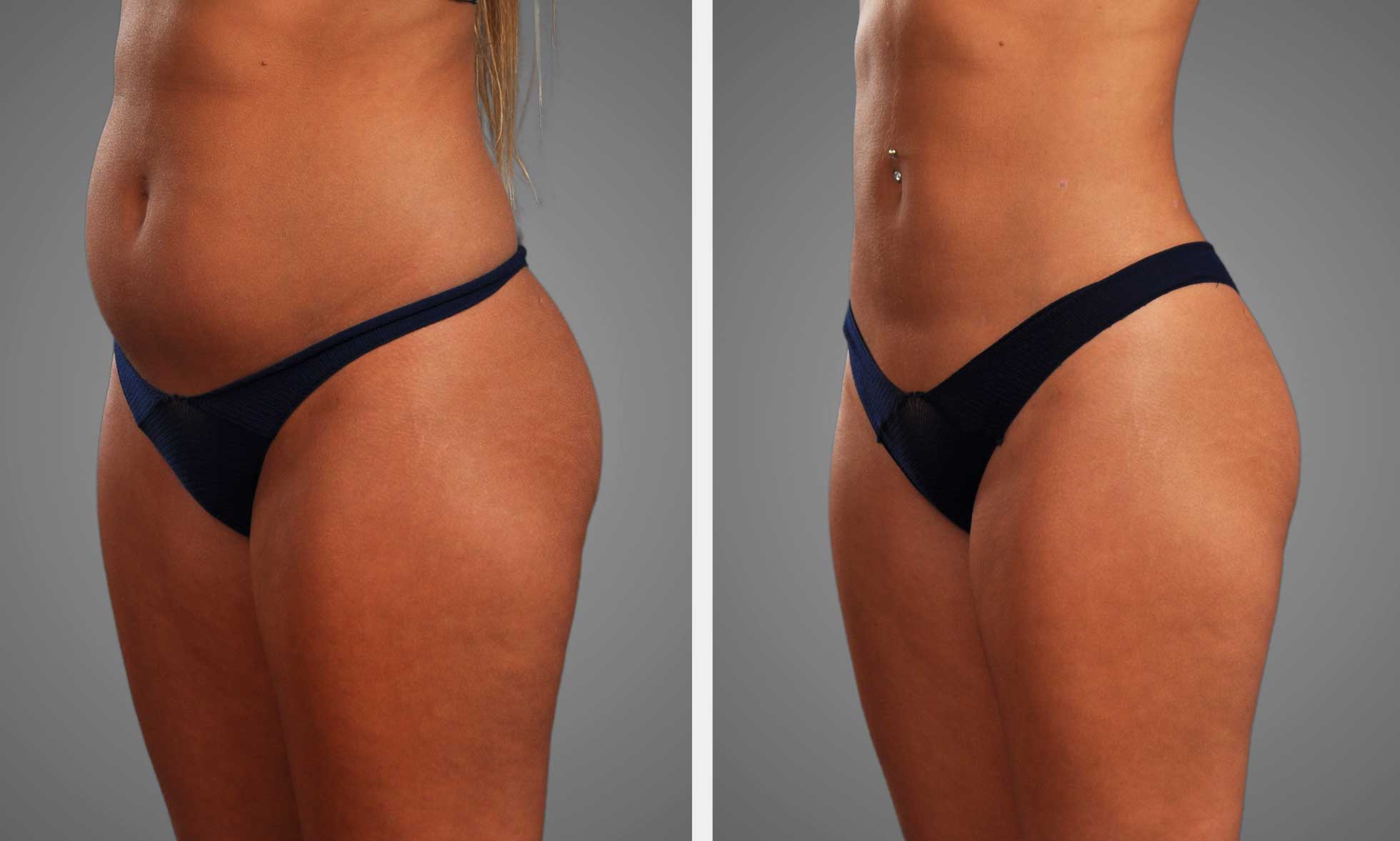
Liposuction for post-menopause body is a surgical solution to banish hard-to-lose fat and resculpt areas impacted by hormonal changes. Many women experience fat gain in these areas following menopause and come looking for focused fixes.
Liposuction for body that changed after menopause can deliver dramatic, measurable contour changes and quicker recoveries compared with more invasive procedures. Consultation with a board-certified surgeon will clarify suitability, risks, and expected outcomes for your specific case.
Menopause Body Shift
Menopause comes with a batch of biological shifts that alter the body’s fat-storing and its responsiveness to both activity and diet. Reduced estrogen is central: lower estrogen shifts fat from the hips and thighs toward the abdomen. This shift in body composition makes it easier to gain weight around the midsection and results in a more rigid, visceral belly fat that you cannot lose as easily with the same diet and exercise regimen that previously worked.
Liposuction can eliminate local fat accumulations, but the hormonal environment that promotes abdominal storage will impact the results over time if it isn’t treated along with the procedure. Hormonal shifts alter appetite and energy utilization. Ghrelin, the hunger hormone, and leptin, which signals satiety, can get a bit out of whack. Others find themselves hungrier more often and less satisfied with meals, resulting in unconscious overeating.
Metabolic rate slows with age and with the hormonal shifts of menopause. The same calories can lead to weight gain. This mix of increased hunger cues and decreased calorie expenditure renders post-menopausal fat retention particularly persistent.
Common menopausal body changes:
- Increased abdominal fat and a rounder waistline.
- Loss of hip and thigh fat volume and tone.
- Thinning skin and reduced skin elasticity over fatty areas.
- Declines in muscle mass and strength cause a lower resting metabolic rate.
- Increased cellulite-prone areas occur as fat pads shift and skin loses resilience.
- Weight that returns more quickly after short-term loss.
- Body shape changes affect clothing and posture.
Menopause body shifts, slower metabolism and appetite shifts impact how to plan for liposuction and aftercare. Liposuction is a contouring tool, not a cure for metabolic change. If metabolism is slower, tinier surpluses can cancel out surgical fat removal.
Good candidates for liposuction post-menopause are those who know these boundaries, maintain a stable weight, and pair surgery with a plan to support metabolism. This includes strength training to maintain lean mass, sufficient protein measured in grams per day rather than by hand, and consistent sleep to regulate ghrelin and leptin.
Psychological effects are as important as physical. With clothes not fitting the same, many women feel out of control and unhappy with their shifting shape or have diminished self-esteem. These feelings fuel quick fixes like extreme diets, which exacerbate metabolic slowdown.
If you prepare mentally before surgery, set realistic goals, and work with a clinician who focuses on body image and long-term habits, you may end up happier.
Liposuction Candidacy
After menopause, liposuction can address stubborn, localized fat deposits that are resistant to diet and exercise. The following segments detail the key elements that clinicians and patients should consider prior to moving forward.
1. Skin Quality
Evaluate skin elasticity as poorly retracting skin can sag following fat removal. Examine for stretch marks, fine lines, deep wrinkles, and past weight gain or loss to estimate how skin may behave. Menopause diminishes collagen and elastin in subtle or marked fashion, usually depending on genetics, sun exposure, and smoking history.
If skin laxity is mild, liposuction can still provide excellent contouring, but where skin excess is significant, consider a combined surgery like a mini or full body lift to excise the loose tissue and sculpt the region.
Create a simple checklist: look for pinch test results, presence of stretch marks, degree of wrinkling, prior abdominal surgeries, and any rapid past weight shifts. Take photos and measure at rest and when standing. Talk about non-surgical supports as well. Skin-tightening devices or topical regimens can assist somewhat but rarely substitute excision when laxity is significant.
2. Fat Type
Distinguishing between subcutaneous and visceral fat is crucial. Liposuction eliminates subcutaneous fat under the skin but cannot address visceral fat surrounding organs. Menopausal fat frequently redistributes itself to the abdominal region and a majority of that is subcutaneous, making it a reasonable candidate for liposuction in numerous instances.
Identify stubborn fat zones: abdomen, flanks, inner and outer thighs, bra line to strategize treatment areas and approximate volume. Understanding fat type informs goals: removing subcutaneous deposits improves shape and clothing fit but does not change metabolic risk tied to visceral fat.
Employ simple imaging or physical exam markers to gauge visceral fat when necessary, and articulate plainly that health advantages are scant if visceral fat is prevalent.
3. Health Status
Candidates need stable medical conditions: controlled blood sugar, managed blood pressure, and no active cardiac disease. Any condition that elevates surgical risk such as osteoporosis with brittle bones, active heart disease, or uncontrolled diabetes or metabolic syndrome should be noted.
Document current BMI and other anthropometric information, as safe extraction volumes are related to body size and overall health. Check medications such as hormone replacement therapy for interactions with anesthesia, risk of bleeding, or wound healing.
Pre-op lab tests and clearance from your primary care or specialists may be needed.
4. Realistic Goals
Think specific, quantifiable goals aimed at contour change, not huge weight loss. Look for targeted thinning; you look leaner in the waist or thinner in the hips or thighs, not a total body transformation.
Try a scale or questionnaire to rate target areas and satisfaction before and after. Be clear that liposuction is cosmetic. It’s not going to address hormone-related causes of fat redistribution.
5. Lifestyle Habits
Great nutrition, daily activity, and strength training promote sustainable results. Track your daily habits, such as sitting time, meal habits, and protein consumption, to identify holes.
Resistance training maintains muscle mass and metabolic rate, which in turn makes it easier to keep fat off. Develop a lifelong maintenance plan that includes nutritionally balanced meals, a weekly exercise commitment, and check-ins to keep your body composition in check after the procedure.
The Procedure
Liposuction targets postmenopausal body areas that have transformed by detaching and suctioning fatty deposits and contouring the residual tissues. The surgeon then preliminarily marks target areas such as the abdomen, flanks, hips, inner thighs, and bra-line where postmenopausal fat tends to collect.
Small incisions allow the surgeon to introduce a slim cannula. Fat emulsification occurs when the surgeon applies action — manual reciprocating, power-assisted, ultrasonic or laser — to turn fat cells into an easier-to-extract consistency. Emulsified fat is subsequently aspirated via the cannula to a collection system.
The surgeon works in layers and angles to even the underlying tissue and prevent surface irregularities, stopping periodically to compare both sides and adjust contouring. For a menopausal body, skin laxity and fibrous pattern is the focus, so smoothing with limited undermining may be used to minimize the risk of dimpling.
Type of anesthesia impacts comfort, safety, and recovery. You can do it under local anesthesia with sedation for smaller areas, tumescent where a dilute local solution is infiltrated into the tissue to help reduce bleeding, or general anesthesia for larger or combined procedures.
The surgeon and anesthesiologist evaluate your overall health, medications, and cardiovascular risk, which can vary with age and menopause. Average time is one to four hours depending on treated areas and fat grafting. Menopausal patients tend to need a slightly longer timeline for recovery than younger patients.
Anticipate 48 to 72 hours of serious soreness, with a slow return to light activities within a week. Most return to regular, non-strenuous work within seven to fourteen days, but full healing and final contouring results can take three to six months as swelling subsides and tissues settle.
Typical side effects are edema, hematoma, pain, and temporary numbness or dysesthesia surrounding incisions. Mild fluid drainage and skin tingling are typical in the initial weeks. More lasting alterations in sensation may take months to dissipate.
Less common risks are infection, contour irregularity, seroma, and in rare cases, deeper clots. Since menopausal patients’ skin can be thin or less elastic, the risk of surface irregularity or loose skin post fat removal is increased. Surgeons might suggest supplementary skin-tightening treatments or staged procedures.
Excess fat removed is purified and used for fat grafting to other areas. Fat grafting to the breasts or lateral chest wall can replace volume lost with menopause, smooth out transitions between the chest and axilla, or reshape the lateral breasts.
You process the aspirate, then micro-inject fat in target zones. Fat transfer adds time and necessitates selective patients, as not all transplanted fat survives. Retention averages between 40 and 70 percent.
Beyond Liposuction
Menopause makeovers are full-fledged plans that combine liposuction with other surgical and non-surgical measures to target the spectrum of changes that take place after menopause. These changes tend to be fat redistribution, skin laxity, loss of breast volume, and shape changes driven by low estrogen.
A menopause makeover considers each change and selects procedures that complement each other to reestablish proportion, enhance skin quality, and address the patient’s objectives with regard for health restrictions and recovery requirements.
Complementary Treatments
Surgical procedures commonly stacked on top of liposuction include breast lift (mastopexy) to address sag and recontour the chest, tummy tuck (abdominoplasty) or lower body lift to clear extra skin following weight fluctuations, and thigh/arm lifts to cinch loose skin where liposuction alone would result in folds.
Skin tightening with radiofrequency or ultrasound can be added to increase collagen and tighten mild to moderate laxity, with no new incisions. Non-invasive and medical methods assist as well. Hormone therapy, prescribed and overseen by an endocrinologist or gynecologist, can minimize some menopausal fatty transformations and enhance skin quality, which may alter surgical planning.
On the far side of liposuction, non-surgical fat-reduction options like cryolipolysis (fat freezing) or injectable deoxycholic acid can address small pockets of fat with less downtime than surgery. Energy-based devices, such as radiofrequency and HIFU, tighten skin and shrink small pockets of fat. If you combine these with liposuction, it can minimize how much tissue removal is required and contour it.
Here’s a quick table comparing the usual suspects and how well they work for typical menopausal concerns.
| Body Concern | Procedure | Typical Effectiveness |
|---|---|---|
| Localized fat (abdomen, flanks) | Liposuction | High for volume reduction and contour |
| Generalized skin laxity | Body lift or abdominoplasty | High for removing excess skin |
| Mild to moderate laxity | Radiofrequency or ultrasound tightening | Moderate, best for early laxity |
| Small fat pockets | Cryolipolysis (fat freezing) | Moderate, non-surgical option |
| Sagging breasts | Breast lift (mastopexy) | High for shape and position |
| Fat under chin | Injectable fat dissolvers | Moderate for small areas |
| Hormone-related changes | Hormone therapy | Variable; can improve skin and fat distribution |
More than Liposuction
A custom menopause makeover journey balances medical history, wellness, and aesthetic goals. Preoperative evaluation includes metabolic and bone health screening, medication review, and risk discussion such as slower healing or fat redistribution.
Planning often stages procedures. Start with liposuction and minimally invasive steps, allow recovery, then reassess the need for lifts or skin excision. For patients who want minimal downtime, pair liposuction with non-surgical tightening and pinpoint fat melting.
Examples: A patient with new central fat and mild skin sag may undergo liposuction and radiofrequency. One with significant skin redundancy after weight fluctuation may have staged liposuction followed by a body lift. Shared decision-making and realistic goals are key.
Hormonal Influence
Menopause delivers significant hormonal changes that alter where and how the body stores fat. Declining estrogen and progesterone reduce the signal that once helped keep fat on the hips and thighs. As those ovarian hormones drop, fat tends to shift toward the belly. This shift isn’t merely aesthetic. Visceral fat around your organs increases, and that fat comes with greater metabolic and cardiovascular risk.
For liposuction readers, that means your target zones, anticipated results, and maintenance plan should accommodate a body now more inclined to store fat centrally. Cortisol and insulin play off the menopausal changes to amplify abdominal fat gain. Chronic stress elevates cortisol, which creates belly-storing fat and makes it more difficult to lose weight.
Insulin resistance tends to increase with age and weight, and even slight insulin elevation causes the body to switch toward storing calories as fat instead of burning them. Both hormones act on low estrogen to cultivate a “menopause belly” that seems resistant to diet and exercise. Clinicians tend to screen fasting glucose, HbA1c, and occasionally a basic metabolic panel prior to elective body-contouring surgeries to evaluate these risks.
Hormonal swings impact appetite, activity, and caloric requirements. Lower estrogen can lower resting energy expenditure and alter hunger cues, leading people to eat more without realizing it. It’s a vicious cycle because progesterone loss disrupts sleep, and sleep disruption further increases cravings and lowers activity during the day.
These changes imply that typical calorie targets employed pre-menopause may no longer align with requirements at the moment. For someone planning liposuction, this matters: surgical fat removal does not stop hormonal drivers that can shift remaining fat or cause new accumulation.
Actionable, hormone-savvy tips to regulate weight and optimize surgery include starting with a focus on insulin sensitivity: prioritize protein at each meal, include fiber-rich vegetables, and limit refined carbohydrates. Regular resistance training maintains muscle mass and increases resting metabolic rate. Aim for two to three strength sessions per week along with moderate aerobic activity.
Stress reduction decreases cortisol. Simple daily breathing exercises, regular sleep habits, and pragmatic workload adjustments are all good options. If lab tests indicate substantial insulin resistance or other hormone concerns, discuss medical approaches with a clinician. Consider metformin or targeted hormone therapy, being aware of the benefits and tradeoffs.
If you’re considering liposuction, incorporate lifestyle and medical strategies into your care plan so that results stick. Surgeons and patients need to establish realistic goals, maintenance steps, and follow-ups which monitor metabolic health in addition to contour outcomes.
Long-Term Outlook
Liposuction can sculpt those areas that shifted post-menopause, but long-term results are contingent on post-surgical efforts. The menopause skin and fat drape pattern is a direct manifestation of shifting hormones, slower metabolism, and body composition. Liposuction may eliminate fat pockets, but it does not halt any of the hormonal changes or age-related muscle loss that are still occurring.
Anticipate the treated zones to appear sleeker and more compact when weight remains consistent and to shift once more if weight shifts or muscle atrophy occurs.
Maintaining healthy lifestyle choices
A consistent, balanced diet and exercise are key to maintaining liposuction results. Opt for a meat-centric diet to preserve muscle mass, pack in the micronutrients with fruits and vegetables, and avoid the fat promoting garbage of highly processed foods and too much sugar.

Exercise should include resistance training two to three times per week to maintain or reconstruct lean mass along with one hundred fifty minutes per week of moderate aerobic work for cardiovascular and metabolic health. Examples include bodyweight squats and resistance-band rows twice weekly, plus brisk walking or cycling.
Mealtime planning, ten thousand steps, and three resistance sessions a week are essential. Small habits are better than large sporadic ones.
Avoiding liposuction as a weight-management strategy
Liposuction is not intended for generalized obesity or menopause metabolic changes. It eliminates localized subcutaneous fat, not visceral fat associated with diabetes and heart disease.
Depending on surgery instead of addressing diet, activity, sleep, and stress invites multiple surgeries and health shortfalls. For bigger weight loss requirements, mix behavioral tactics with medical assistance when necessary.
Examples include consulting a primary care physician about weight-related risks or a registered dietitian for tailored meal plans, rather than seeking multiple rounds of fat removal.
Ongoing health monitoring
Routine monitoring of body composition, bone density, and metabolic markers provides a comprehensive view of postmenopausal health. Body composition scans or even simple waist measurements monitor fat and muscle changes.
Bone density (DEXA) tests every few years catch osteoporosis risk post-menopause. Blood tests for fasting glucose, lipid profile, and thyroid function indicate metabolic tendencies influencing weight and fat distribution.
Discuss surgical history with your primary clinician so any changes in fat patterning post-liposuction are framed in context.
Psychological outcomes and realistic expectations
With reasonable expectations, a lot of people say they feel better about their body and more satisfied. Good preoperative counseling about limits, what liposuction can and cannot change, decreases regret.
Psychological improvements are best when surgery combines with lifestyle strategies and a social support system. For example, your clothes fitting better, feeling more comfortable exercising in public, or being less anxious about your body.
Follow up with mental health as well and get counseling if body image issues are still a problem.
Conclusion
Liposuction works great for those whose bodies shifted after menopause. It whittles away those stubborn fatty pockets and contours body parts that diet and exercise can’t. Results appear best in those with good skin tone and stable body weight. It usually requires a couple of weeks to recover. Scars remain small and continue to fade over time. Pair the procedure with hormone care, frequent activity, and a healthy diet for more lasting results. A sleep plan and stress cutback assist as well. Consult a board-certified surgeon who understands postmenopausal requirements. Query risks, what is realistic to achieve, and follow-up. Schedule a consultation to discuss your options and develop a plan that suits your health, goals, and lifestyle.
Frequently Asked Questions
Is liposuction effective for fat gained after menopause?
Liposuction eliminates stubborn fat deposits. It does not address weight due to global metabolic shifts. It is best for stubborn deposits like the abdomen, flanks, or inner thighs post-menopause.
Am I a good candidate for liposuction after menopause?
You could be a candidate if you’re healthy, close to your ideal weight, and have firm skin. A board-certified plastic surgeon will evaluate your medical history and expectations.
Will liposuction fix loose or sagging skin caused by menopause?
Liposuction eliminates fat but doesn’t firm up really droopy skin. You might require skin-tightening treatments or a surgical lift for dramatic excess skin.
How does menopause-related hormone change affect liposuction results?
Hormonal fluctuations alter fat distribution and metabolism. Liposuction results are immediate for removed fat. Future weight gain can change long-term appearance. Stay healthy to maintain results.
What are the common risks or side effects for postmenopausal patients?
Other risks include infection, bleeding, contour irregularities and slower healing. Postmenopausal patients tend to have more fragile skin. They should heed pre- and post-op medical instructions carefully.
How long is recovery after liposuction at this age?
Most resume light activity within a few days and normal activity within 2 to 4 weeks. Complete swelling can take months to dissipate. Stick to your surgeon’s recovery regimen for optimum results.
Can lifestyle changes help maintain results after liposuction?
Yes. Consistent exercise, good nutrition, weight control, and hormone care when recommended support results. These habits minimize the risk of new fat gain in treated or untreated areas.