Directions
 Call Us
 Email Us



Key Takeaways
-
Traditional liposuction uses larger incisions and a vacuum pump to remove fat. VASER liposuction utilizes ultrasound energy to break apart fat cells and usually causes less bruising and quicker recovery.
-
VASER lipo typically delivers more accurate body contouring, smoother outcomes, and superior skin retightening than traditional liposuction.
-
Determining which technique is appropriate comes down to your individual goals, the areas to be treated, your skin’s elasticity, and consultation with a qualified surgeon.
-
Both carry risks, but VASER typically has fewer complications because it is minimally invasive with small incisions.
-
Price is what you pay, value is what you get, and value should factor in not only upfront cost but long term benefits and the quality of results and recovery.
-
Read beyond the marketing, review your surgeons’ credentials and previous results, and factor in mental preparation and lifestyle changes to be satisfied with lipo in the long run.
Vaser lipo employs ultrasound waves to disperse fat cells, whereas traditional lipo depends on manual suction. Both can sculpt the body, but they function differently.
Each method has its own advantages and disadvantages, from recovery time to results. To assist with your decision, this guide explains how each method works and what to anticipate.
Understanding Liposuction
Liposuction is a cosmetic surgery invented in the 1970s to eliminate hard-to-lose fat from various areas on the body. Over the decades, the technique has evolved, providing patients with more options and superior outcomes. These advances enable surgeons to sculpt fat in locations such as the abdomen, thighs, arms, back, and chin, creating body contours and symmetry for both men and women.
With over 211,000 procedures carried out in 2020, liposuction continues to be one of the most sought-after cosmetic surgeries in the world.
Key advancements in liposuction technology include:
-
Smaller incisions for less noticeable scarring
-
Use of tumescent fluid to lower bleeding and pain
-
Ultrasound-assisted fat removal (VASER) for more precise targeting
-
Shorter downtime and less bruising for faster recovery
-
Improved safety features, reducing the risk of complications
Selecting the right liposuction method is key in achieving a patient’s body shaping objectives. Each has its own advantages and disadvantages, depending on the location, the volume of fat to be removed and your personal health profile.
Educating yourself about the distinctions between traditional and VASER liposuction enables patients and physicians to make well-informed decisions on how to best balance results with safety.
The Traditional Technique
Conventional liposuction is a trusted technique. This method involves bigger cuts and a surgical vacuum pump. Once you’re numbed, your surgeon injects tumescent fluid. This fluid aids in fat disruption, restricts blood loss and facilitates fat suction through a hollow tube known as a cannula.
Typical treatment areas are the tummy, thighs, and arms. It’s a fat removal procedure for medium to larger sized deposits and provides consistent outcomes. It’s the basis for all the newer methods.
Recovery is generally one week with patients wearing a compression garment for a few weeks to assist in managing swelling. Complications may consist of bruising, swelling, irregular contours or infection.
Final results are evident after about two months when the swelling subsides.
The VASER Technique
There’s VASER liposuction, a younger technique that employs ultrasound waves to melt fat prior to extraction. The surgeon introduces a fine probe that projects sound waves that dislodge fat cells from tissues. This step allows for easier fat removal with less pressure.
The major advantage here is that VASER attacks fat without damaging the nerves and blood vessels. This results in less bruising, less swelling, and a faster recovery than conventional techniques.
Patients return to work in a week, and smaller incisions mean less scarring. VASER performs well in scarred or fibrous fat areas, such as the back or male chest, and can be used for more detailed body contouring.
It can bring out the muscles, for men a more chiseled V-shape or six pack, and for women a more defined waist.
The Core Comparison
The table below offers a side-by-side look at their main differences:
|
Feature |
Traditional Liposuction |
VASER Liposuction |
|---|---|---|
|
Technique |
Physical suction with cannula |
Ultrasound energy to emulsify fat |
|
Recovery Time |
1–2 weeks |
3–7 days |
|
Skin Tightening |
Limited |
Improved, supports collagen |
|
Final Results |
Good for bulk fat removal |
High precision, muscle contouring |
1. The Mechanism
Conventional liposuction involves using a narrow, hollow tube called a cannula to disrupt and suction fat from beneath the skin. This method can be aggressive.
VASER, on the other hand, employs ultrasound energy to carefully dislodge fat cells from the surrounding tissue prior to extraction. The ultrasound is delivered via a 5-ring probe, which assists in fracturing fat apart with minimal injury to other tissues.
That translates to reduced pain and swelling both during and after surgery. These differing approaches influence the degree of tissue disruption, with VASER generally being less traumatic and thus a smoother process for the patient.
2. The Precision
VASER liposuction is renowned for its precise targeting of fat. With its ultrasound technology, it can sculpt the abdomen or arms with greater ease, leading to more apparent muscle definition and more chiseled body lines.
Standard liposuction is great for larger volumes but can miss the fine detail required for shaping smaller features. Because VASER is more precise, it frequently results in more satisfied patients, particularly those seeking a sculpted, athletic appearance.
This control can make a significant difference in the natural appearance of the results.
3. The Recovery
A normal downtime for conventional liposuction is one to two weeks. Patients can be sore, swollen, or bruised for a few days.
With VASER, most patients resume regular activities within three to seven days because the ultrasound technique is less strenuous on the body. Still, each approach requires thoughtful aftercare; obeying your surgeon is critical to recovering properly.
VASER’s gentler touch means less downtime, making it more of a ‘back to my life’ thing for those who want the least possible interruption.
4. The Skin Effect
Traditional liposuction is notorious for loose skin, particularly when excess fat is extracted. VASER tightens skin by stimulating collagen production, which can make skin appear firmer over time.
Over time, VASER tends to maintain better skin tone and elasticity. Results vary with skin condition pre-surgery. Younger patients or those with good skin elasticity experience the optimal results.
5. The Final Result
In general, traditional liposuction is great for disconnecting large fat deposits. It doesn’t always contour the body as seamlessly.
VASER is known for its natural-looking results and smooth blend from treated spots. The surgeon’s dexterity is always a significant consideration.
Patient reviews praise how VASER provides a more chiseled look, particularly for those seeking modest muscle tone.
Choosing Your Path
Deciding between VASER lipo and traditional liposuction requires consideration of factors related to your health, lifestyle, and objectives. Both techniques eliminate resistant fat, but each has its own advantages and disadvantages. A smart decision begins with knowing what you want, what you can realistically expect, and what the reality is with these methods.
Checklist: Factors to Consider
-
Personal Health Assessments: Check your overall health. Chronic illnesses like diabetes, heart disease, or poor healing may affect which method is safer.
-
Fat Volume and Area: Think about how much fat you want removed. Most surgeons advise against taking out more than 3 to 5 liters in one go, or approximately 4 to 5 percent of your body weight, to prevent potential health complications.
-
Skin Quality: Look at your skin’s elasticity. Good skin bounce-back can translate into smoother results, particularly with VASER.
-
Lifestyle Factors: Consider your habits. Consistent effort, consistent weight, and reasonable expectations encourage sustainable results.
-
Expectations and Recovery: Be honest with yourself about what’s possible. Swelling can persist for weeks, and final results can take three to four months to manifest. Compression garments assist, but time is your friend.
-
Surgeon Consultation: Always talk with a skilled surgeon. They can steer you in the right direction based on your objectives, body type, and medical background.
Who Suits Traditional?
Traditional liposuction is most effective for people with sizable, deep fat deposits. If you want to eliminate large volumes of fat in a single session, this could be a better approach than VASER. The technique utilizes anesthesia and a small incision, allowing surgeons to address large regions such as the abdomen, thighs, or back.
For those seeking a more dramatic cut in one sitting, particularly in stubborn fat areas, old-school lipo tends to be the answer. Health and lifestyle count too. Candidates should be healthy, non-smokers with no healing-compromising conditions. Old-school lipo isn’t a tool for weight loss; it’s for body sculpting in patients at or near their ideal weight.
Recovery may include bruising and swelling, but the majority of individuals are able to resume light daily activity within a day or two. Compression lasts four to six weeks to help healing and shaping. This technique can target particular areas such as the flanks or arms. Others utilize it post-significant weight loss to dial in shape. Final results emerge over months as swelling subsides and skin tightens naturally.
Who Suits VASER?
|
Characteristic |
Description |
|---|---|
|
Good Skin Elasticity |
Best for those whose skin snaps back well after fat removal |
|
Moderate to Small Fat Deposits |
Ideal for targeted sculpting, not bulk removal |
|
Need for Quick Recovery |
Suitable for people wanting minimal downtime |
|
Fibrous Fat Areas |
Works well on back, male chest, or other tough, dense fat zones |
|
Desire for Defined Contours |
Great for those seeking enhanced body definition and smooth results |
VASER lipo shines for patients with fibrous fat or those who need specific sculpting. It employs ultrasound to disrupt fat, allowing it to be suctioned away more easily and minimizing damage to adjacent tissue. This results in less bruising and swelling than traditional techniques.
Patients frequently return to work and even exercise within 24 to 48 hours. If you have nice skin elasticity and desire sleek, defined lines, think sharper abs or a chiseled waist. VASER could be your jam. It’s handy for post-liposuction touch-up work.
Still, a comprehensive consultation aids goal-setting and checks whether your health, fat type, and expectations align with what VASER can provide.
Safety and Risks
Both VASER liposuction and conventional liposuction are invasive surgical procedures to remove undesired fat. Each has its own safety profile and risks. The key distinction is how each technique acts on the fat and how the body responds to the treatment. Understanding the safety points and risks allows folks to make choices that best suit their needs.
-
Traditional liposuction may cause more bleeding and bruising.
-
VASER liposuction has less risk of damage to surrounding tissues.
-
Both can cause swelling, bruising, or soreness post-treatment.
-
Infection, scarring, and uneven skin can occur with either.
-
Traditional liposuction often means a longer recovery time.
-
VASER isn’t appropriate for everyone, including high BMI patients.
-
Both need a skilled surgeon to keep risks low.
-
Compression garments post-op on both sides aid in reducing swelling and promoting recovery.
Conventional liposuction employs a cannula to vacuum fat. This technique frequently requires additional power. When the surgeon presses or pulls, it may cause additional bleeding and trauma around the fat. Patients can get bigger bruises and it might hurt more.
Your body requires a longer duration for healing in this case, which translates to more time away from employment and everyday activities. For instance, an office worker might require as much as two weeks off. Sometimes the region becomes scarred or the skin is tented. Scarring is uncommon but can occur. The risk of infection is always present, as with any surgery.
VASER liposuction utilizes sound waves to liquefy fat prior to extraction. This step softens the fat, so the surgeon can work with less strain. Bleeding risk decreases because the proximity to blood vessels and nerves adjacent to fat remains safer. Most experience less pain and bruising.
The swelling still occurs, but it usually recedes more quickly. They can return to work in approximately one week. VASER is not ideal for people with a high BMI or coarse, fibrous tissue. It is more time-consuming in the operating room. As with the traditional approach, infection and scarring remain possibilities.
Either way, small footsteps have a way to reduce the risk of defects. Compressing garments for several weeks is key. It keeps swelling down and makes the skin fit better. Choosing a competent surgeon is equally crucial. A quality physician reduces the chances of any significant complications.
Post-procedure, nothing helps you heal well and achieve the desired results better than following the doctor’s instructions. Folks should definitely discuss all their questions and fears with their surgeon and choose what’s best for their own body.
The Financial Aspect
Money is a big factor when considering VASER lipo vs. Traditional liposuction. Both techniques do the job for fat extraction, but the sticker price, return on investment, and longevity of effects can seem worlds apart. VASER liposuction usually costs around 15 to 30 percent more than the conventional method.
For instance, one zone of traditional liposuction in London is approximately £3,500 to £6,000 and VASER is typically £4,000 to £8,000 for the same zone. The premium is in the innovative technology and expertise required for VASER, but some patients consider it money well spent, particularly if they want enhanced sculpting or require treatment in challenging, fibrous areas.
The initial cost only paints half the picture. VASER lipo typically translates to a quicker recovery, reducing work absences and eliminating the need for prolonged aftercare. That can balance out the higher front end cost. VASER results can be more precise, providing a more chiseled appearance.

For individuals pursuing a chiseled or athletic contour or simply looking to target stubborn spots, this accuracy can translate to less touch-up treatments down the line, which is cost-effective. When considering the investment, it’s clever to see beyond just the initial invoice. It’s the results and the recovery experience that provide real value.
Traditional liposuction can still be the right fit for many, particularly if cost is the primary concern or the desired changes are simpler. For those seeking high-level definition or dealing with more sensitive regions, VASER’s premium price may well be offset by superior results and reduced downtime.
Pricing varies depending on where the procedure occurs, the surgeon’s expertise, and your specific requirements. They’re worth discussing with a professional. A good surgeon can tailor what each method would look like for your body and budget, painting you a comprehensive portrait before you commit.
-
Just list your objectives. Are you looking for broad fat removal or precision sculpting?
-
Request a complete cost, including aftercare and potential follow-up.
-
Think about how much time you can be out of work to recover.
-
Weigh upfront expenses against anticipated long-term outcomes and potential savings.
-
See if the clinic provides plans or financing for the cosmetic procedures.
Beyond The Brochure
Going deeper than slick magazine spreads and shining clinic websites uncovers the truth about liposuction, from old-school to VASER. Liposuction, with more than 211,000 procedures conducted in 2020, is the third most popular cosmetic surgery globally. Not all procedures are created equal. Results are about a lot more than the technology.
Patients should consider surgeon expertise, psychological preparedness, and long-term goals prior to opting in. Reviews and testimonials provide a transparent view of contentment, and a meeting with a board-certified surgeon is still required to establish achievable objectives.
Surgeon Skill
The surgeon is, after all, the centerpiece of any successful liposuction. What experience determines is how safely and effectively fat can be removed, whether through conventional methods or VASER’s ultrasound-assisted approach. An operator who has done hundreds of cases can often navigate complexity, minimize risk, and customize the procedure to each patient’s body.
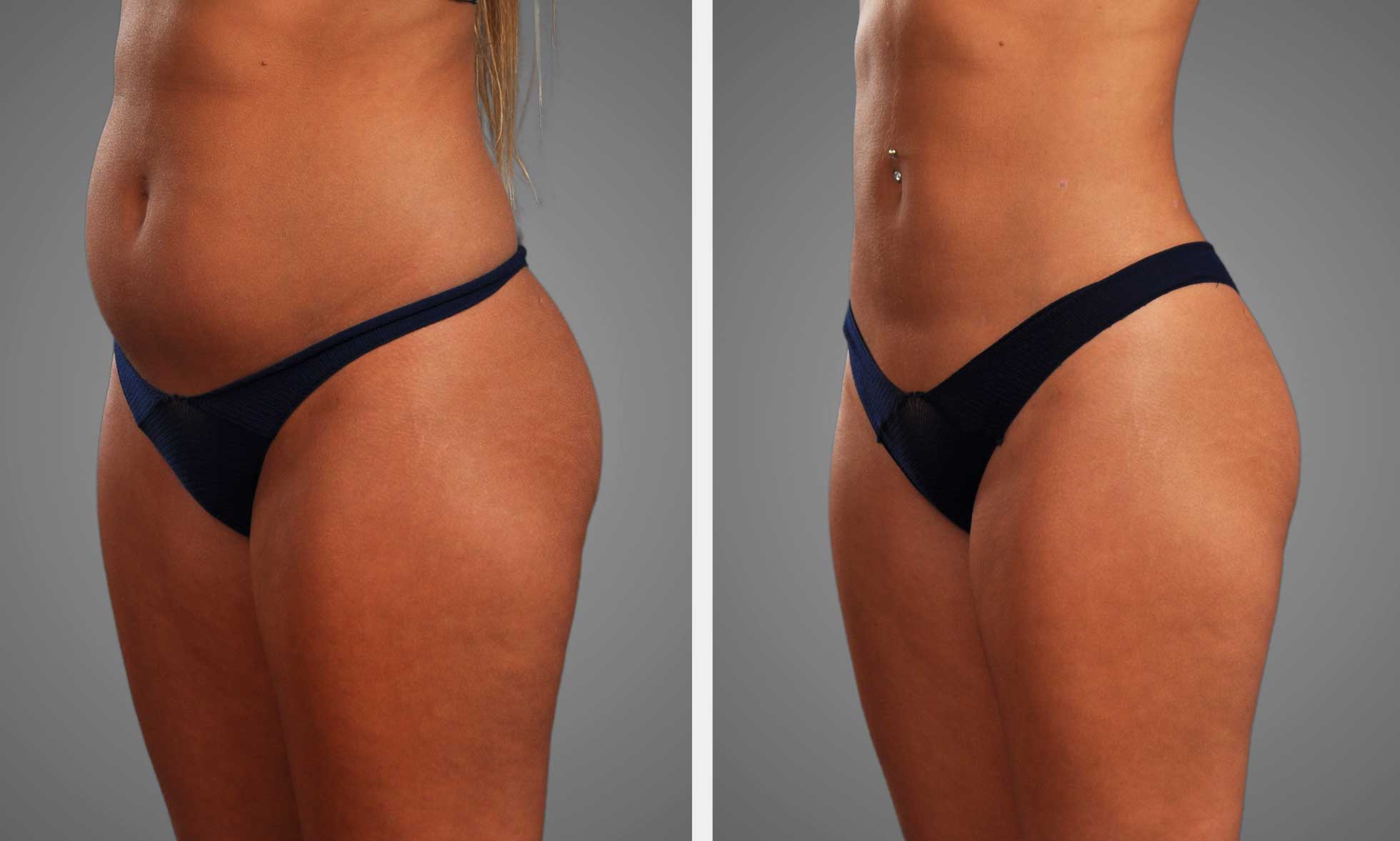
Patients should ALWAYS request to view a portfolio of before-and-afters, NOT stock photos. These instances can demonstrate the surgeon’s breadth and reliability. Inquire how frequently they perform each procedure and their rates of complications.
Straight, transparent discussion about objectives, worries, and what’s achievable establishes a foundation for expectations and trust. No technology can substitute for surgical skill.
Patient Psychology
Liposuction is about more than just the body. Motivation counts, be it to transform a stubborn post-weight loss area, gear up for another surgery, or simply improve self-esteem. They have to be honest with themselves about why they want the change and if their expectations align with what’s realistic.
Mental readiness is as important as physical readiness. Patients need to discuss their hopes and apprehensions with their surgeon, not just check off a box. This can assist in identifying unrealistic objectives.
If someone anticipates lipo to solve deeper self-esteem issues or serve as a weight loss method, they may be disappointed. Body image and self-esteem affect satisfaction with results. Open, honest discussions about these worries can lead to smarter decisions and happier results.
Future-Proofing
Thinking long term is the key. Liposuction may sculpt areas, but it isn’t a lifestyle replacement. Diet and exercise, regardless of the approach, are still key to maintaining results. Things like pregnancy or weight gain can impact results and sometimes require additional procedures.
Patients should be proactive and inquire regarding upkeep. Others may require touch-ups or additional treatments to meet their objectives. Knowing this helps establish a realistic plan, start to finish.
Conclusion
Vaser lipo and classic lipo both sculpt the body and remove fat. Vaser lipo uses sound waves to disrupt fat. Classic lipo uses suction alone. Both work for a lot of people, but each has a different procedure, price, and recovery. The majority of patients experience excellent outcomes with Vaser, while a few opt for good old-fashioned lipo because it boasts the longest history. Choosing the right one requires defined objectives and candid conversations with a physician. Everybody’s body, health, and needs can change the plan. To reach a decision, discuss with a trusted expert who’s familiar with both approaches. Ask questions, consider the reality, and choose what fits best. Great details and transparent options empower you to achieve the look you desire with less uncertainty.
Frequently Asked Questions
What is the main difference between VASER lipo and traditional liposuction?
VASER lipo harnesses ultrasound to liquefy fat for less traumatic removal. Traditional liposuction uses suction manually, which is more invasive.
Is VASER lipo less painful than traditional liposuction?
VASER lipo is frequently less painful. The ultrasound energy breaks down fat, resulting in less damage to nearby tissues. Many patients experience faster recovery and less pain.
Which method has a faster recovery time?
VASER lipo has a faster recovery. For example, there’s less swelling and bruising, so most folks get back to their day-to-day lives sooner than with traditional liposuction.
Are the results from VASER lipo more precise?
Yes. VASER lipo enables more focused fat extraction, which means it is perfect for body sculpting and refining smaller zones with increased accuracy.
Is VASER lipo safe for everyone?
Not everyone qualifies. Candidates with specific medical issues or unreasonable objectives might be disqualified. Let a good doctor take a look at your case.
How do costs compare between VASER lipo and traditional liposuction?
VASER lipo can cost more because of cutting-edge technology and expert training. Prices differ by clinic, region, and area.
What risks are associated with both procedures?
Both techniques have potential complications like infection, bruising, and swelling. VASER lipo might mitigate a few risks with its less invasive techniques. All surgeries should be consulted with a certified professional.