Directions
 Call Us
 Email Us


Power-assisted liposuction has emerged as a significant advancement in the realm of cosmetic surgery, offering an innovative approach to fat removal. This method utilizes a specialized cannula equipped with a mechanized system that vibrates at high speeds, making the removal of fat more efficient compared to traditional techniques. It’s designed for precision and can lead to shorter recovery times, appealing to those seeking effective body contouring solutions. As technology progresses, power-assisted liposuction stands out for its ability to refine surgical outcomes and enhance patient satisfaction by targeting specific areas with minimal discomfort.
Understanding Body Contouring and Liposuction
Body Contouring Methods
Body contouring encompasses a range of procedures aimed at reshaping various areas of the body. This includes tummy tucks, body sculpting treatments, and more. Each method targets different needs but shares a common goal: enhancing overall appearance.
Liposuction stands out as a focused fat removal technique. Unlike general body contouring, liposuction specifically removes fat deposits that are hard to lose through diet and exercise alone. It’s ideal for tackling stubborn fat pockets in areas like the abdomen, thighs, and arms.
Power-Assisted Liposuction
Power-assisted liposuction (PAL) is an advanced form of standard liposuction. It uses a vibrating tool to break up fat cells before they’re removed from the body. This makes the procedure less invasive than traditional methods, reducing recovery time.
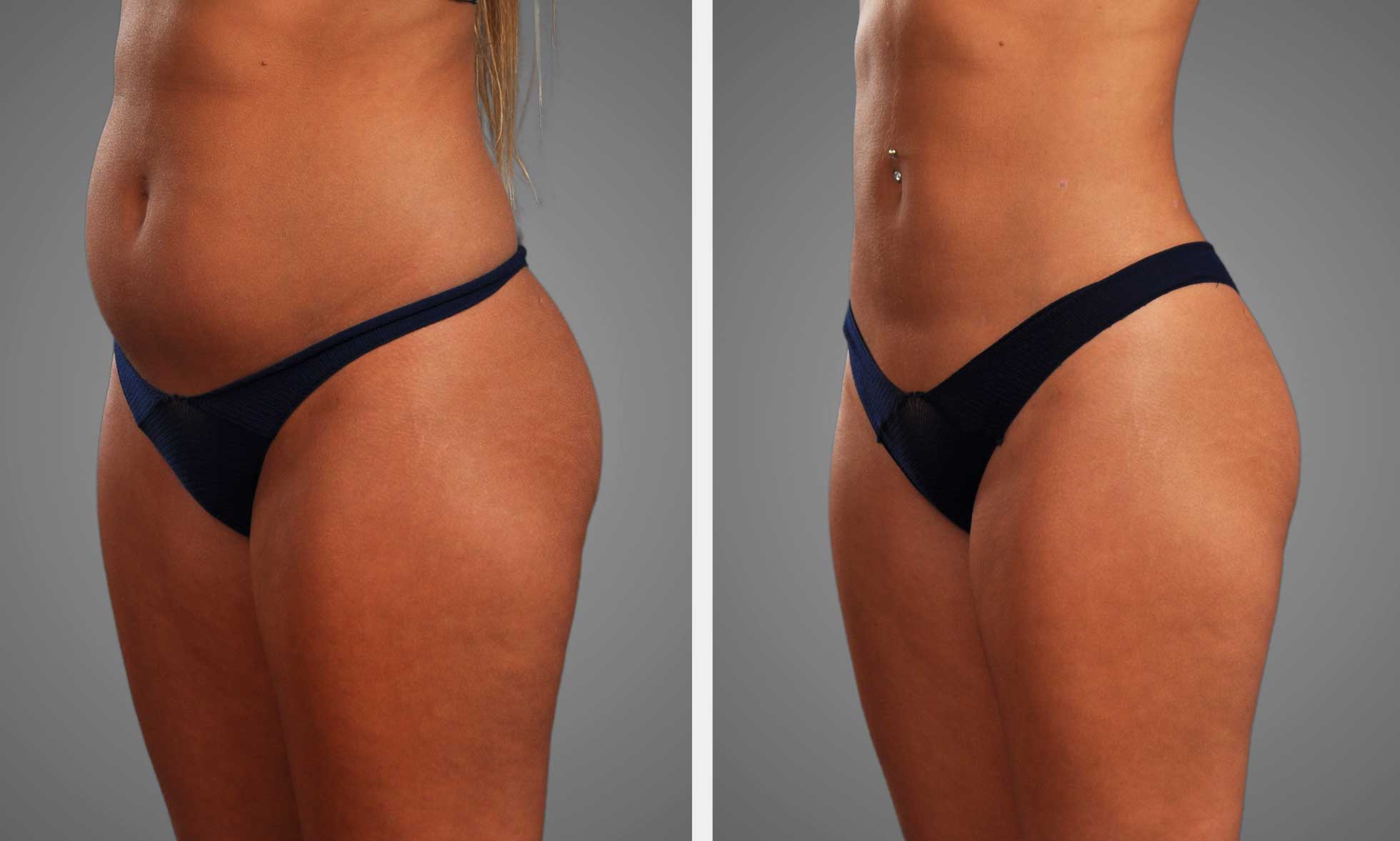
PAL liposuction is highly effective for achieving true contour medical results. By precisely targeting fat layers under the skin, it helps create more defined body contours without extensive surgery.
Candidacy Criteria
Not everyone is a suitable candidate for liposuction or PAL specifically. Ideal candidates should be close to their target weight but struggling with localized excess fat that doesn’t respond to lifestyle changes.
Factors such as skin elasticity also play a critical role in determining candidacy for these procedures since tighter skin tends to yield better results post-liposuction.
Understanding these distinctions between various body contouring methods and recognizing if one meets the criteria for liposuction can guide individuals towards making informed decisions about their aesthetic goals.
Power-Assisted Liposuction vs Traditional Techniques
Efficiency in Fat Removal
Power-assisted liposuction (PAL) has shown a higher efficiency in fat removal compared to traditional techniques. PAL uses a specialized cannula that vibrates at high speeds, breaking up fat cells more effectively. This allows for easier and quicker fat removal with less physical effort from the surgeon.
Traditional liposuction relies on manual movement of the cannula by the surgeon. It can be more time-consuming and may require more force to dislodge fat cells. The difference in efficiency is significant, making PAL a preferred choice for many practitioners.
Technological Advancements
The advancements in technology behind power-assisted liposuction have made it a game-changer in body contouring procedures. Unlike traditional methods, PAL incorporates devices that produce rapid vibrations. These vibrations assist in loosening fatty tissue which can then be removed with less trauma to surrounding areas.
This technological edge not only improves the effectiveness of the procedure but also reduces recovery times for patients. As medical technology continues to evolve, we can expect further improvements that will enhance outcomes and patient experiences even more.
Technique Differences
Power-assisted liposuction differs significantly from traditional techniques in both application and outcomes.
-
Application: PAL utilizes tumescent fluid and small incisions similar to traditional methods but adds an element of vibration that simplifies fat removal.
-
Outcomes: Patients often report less bruising and swelling post-PAL compared to those who undergo traditional liposuction procedures. This is likely due to the gentler nature of the technique.
Traditional techniques, while effective, lack this additional mechanism to ease fat extraction which can lead to longer recovery periods and increased discomfort for some patients.
Benefits of Power-Assisted Liposuction
Reduced Time
Power-assisted liposuction (PAL) significantly cuts down on procedure time. This benefit stems from the device’s ability to quickly break up fat. It makes the removal process faster and more efficient.
Patients spend less time under anesthesia, reducing related risks. Shorter procedures also mean more cases can be handled by clinics daily.
Surgeon Precision
Less physical strain on surgeons is another key advantage of PAL lipo. The technology provides better control during fat removal. This leads to higher precision in sculpting areas like arm lifts.
Surgeons report feeling less tired after using power-assisted devices. Their energy levels remain high throughout the day, ensuring consistent results for all patients.
Quicker Recovery
Patients experience quicker recovery with PAL lipo due to its gentler technique. Swelling and bruising typically subside faster compared to traditional methods.
-
Patient comfort is greatly enhanced.
-
Physical activity can resume sooner, promoting a healthier post-procedure lifestyle.
Recovery improvements directly translate into significant enhancements in patient satisfaction and long-term benefits.
Safety and Risks of Power-Assisted Liposuction
Common Side Effects
Power-assisted liposuction, while effective, comes with its own set of common side effects. Patients often experience swelling and bruising in the treated areas. These side effects are generally temporary. They tend to subside on their own within a few weeks post-surgery.
Swelling is the body’s natural response to surgery. Bruising happens due to the disruption of small blood vessels during the procedure. Both are common occurrences and should not cause alarm.

Serious Risks
Despite its benefits, power-assisted liposuction carries serious risks that cannot be overlooked. In rare cases, patients may face complications such as infections or adverse reactions to anesthesia. These issues can pose significant health threats if not addressed promptly.
Infections can occur at incision sites or within treated areas if proper care is not taken during recovery. An adverse reaction to anesthesia, although rare, could lead to severe respiratory or cardiac problems during surgery.
Choosing a Surgeon
To minimize these risks, selecting a qualified surgeon is crucial. A skilled professional will take all necessary precautions before, during, and after your procedure.
-
They ensure patient comfort levels are maintained.
-
They use sterile techniques to prevent infection.
-
They monitor you closely for any signs of complications.
A board-certified surgeon with extensive experience in power-assisted liposuction is more likely to predict potential risks and manage them effectively should they arise.
Recovery Process After Power-Assisted Liposuction
Typical Downtime
After a power-assisted liposuction, the recovery process is crucial. Most patients can return to normal activities within a few days. However, full recovery time varies.
It’s common for patients to take one to two weeks off work. This ensures proper healing. During this period, rest is key.
Post-Procedure Care
Optimal healing requires following post-procedure care practices closely. Wearing compression garments helps reduce swelling in treatment areas.
Patients should also attend follow-up appointments regularly. These check-ups monitor the recovery progress and address any concerns promptly.
Early Recovery Phase
Strenuous activities must be avoided during early recovery. This prevents complications and promotes faster recovery.
Light walking is encouraged though, as it boosts circulation and aids in healing.
Longevity and Permanence of Liposuction Results
Fat Cell Dynamics
After undergoing power-assisted liposuction, patients often wonder about the longevity of their results. It’s crucial to understand that the fat cells removed during the procedure do not come back. This fact is key to achieving remarkable improvements in body contouring.
However, it’s important for patients to know that while removed fat cells cannot regenerate, the remaining ones can expand. This means gaining a significant amount of weight post-surgery can affect the final outcome. Maintaining a stable weight is essential for preserving those incredible transformations long term.
Maintenance and Touch-ups
To ensure optimal results, sustaining a healthy lifestyle post-procedure plays a pivotal role. Achieving and maintaining a stable weight contributes significantly towards lasting outcomes. This commitment helps in safeguarding against future expansions of remaining fat cells.
In some instances, depending on lifestyle changes or natural aging processes, patients might seek touch-up procedures to refine their contours further or address new areas of stubborn fat. These additional sessions are aimed at enhancing precise results and helping achieve cosmetic goals more fully.
Understanding these aspects helps set realistic expectations regarding the permanence of liposuction effects and underscores the importance of patient involvement in maintaining their final results.
Cost Considerations for Power-Assisted Liposuction
Influencing Factors
The total cost of power-assisted liposuction can vary greatly. It depends on several factors.
First, the area treated plays a significant role. Treating larger areas or multiple areas increases the cost. Second, the surgeon’s expertise is crucial. More experienced surgeons typically charge more but offer better results and safety.
-
Area size: Larger areas cost more.
-
Number of areas: Multiple treatments add up.
-
Surgeon’s experience: Higher expertise equals higher fees.
These elements combined determine the base price of your procedure.
Additional Expenses
Budgeting for power-assisted liposuction requires considering extra costs too.
Post-surgery garments and medications are often necessary for recovery. They can add a noticeable amount to your budget. Also, consider any follow-up visits required after surgery.
-
Post-surgery garments
-
Medications
-
Follow-up consultations
It’s important to factor these into your overall expense plan to avoid surprises later on.
Price Comparisons
Consulting with multiple clinics is wise before deciding where to undergo power-assisted liposuction.
Each clinic offers different pricing structures based on their services’ quality and inclusivity. Comparing prices helps you find a balance between cost and value that suits your needs best.
Remember, cheaper doesn’t always mean better, especially regarding health procedures like liposuction.
Final Remarks
Power-assisted liposuction offers a refined approach to body contouring, distinguishing itself through efficiency and effectiveness. This technique, compared to traditional methods, presents numerous benefits including reduced recovery times and enhanced precision in fat removal. Safety, while paramount, requires thorough consultation to mitigate risks associated with the procedure. The longevity of results underscores the importance of maintaining a stable weight post-surgery to ensure lasting outcomes. Furthermore, cost considerations highlight the importance of viewing this surgery as an investment in one’s health and self-image.
Individuals considering power-assisted liposuction should engage with qualified professionals to discuss their specific needs and expectations. By doing so, they can make informed decisions about whether this innovative procedure aligns with their body contouring goals. Ultimately, power-assisted liposuction stands as a testament to advancements in cosmetic surgery, offering a path to enhanced self-confidence and well-being. Those interested are encouraged to seek further information and consultation.
Frequently Asked Questions
What is Power-Assisted Liposuction?
Power-assisted liposuction (PAL) is a technique that uses a vibrating tool to break up fat more easily before it’s suctioned out, making the procedure less strenuous for both the patient and surgeon.
How does Power-Assisted Liposuction differ from traditional methods?
Unlike traditional liposuction, PAL employs a specialized cannula with mechanized movement, reducing tissue trauma and potentially shortening recovery times.
What are the benefits of choosing Power-Assisted Liposuction?
Benefits include more precise fat removal, reduced bruising and swelling post-procedure, quicker recovery periods, and generally less discomfort during recovery compared to conventional liposuction methods.
Are there any risks associated with Power-Assisted Liposuction?
As with any surgical procedure, risks exist including infection, bleeding, or uneven contours. However, PAL may reduce some risks related to manual manipulation used in traditional liposuction techniques.
What can I expect during the recovery process after undergoing PAL?
Expect mild to moderate bruising and swelling which typically subsides within a few weeks. Most patients resume light activities within days but should avoid strenuous exercises for up to six weeks.
How long do results from Power-Assisted Liposuction last?
Liposuction results can be long-lasting if you maintain a stable weight; however, significant weight gain can alter outcomes. It’s important to follow healthy lifestyle habits post-procedure.
What are the cost considerations for Power-Assisted Liposuction?
Costs vary depending on factors like geographic location and extent of treatment but tend to be higher than traditional liposuction due to advanced technology used. Always discuss pricing with your provider upfront.