Directions
 Call Us
 Email Us


A tummy tuck, medically known as abdominoplasty, stands out as a surgical procedure designed to enhance the abdominal region’s appearance. This operation involves removing excess skin and fat while tightening the muscles in the abdominal wall. Ideal for individuals looking to refine their body contours after significant weight loss or pregnancy, a tummy tuck can significantly improve one’s physical appearance and boost self-confidence. It is crucial for potential candidates to understand both the benefits and risks associated with this procedure, ensuring they make an informed decision tailored to their health and aesthetic goals.
Understanding the Purpose of Abdominoplasty
Smooth Abdomen
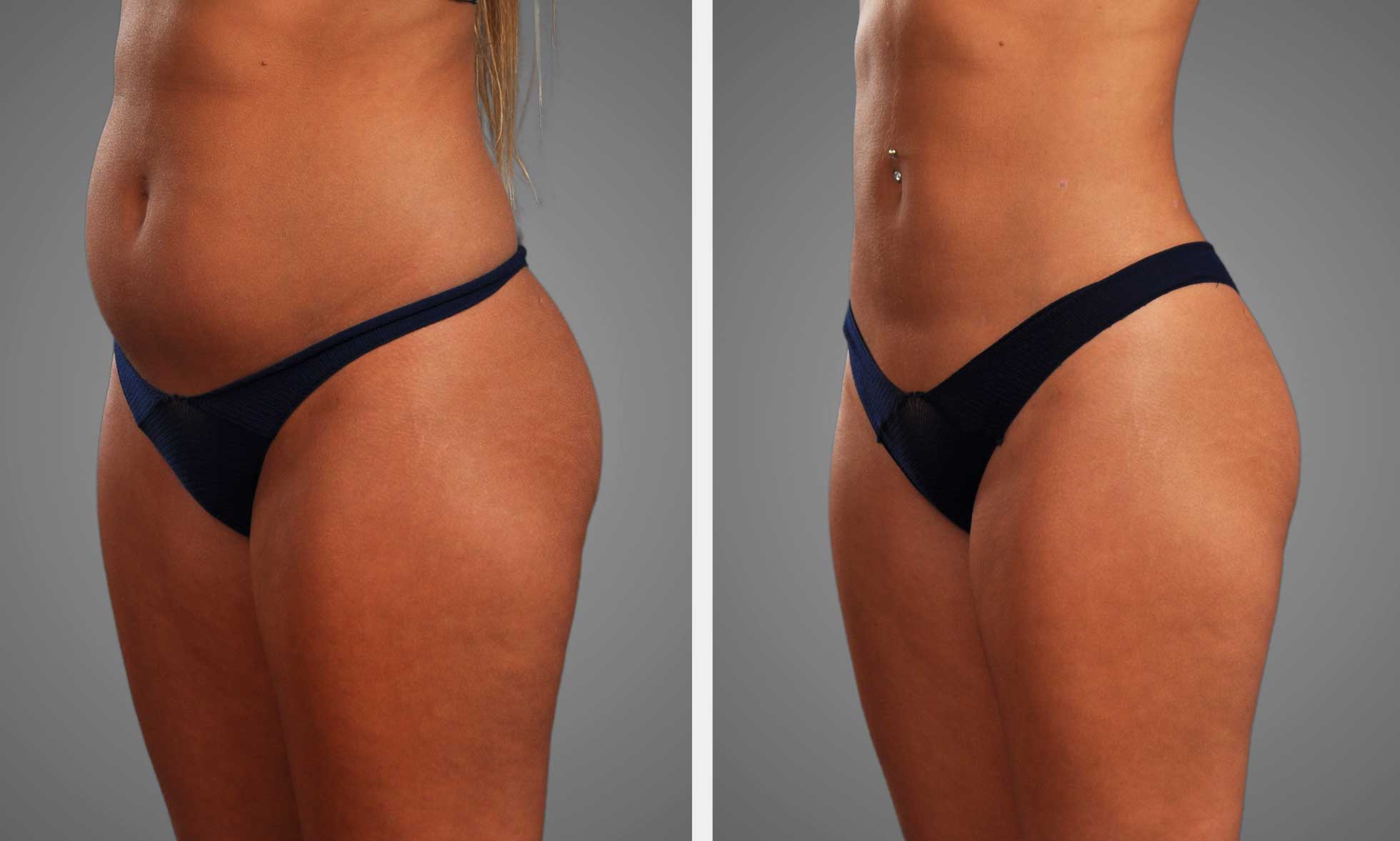
Abdominoplasty, commonly known as a tummy tuck, effectively removes excess skin and fat. This results in a smoother and firmer abdominal profile. Many people struggle with diet and exercise resistant fat deposits. A tummy tuck addresses these issues directly.
Patients often experience significant improvements in their appearance post-surgery. They notice a flatter abdomen that better fits their body’s overall proportions.
Muscle Tightening
The surgery also tightens weakened or separated abdominal muscles. Pregnancy or significant weight fluctuations can stretch these muscles beyond natural repair capabilities. Abdominoplasty brings these muscles back together, reinforcing the abdomen’s structure.
This tightening process not only improves physical appearance but can also alleviate some forms of lower back pain caused by poor posture due to weakened core muscles.
Post-Pregnancy & Weight Loss
Abdominoplasty is especially popular among those who have undergone major weight loss or pregnancy. After significant weight loss, individuals are often left with loose skin that cannot retract on its own. Similarly, pregnancy stretches the abdomen significantly, sometimes leading to diastasis recti (separation of abdominal muscles).
-
For individuals who have lost a lot of weight:
-
Removes stubborn excess skin.
-
Enhances comfort during physical activity.
-
-
For post-pregnancy bodies:
-
Tightens stretched abdominal muscles.
-
Helps return the body closer to its pre-pregnancy state.
-
Tummy Tuck Recovery Timeline
Initial Weeks
After a tummy tuck surgery, the first few weeks are crucial. Patients must rest and avoid strenuous activities. This period typically spans 2 to 3 weeks. Pain, swelling, and bruising are common but manageable with prescribed medication.
During this time, wearing a compression garment is essential. It helps reduce swelling and supports the healing tissue. Follow-up visits with the surgeon ensure proper recovery.
Resuming Activities
Gradually resuming activities marks the next phase of tummy tuck recovery. Full activity, including exercise, is generally safe after 6 to 8 weeks post-surgery. However, it’s vital to listen to your body and not rush this process.
Patients should start with light walking and gradually increase their physical activity level as comfort allows. Avoid heavy lifting or vigorous exercise until cleared by the surgeon.
Seeing Results
The final results of a tummy tuck take time to fully manifest; up to a year in some cases. Initially, there might be swelling that obscures the outcome.
As months pass:
-
Swelling decreases.
-
The scar fades.
-
The true shape emerges.
Patience is key during this stage of recovery.
Daily At-Home Care During Recovery
Gentle Walking
After a tummy tuck, gentle walking is crucial. It helps prevent blood clots, which can be dangerous. Start walking as soon as your doctor says it’s okay. Do this several times a day, even if it’s just for a few minutes.
Walking boosts circulation and aids recovery. However, listen to your body. If you feel pain or discomfort, take a break.

Avoid Heavy Lifting
Lifting heavy objects is off-limits after surgery. This rule applies especially in the first few weeks of recovery.
Heavy lifting can strain your healing incision and muscles. Stick to light activities around the house instead. Ask for help when needed.
Sleep Positioning
How you sleep plays a big role in recovery:
-
Sleep with your upper body elevated using pillows.
-
Keep your knees bent to reduce swelling.
This position helps decrease pressure on the abdomen area.
Incision Care and Medication Guidelines
Clean and Dry
Keeping the incision area clean and dry is critical. After a tummy tuck, your surgeon will provide specific cleaning instructions. These guidelines are designed to prevent infection and ensure proper healing.
It’s important to gently clean the area with mild soap and water. Then, carefully pat it dry. Avoid rubbing or applying pressure that might irritate the incision site.
Medication Use
Taking prescribed antibiotics and pain medication as directed is essential for recovery. Antibiotics help prevent infections, while pain medications manage discomfort.
Follow your surgeon’s instructions closely when taking these medications. Do not skip doses or stop early without consulting your doctor first.
Infection Monitoring
Monitoring for signs of infection near the incision site is crucial after surgery. Common signs include redness, swelling, unusual discharge, or increased pain around the scar.
If you notice any of these symptoms, contact your surgical team immediately. Early detection can prevent more serious complications from developing.
Managing Activities and Diet During Recovery
Nutritious Meals
After a tummy tuck, eating right is crucial. Introduce light, nutritious meals to help your body heal. Focus on foods rich in vitamins, proteins, and fibers. These nutrients support tissue repair and strengthen the immune system.
Avoid processed foods high in sugar and fat. They can slow down the healing process. Instead, fill your plate with fruits, vegetables, lean meats, and whole grains.
Hydration Matters
Staying hydrated is another key aspect of recovery. Drink plenty of water throughout the day. It helps flush toxins from your body and keeps tissues healthy.
Avoid alcohol and smoking during recovery. Both can hinder healing by restricting blood flow to the surgical area.
Gradual Activity
Post-surgery, rest is important but so is moving around a bit. Start with light activities like walking short distances inside your home. Listen to your doctor’s advice on when to gradually increase activity levels. Avoid strenuous activities until cleared by medical professionals.
Compression Garment Usage After Abdominoplasty
Proper Wear
Wearing a compression garment is crucial after a tummy tuck. It helps reduce swelling and supports healing. You must follow your surgeon’s instructions on how long to wear it.
The right fit is essential for comfort and effectiveness. A too-tight garment can cause discomfort or skin issues, while a loose one won’t provide enough support.
Duration of Use
Typically, patients need to wear their compression garments for several weeks post-surgery. This duration varies based on individual recovery rates and the extent of the surgery performed.
Consistent use during this period ensures optimal results from your abdominoplasty procedure. It complements managing activities and diet by further aiding in recovery.
Tips for Enhancing Recovery
Post-Operative Appointments
Attending post-operative appointments is crucial. These visits allow your surgeon to monitor your recovery. They can catch any issues early. This practice ensures a smoother healing process.
Skipping these appointments risks complications. Always consult your doctor if you notice unusual symptoms. Timely intervention often leads to better outcomes.
Scar Care
After wound healing, consider scar-minimizing treatments. Your surgeon might recommend specific products or procedures. These can reduce scar visibility and improve skin texture.
Options include silicone sheets and laser therapy. Review these suggestions with your surgeon for tailored advice.
Weight Maintenance
Maintaining a stable weight post-surgery is essential for preserving results. Significant weight fluctuations can alter the appearance of your tummy tuck.
A balanced diet and regular exercise are key strategies here. Avoid crash diets or sudden weight gain. Consulting a nutritionist can provide detailed guidance on maintaining a healthy lifestyle.
Resuming Normal Life After Recovery
Work Return
After a tummy tuck, people can usually go back to work within 2 to 4 weeks. This depends on the nature of their job. Office workers might return sooner than those with physically demanding jobs.
It’s crucial for everyone to listen to their body and not rush this process. Rushing could lead to complications or delay healing. Always follow your doctor’s advice about when it’s safe to resume work.
Driving Rules
You can start driving again once you’re off prescription pain medications and have your doctor’s approval. Safety is paramount here because reaction times may be affected by recovery.
For many, getting back behind the wheel marks a significant step towards normalcy. However, if you experience discomfort while driving, take it as a sign that your body needs more time.
Sports Engagement
Full engagement in sports or rigorous activities should only happen after receiving medical clearance. This is often around 6 weeks post-surgery, but it varies among individuals.
Resuming too early can risk injury or damage the surgical site. It’s good practice to ease into any physical activity gradually and listen closely to what your body tells you.
Summary
Abdominoplasty, commonly known as a tummy tuck, represents a significant step towards achieving a desired physical contour and enhancing one’s self-confidence. The journey requires careful consideration of the purpose, recovery timeline, daily care, and adherence to guidelines for incision care and medication. Furthermore, managing activities, diet, and the use of compression garments play crucial roles in ensuring a smooth recovery. Tips for enhancing recovery emphasize the importance of patient involvement in their healing process. Resuming normal life marks the culmination of a successful abdominoplasty experience, reflecting the patient’s commitment to following through with post-operative care instructions.
For individuals contemplating this transformative procedure, it is essential to engage with certified professionals who can provide comprehensive guidance tailored to individual needs. Taking an informed approach towards abdominoplasty ensures not only the achievement of aesthetic goals but also the maintenance of overall well-being. Interested parties are encouraged to consult with healthcare providers to explore their options further.
Frequently Asked Questions
What is the purpose of Abdominoplasty?
Abdominoplasty, or a tummy tuck, aims to remove excess skin and fat from the abdomen area and tighten abdominal muscles for a smoother, firmer belly.
How long does it take to recover from a Tummy Tuck?
Recovery time varies but generally takes about 6 weeks for initial recovery, with full healing potentially taking up to several months.
What should I do for care at home after a Tummy Tuck?
Focus on rest, gentle movements to prevent blood clots, and follow your surgeon’s instructions regarding wound care and activity levels closely.
How do I manage my incision site and medications post-Abdominoplasty?
Keep the incision clean and dry. Use prescribed medications as directed by your healthcare provider to manage pain and reduce infection risks.
Can I resume normal activities immediately after my recovery period?
Gradually resuming normal activities is advised. Start with light walking; avoid strenuous exercise until cleared by your surgeon.
Why is wearing a compression garment important after Abdominoplasty?
A compression garment supports healing by reducing swelling, improving circulation, and helping the skin adjust to its new contours post-surgery.
Any tips for enhancing recovery post-Tummy Tuck?
Stay hydrated, maintain a balanced diet rich in nutrients that promote healing, avoid smoking or alcohol consumption, and strictly follow all post-operative instructions provided by your surgeon.