Directions
 Call Us
 Email Us


Understanding Fat Return Post-Liposuction
Fat Cells Dynamics
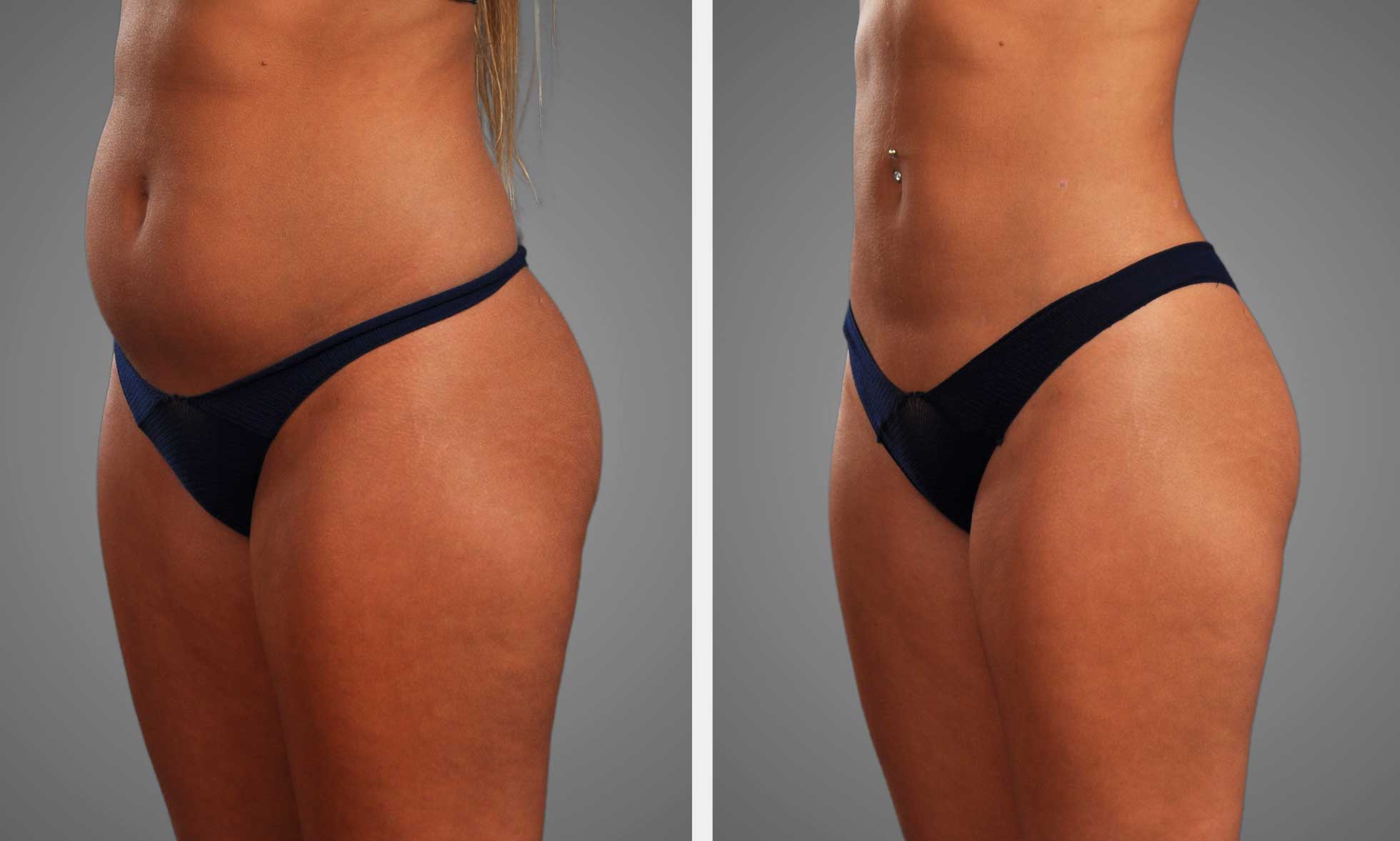
Once removed through liposuction, a cosmetic procedure, fat cells do not regenerate in the treated parts. This fact leads to a common misconception that liposuction, a technique targeting fat deposits, offers permanent results regardless of lifestyle choices post-procedure, ignoring potential side effects and content changes. However, untreated areas can still gain weight.
The body compensates for the loss of fat cells by potentially increasing the size of fat cells in other parts, following liposuction, a cosmetic procedure aimed at correction. This means that while certain parts may remain slim after liposuction, others could expand if one gains weight, leading to problems with uneven fat deposits that liposuction aimed to help.
Lifestyle Impact
Lifestyle plays a crucial role in fat redistribution to certain areas after liposuction, a technique that can lead to problems if not managed properly, especially on the right side. Poor eating habits and a lack of exercise can lead to weight gain and fat deposits in untreated areas, causing problems that liposuction might help address.
It’s not just about calories but also the quality of food consumed, which may influence fat deposits and require correction through methods like liposuction. High-fat, sugary foods may contribute more to fat accumulation, a problem liposuction aims for correction, than balanced meals do.
Diet and Exercise
Maintaining a balanced diet and regular exercise is key to preventing fat return post-liposuction, which may be the best technique for correction. A balanced diet ensures the body gets necessary nutrients without excess fats and sugars.
Regular physical activity, as part of the best series of techniques following liposuction, helps burn calories and maintain muscle tone, further reducing the risk of fat accumulation in untreated areas.
Why Fats Return After a Decade
Aging Metabolism
Aging slows down metabolism, making it easier for fats to accumulate. Over ten years, this gradual decline means fewer calories are burned at rest. It’s a natural process that affects everyone differently but is inevitable.
The body also changes how it distributes fat. Older adults tend to store more fat in the abdomen, which may lead them to consider liposuction. This shift may partly undo the effects of liposuction, especially if lifestyle adjustments are not maintained.
Hormonal Changes
Hormones play a crucial role in weight and fat distribution. As people age, hormonal fluctuations may lead to weight gain and affect where fat is stored. For women, menopause brings significant hormonal changes that often result in increased abdominal fat, which may lead some to consider liposuction.
Men experience a gradual decrease in testosterone levels, which can also lead to increased body fat. These changes may make it challenging to keep off the fat removed by liposuction without diligent effort.
Lifestyle Misconceptions
Many believe liposuction may offer permanent results with little effort post-procedure. This is a common misconception. Liposuction removes fat cells from targeted areas, but it does not prevent new fat cells from forming elsewhere and may not prevent new fat cells from forming elsewhere.
Maintaining results requires ongoing lifestyle adjustments. A balanced diet and regular exercise are crucial for keeping new fats at bay. Without these efforts, the benefits of liposuction may diminish over time.
Sustaining Results Beyond Ten Years
Diet Plans
To maintain liposuction results over a decade, adopting a structured diet may be crucial. Recent studies highlight the importance of balanced meals. They should be small and frequent. This approach, similar to liposuction, aids in metabolism regulation and may prevent fat deposits from returning to certain areas.
Hydration also plays a key role. It helps in flushing out toxins, may aid in liposuction, and maintaining a healthy weight. Patients are advised to drink plenty of water daily.
Fitness Routine
A consistent fitness routine may be equally important for sustaining liposuction outcomes. Regular exercise not only keeps the body fit but also ensures that fat does not accumulate again in areas treated with liposuction. Activities such as walking, cycling, or swimming can be beneficial.
It’s vital to find an exercise regimen that fits one’s lifestyle and preferences. This makes it easier to stick to the plan long-term.
Health Check-ups
Regular check-ups with healthcare providers are essential. They help monitor progress and adjust diet or fitness plans as needed. Problems may arise if lifestyle adjustments are not made post-liposuction.
Healthcare professionals may provide guidance on how to avoid potential issues with liposuction. They ensure that patients may maintain their liposuction results even years after the procedure.
Re-Liposuction Feasibility for Returning Fat
Health Check
Before considering another round of liposuction, a thorough health evaluation may be crucial. This ensures the body may safely undergo the liposuction procedure again. It’s vital to assess any changes in health since the last liposuction surgery, as they may indicate new concerns.
Doctors examine the patient’s current health status. They look for signs that the body may handle another cosmetic procedure, such as liposuction. Any underlying conditions need management before proceeding.
Previous Outcomes
The results of the first liposuction may play a big role in deciding on a second one. If the initial outcomes of liposuction were positive, it might encourage another procedure. However, if there were complications, extra caution is needed.
Patients and surgeons review the first surgery’s success. They discuss what worked and what didn’t. This helps set realistic expectations for re-liposuction.
Risks vs Benefits
Undergoing re-liposuction may come with its own set of risks and benefits. On one hand, liposuction offers a chance to tackle new fat deposits that may have formed over time. On the other, liposuction carries potential complications like scarring or uneven results and may.
It’s important to weigh these factors carefully. Patients should consider both the physical and emotional impacts of another surgery.
Stable Weight
Reaching a stable weight before considering re-liposuction is key. It ensures that the results of liposuction will be more lasting and satisfactory. Fluctuations in weight can affect both the necessity and safety of undergoing liposuction again.
Patients are advised to maintain their weight for several months beforehand if they are considering liposuction. This demonstrates a commitment to long-term results and overall health.

Factors to Consider Before Undergoing Again
Financial Implications
The cost of a second liposuction can be significant. It’s not just about the liposuction surgery itself but also the aftercare and potential missed work during recovery. Patients must consider these financial aspects carefully.
Insurance rarely covers cosmetic procedures. This means out-of-pocket expenses can add up quickly. It’s crucial to get detailed quotes for liposuction from healthcare providers before proceeding.
Recovery Time
Healing from liposuction takes time. The body needs to adjust and recover from the trauma of liposuction surgery.
A second procedure may require more recovery time than the first, especially if targeting different parts of the body. Discussing liposuction with a surgeon is essential for planning purposes.
Psychological Impact
Undergoing multiple cosmetic surgeries, such as liposuction, can have a profound psychological impact.
It’s vital to assess one’s mental readiness for another procedure, such as liposuction. Consulting with a mental health professional can provide valuable insights into this decision.
Realistic Expectations
Setting realistic expectations is key. A second liposuction might not yield the same results as the first.
Patients should conduct a pinch test with their surgeon to evaluate if there’s enough fat for liposuction removal. Understanding what is achievable helps in making an informed decision.
Maintaining Long-Term Liposuction Outcomes
Physical Activity
Maintaining the results of liposuction, or lipo, demands regular physical activity. It’s not just about hitting the gym. Daily habits matter too.
Engage in a mix of cardio and strength training weekly. This combination keeps muscles toned and burns calories. Incorporate movement into daily routines as well. Opt for stairs over elevators. Walk during lunch breaks. These small steps contribute significantly to preventing fat from returning after liposuction.
Nutrient-Rich Diet
A consistent, nutrient-rich diet is crucial for sustaining liposuction outcomes. It’s more than avoiding junk food; it’s about nourishing your body.
Focus on vegetables, fruits, lean proteins, and whole grains. These foods fuel the body efficiently and help maintain an ideal weight. Avoiding processed foods and sugary drinks is also key to preventing weight gain post-liposuction.
Stress Management
Stress can lead to weight fluctuation, undermining lipo results. Effective stress management techniques are essential.
Practices such as meditation, yoga, or even regular walks can significantly reduce stress levels. They help maintain a balanced mindset, which is crucial for overall health and wellness.
Healthy Lifestyle for Sustained Results
Holistic Approach
A holistic approach to health goes beyond physical appearance. It integrates the well-being of your mind, body, and spirit. This method proves essential after liposuction, ensuring the results last longer.
Embracing a healthy lifestyle involves more than just exercise. It includes managing stress, getting enough sleep, and maintaining positive relationships. These aspects help in correcting any imbalance on the right side of wellness.
Cardiovascular Health
Regular activities that boost heart health are crucial. They not only sustain liposuction outcomes but also improve overall well-being.
Engage in exercises like walking, swimming, or cycling. These activities promote cardiovascular health and muscle tone. They are some of the best things you can do for your body post-surgery, including after liposuction.
Professional Guidance
Seeking expert advice is key to tailoring a diet and exercise plan that suits your needs. A formal evaluation by a nutritionist or fitness coach can provide valuable insights.
They will consider your background process and help design a regimen that aligns with your goals. This personalized approach ensures the correction of any dietary or physical imbalances.
Closing Thoughts
Liposuction’s effects aren’t set in stone. Your choices play a huge role in how long you enjoy those sleek contours. Over ten years, fat can sneak back after liposuction, but understanding why and how gives you the power to keep it at bay. We’ve walked through what leads to the return of fat after liposuction, how to sustain your results for over a decade, and even touched on the possibility of going under the knife again for liposuction. But remember, it’s not just about what happens in the operating room during liposuction; it’s also about what you do afterward. A healthy lifestyle isn’t an option—it’s a necessity for keeping that fat gone for good, even after liposuction.
Now, armed with knowledge and insights from this guide, you’re in a stronger position to make informed decisions about your body and health. Don’t let the fear of returning fat, post-liposuction, hold you back. Take control, make smart choices, and if you’re considering liposuction or a redo, consult with a trusted expert who can guide you based on your unique situation. Your journey towards maintaining long-term liposuction outcomes starts with a single step. Why wait? Take that step today.
Frequently Asked Questions
Can fat return after liposuction, even after 10 years?
Yes, fat can return after liposuction if a healthy lifestyle is not maintained. Gaining weight can lead to the development of new fat cells in different areas of the body.
Why does fat come back a decade after liposuction?
Fat returns due to the body’s natural aging process, potential weight gain, and after liposuction. Maintaining a stable weight through diet and exercise is crucial for long-lasting results.
Is it possible to sustain liposuction results beyond ten years?
Absolutely. Sustaining liposuction results for over ten years is achievable with a consistent healthy lifestyle, including regular exercise and a balanced diet.
Can I undergo liposuction again if fat returns?
Yes, re-liposuction is feasible but should be considered carefully. Consulting with a qualified surgeon to discuss risks and benefits of liposuction is essential.
What should I consider before undergoing liposuction again?
Consider your overall health, the feasibility of maintaining results through lifestyle changes, and potential risks. A consultation with a plastic surgeon can provide personalized advice on liposuction.
How can I maintain long-term outcomes from my liposuction?
Maintain long-term outcomes by adopting a healthy lifestyle that includes regular physical activity and a balanced diet to prevent weight gain.
Is maintaining a healthy lifestyle crucial for sustained liposuction results?
Definitely. A healthy lifestyle is key to sustaining liposuction results long-term. It helps prevent new fat deposits and supports overall well-being.