Directions
 Call Us
 Email Us


Nearly 70% of people seeking cosmetic procedures now prioritize treatments with minimal downtime, highlighting the growing demand for efficient and effective skincare solutions. Microneedling with radiofrequency (RF) stands out as a revolutionary approach, blending the traditional benefits of microneedling with the power of RF energy to deliver remarkable results in skin rejuvenation, skin tightening, and a needle-based alternative to a surgical facelift. This dual-action treatment not only stimulates collagen production but also tightens the skin, addressing concerns like wrinkles, sagging, and scars. Dive into the world of microneedling with RF to discover how this advanced technique can transform your skin’s health and appearance without the need for extensive recovery times.
Understanding How It Works
Microneedles Role
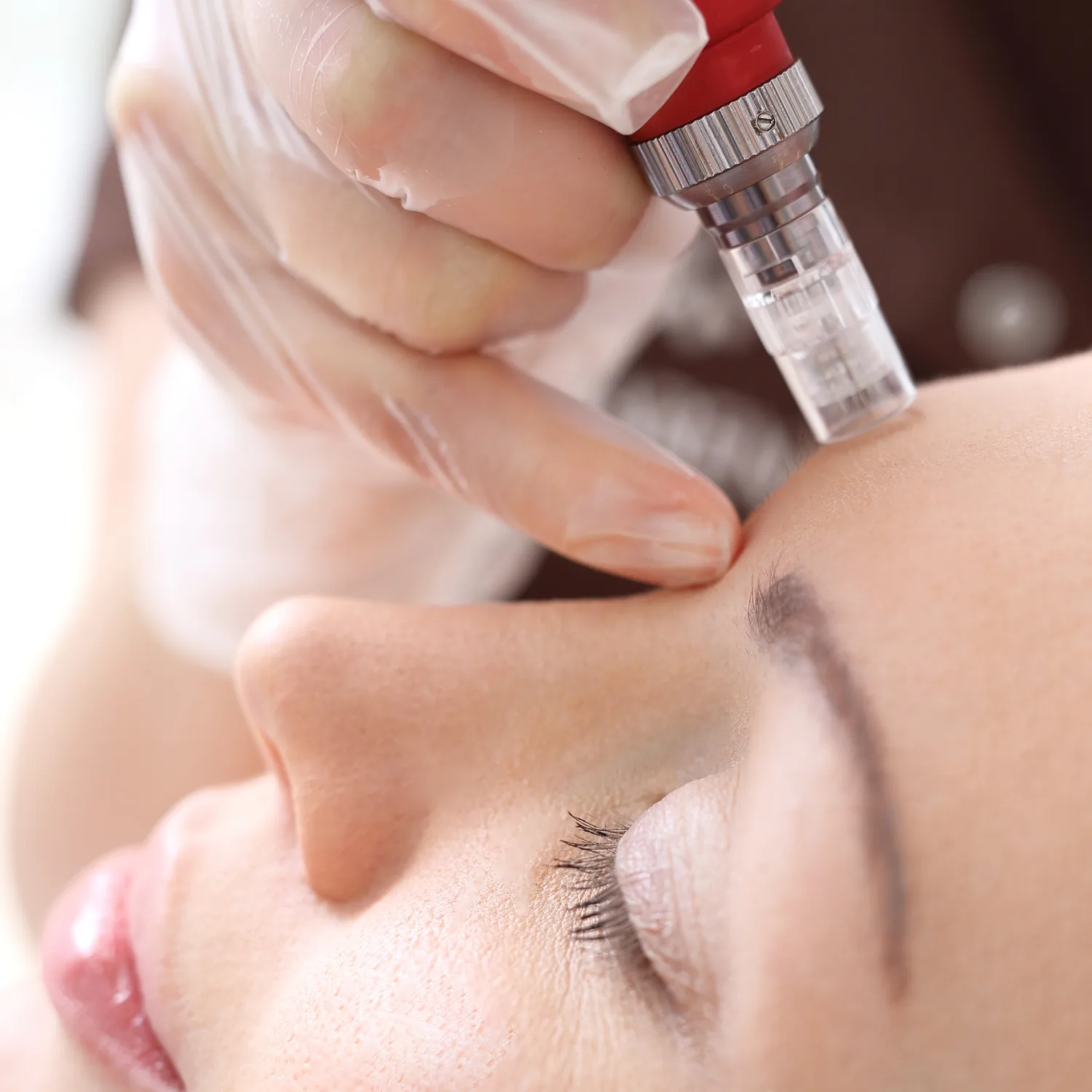
Microneedling with radiofrequency (RF) is a cutting-edge procedure. It combines tiny needles and RF waves to rejuvenate the skin, offering a non-surgical facelift alternative without the need for plastic surgery or liposuction, using heat. The microneedles create small injuries in the skin.
This process triggers the body’s healing response. As a result, new, healthy skin cells start to grow.
Radiofrequency Effect
The RF waves, ie heat, enter the skin through these micro-wounds created during surgery such as liposuction. They deliver heat to deeper layers of the skin. This heat stimulates the production of collagen and elastin.
These proteins are key for firm, youthful skin. People notice an improvement in their skin’s texture and tightness, ie tightening, over time after liposuction surgery.
Collagen Production
The combination of microneedles and RF waves is powerful. It creates controlled injuries that stimulate new, healthy skin growth, including tightening.
This method boosts collagen and elastin production significantly. Patients often see results in skin rejuvenation and skin tightening after just one session, though multiple sessions may be needed for optimal results, especially for different skin types and varying degrees of skin laxity.
By focusing on precise areas, this treatment can target specific concerns, i.e., skin tightening and skin laxity across different skin types. These include wrinkles, fine lines, skin laxity, skin tightening effects, and even certain types of fat deposits.
Recovery Time
One major benefit is the minimal downtime. Patients can return to their daily activities relatively quickly compared to more invasive procedures for skin tightening and skin laxity.
This makes it an attractive option for those looking to improve their skin without significant time away from work or social events.
Preparing for the Procedure
Consultation First
Patients should schedule a consultation with their provider before undergoing microneedling with radiofrequency for skin tightening. This step is crucial for discussing medical history and skin concerns. The doctor will assess the condition of the skin and decide if this treatment is suitable.
During the consultation, realistic expectations about the outcomes, including skin tightening, are set. Patients learn about the tightening effects and minimal downtime associated with this procedure.
Pre-Procedure Care
Before the session, patients must follow specific instructions to ensure optimal results. They should avoid certain medications that can increase bleeding, such as aspirin or ibuprofen, for at least a week prior. Skincare products containing retinol or other irritating ingredients should also be paused days before the treatment.
This preparation helps minimize potential side effects and enhances the healing process. It’s essential for a smooth recovery and achieving desired results.
Day of Procedure
On the day of the procedure, patients should arrive with clean skin, free from makeup or lotions. The provider will then use needles to create micro-injuries in the skin, combined with radiofrequency energy for enhanced skin tightening.
Understanding these steps helps set clear expectations and prepares patients mentally and physically for what’s ahead. They know it’s not as invasive as surgery or liposuction but more intensive than topical treatments.
Addressing Skin Conditions
Skin Concerns
Microneedling with radiofrequency (RF) has become a go-to solution for a variety of skin issues. It effectively targets wrinkles, acne scars, and hyperpigmentation. This treatment works by delivering RF energy deep into the skin through tiny needles.
It promotes healing and stimulates collagen production. This process smooths out the skin surface, reducing the appearance of fine lines and other contour deformities.
Aging Signs
For those noticing the early signs of aging on their face, RF microneedling offers significant benefits. It tightens loose skin, improving overall skin texture and firmness.
This method is particularly beneficial for treating areas that show age more quickly, such as around the eyes and mouth. It also addresses skin laxity, making it a versatile option for aging concerns.
Specific Issues
RF microneedling is not limited to anti-aging benefits. It’s also effective for specific conditions like large pores or stretch marks.
The procedure refines the skin’s surface, offering a smoother and more uniform appearance. However, individuals with active infections or severe skin diseases should avoid this treatment due to potential complications.

Managing Procedure Risks
Common Risks
Microneedling with radiofrequency, while effective for addressing skin conditions, carries its own set of risks. Patients often experience temporary redness, swelling, and bruising post-procedure. These side effects are typically mild and resolve within a few days. However, understanding these potential outcomes is crucial for anyone considering the treatment.
To mitigate these risks, selecting a qualified healthcare provider is essential. They should have ample experience and training in performing microneedling with radiofrequency treatments. This choice significantly reduces the likelihood of complications and ensures the safest possible procedure.
Minimizing Risks
Patients can take several steps to minimize risks associated with microneedling with radiofrequency. Firstly, thorough consultations are vital. During these discussions, patients should disclose their complete medical history, including any current medications and existing health conditions.
Contraindications such as pregnancy or certain medications that increase procedure risks must be considered. For instance, medications that affect blood clotting can heighten the risk of bruising. By being upfront about all health-related information, patients can help their healthcare providers tailor the treatment to their specific needs, reducing the chance of adverse effects.
Contraindications
Certain conditions and factors can make individuals ineligible for microneedling with radiofrequency treatments. Beyond pregnancy and specific medications, those with recurrent laxity issues may not be ideal candidates. The procedure’s effectiveness could be compromised in such cases, making it crucial to assess each patient’s suitability thoroughly.
Post-Procedure Skin Care
Ice Application
After microneedling with radiofrequency, applying ice packs can greatly reduce discomfort. It’s a simple yet effective method to soothe treated skin. Patients find immediate relief from any mild swelling or redness.
Ice helps in minimizing inflammation. This step is crucial for a faster recovery process.
Sun Protection
Wearing SPF after the procedure cannot be overstated. The skin becomes more susceptible to sun damage during the healing phase. A high-quality sunscreen protects the new collagen forming beneath the surface.
This practice not only preserves the results of your cosmetic procedure but also contributes to long-term skin health.
Healing Creams
The use of antibiotic creams or emollients supports the skin’s healing. These products prevent infection and keep the skin hydrated. Hydration is key for effective skin rejuvenation.
Following your healthcare provider’s advice on which product to use ensures optimal healing.
Aftercare Instructions
Adhering to aftercare instructions provided by professionals is vital. Every patient’s skin reacts differently to microneedling with radiofrequency. Customized advice caters to individual needs, promoting better outcomes.
This includes avoiding certain activities or products that might irritate the skin. Following these guidelines closely enhances skin tightening effects and reduces risks associated with post-procedure care.
Assessing Treatment Efficacy
Before-and-After
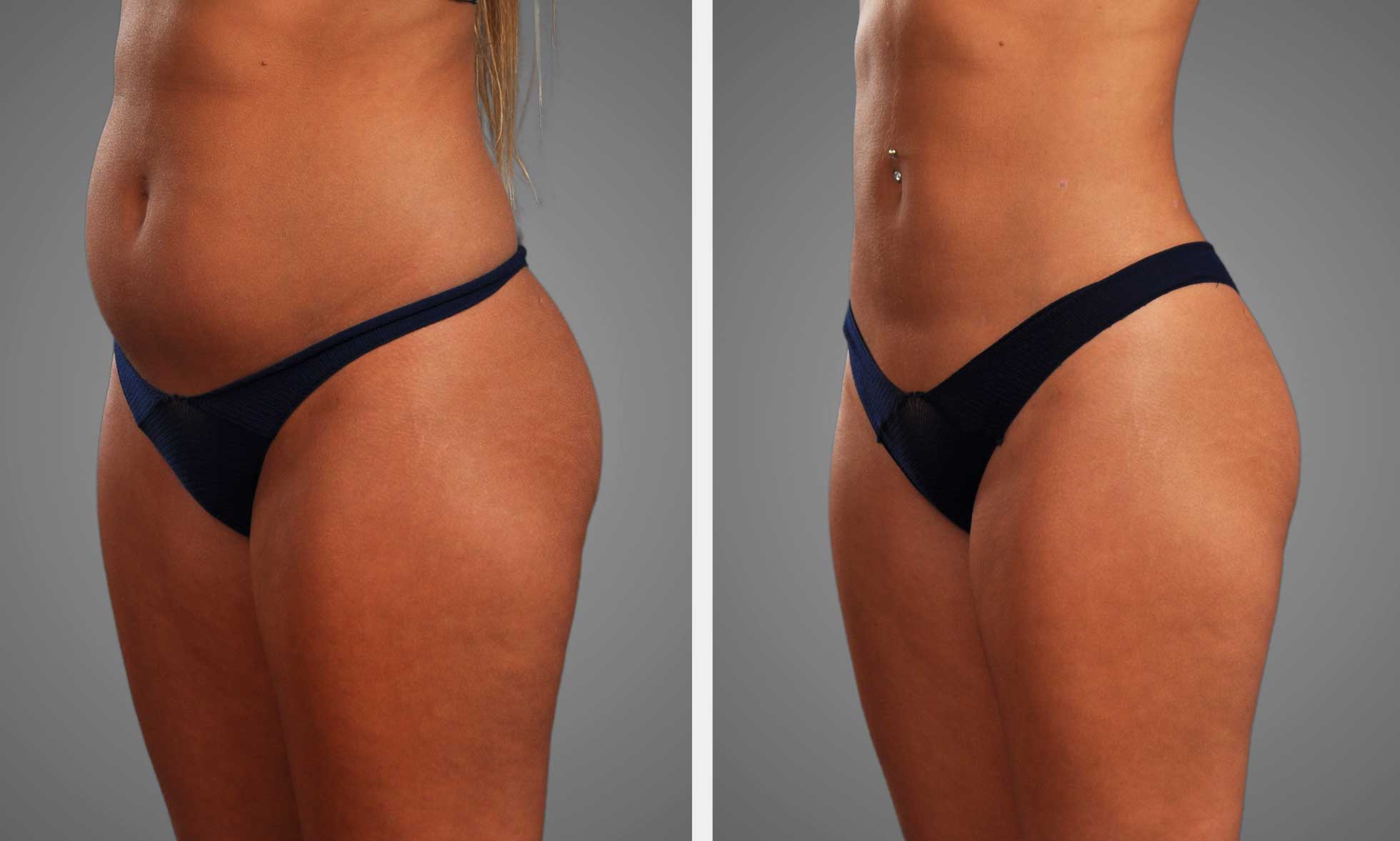
To gauge the success of microneedling with radiofrequency, before-and-after comparisons are crucial. Patients should take clear, high-resolution photos of their treatment areas before starting their sessions. These images serve as a baseline to measure improvements in skin texture, scars, and overall complexion.
After completing the recommended number of treatments, patients compare these initial photos with new ones. Visible reductions in fine lines, scars, and improved skin firmness indicate effective treatment. It’s important for patients to have realistic expectations and understand that results may vary based on individual skin conditions.
Follow-Up Appointments
Follow-up appointments play a key role in monitoring progress. During these visits, healthcare providers assess the skin’s response to treatment and decide if additional sessions are needed. They also offer an opportunity to address any side effects and adjust post-procedure care as necessary.
Touch-up sessions might be planned during follow-ups to target areas that need more improvement. This personalized approach ensures each patient achieves the best possible outcome from their treatments.
Cumulative Effects
The cumulative effects of microneedling with radiofrequency become more pronounced over time, especially when combined with Platelet-Rich Plasma (PRP). PRP enhances healing and stimulates collagen production, amplifying the benefits of microneedling.
Patients often report significant improvements after multiple sessions. The synergy between microneedling and PRP can lead to superior results compared to using either technique alone. This combination therapy represents a powerful tool in addressing a wide range of skin concerns.
Anticipating Results Timeline
Initial Expectations
Setting realistic expectations is crucial for anyone considering microneedling with radiofrequency. Most individuals see noticeable improvements in skin texture and appearance after a few sessions. However, the initial results can become visible as early as a few weeks post-treatment.
Patients should understand that these early changes are just the beginning. The skin continues to heal and improve over time.
Session Requirements
For optimal results, it’s often necessary to undergo multiple treatments. The exact number depends on the specific skin condition being addressed. Acne scars might require more sessions than fine lines, for example.
Each session builds upon the last, gradually enhancing the skin’s appearance. This phased approach ensures lasting improvements but requires patience and commitment from the patient.
Longevity of Results
The longevity of treatment effects varies. Factors like age, skin type, and lifestyle choices play significant roles. Generally, results can last up to a year or more with proper skincare and maintenance.
Patients should also consider follow-up treatments to maintain their rejuvenated appearance. These subsequent sessions can help extend the benefits of microneedling with radiofrequency.
Summary
Microneedling with radiofrequency has emerged as a game-changer for those of you looking to rejuvenate your skin and tackle various conditions without the downtime of more invasive procedures. You’ve learned how it works, how to prep, and what to expect in terms of results and care post-procedure. It’s clear that this treatment offers a compelling blend of efficacy, safety, and minimal recovery time, making it an attractive option for anyone seeking to improve their skin’s appearance.
Remember, choosing the right professional and following their advice on pre and post-procedure care is key to maximizing benefits while minimizing risks. If you’re considering taking the next step towards achieving smoother, firmer, and clearer skin, reach out to a certified dermatologist or skincare specialist today. Dive into the world of microneedling with radiofrequency and see the difference it can make for your skin.
Frequently Asked Questions
What is microneedling with radiofrequency?
Microneedling with radiofrequency combines fine needle penetration with radiofrequency energy to stimulate collagen production, resulting in tighter, smoother skin. It’s effective for addressing signs of aging, scars, and other skin concerns.
How should I prepare for a microneedling with radiofrequency procedure?
Avoid sun exposure, retinoids, and exfoliating agents at least 24 hours before your appointment. Ensure your skin is clean and free of any products on the day of the procedure.
Can microneedling with radiofrequency help with acne scars?
Yes, it’s particularly effective for reducing the appearance of acne scars by promoting collagen regeneration, which helps smooth out the skin’s texture.
What are the risks associated with this procedure?
Common risks include temporary redness, swelling, and bruising. Rarely, infection or changes in skin pigmentation can occur. Choosing a qualified professional minimizes these risks.
How do I care for my skin after the procedure?
Keep the treated area clean and moisturized. Avoid direct sun exposure and use sunscreen to protect your skin. Follow any specific aftercare instructions provided by your practitioner.
How long does it take to see results from microneedling with radiofrequency?
Improvements may be noticeable within a few weeks, but optimal results often require multiple sessions spaced about 4-6 weeks apart. Full benefits are typically seen a few months after completing all sessions.
What should I expect regarding the timeline of results?
Initial results can appear within a few days post-treatment, but significant improvements become more visible after multiple sessions. Skin continues to improve over time as collagen production increases.