Directions
 Call Us
 Email Us



Key Takeaways
- Skin laxity is the medical term for when your skin becomes loose. These changes are commonly caused by aging, weight changes, and sun damage. Skin elasticity and laxity Collagen and elastin are two proteins that are essential in preserving skin laxity and tone.
- Liposuction removes excess fat deposits from the body, but it does not tighten loose skin. Skin laxity plays a major role on the final result, as better elastic skin will produce smoother post-op results.
- Persistent loose skin, uneven texture, or visible wrinkles in treated areas after liposuction may indicate the need for additional skin tightening procedures.
- Age, genetics, and major weight loss prior to surgery all increase the risk of post-liposuction skin laxity. Staying well hydrated and nourished will help skin heal and recover, too.
- Self-evaluation techniques, such as a pinch test, can be useful in tracking skin laxity in the long run. If you experience long-lasting sagging or are otherwise unsatisfied with your results, speak with your provider.
- Surgical and non-surgical skin tightening treatments are both options. The best way to figure out the right course of action is through a professional consultation, which will address your specific needs and desires.
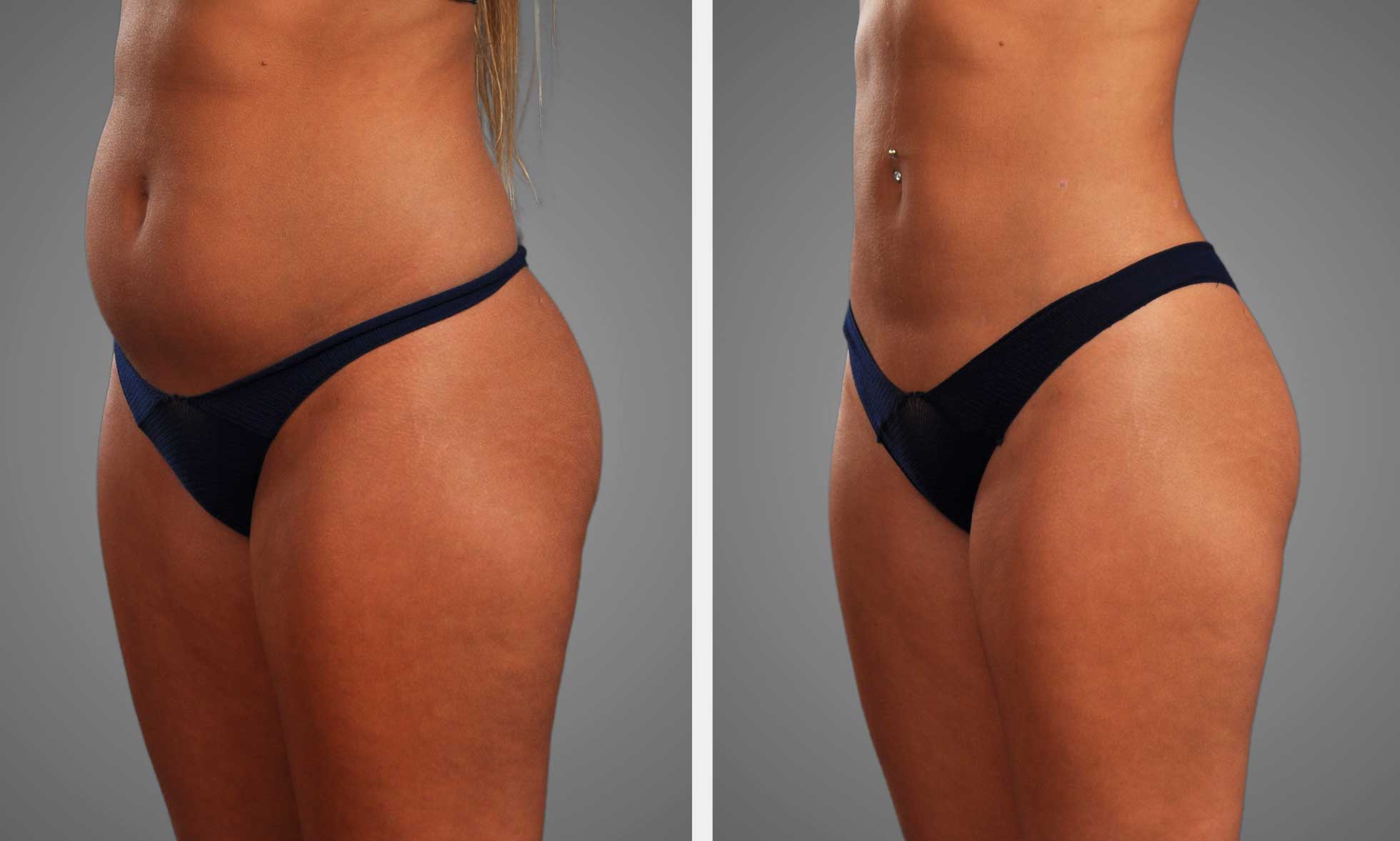
Liposuction eliminates targeted pockets of fat, but it does not account for the possibility of excess skin left behind after treatment. Skin laxity varies, based on your age, skin elasticity, and how much fat you had removed.
If your skin doesn’t bounce back, look into other skin-tightening treatments. Laser treatments and surgical lifts can additionally restore firmness. These treatments either stimulate collagen production or remove excess skin to tighten the skin’s surface.
The best way to know the state of your skin and how to best achieve your goals is by consulting with a qualified provider. Check your skin elasticity and degree of fat removal. That way, you will know if you need additional tightening treatments to achieve smooth, contoured results.
What Is Skin Laxity
Skin laxity is the skin’s loss of firmness and elasticity. This usually results in drooping and a crepey look. This condition is due to the weakening of the skin’s architecture, which renders it less able to spring back into position.
It’s a fact of life that aging will take a toll on our bodies. There are other factors that can accelerate this process, exacerbating the effects and making them much more obvious.
Why Skin Laxity Occurs
Though many factors contribute to skin laxity, aging is the most prominent. As we get older, our body naturally makes less collagen. This important protein, along with elastin, is key to preventing our skin from becoming lax and weak.
By the time a person gets into their 40s, the degradation of these proteins can cause noticeable sagging to occur. Environmental factors such as UV exposure and pollution further exacerbate the weakening of the skin’s structure.
Over time, sun exposure destroys collagen in your skin. Simultaneously, as pollutants invade the skin, they destroy the skin barrier resulting in the acceleration of elasticity loss. Lifestyle factors, including smoking, only exacerbate the skin’s condition by limiting blood circulation and collagen synthesis.
A nutrient-deficient diet will further impede the body’s ability to repair and maintain skin elasticity.
How Liposuction Affects Skin Elasticity
While liposuction can remove stubborn fat deposits all over the body, it cannot do anything for the skin’s elasticity to retract back. Those with high laxity scores will be more likely to see post-procedure sagging skin or dimpling.
For example, a patient who has lost 50 pounds quickly would likely face the same issues with skin laxity that liposuction cannot fix. Skin tightening treatments like BodyTite and Renuvion produce remarkable results through stimulating dermal contraction.
In actuality, Renuvion produces an improvement of up to 60%. There are non-invasive options like ThermiSmooth that tighten skin with radiofrequency energy.
If you remove too much fat, you leave the skin with no support leading to sagging skin and serious complications. This underscores the importance of having realistic expectations and great skin laxity to achieve optimal results.
Relationship Between Liposuction And Skin Laxity
Liposuction is one of the most sought-after cosmetic surgery procedures that eliminates stubborn fat pockets and contours the body. The effect on skin recovery and laxity varies from patient to patient. While liposuction treatment is efficient for removing stubborn fat deposits, it doesn’t address skin tightening, which can lead to significant skin laxity if left unaddressed.
How Liposuction Impacts Skin Appearance
Since liposuction removes fat from the body, it naturally reshapes the body and eliminates targeted fat pockets for more dramatic, effective body contouring results. Yet, less fat beneath the skin may result in skin appearing looser, particularly where elasticity is impaired.
For example, patients who are older or who have a history of skin damage will experience more visible laxity. Third, it is critical for patients to have realistic expectations, as results are largely predicated on the quality and elasticity of their skin. The key to liposuction satisfaction is having realistic expectations.
However, despite successful fat removal you may still notice loose skin, particularly on areas such as the abdomen or thighs.
Factors That Influence Skin Laxity After Liposuction
Age, genetics, and skin type are major contributors to how skin will respond post-liposuction. Older people, for instance, may have decreased collagen, making the skin less able to retract.
In like manner, patients with a history of yo-yo dieting might have skin that’s already been stretched out, compromising results. Getting enough hydration and eating a balanced diet rich in nutrients can go a long way toward preserving skin elasticity, but they won’t prevent laxity from occurring.
Common Areas Prone To Skin Laxity
The more fat that is removed, the more laxity that can develop, especially in the treated body areas. The abdomen, arms, and inner thighs are especially susceptible to this concern.
Hormonal changes can further exacerbate how the skin stretches, particularly in regions such as the lower belly or upper arms. By anticipating these patterns, both patients and surgeons can plan for the best long-term results, frequently by pairing liposuction with skin-tightening procedures.
Signs You May Need Skin Tightening
While liposuction surgery effectively removes unwanted fat, it doesn’t enhance skin tightness. For some patients, additional skin tightening procedures may be necessary to achieve stunning liposuction results. Recognizing the signs of significant skin laxity can guide you in considering liposuction or other advanced cosmetic surgery options.
1. Persistent Loose Or Sagging Skin
Loose, sagging skin can negate the cosmetic benefits of liposuction, resulting in disappointing results. For example, individuals who have lost significant weight, whether through bariatric surgery or other methods, often find that excess skin remains.
Relatedly, this condition can have a significant impact on self-esteem and confidence, particularly when the skin sags over the torso, arms, or thighs. Keeping an eye on skin during healing is important as laxity may be more noticeable once swelling goes down.
2. Lack Of Skin Elasticity Over Time
Elasticity is the term used to describe how well the skin snaps back into place after being pulled and stretched. With time, things like the aging process and negative lifestyle choices like smoking or chronic sun exposure can inhibit this capacity.
Periodic re-evaluations during the months after surgery are important because elasticity takes time to change. For instance, there’s published research evidence of skin contraction ranging from 35-60% based on individual biology.
3. Uneven Skin Texture After Healing
Healing processes, such as swelling, naturally create temporary texture irregularities. If you still notice unevenness after six to nine months, it may be a sign that you need additional treatment.
Patients who start to notice uneven or textured skin should reach out to their surgeon for further guidance.
4. Visible Wrinkles Or Folds In Treated Areas
If wrinkles or folds start to show up in treated areas, this can indicate insufficient tightening. When visible signs become apparent, it is usually too late, requiring more invasive cosmetic procedures.
Both laser treatments as well as radiofrequency skin tightening treatments are effective at smoothing skin.
5. Dissatisfaction With Post-Liposuction Results
All patients are unhappy if they have unrealistic expectations. Commencing candid conversations with your surgeon regarding achievable results and any worries, like skin laxity, are essential in reaching your desired satisfaction.
By establishing realistic goals you are setting yourself up for success with the expectation versus the outcome.
Assessing Your Skin Laxity
After liposuction surgery, understanding your skin’s elasticity is crucial for determining if additional tightening treatments are necessary. Skin laxity significantly impacts achieving stunning liposuction results. While liposuction removes fat, it doesn’t tighten skin, which is why evaluating your skin condition is an important step in your liposuction recovery process.
How To Self-Evaluate Skin Elasticity
Performing simple self-checks at home can provide valuable insights. Gently pinch your skin, like on your abdomen or thighs, and observe how quickly it returns to its original state. Look for spots where laxity makes the skin feel squishy or look crepey.
Keep a journal with dates to document any differences, such as sagging or loss of elasticity, over weeks or months. This will prove useful in the consultation process. By keeping an eye on these factors daily, you can be proactive and notice changes before they become obvious.
When To Seek Professional Advice
Certain situations call for expert help. If your at-home test indicates persistent laxity or you’re unhappy with your results, seeing a professional can help you better understand your options. Changes of importance, such as large sagging skin folds or a wavy, irregular surface, can require immediate intervention.
Whether solutions require surgery or not, early consultation allows for the best options to be pursued in a timely fashion.
Tools And Tests Used By Specialists
Specialists use cutting-edge tools to assess skin laxity accurately.
| Tool/Test | Purpose |
|---|---|
| Ultrasound Imaging | Measures collagen levels and skin thickness. |
| Digital Analysis | Tracks skin’s firmness and elasticity over time. |
| ThermiSmooth | Utilizes radiofrequency energy to tighten and smooth skin. |
For instance, Dr. Cat provides customized surgical and non-surgical solutions to individual’s needs. Non-invasive ways, as with ThermiSmooth, are safe and effective but should be thoughtfully evaluated due to adverse events such as scar tissue development.
Treatment Options For Skin Tightening
Skin tightening options vary depending on the degree of skin laxity and individual goals, especially for liposuction patients. Choosing the right approach often requires evaluating your skin’s condition, overall health, and whether you’ve had liposuction surgery. Below, we break down the available liposuction procedures, from non-surgical to surgical, and their benefits and risks.
Non-Surgical Skin Tightening Techniques
Non-invasive skin tightening treatments work best for those who have mild to moderate skin laxity. Non-invasive techniques like ThermiSmooth, which use radiofrequency energy to promote collagen production, help to create firmer, smoother skin.
Our very own Dr. Cat, board-certified expert in this area, routinely suggests ThermiSmooth for patients looking for an effective, pain-free, time-efficient fix. Another treatment, BodyTite, uses radiofrequency in conjunction with liposuction which provides similar contraction results of 35-45%.
For the most dramatic results, Renuvion can achieve up to 60% skin tightening using helium plasma and radiofrequency energy. Non-surgical approaches usually involve little to no downtime, and results are seen after six to nine months.
Surgical Methods For Severe Skin Laxity
For more serious cases of laxity, surgery is often the best treatment choice. Surgical procedures, such as tummy tucks or arm lifts, surgically excise removal excess skin and fat for a tauter skin appearance.
These surgeries complement liposuction well, allowing both fat and skin issues to be corrected at the same time. The recovery usually takes 1–2 weeks, but the results are instant and more overall than non-invasive treatments.
Benefits And Risks Of Each Option
Non-surgical treatments are more conservative, providing little to no downtime and more subtle, natural results. Results can be less dramatic and slower to appear.
While surgical techniques offer stunning, permanent results, they do require a longer recovery time and are more expensive. With a talented surgeon, you can feel confident your individual needs will be considered, creating a unique plan that maximizes potential benefits while minimizing risks.
Importance Of Professional Consultation
Consultation with a qualified, board-certified plastic surgeon is an important first step if you are thinking about getting liposuction and are concerned about skin laxity. An experienced specialist will take care to understand your needs. They will walk you through the steps and help you determine whether any further tightening procedures are needed.
That way, you know your treatment plan is built around your goals and expectations.
What To Expect During A Consultation
During your consultation, your specialist will closely examine your skin elasticity and the depth of your fat deposits. They’ll take into account your general health as well. Liposuction is a body contouring procedure that eliminates excess fat in certain areas of the body.
Depending on multiple factors, it can occasionally result in mild skin laxity. Those in the know, including many specialists, will tell you that skin contraction rates after liposuction are variable, with studies reporting anywhere from 35% to 60%.

Accredited facilities, operating under ASPS best practice guidelines, provide a safe, controlled environment during these elective procedures. At this first meeting, we will be covering what recovery looks like in terms of timelines.
Don’t forget, liposuction requires a few days to weeks of downtime. By combining procedures, such as with a liposuction and facelift combo, you can lower total recovery time by targeting multiple areas of concern at once.
Questions To Ask Your Specialist
Ask your surgeon about their credentials and make sure they are a member of the American Society of Plastic Surgeons (ASPS). This ensures a high level of experience and compliance with rigorous guidelines.
Our FAQs on skin-tightening options after liposuction, including laser skin tightening and surgical skin tightening, can help you learn what’s possible. Ask about what you can realistically expect given your skin type and skin elasticity.
Knowing what’s possible and what’s not, what can go wrong and what’s likely to go right, is key to establishing achievable goals.
How To Choose The Right Treatment Plan
Selecting the best treatment plan should be based on your personal priorities, as well as the treatment specialist’s expert recommendations. Choose a board-certified ASPS member surgeon who performs your procedure in accredited facilities to maximize your safety and results.
Talk to your doctor about whether it makes sense to combine procedures for your unique situation. For instance, pairing liposuction with a body or facelift skin tightening procedure can reduce downtime and enhance outcomes.
By personalizing your treatment plan, your new smile will work more efficiently for you and allow for a long-term, fulfilling smile.
Tips For Maintaining Skin Elasticity
When you plan for your liposuction surgery, skin elasticity is extremely important for achieving stunning liposuction results. Although the procedure effectively removes stubborn fat deposits, maintaining skin firmness and improving skin elasticity requires regular exercise and a good skincare routine to support optimal healing after your liposuction treatment.
Healthy Lifestyle Habits To Adopt
These healthy habits will definitely pay off in skin elasticity and firmness. Hydration is key, friends! Improve skin elasticity. Make sure to drink at least 8 glasses of water a day for plump, healthy skin.
A healthy diet rich in fruits, vegetables, lean protein, and healthy fats provides the nutrients needed for your body to make collagen. Beginning at age 20, collagen levels start to decrease naturally at a rate of 1% per year.
Getting at least 150 minutes of moderate aerobic exercise per week helps get your circulation flowing. Besides, it improves your skin’s inherent repair mechanisms.
Skincare Products That Support Firmness
Lifestyle choices and topical products are the best tools for improving skin elasticity. For instance, retinoids increase collagen production and even out skin texture with continued use.
Moisturizers that have hyaluronic acid in them can help your skin hold onto moisture, the result being plumper, firmer skin. Sunscreen is the best way to protect against UV damage that breaks down skin structure and elasticity.
Long-Term Strategies For Better Results
Patience is key. Unlike many other cosmetic procedures, results from skin-tightening treatments tend to be realized slowly over a period of months.
Protecting your skin post-procedure by avoiding direct sunlight and using antibiotic ointments can prevent complications such as discoloration or irritation.
Conclusion
While liposuction is great for body contouring and changing body shape, skin laxity might require further treatment. Skin laxity can happen for a number of reasons. By knowing how tightly your skin has rebounded, you will know if additional tightening treatments are worth pursuing or not. Radiofrequency, ultrasound, or surgical alternatives are available to help tighten the skin. A skilled consultation is key. They help direct you towards what will be best for your goals, skin type and health.
Daily maintenance of your skin is just as important. Drink plenty of water, consume a diet full of vitamins and minerals, and avoid sun damage. There are little things you can do to help maintain elasticity for the long haul.
If you’re planning a liposuction procedure and have concerns about skin laxity, consult with a board certified plastic surgeon. Getting the best counsel can prepare you for results that leave you amazed.
Frequently Asked Questions
What is skin laxity?
Skin laxity, often a result of the aging process or significant weight loss, can also occur after liposuction surgery, impacting skin tightness due to the loss of collagen fibers and elastin.
Does liposuction make skin laxity worse?
Although liposuction surgery is great for removing fat, it does not address skin laxity. If your skin has poor elasticity, it could look saggier following liposuction treatment.
How can I tell if I need skin tightening after liposuction?
If your skin lacks elasticity and doesn’t bounce back right away after liposuction surgery, you might require additional skin tightening procedures to enhance skin firmness.
What are the best skin tightening treatments after liposuction?
These may be radiofrequency, ultrasound therapy, laser treatments, or surgical lifts, including advanced cosmetic surgery options like liposuction procedures. Speak with a qualified medical professional to help you decide which method would work best for your body.
Why is a professional consultation important for skin laxity?
A qualified provider will evaluate your skin laxity, considering liposuction as a viable option. They will make the best recommendations for the right treatments to ensure optimal healing and safe, effective results customized just for you.
Can I prevent skin laxity after liposuction?
To help your skin maintain its elasticity during liposuction recovery, it’s important to stay hydrated, maintain a stable weight, and follow a healthy skincare routine.
Is skin tightening always necessary after liposuction?
Not necessarily. If you have good skin elasticity, you’ll just be able to shrink it back down on its own. Speak with a qualified expert about liposuction surgery to determine the best course of action for your body.