Directions
 Call Us
 Email Us


Key Takeaways
- Liposuction recovery consists of several phases, starting with immediate post-operative care through long-term maintenance. Adhering to the post-surgery recovery timeline and instructions is crucial to achieving the best results possible.
- Swelling and bruising are normal symptoms post-op. What’s even more important is to keep a close eye on them to make sure that they are healing properly.
- Preparing for recovery by organizing supplies, arranging home assistance, and creating a recovery plan can minimize stress and promote a smoother healing process.
- This is why taking care of yourself post-surgery is essential. Wear your compression garments, drink plenty of water, and refrain from rigorous exercise to prevent complications from liposuction.
- Maintaining long-lasting liposuction results requires adopting a healthy lifestyle, incorporating regular exercise, and monitoring weight changes to preserve body contours.
- Recognizing warning signs of complications and maintaining open communication with your surgeon ensures timely intervention and better overall outcomes.
Proper post-surgery care is essential to maximizing your overall liposuction results. After the procedure, establishing a healthy lifestyle facilitates healing and improves results over time.
If you wear your compression garments according to your surgeon’s instructions, it will help minimize swelling and encourage skin tightening. Staying hydrated and eating nutrient-rich foods aid recovery while keeping your body supported.
Light activity, such as brief walks, helps maintain circulation and avoid stiffness without putting stress on the liposuctioned areas. Regular and thorough follow-ups with your surgeon help you keep progress on track and deal with any potential complications if they arise.
Staying away from exertion and allowing your body the time it needs to recuperate results in the best, most even and desirable outcome. By implementing these three steps, you’ll help ensure the best possible environment for permanent positive changes and an overall more rewarding experience.
What Is Liposuction Recovery?
Liposuction recovery is a gradual process that involves multiple stages, each requiring attention and care to achieve the best possible results. The procedure can remove fat that others can’t. The way you care for yourself during recovery will impact how quickly you achieve your final results.
To ensure the smoothest healing process, it is essential that you adhere to your surgeon’s guidelines. Knowing the path from immediate post-operative care to long-term maintenance is important.
Recovery Phases and Timeline
It’s important to know that recovery happens in clearly defined stages. The acute recovery phase occurs over one to two weeks, in which swelling, bruising, and discomfort are at their peak. Most individuals recover and get back to their activities in 5-7 days.
Ideally, you really want to avoid high impact exercise for at least 4 to 6 weeks afterwards. Following surgery, the stabilization phase begins. Throughout this period, swelling subsides, and you can typically start to see your results as soon as six weeks post-op.
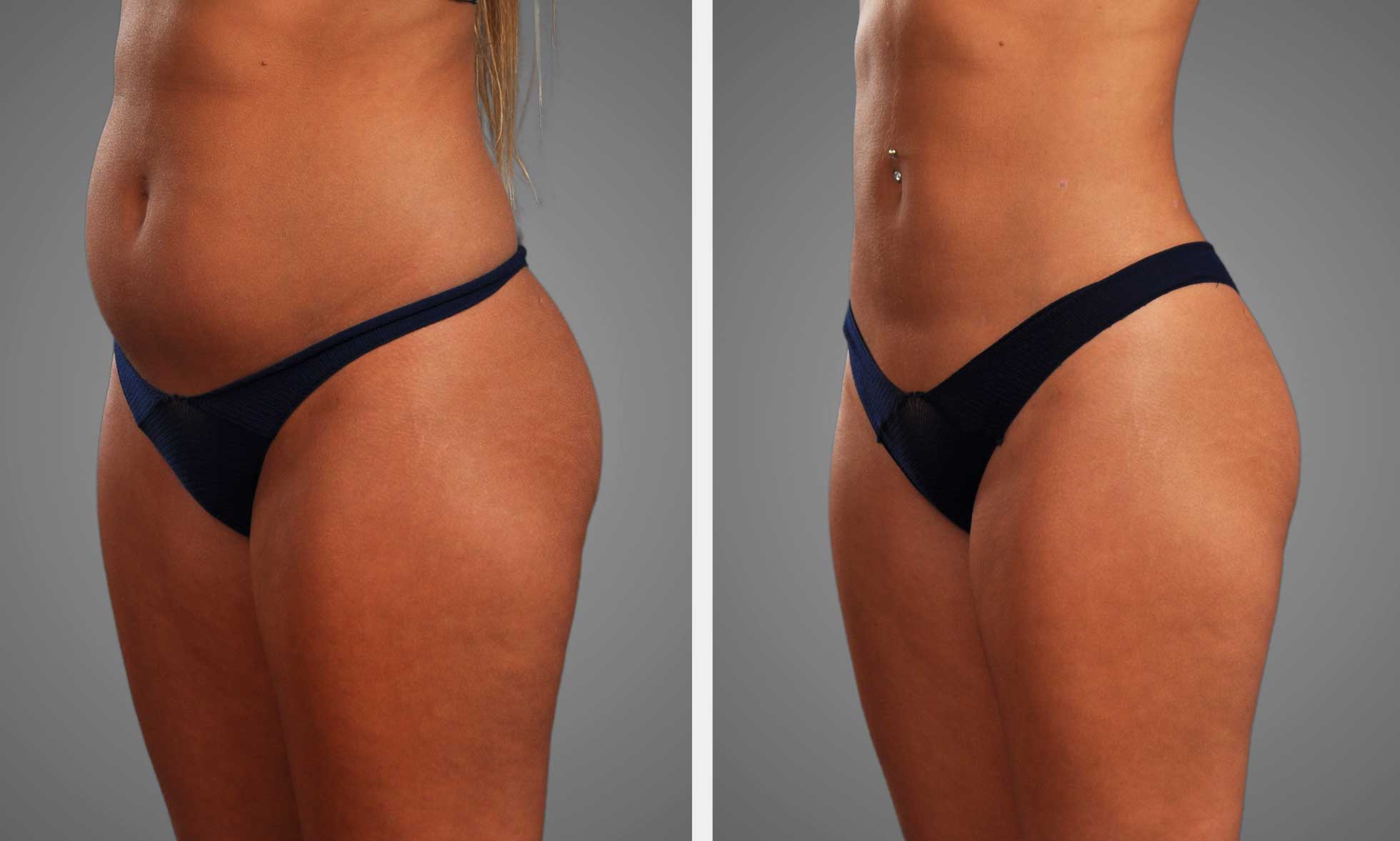
By three months, most of the swelling has gone away, and the final results become clear, although complete healing may take a few months more. Individual variables such as age and the presence of pre-existing health conditions play a role in recovery.
For instance, younger, healthier people tend to heal more quickly, whereas some patients will need extra time. Having friends and family lend a hand in those first few days will make the move back to normal life go a lot smoother.
Importance of Post-Surgery Care
Appropriate care post-surgery is crucial to ensuring proper healing and attaining any cosmetic results you’re hoping for. Compression garments help with swelling, leading to improved contouring, and wearing them as often as recommended helps repair the tissue and maintain a balanced diet.
Ignoring aftercare instructions jeopardizes your recovery. Avoiding follow-ups or returning to high-impact activities before your body is ready can result in complications such as long-lasting swelling or uneven results.
By diligently following your surgeon’s recommendations, you ensure the highest possible satisfaction with your results. Beyond the aesthetics, diligent care minimizes discomfort and ensures a smoother recovery overall.
Common Symptoms During Recovery
A little swelling, bruising, and tenderness is to be expected after liposuction, and that’s nothing to worry about. Swelling is usually the last to clear up, taking weeks and sometimes months, while bruising usually resolves around the two-week point.
The mild discomfort that can be expected during the first few days should gradually improve each day. If pain increases or something seems off, call your surgeon right away.
Being aware of these common symptoms can go a long way towards setting realistic expectations. You might feel some lumpiness or firmness in certain spots.
Don’t be alarmed, this is an expected part of the healing process, and it is something that typically works itself out with time. Knowledge is power, and understanding what to expect can help you be more at ease while your body recovers.
Preparing For Post-Surgery Care
Preparing for post-surgery care is one of the most important steps in ensuring that you heal comfortably and achieve all of your desired liposuction results. By preparing in advance, you can reduce confusion and stress while crafting a more supportive recovery environment.
Prepare for post-surgery care by making your home comfortable and stocking up on supplies. With everything set up and support available, you’ll be prepared to prioritize healing and self-care.
Create a Recovery Plan
A daily act of recovery plan can help you stay focused. Add physical activity, such as brief walks within your home, and plan goals that are practical for when you’ll be back to regular activities.
For instance, going back to work can often occur in around 5–7 days, though this will depend on your surgeon’s recommendations. Allow for realistic recovery time and don’t engage in high-impact activities for at least 4–6 weeks post-op.
Look ahead for struggles, such as requiring additional rest or changing your schedule. Whatever challenges lie ahead, prepare solutions in advance to address them accordingly.
Stock Up on Essential Supplies
Get your post-surgery care supplies ready. Medications, gauze, compression garments, and OTC pain relievers are the foundation of wound care.
Stock your fridge with plenty of nutrient-dense foods, and stay hydrated to keep energy levels up. Plan for mobility aids such as grabbers, chairs, or whatever else to make things easier.
Arrange for Assistance at Home
Get help with homekeeping, including meal preparation and cleaning. It’s extremely important to have someone drive you home after surgery.
Their help in those first few days is crucial, particularly if you have young kids. The emotional reassurance that a support system instills can be a huge help as you undergo a post-surgery recovery period.
Best Practices For Recovery
Recovering properly after liposuction is critical to your safety and achieving optimal liposuction results. A proactive approach, including a well-outlined post-operative care plan, can significantly enhance your lipo recovery experience. Incorporating healthy eating habits and light exercise into your routine will help you feel your best during the recovery process and support complete liposuction recovery.
1. Follow surgeon’s instructions
Following your surgeon’s advice is key. This also means adhering to their post-procedure care instructions, from taking prescribed medications as directed to ensuring the surgical site remains clean to avoid infections.
Keeping all of your follow-up appointments helps your doctor keep track of how you’re doing and deal with any problems right away. Even the slightest change from this protocol can result in serious consequences such as prolonged recovery or undesirable side effects.
2. Wear compression garments
Compression garments are the key to post-workout recovery. They aid in reducing swelling, increasing circulation, and promoting skin retraction to its new shape.
Most surgeons recommend wearing them full time for the first 2-3 weeks, then tapering down over time. Patients report a greater sense of reassurance as they transition into this phase, which helps instill a greater degree of confidence in the healing journey.
3. Stay hydrated
Proper hydration supports recovery by ensuring healthy circulation and elasticity of the skin. Drink plenty of water.
Aim for at least eight glasses of water every day to keep your body running at full capacity. Proper hydration can help you avoid complications such as dehydration that can set back your recovery progress.
4. Maintain a balanced diet
Your nutritional intake plays an important role in the recovery process. Pack your plate with healthy foods, such as lean proteins, copper-rich leafy greens, and whole grains to enhance recovery.
In addition to weight loss, where untreated regions could see an impact, portion control is just as important to prevent weight gain. Advanced meal prep helps you stay on track with nutrient-dense foods every day.
5. Avoid strenuous activities
In the first few weeks, steer clear of jumping or impact workouts, as well as doing any heavy lifting. Even light walking, which is usually advised as soon as within the first week, is shown to enhance circulation and decrease the risk of blood clots.
Intense exercise should be delayed for at least 4 to 6 weeks to avoid serious complications.
6. Manage pain effectively
Prescribed medications or relaxation techniques can help ease post-operative pain. Ice packs are useful to reduce discomfort, and gentle stretching can relieve stiffness.
Be honest and forthcoming about your pain level with your healthcare provider so you can modify your care plan if necessary.
7. Keep follow-up appointments
Follow-up visits are key to gauging progress. These appointments can be a great time to discuss your specific concerns and further refine your recovery plan.
They play an important role in making sure you’re recovering as desired, which is key to long-term success.
Maintaining Long-Term Liposuction Results
Achieving optimal liposuction results requires more than just the surgical procedure; it demands a commitment to healthy habits and nutrition. By integrating a regular exercise regimen and focusing on meal plans that include lean protein and certain foods, you can ensure effective recovery and protect your investment in liposuction treatment for a sustainable body transformation.
Long-term maintenance is essential for complete liposuction recovery. Embracing a proactive approach to lifestyle habits will enhance your quality of life and body image, allowing you to enjoy the benefits of your cosmetic procedure while minimizing future weight gain.
Adopt a Healthy Lifestyle
Maintaining long-term liposuction results begins with daily habits done on purpose. Consider these practical lifestyle changes:
- Focus on whole foods like lean proteins, fruits, vegetables, and whole grains. Eating 5-7 smaller meals spread throughout the day helps to keep hunger at bay and prevent mindless unhealthy snacking.
- Drinking plenty of water keeps energy levels stable and curbs unnecessary cravings.
- Aim for 7-9 hours of quality sleep to support recovery and metabolism.
Making these habits part of your daily life will make sure you enjoy your long-term results. Create bite-sized, achievable milestones to simplify your process.
Planning nutritious meals in advance and setting regular bedtimes can help make the difference.
Incorporate Regular Exercise
Physical activity is key to keeping the weight off after liposuction. Begin with low-impact activities, like walking or yoga—particularly in the early recovery stage.
Once you’ve fully healed, return to cardiovascular exercises like swimming or biking. Combine these activities with strength training to improve muscle tone and increase your overall fitness level.
Setting a realistic exercise routine with a goal, like 30 minutes a day, lays the foundation for long-term success.
Monitor Weight Changes
Keeping an eye on your weight fluctuations allows you to be proactive about keeping your results. Make it a practice to weigh yourself regularly and look for trends indicating increased caloric intake or decreased caloric expenditure.
If you start to see some weight gain, you can change your diet or exercise to accommodate that. Writing in a journal or using health-related apps can help keep you accountable too.
Avoid Unhealthy Habits
Here are some habits that could be harming your new results. To be blunt, if you plan on overeating, smoking, or otherwise living a sedentary lifestyle, don’t get liposuction.
For instance, stopping smoking no less than 4-6 weeks before surgery and continuing smoke-free habits after the procedure is essential to healing.
Turn negative habits into positive ones, such as cooking portion-controlled meals or picking up hobbies you love that involve movement.
Addressing Common Challenges
Recovering from liposuction treatment can be daunting. By understanding the lipo recovery process and finding out how to tackle these hurdles, you’ll ensure that your recovery journey is a far more pleasant experience. Address widespread challenges and take preventive approaches. Doing so will not only help you to heal more effectively but will also increase the efficacy of your liposuction results.
Managing Swelling and Bruising
Swelling and bruising, a normal reaction to surgery, can be quite severe, affecting up to 80% of patients. Swelling usually gets worst on the third day after surgery. It then slowly tapers off, but that can take weeks or even months to fully subside.
Bruising usually goes away in 2-3 weeks. Elevating the treated site and using cold compresses for brief periods of time can help lessen these side effects. Staying well-hydrated and eating a healthy diet full of vitamins will further support the body’s recovery process.
Gentle activities such as walking, which most patients can begin within a few days of surgery, get blood circulating and help diffuse swelling over time. If your swelling or bruising doesn’t resolve after the normal time period, make sure you reach out to your provider so you can be directed accordingly.
Dealing with Discomfort or Pain
It’s typical for mild to moderate discomfort to occur during the recovery period. Over-the-counter or prescription drugs for pain can effectively relieve pain when used as directed. Integrating relaxation techniques, like deep breathing or mindfulness, helps release tension and discomfort as well.
Always listen to your body and don’t try to play through pain—doing so only slows recovery. If pain does get out of control, contacting your physician helps get to the root of the issue sooner rather than later.
Preventing Infections
Proper incision care is an important step to prevent infections. Wash the surgical site as advised and redress as necessary. If you notice signs of infection, including redness, increased warmth, swelling, or discharge, get help right away.
Never hesitate to call your surgeon if you are experiencing any of these symptoms. If you notice odd or drastic changes in the area, alert your doctor as soon as possible to address possible complications and find comfort while you heal.
Handling Emotional Changes
Healing isn’t only physical. Emotional changes are to be expected. It can be easy to feel discouraged, anxious, or angry with your body during the healing process.
Give yourself grace and remember that your mental health comes first. Discussing your feelings with family, friends, or a counselor can help you cope with the emotions you’re feeling.
Even basic self-care moves, like indulging in your hobbies or spending time in nature, can go a long way in improving your mood and maintaining emotional equilibrium.
Warning Signs To Watch For
Post-surgery recovery is a very important time. By focusing on these warning signs, you can help ensure that you get the most from your liposuction. Knowing what warning signs to watch for is essential. It allows you to make decisions quickly and address issues before they become problems, resulting in a healthier recovery.
Here, we outline the major warning signs and what you can do in recovery.
Recognize Signs of Complications
Some symptoms can be warning signs of complications that you should seek emergency medical care for. The presence of moderate to severe pain that persists beyond the first 2 weeks is a warning sign. In the same way, fever, which may indicate an infection, should raise concern, too.
Swelling, bruising, or redness that suddenly appears in new areas after the initial phase of healing is another potential concern. Shortness of breath or chest pain may signal a severe issue, such as a blood clot. This needs serious and urgent consideration.
You will probably develop painful/uncomfortable lumpiness and bruising in the first month. If you see any signs of improvement, or if discomfort persists beyond 4-6 weeks, it’s time to consult with your healthcare provider.

Your surgeon will be able to better identify patterns or causes if you are keeping a daily record of your symptoms, so be as thorough as possible.
When to Contact Your Surgeon
More importantly, it’s crucial to understand when to consult a pro for expert advice. If you develop any of these signs, contact your surgeon right away. Open communication is critical so don’t ever be afraid to raise a concern—even if you think it’s small.
If you’re confused about swelling, or want to know why your pain is lasting for months, your surgical team should be ready to help you navigate these questions. Knowing what to expect as normal and what should raise concern will keep you informed, proactive, and confidently on the road to recovery.
Benefits Of Proper Post-Surgery Care
Proper post-surgery care is important to ensure that you get the best results possible from your liposuction procedure. Doing so not only contributes to a more pleasant recovery but can help you achieve greater long-term satisfaction with your new body contours.
Make the pledge to a conscientious aftercare routine! You’ll find short-term and long-term rewards that make the effort worthwhile.
Faster Healing Process
Adhering to post-surgery guidelines can make all the difference in getting back on your feet as quickly as possible. Having patients wear compression garments in the first few weeks is a big help in controlling swelling.
Proper hydration improves your body’s natural healing processes and can help you recover faster. While movement is important as recovery progresses, rest plays a very important role in the early days, as it lets tissues heal without extra stress.
By introducing new, low-impact exercises such as walking, you will improve circulation and reduce the chances of complications such as blood clots. Most patients return to regular activities in one to two weeks, with lighter activities starting much sooner.
When you make recovery your top priority, your body will have everything it needs to heal quickly and thoroughly.
Improved Results Longevity
The permanence of liposuction results is ultimately based on maintenance. Compression garments assist in shaping the treated areas, while allowing for proper contours to be formed.
Long-term success is dependent upon making healthy lifestyle choices, like eating a healthy diet and being physically active on a regular basis. These habits maintain the surgical results and keep things from going south.
Patients who consistently follow these practices find themselves reaping the benefits for years to come, making the investment in aftercare extremely worthwhile.
Reduced Risk Of Complications
With proper, diligent care, complications are greatly reduced. By keeping an eye on your progress and discussing any concerns early on, you can avoid problems from getting worse.
Steer clear of vigorous exercise for at least four to six weeks to reduce pressure on areas that are still recovering. Instead, do some light activity to increase blood flow and reduce swelling.
By adhering to these protocols, patients have fewer complications and improved results, increasing quality of care and patient satisfaction.
Conclusion
Your post-surgery care can help you maximize your new look. Adhering to post-surgery recommendations—staying active, eating a nutritious diet, and listening to your physician—will have a big impact on your recovery. Not only do these habits help in establishing quality results, they help maintain quality results. Listen to your body and don’t let problems fester. Even minor investments today can make a permanent improvement in years to come.
Your journey doesn’t end when you leave the OR—it’s a lifelong commitment that pays off with dedication and attention. By maintaining an emphasis on recovery and maintenance, you’re preparing yourself for a happier, healthier, and more confident you. Stay educated, stay diligent, and have faith in the process.
To learn more or if you have questions about your specific recovery plan, contact your medical professional or other trusted sources. Your health is worth the investment.
Frequently Asked Questions
What is the typical recovery time after liposuction?
Typical recovery time after liposuction surgery is 4-6 weeks. While most people can resume normal activities within 2 weeks, complete liposuction recovery may take longer. To achieve optimal liposuction results, follow your surgeon’s post-op care instructions closely.
How can I prepare for post-surgery care?
Create a recovery zone and load your pharmacy while scheduling post-op support at home. Following post-op care instructions, including wearing compression garments, is crucial for optimal liposuction results.
What are the best practices for liposuction recovery?
Drink plenty of water, maintain a balanced diet rich in lean protein, and stick to your post-op plan provided by your surgeon for optimal liposuction results. Compression garments minimize swelling while supporting your body as it begins to heal.
How do I maintain long-term liposuction results?
To achieve optimal liposuction results, eat a nutritious diet, stay active, and maintain healthy meal habits to prevent major fluctuations in your weight after the lipo treatment.
What are common challenges during liposuction recovery?
Swelling, bruising, and mild pain or discomfort are common side effects of the liposuction treatment that typically resolve within weeks. For optimal liposuction results, contact your surgeon immediately if symptoms worsen.
Are there any warning signs I should watch for?
Look for severe pain, swelling, fever, or unusual drainage from incisions after your liposuction treatment. These signs may indicate complications, so contact your surgeon right away for optimal recovery.
Why is proper post-surgery care important?
By following effective recovery strategies post-liposuction treatment, you will heal faster, avoid complications, and achieve your final liposuction results more effectively, ensuring long-term satisfaction and wellbeing.