Directions
 Call Us
 Email Us



Key Takeaways
- BBL surgery is a cosmetic procedure that uses fat grafting to enhance the shape and size of the buttocks, aiming to improve body proportions and self-confidence.
- As always, patient safety should be our number one priority. Risks including fat embolism, anatomical considerations, and injection methodology require comprehensive preoperative evaluations and exacting surgical technique.
- The best candidates for BBL surgery are those who are healthy overall, have a clear understanding of their goals, and enough fat reserves to perform the procedure. Maybe even more importantly, psychological readiness.
- Beneficence, non-maleficence and informed consent are ethical principles that guide responsible practices. They help to educate patients, equipping them to make informed decisions about their care.
- Selecting a qualified, board-certified surgeon with extensive experience in performing BBL procedures is essential for mitigating risks and ensuring optimal results.
- 3 Track your condition closely and watch for early warning signs of complications to promote long-term health and wellbeing.
Ethical considerations in BBL surgery place patient safety at the forefront. They advance ethical practices by making sure procedures are conducted in a responsible manner and with clear information. A Brazilian Butt Lift (BBL) involves transferring fat from one part of the body to another, but it comes with risks that require careful attention.
Putting patient safety first requires following high medical standards, utilizing appropriate techniques, and being transparent about possible outcomes. Responsible practices go beyond just making sure that patients are aware, surgeons are qualified, and post-operative care is well managed.
By having a better understanding of these ethical principles, you will be able to make more informed decisions regarding your health, well-being, and safety.
What is BBL Surgery?
A Brazilian Butt Lift (BBL) is a cosmetic procedure focused on reshaping and enhancing the buttocks. It’s a complex process that utilizes fat grafting techniques. First, surgeons remove fat from areas of the body such as the abdomen, thighs, or flanks through liposuction.
Finally, they inject the transferred fat into the buttocks. The intended result is a more voluminous and shaped look that matches the patient’s cosmetic wishes. BBL achieves this by using the patient’s own fat, rather than artificial implants. This innovative approach mitigates the risks of rejection and complications associated with foreign materials.
BBL surgery has exploded in popularity over the past decade, mostly due to changing beauty standards. Female empowerment, perpetuated by pop culture and social media influencers, has been an undercurrent behind the fad that made people more likely to desire the procedure. It adds an incredibly natural-looking shape to the buttocks.
Additionally, it sculpts other body parts as it extracts fat. Though without dangers for the most part, BBL surgery is transformative for many, providing significant enhancements in body image and sexual self-confidence. Patients describe increased comfort with their clothing and attaining a shape that matches their desired aesthetic goals.
The short recovery time allows most patients to resume their daily activities within weeks. The results continue to improve over the months, providing long-term satisfaction for patients seeking improved proportions and symmetry.
Defining Brazilian Butt Lift
A BBL is actually a specific type of gluteal fat grafting, which is a procedure to reshape the buttocks. Liposuction is needed to remove the fat that’s in excess deposits like the stomach or thighs. This harvested fat is then purified and carefully injected into the buttocks to achieve a lifted, contoured appearance.
The actual procedure is mostly about improving the natural shape and size of the buttocks to achieve balanced and proportional results.
Goals of BBL Surgery
The primary goal is to create a natural-looking, fuller, rounder buttocks. Secondary goals are often to improve the patient’s overall body proportions. For instance, harvesting fat from the abdomen during liposuction to create an hourglass appearance.
In addition to these visible physical results, many patients walk away with psychological improvements, like heightened self-esteem. Success relies on matching achievable surgical results with any given patient’s expectations for the procedure, making these pre-surgical conversations a cornerstone of appropriate patient consultation.
Ideal Candidates for BBL
PLENTY OF FAT DEPOSITS are a must for harvesting, as the procedure uses the patient’s own fat. The candidates should be psychologically set up to understand the physical appearance, changes with their emotional response after patients undergo these types of surgeries.
Though many board-certified surgeons don’t require a mental health evaluation, they may recommend counseling to ensure the patient has realistic expectations.
Unique Risks of Gluteal Fat Grafting
Gluteal fat grafting, otherwise known as Brazilian Butt Lift (BBL) surgery, poses some unique risks that set it apart from other cosmetic surgeries. Whether in a clinic, office, or patient home, understanding these unique risks are critical to ensuring patient safety and informed decision-making.
The elective cosmetic procedure serves to improve an individual’s body contour. It needs a closer look at possible complications and measures taken in advance to prevent them.
1. Fat Embolism Explained
Fat embolism is the most serious known risk of BBL. It happens when fat globules accidentally enter the vascular system, where they can clog critical blood vessels. This can progress to life-threatening conditions, like respiratory compromise or multisystem organ failure.
Indeed, fat embolism is the most frighteningly contributing cause of death with gluteal fat grafting. Claiborne et al’s analysis found a risk of 1 in 3,000 patients developing this potentially fatal complication. Understanding this as a central dynamic highlights the need for restraint and skill.
2. Anatomical Considerations
In addition, deep structures in the gluteal region lie in close anatomic relationship with major arterial vessels and critical neurovascular structures. An appreciation for the position and development of these anatomic structures is key to providing the appropriate results.
Surgeons must consider variations in individual anatomy when planning procedures to reduce complications like asymmetry or accidental injury to critical structures.
3. Injection Technique Matters
As is the case with any surgical procedure, correct injection techniques are critical to reducing risk. Poor technique, including injecting fat too deep and close to or into the muscles, raises the risk of fat embolism.
It’s critical for surgeons to arm themselves with knowledge of best practices to protect their patients and achieve aesthetic outcomes.
4. Patient-Specific Risk Factors
Each patient brings unique risk factors, such as medical history, body composition, or lifestyle habits. Thorough preoperative assessments by qualified plastic surgeons allow for personalized surgical strategies, reducing potential complications like infections or uneven results.
Ethical Principles in BBL Surgery
Ethical principles provide a foundation for informed decision-making in Brazilian Butt Lift (BBL) surgery. They advocate for the rights of patients, keeping their safety as the primary focus. Incorporating these ethical principles into every dimension of surgical care can help make providers advocates for responsible practice and build trust with the public.
Its main emphasis is on four principles: beneficence, non-maleficence, patient autonomy, and justice. Each one of these principles is instrumental in assuring that procedures are done ethically and safely.
Beneficence and Non-Maleficence
Beneficence demands that healthcare providers act in the patient’s best interest by prioritizing outcomes that improve well-being. Non-maleficence emphasizes the importance of avoiding potential harm when performing a surgical procedure. In BBL surgery, this balance is critically important.
For instance, malpractice litigation requires surgeons to choose methods that reduce the incidence of fat embolism, a rare but potentially lethal complication. Pre-surgical evaluations, particularly when they include psychological screenings, are key to preventing this harm. They find body dysmorphic disorder (BDD) or eating disorders, which can contribute to poor surgical outcomes.
These symptoms are difficult to detect without specific screenings, but tools like the BDDQ-DV help identify them, allowing patients to be more mentally prepared for surgery.
Patient Autonomy and Respect
Respecting patient autonomy means giving patients the tools they need to self-determine their care. Honest conversations regarding risks, benefits, and true expectations should be the norm. This involves open discussions about length of recovery, maybe the possibility of scarring or the requirement of post-op counseling.
Informed consent should be more than a checkbox—it should be an open dialogue to help patients grasp the complexity of the procedure and its repercussions. This is where board-certified surgeons come into play when building trust and respect.
Justice and Equitable Access
Justice emphasizes fair treatment and access to care. Unfortunately, disparities exist, with some populations facing barriers to procedures like BBL. Ethical practice calls for addressing these gaps, advocating policies that ensure resources are distributed equitably.
For instance, mental health readiness evaluations and post-op support groups should be accessible to all candidates, regardless of economic background.
Informed Consent: A Cornerstone
As part of the patient-centered approach, informed consent upholds the principle of autonomy, allowing individuals to make decisions about their health with full understanding. This is especially critical in cosmetic procedures such as the BBL, where the surgery is voluntary and performed on the patient’s particular aesthetic demands.
Patients need to be armed with concise, complete information so they can make informed decisions about their choices.
Discussing Risks and Benefits
Continuing an open dialogue that includes a discussion of potential risks and benefits remains essential to the informed consent process. An honest and thoughtful discussion allows patients to make informed choices and be aware of both the benefits and potential risks.
Among key risks to be mitigated are fat embolism, infection, and asymmetry, with potential benefits including enhanced body contour and self-esteem. Patients require sufficient time to digest this type of information and pose additional questions before they can feel assured about their decision.
Managing Patient Expectations
To manage expectations, transparent communication about realistic short and long-term outcomes is key to setting expectations with diverse stakeholders. Factors like body type, health history, and lifestyle can influence results, and addressing these during preoperative consultations minimizes the risk of dissatisfaction.
A transparent portrayal of the procedure’s potential limitations, alongside images or examples of similar cases, helps patients visualize realistic outcomes.
Documenting the Consent Process
Deep and complete documentation of each step in the consent process is not only a legal safeguard, but an ethical imperative. Records must clearly reflect what was communicated to the patient, what questions they had and the patient’s indication that they understand.
Thorough documentation safeguards the autonomy of the patient and the integrity of the surgeon, thus strengthening trust in the physician-patient relationship.
Responsible Surgical Practices
Responsible surgical practices are the first step towards ensuring ethical care and patient safety in Brazilian Butt Lift (BBL) surgery. These practices are based on following the professional guidelines, ongoing training and education, and focusing on patient safety at all times and in all aspects.
Adhering to accepted protocols reduces the potential for harm, leads to safer processes, protects patients, and fosters public confidence in surgeons and the surgical process. Organizations such as SICPRE stress the importance of ethical frameworks to inform and direct surgeons.
This enables them to uphold a high standard of professionalism and transparency in today’s digital ecosystem.
Patient Selection Criteria
Recognizing appropriate candidates is one of the most important steps in ensuring BBL is performed safely and responsibly. Physical considerations to be taken into account by the surgeon include body mass index (BMI), general health, and skin elasticity.
Just as important is gauging psychological readiness, making sure patients have appropriate expectations and an understanding of what the procedure involves. Comprehensive pre-surgical evaluations, including detailed medical histories and consultations, not only prioritize safety but improve satisfaction by aligning outcomes with patient goals.
Safe Injection Techniques
Safe fat grafting techniques such as the ones above are essential for decreasing complications such as fat embolism. Injecting fat only into the subcutaneous layer and avoiding deeper layers close to major blood vessels are important preventive measures.
Having regular training teaches surgical teams to continue to evolve with techniques and demonstrates a commitment to patient safety. For instance, focusing on ultrasound guided procedures can improve accuracy and minimize complications.
Anesthesia Considerations
I have learned that anesthesia takes a lot of detailed preparation. Having qualified anesthesiologists available and on hand to monitor patient vitals during the procedure is important.
Increasing patient knowledge about anesthesia options and associated risks encourages informed decision-making. When emergencies arise, facilities need to guarantee that every member of their staff is prepared with up-to-date certifications and training.
Facility Accreditation and Safety
Accreditation signals commitment to safety standards. Verified facilities follow strict protocols of quality control, from equipment sterilization to the upkeep of medical instruments and machinery.
Patients must independently gather information on credentials and select care environments that adhere to accepted safety standards.
Marketing and Advertising Ethics
In the cosmetic surgery industry, ethical marketing practices are more important than ever. They shield patient trust and confidence, ensuring that cosmetic surgery patients can make informed choices. The Brazilian Butt Lift (BBL) procedure has been on the rise, but it poses significant medical risks that necessitate a thoughtful advertising strategy. Thus, clear and honest communication regarding all potential outcomes, costs, and risks is crucial to honoring our professional moral obligation to patients above all else.
Avoiding Misleading Claims
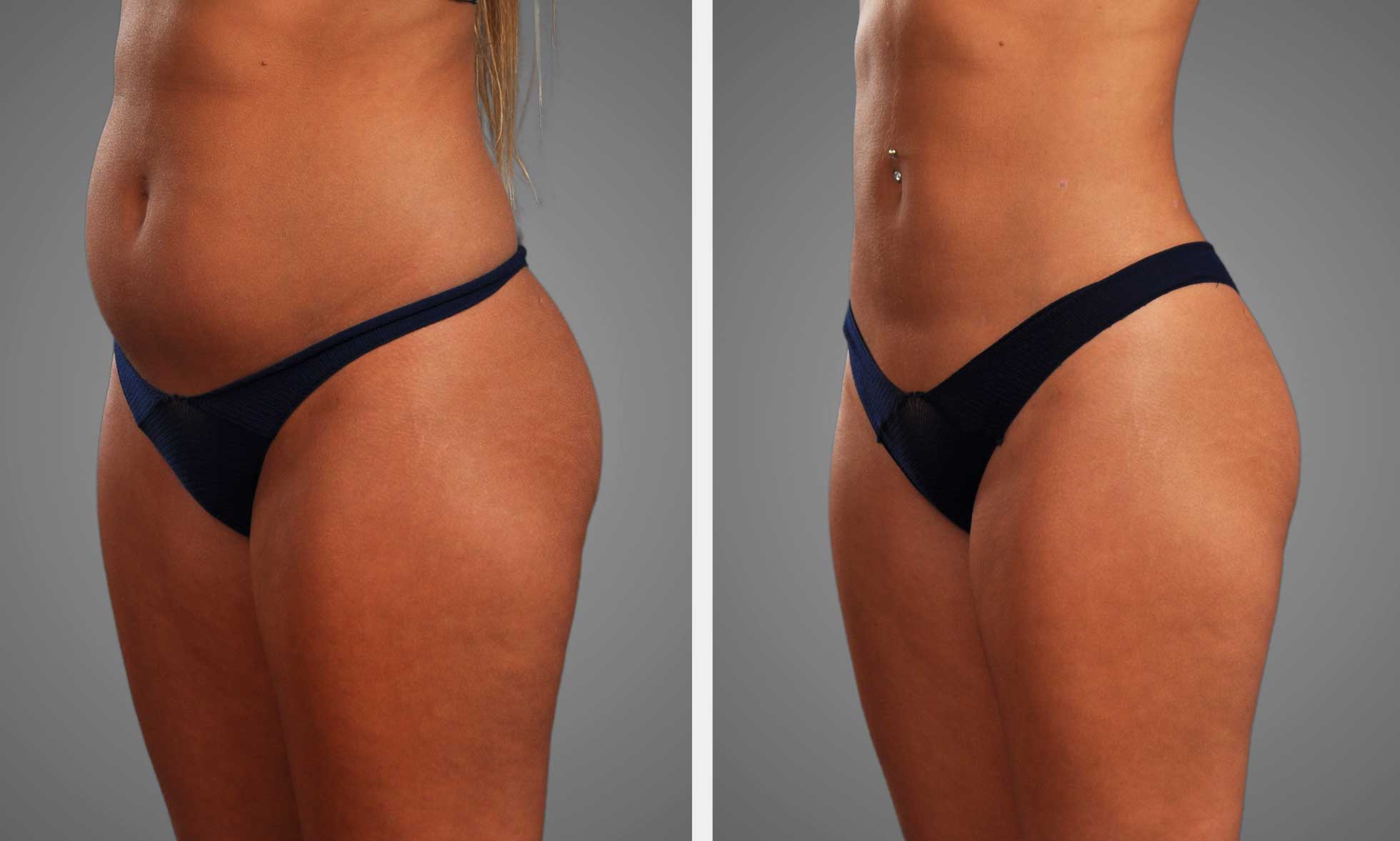
Steering clear of misleading claims in BBL marketing is a central tenet of ethical practice. Marketing unrealistic outcomes like using misleading before and after photos or overhyping their treatment’s results can lead to dangerous, misleading expectations. For example, ads that leave out the recovery experience or surgical risks might cause prospective patients to underestimate the complexity of the procedure.
Regulatory bodies such as the Australian Health Practitioner Regulation Agency (AHPRA) and the UK’s Advertising Standards Authority (ASA) have provided specific guidelines. They demand that all promotional materials be scientifically accurate and not misleading. By ensuring that all marketing is ethical, we put real information into the world, allowing the patients to make informed decisions based in reality.
Realistic Before and After Photos
Only utilizing realistic before and after photos is the third key component of ethical advertising. Realistic, compliant visuals help to establish accurate expectations and therefore lower the chances of disappointment or dissatisfaction after surgery. For instance, if their ads featured photos that represented a realistic timeline of recovery, they could set patient expectations before they even walk through the door.
AHPRA and similar systems in the EU and Qatar serve as examples of the importance of truthful visual depiction. They specifically prohibit the use of misleadingly edited or cherry-picked imagery.
Transparency in Pricing
Transparent pricing encourages trust, accountability, and competition in the ecosystem. By defining the price upfront, including consultation fees, surgical costs, and post-op treatment, you arm your patient with all of the necessary financial information. The American Society of Plastic Surgeons encourages free discourse.
This kind of transparency goes a long way in discouraging hidden fees and surprise expenses that destroy trust. Ethical considerations and regulatory guidance around the world support transparency in pricing and aim to shield patients from predatory cash-grab tactics.
Surgeon Credentialing and Training
The most important step to improving patient safety during Brazilian Butt Lift (BBL) surgery is choosing a qualified surgeon. Surgeon credentialing primarily emphasizes the proper education, training, and board certification. This process is crucial for improving patient safety and limiting systemic abuse in our provider workforce.
The quality of a surgeon’s expertise extends past technical skill. It involves developing ethical decision-making, engaging in high-quality communication with patients, and adhering to the highest standard of care.
Importance of Board Certification
Board certification, while not enough on its own, is an important signal that a surgeon has the required qualifications and competence to perform cosmetic procedures. Surgeons certified by the American Board of Plastic Surgery undergo rigorous evaluation, ensuring they meet strict standards in training and ethical practice.
Increasingly for patients, this certification is a good source of peace-of-mind. In fact, 75% of all BBL-related deaths have been associated with non-board-certified practitioners. Proven techniques Board-certified surgeons have to adhere to best practices.
By making patient safety their top priority, their certification makes them a critical factor in provider selection.
Continuing Medical Education
Moreover, the continuing education of credentialing practices on academic and technical advances in surgical techniques is paramount. Through continuing medical education, surgeons ensure they know the most up-to-date techniques and safest protocols which directly translates to better patient outcomes.
As an example, new advances in gluteal fat grafting techniques have significantly decreased complication rates. Active engagement in lifelong learning better prepares surgeons to make informed decisions, adjusting to new developments as best practices evolve, and thus continue providing safe, quality care.

Maintaining Surgical Competence
Regular practice and peer-reviewed evaluations are vital for maintaining surgical precision. Competence impacts everything from minimizing risks to achieving optimal results.
Ethical surgeons assess patient candidacy thoroughly, ensuring procedures align with individual health needs while adhering to transparent communication and billing practices.
Managing Complications Ethically
Complications are an inevitable consequence of all plastic surgery procedures. To act ethically, cosmetic surgeons must prioritize patient safety and uphold ethical standards by being transparent and honest when addressing potential complications. These principles are crucial for building public trust and establishing a responsible practice of cosmetic surgery.
Early Intervention Strategies
Early intervention is crucial in managing complications ethically. In medicine, timely, thoughtful responses can prevent harm from exponentially increasing, as well the negative effects to the patients affected. Even in the rare cases of fat embolism—a complex, serious complication—rapid recognition and urgent care are critical.
Surgeons need to have clear, actionable protocols in place to address complications before they happen. Most importantly, these protocols help avoid complications by improving the quality of care provided and measure of success. By staying informed on the latest research and advancements in BBL procedures, surgeons can enhance their ability to manage potential issues proactively.
Patient Communication During Complications
Bad and unclear communication can sometimes even breed resentment, making clear and empathetic communication a cornerstone of managing complications ethically. Patients deserve to receive clear information regarding their complications. They need to understand the process you’re undertaking and what they can expect as your work unfolds.
This openness goes a long way in easing stress and generating trust between the surgeon and the patient. Frequent communication with updates and comfort along the way are of utmost importance. These steps make obvious the surgeon’s good faith effort with respect to the patient’s safety.
Ethical Considerations in Revision Surgery
Revision surgeries these days are replete with ethical quandaries. Surgeons should consider the full scope of the patient’s medical history, past results and general well-being before moving forward. Safety and informed expectations must remain at the forefront of ethical decision-making always, and never in a compensatory way.
This way, revision procedures can be every bit as patient-centered and ethically justifiable as primary surgeries.
The Role of Social Media
With the rise of social media, beauty standards have changed drastically and so has our attitude towards cosmetic surgery, specifically for Brazilian Butt Lifts (BBL). Social media platforms such as Instagram and TikTok provide amazing access to information, connecting patients directly to surgeons and displaying surgeons’ skill, training, and artistry through videos.
In fact, as many as 70% of patients turn to the internet to compare, contrast, and review reputable surgeons and complex surgical procedures. The democratization of this information, while exciting and empowering, has created some impactful new challenges.
Addressing Unrealistic Expectations
Social media plays a key role in this issue. Wealthy influencers, filters and curated images can definitely distort perceptions. Unfettered aggressive marketing can raise the bar on outcome expectations and set prospective patients up for disappointment.
For example, the increase in cosmetic surgeries to improve the “selfie” look underscores this impact. In these consultations, surgeons should work to manage these expectations by setting clear, realistic expectations for what surgery can achieve.
Issuing clear educational materials that delineate the risks involved and honest expectations of what will come about is a key step towards fostering informed decisions and ultimately patient happiness.
Promoting Body Positivity
Focusing on body positivity helps to combat some of the expectations that our society has created, which are even more amplified through social media. The more we promote and celebrate all shapes and sizes, the less people will have to focus on fitting into a restrictive beauty box.
By encouraging self-acceptance, patients will be better empowered to make decisions based upon personal empowerment rather than societal pressures. Initiatives such as social campaigns or patient-focused discussions can help reshape narratives around cosmetic surgery, making it a tool for self-enhancement rather than societal approval.
Combating Misinformation
Misinformation about BBL surgery, often driven by social media influencers, runs rampant online. Though board-certified and fellowship-trained surgeons tend to provide clear, honest information, there is still a widespread lack of disclosure.
Collaborative efforts toward the development of high-quality, evidence-based medical content by medical professionals can minimize confusion and misinformation. Ensuring ethical marketing practices to protect vulnerable individuals from exploitative promotions targeting self-esteem issues is essential.
Conclusion
BBL surgery requires something beyond technical skill. Yet it demands a profound disposition towards patient safety, transparency and ethical responsibility. Every choice, starting with that initial consult, through the surgery and following, permeates through each decision and each outcome and creates or breaks that trust. Patients deserve clear information, honest expectations, and care from qualified professionals who prioritize safety over trends. For the bbl surgeons, it should mean ongoing education and training, responsible and ethical marketing efforts, and accepting responsibility when risks or complications arise.
Social media adds another layer, influencing perceptions and choices. With responsible sharing and accurate information, we can protect patients and professionals alike.
Ethical practices and patient-focused care must be at the forefront of every move. If you or someone you know is considering BBL surgery, do your research, understand the risks, ask questions, and seek out practitioners who value these ideals.
Frequently Asked Questions
What is BBL surgery?
BBL (Brazilian Butt Lift) surgery is a cosmetic procedure where fat is transferred from areas like the abdomen, thighs, or back to the buttocks, addressing certain beauty standards to enhance shape and volume.
What are the unique risks of BBL surgery?
BBL surgery, for example, carries much higher medical risks than most other cosmetic surgery procedures. The biggest complication risk is that of fat embolism, which can be life-threatening. Selecting a highly qualified plastic surgeon minimizes these serious risks.
Why is informed consent important in BBL surgery?
Informed consent in cosmetic surgery requires that patients fully understand the risks, benefits, and specifics of the cosmetic surgery procedure, empowering them to make educated decisions about their medical care.
What ethical practices should a BBL surgeon follow?
Ethical surgeons should prioritize patient safety and uphold ethical standards by providing honest consultations that emphasize informed consent taking. They must also engage in ongoing training and handle potential complications to ensure safe cosmetic surgery procedures.
How can patients verify a surgeon’s credentials for BBL?
Check for board certification and appropriate training in gluteal fat grafting from qualified plastic surgeons, and review testimonials from previous cosmetic surgery patients regarding their experience with BBL surgeries.
How does social media affect BBL surgery ethics?
Social media trends can be harmful by providing cosmetic surgery patients with unrealistic beauty standards or promoting unsafe aesthetic procedures. Qualified plastic surgeons should be responsible for marketing that misleads the public and pressures patients into elective procedures.
What should you do if complications arise after a BBL?
If you experience any abnormal symptoms, contact your cosmetic surgeon right away to be evaluated and treated. Ethical concerns necessitate that surgeons handle any complications with transparency and proper post-operative care to prioritize patient rights.