Directions
 Call Us
 Email Us



Key Takeaways
- Thigh liposuction is often performed to remove excess fat in the inner or outer thigh. A thigh lift targets the loose or sagging skin that liposuction alone can’t address.
- Together, these procedures can deliver a more comprehensive thigh contour. Together, this method eliminates the bulk and contours the skin to reduce wrinkling and sagging, creating a smoother, firmer appearance.
- For optimal results, develop an individualized surgical plan based on your goals, skin quality, and body type to determine the best approach. Proper and open communication with your board-certified plastic surgeon will set you up for success!
- Patients who want to undergo these procedures should be at a near ideal, stable weight and in overall good health. They need to be realistic about their recovery and results as well.
- Your overall recovery will include closely managing swelling, consistently wearing compression garments and slowly easing back into everyday life—all with the help of your surgeon’s expertise.
- Understanding potential risks and following all pre- and post-operative instructions helps maximize safety and satisfaction with your transformation.
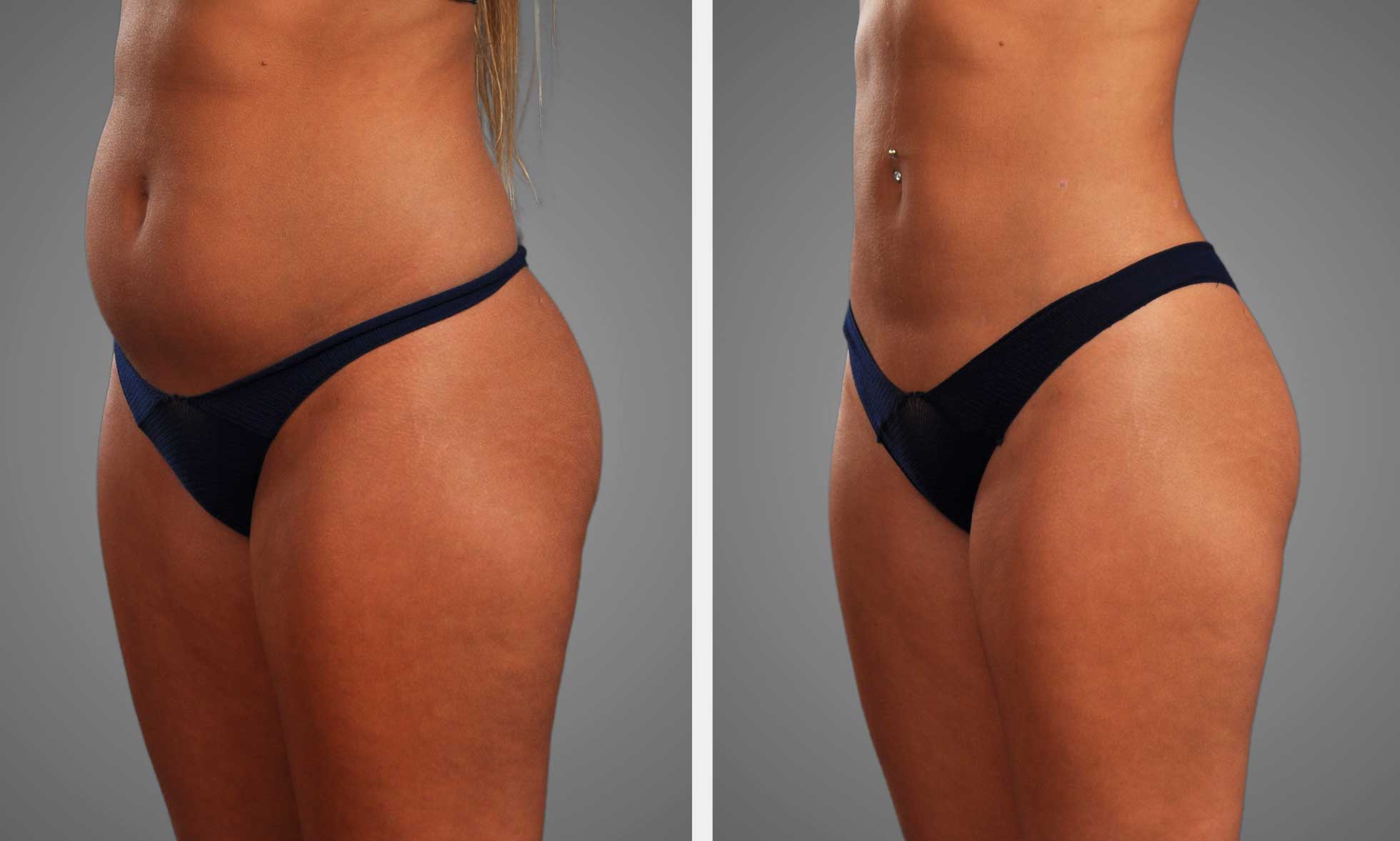
Together, thigh liposuction plus thigh lift is a potent combined procedure. It’s the perfect solution to eliminate both stubborn fat deposits and aged, sagging skin from the thighs. Increasingly, Los Angeles patients are opting for these two procedures in tandem to achieve both slimmer thighs and tighter skin with a single surgical procedure.
Liposuction eliminates stubborn fat deposits, and the thigh lift procedure removes excess skin and sculpts the inner thighs. This method is typically most effective for patients who are post-bariatric. It’s invaluable for patients who wish to correct sagging skin and stubborn fat unresponsive to diet and exercise.
As many local clinics provide both, patients receive the best option for them in a customized plan. Our next blog posts go more in-depth about the process and what to expect. Find out here why this combo is one of the most sought after in Southern California!
What Is Thigh Liposuction?
Thigh liposuction is a cosmetic surgical procedure to remove excess fat from the thighs. Most people look to this option when diet and exercise just don’t move the stubborn fat on their inner or outer thighs. The goal is simple: shape the thighs, make them look more toned, and help the legs fit better with the rest of the body.
In congested metropolitan areas such as Los Angeles, thigh liposuction has become increasingly common. Most of them pursue it to achieve an aesthetically pleasing smooth, proportionate appearance and boost body confidence. It makes the experience more challenging for many, because it’s not just about losing fat. It’s just as much about body contouring, particularly after significant weight loss.
How Liposuction Removes Fat
Liposuction removes fat using suction devices. After determining the best approach, the surgeon numbs the area and creates tiny incisions. A small cannula is inserted to break up and suction out excess fat.
Unlike traditional liposuction, which relies on manual force, newer alternatives, such as laser liposuction, melt the fat prior to removal. This can translate to reduced swelling or bruising. Either approach is effective at eliminating stubborn pockets of fat that won’t go away.
The procedure is delicate and allows the surgeon to sculpt the thighs in great detail. The emphasis here is on subcutaneous fat—the fat that lies directly below the skin, not deeper visceral fat that surrounds organs.
Common Lipo Techniques Explained
Tumescent liposuction involves injecting a large volume of fluid that includes local anesthetic to numb and swell the treatment area. Ultrasound-assisted liposuction uses sound waves to break up the fat. Each technique offers varying recovery periods and outcomes.
Others may find that they recover more quickly with the laser or ultrasound techniques. Choosing the appropriate type is based on the pattern of the body, the shape of the skin, and the desired goals. Certain techniques do improve skin tightening, but sagging skin will require additional treatments.
Why Lipo Alone May Fall Short
While liposuction is great for removing unwanted fat, loose skin isn’t something lipo can address. Significant weight loss or advanced age can result in loose skin that liposuction cannot address.
That’s why thigh lifts exist! They remove the excess, sagging skin and tighten the area. To achieve the optimal appearance, a combination of thigh liposuction and thigh lifting will likely be required.
What Is A Thigh Lift?
A thigh lift, or thighplasty, is a form of plastic surgery. It does an excellent job of removing problem skin and fat around the thigh. The primary objective is to help the thighs appear more toned and sleek.
This powerful change can help improve self-esteem in people who are self-conscious about excess sagging or drooping skin! Thigh lifts remove excess skin and fat and reshape the thigh’s outline, helping to create a more balanced and toned appearance.
Most patients choose to pair a thigh lift with additional treatments, such as liposuction, to achieve more dramatic effects. This technique allows patients to address their enlarged fat deposits and lax, sagging skin simultaneously.
How Lifts Tighten Loose Skin
Surgeons often take different approaches in removing excess skin and tightening the underlying tissue. Surgeons usually create incisions on the inner or outer thigh.
Next, they stretch the skin taut and cut off excess. The lift will address any bumpy skin or creases to create a more uniform texture. How much skin elasticity you have makes a huge difference—when skin can easily snap back in place, the final results appear a lot smoother.
Effective skin tightening demonstrates a dramatic difference in the appearance and texture of the inner and outer thighs.
Understanding Thigh Lift Scars
Thigh lifts require incisions, which can be vertical, horizontal, or both, based on how much extra skin has to be removed. Since most incisions can be hidden in less visible areas, such as the inner thigh, the scarring is often not as noticeable.
How your scars heal will greatly vary based on your skin type, the technique of the surgery itself and your adherence to aftercare. Try silicone sheets to help your scar fade.
As with any surgery, keeping the area clean and speaking with your surgeon about scar care can help you achieve the best results!
When Skin Needs More Help
For others, a thigh lift is necessary as skin laxity is too severe to be addressed through alternatives. This can often occur after significant weight loss, with aging, or as a result of hereditary factors.
For those with inelastic skin quality, a lift will address the issue where diet and exercise, or even liposuction, may fail on their own. It’s important to prepare your skin and overall health with a qualified physician before deciding to undergo surgery.
Combining Lipo and Lift: The Synergy
In terms of thigh lift surgery, there are advantages to both liposuction and thigh lift procedures. When these surgical options are combined, they work in a unique way to create a powerful synergy, effectively targeting both stubborn fat and excess skin. This combination provides an optimal solution for individuals desiring slimmer thighs and improved thigh firmness with the appearance of smoother skin.
The synergy between these procedures allows us to address concerns that would be difficult to tackle with diet, exercise, or one procedure alone! This approach resonates with a significant number of Angelenos and urban dwellers nationwide, as it combines the benefits of both an inner thigh lift and outer thigh lift.
Finally, patients are seeking improvements that extend beyond their aesthetic appearance; they want to enhance their self-confidence and comfort in their skin. The powerful synergy of liposuction and thigh lift techniques is particularly impressive to those pursuing a truly profound and enduring transformation!
1. Why Consider Both Procedures?
Liposuction and thigh lifts are both great procedures with unique benefits. For most people, liposuction is a way to remove stubborn pockets of fat that won’t budge, despite eating well and regularly exercising. The thigh lift procedure removes the excess skin and tightens the remaining skin.
It’s an important procedure after substantial weight loss or for fighting aging skin. When performed together, these two cosmetic procedures work in tandem to enhance the shape and firmness of your body. This is beneficial for patients with both excess fatty tissue and hanging dermal tissue.
Taking away fat can sometimes create the illusion of worse loose skin, and doing a lift without removal can leave behind irregular volume. Sometimes, it’s just more efficient to do both in one go. Rather than two distinct recoveries, the average patient only requires one. Yet, others fear an extended recovery.
In reality, the extra time is usually negligible when considering the advantage of one recovery period rather than two.
2. Tackling Fat and Sag Together
Combining these procedures targets two of the most common complaints about thighs: stubborn fat and sagging skin. For many people who lose a lot of weight, the result is a lot of excess, droopy skin. The bad news is that there’s nothing exercise can do to resolve this.
Liposuction can be used to remove fat resulting in a more sculpted appearance and a thigh lift tightens the excess skin. Combined, these two procedures produce a more toned and balanced appearance. Research and patient-reported outcomes indicate increased satisfaction with the combination treatments compared to each procedure separately.
This is usually due to the fact that the end shape is more polished and the skin lays better on the muscle. What is crucial, however, is that each patient receives a comprehensive plan developed specifically for them. Everyone’s thigh is different, and a customized approach has the greatest effect.
3. The Surgeon’s Balancing Act
Getting the right look is as much art as science. The surgeon has to decide how much fat to remove without leaving the skin too loose. Too much skin tightening without enough fat removal can look and feel unnatural.
Experience counts. Surgeons who often do combined lipo and lift know how to judge the balance for each person. They do this by looking at skin quality, fat thickness, and overall body shape. Good communication matters.
Patients who share what bothers them most—whether it’s the inner thigh, outer curve, or overall size—help the surgeon plan the best steps.
4. Customizing Your Combined Plan
No two people’s objectives are the same. Many patients desire thinner legs so that they can be more comfortable in their daily activities. Some want a smoother look under form-fitting clothing or bathing suits.
Surgeons take time to understand these desires. They look closely at skin type and fat distribution. They further look at whether other procedures such as an abdominoplasty or lower body lift might offer complementary value.
At times, performing all at one surgery is too much stress on the skin. In those instances, a sequential method is more prudent. The pre-op visits mostly involve taking a lot of measurements, examining the skin, and discussing what kind of results to expect.
This is a time when goals can be made realistic, ensuring that everyone’s expectations are aligned.
5. Creating Harmonious Thigh Contours
Perhaps the biggest advantage of lipo and lift in tandem is achieving symmetry between the two thighs in both size and contour. This symmetry is essential for a truly natural appearance. Surgeons have some classic principles to fall back on—aesthetic guidelines that stress clean lines, or homogeneity of skin, for example.
When we treat both fat and skin, the outcome not only appears more harmonious—not simply slimmer, but taut and well-proportioned. With these techniques, it is possible to create harmonious thigh contours that are in proportion to the body.
They make sure that the thighs transition seamlessly into the patient’s hips and legs.
6. One Surgery, One Recovery Time
Having both procedures done in a single appointment means only one surgery and one recovery time. For the majority, this translates into roughly one to two weeks of recovery, based on the volume of work performed.
Compared to the often more disruptive stand-alone options, this combined approach is usually the more convenient alternative for busy professionals. You only have to engage the support of family and friends once, rather than twice.
The biggest concern people have with the combined surgery is that the recovery is “double.” In reality, the difference is minimal. You can start doing therapies such as endermologie two weeks post-op. Not only does this treatment diminish swelling, but it improves the quality of the skin.
7. Is Combining More Cost-Effective?
We get it—cost is a primary consideration for many. Thanks to undergoing both surgeries at once, patients typically save money in the long run. This is due to the fact that they use the operating room and anesthesia just one time.
Facility fees are decreased too, as there is just one facility booking. When these surgeries are performed months apart, expenses can quickly become burdensome. Patients need to request written estimates and look at the costs for combining versus doing things in stages.
It’s become so popular that most practices in Los Angeles started offering bundled rates to make this option more attractive.
8. Achieving Comprehensive Rejuvenation
A combined approach provides more dramatic, natural-looking outcomes than either procedure could achieve alone. Patients enjoy smoother, firmer thighs, and many are more confident in shorts, skirts, or swimwear.
Creating a thinner thigh contour can change the entire look of the lower body. This transformation makes everyone a little more comfortable going about their day-to-day. In the long run, these changes become permanent, provided that a patient maintains their weight and continues a healthy lifestyle.
Are You A Good Candidate?
Not everyone who has issues with their thighs will require both liposuction and a thigh lift. No one can deny that the best candidates are the healthiest. They have a BMI of 30 or lower and are within 10–15 lbs of their goal weight.
Those who dislike the appearance of loose, sagging skin—usually after significant weight loss or with aging—are the ideal candidates. Have you lost weight through diet and exercise but still have sagging skin or fat deposits on your thighs? If so, these upcoming practices are just the ticket!
Being away from work or regular life for an estimated three weeks is required, so time off should be arranged in advance.
Evaluating Your Skin’s Elasticity
Skin elasticity plays a significant role in the final appearance. If you can pinch the skin and it snaps back, there’s a better chance that it will tighten up following surgery. That bounciness is a result of collagen, a protein your body produces at a decreasing rate as you get older.
Younger patients, or those with thicker, healthier skin tend to heal more quickly and achieve superior results. Your doctors will examine your skin visually and with their hands to feel for stretch and firmness. If your skin is very thin or it is filled with stretch marks, more planning is required.
Setting Realistic Outcome Goals
Have clear, realistic, and measurable goals. Goals are the foundation of all projects. Some of them are looking for a more hourglass figure, others are looking for less chafing or more comfort wearing fitted clothing.
Setting realistic outcome goals is crucial. Anesthesia-related scars are inevitable and will fade over time. Having honest conversations with your surgeon will go a long way to aligning your expectations with what surgery is realistically able to achieve.
Since it may take months to see noticeable healing, time and patience are required.
Why Stable Weight Matters
Consistently maintained weight over a period of at least six months is associated with optimal outcomes. Extreme fluctuations in weight can re-stretch skin or reposition fat, which could lead to less predictable results.
Surgeons typically require that you be within striking distance of your target weight prior to surgery. Establishing healthy habits, such as nutritious eating and regular exercise prior to surgery, will help facilitate the healing process.
Your Overall Health Check
These health checks identify underlying conditions that may impair the body’s ability to heal, such as diabetes or heart disease. Providing your complete and accurate medical history, including previous surgeries and complications, will allow your physician to prepare for your safety and optimal outcome.
Surgery is much simpler when your health is optimized and you aren’t in the midst of battling other issues.
Smoking and Surgery Risks
Smoking reduces blood flow and leads to slower healing. It increases the chance of infection and ugly scarring. This is why doctors urge smokers to quit several weeks before and even after their operation.
There’s help if quitting feels challenging, and it is definitely worth the effort for a healthier and safer recovery.
Your Surgical Journey Explained
Although undergoing both thigh liposuction and a thigh lift offers permanent outcomes, it’s not a simple solution. It’s a journey that requires careful planning well before you set foot in the operating room. One small change can make a big impact!
It can begin with your initial discussion with a physician and go all the way to the post-operative self-care. When you understand what’s coming next and the reason behind it, you’ll achieve optimal results while feeling comfortable every step of the way.
The Crucial First Consultation
Your initial encounter with a plastic surgeon is an important one. Explain what you want to achieve and what concerns you the most—additional fat, loose skin or both!
The surgeon will discuss your overall health, any previous surgeries and examine the shape of your thighs. This exam will determine if you are an ideal candidate for surgery.
Prepare a list of questions to ask so you can address anything that you don’t understand. Open conversations allow you to agree on realistic expectations and goals and mitigate any surprises.
Essential Pre-Operative Steps
Before your thigh lift surgery, you will need to
- Get lab tests and a medical check-up
- Don’t eat or drink (generally fasting after midnight the day before surgery, for most people)
- Stick to any special diet the doctor gives you
- Arrange for transportation home and support during the initial days home from surgery
Understanding Anesthesia Options
If you get a thigh lift, it will likely be performed under general anesthesia, where you are completely asleep during the procedure.
Liposuction may be performed with local anesthesia or general, depending upon your procedure. Discuss with your surgeon what you feel is the safest option for you.
Inquire about side effects, safety, and what to anticipate when you awaken.
A Glimpse Inside the OR
On the day of your surgery, it’s an orchestra of talent and experience under the right leadership that ensures your safety.
Lipoplasty and skin excision (two-three hours for average thigh lift) Safety protocols are rigorous and monitored throughout.
Afterwards, a bandage is applied and you are fitted with a compression garment to be worn for at least six weeks.
While the majority of swelling will subside within 6–8 weeks, your final appearance will not be seen until around six months. Most are able to return to work in two to three weeks, with full activity return by six weeks.
Recovery: What To Expect
The process of combining thigh lift surgery and thigh liposuction requires careful planning, patience, and care. Recovery time significantly depends on how closely you adhere to your post-op plan! It’s essential to listen to your body and take it easy as you start to return to daily life. In the beginning, everyone experiences swelling, discomfort, and fatigue. Following your surgeon’s guide ensures optimal healing during the thigh lift recovery process!
Immediately After Your Surgery
Immediately after your surgery, you’ll be taken to a recovery room, where nurses monitor your vital signs and manage any pain. Pain, tiredness, and even a little nausea are normal in those first hours.
These may include elastic compression wraps or garments that are applied prior to your discharge. You’ll need someone to drive you home and stay with you the first day. Surgeons may even recommend complete bed rest with the legs elevated and little to no movement.
Managing Swelling and Bruising
Swelling and bruising appears quickly—typically within the first 48 to 72 hours. This makes it harder for your body to heal, sssoooo stay hydrated and munch on healthy foods to aid recovery and minimize swelling.
Cool packs (when approved by your surgeon) can help reduce swelling. Call your doctor if large, dark bruises or sudden pain or swelling appears that does not subside.
The Role of Compression Wear
Wearing compression garments reduces post-op swelling and keeps skin healthy and supple. What to expect Most surgeons will have you wear these for weeks, occasionally as long as six months.
These types of garments can be tight but shouldn’t cause pain. If you experience any loss of feeling or tingling, notify your physician immediately.
Getting Back to Activities Safely
It’s important to note that rest really is best in those first few days. Restrict driving for a minimum of two to three weeks.
Walking short distances in your home is encouraged, but avoid lifting, pushing or pulling anything heavier than 10 pounds until your surgeon advises you to do so. While most people are able to return to desk work after 2 weeks, full recovery from the procedure often can take several months.
How Your Scars Will Heal
As with any surgical scar, scars from this procedure will initially present as red and possibly raised. By six weeks, incision sites are largely healed and most of the swelling has subsided.
Though scar creams or silicone sheets can be effective, time is the most important factor. Be prepared—scars tend to continue to fade and smooth over the course of a year.

Potential Risks To Consider
By pairing thigh liposuction with a thigh lift, both excess fat and skin can be treated at once. Yet, this procedure has its own risks. Patients in Los Angeles and other metropolitan urban areas frequently desire these procedures for functional and aesthetic purposes.
By understanding what might be at risk, you’re better able to establish realistic expectations and leave room for better, more informed decisions. The importance of informed consent is paramount. Informed consent is important because it’s about knowing the upside and downside before agreeing to an operation.
Considering the benefits and risks is critical for any organization considering pursuing this route.
General Anesthesia and Surgery Risks
General anesthesia has its own set of risks, such as allergic reactions and complications with breathing. Comprehensive physical examination pre-op allows red flags to appear well in advance.
During surgery, surgeons and anesthesiologists are monitoring the entire time with monitors tracking heart rate, oxygen levels, etc. Long surgeries, which can approach eight hours, only add to the risk. Therefore, care teams often come up with the most safe plan upon determining the right fit for that patient.
Specific Lipo and Lift Concerns
Both liposuction and lipo-lift procedures will lead to pain, bruising and swelling, with the most intensity occurring during the first 48-72 hours. In extreme examples, transfusion becomes necessary due to large amounts of blood loss.
Considerable risk for healing problems or uneven results is added by any instability in weight for six months prior to the surgery.
Dealing with Contour Irregularities
Bumps or uneven areas may occur with liposuction and lifts. Follow-up visits greatly assist in catching these early. Many of these problems may be repairable with a few touch-ups or additional passes.
Real conversations with your prospective surgeon will help you manage expectations and focus on what happens next.
Scar Appearance and Placement
Where incisions are placed has impact on scar appearance. Although surgeons do work to place scars in natural folds and creases, scar healing can vary from patient to patient.
Practical advice, such as applying silicone sheets or sunscreen, can make scars less noticeable in the long run. Most people require two to four weeks until they are back to usual.
Seeing Your Final Transformation
With thigh liposuction and thigh lift, it may seem like the journey to viewing your final transformation will be long, but patience and persistence pay off big time! As swelling and bruising subside in stages, results appear gradually.
Even parts such as the inner thigh, where the skin may be less resilient, require months for the tissues to relax and adjust. The visible gains are gradual, as the body continues to heal and the temporary fluid weight begins to flush out. Angelenos—and urban residents around the country—would agree that often the wait is well worth it. The final shape steadily improves over the course of a few months.
Timeline for Visible Results
Usually, people begin to notice changes within six to eight weeks, as the swelling subsides. Around this six-month point, the final transformation should be established.
A few things influence the time it’ll take for you to see results. These factors consist of your body’s natural healing rate, how much fat was removed, and how well you follow your surgeon’s post-operative instructions.
For instance, neglecting your compression garments or getting overzealous with activity in the first week can impede the healing process. This is why setting realistic expectations is so important. Initially, weight may increase from 5 to 10 pounds due to fluid shifts.
Seromas—fluid-filled pockets that create irregular swelling—can occur, further increasing recovery time. Light work is okay to resume in about a week, but consult your doctor before increasing your activity level.
How Long Results Typically Last
Results from inner thigh lift surgery and liposuction procedures can vary. Major weight changes or the passage of time can affect thigh firmness. Maintaining healthy lifestyle choices is key to retaining your final transformation and tone.
Lifestyle Choices for Maintenance
- Exercise often to keep muscles firm.
- Eat balanced meals to keep weight steady.
- Drink water to support skin health.
Conclusion
Combining thigh liposuction and a thigh lift gives patients the chance to remove unwanted fat. Not only does it remove stubborn fat, it tightens loose skin in the process! For those living in Los Angeles, achieving smooth, toned legs for a beautiful appearance in shorts or skirts year-round is desired by many. Together, both treatments reduce unnecessary stage and waiting times. Individual goals and body type are important. Some need to repair skin following large weight loss, others simply need a redirect. Discussing your goals and options with an experienced, board-certified plastic surgeon is the best way to determine what’s right for you. Authentic narratives from those who successfully accomplished both can inspire us to envision what’s possible. To learn more, or to discuss your individual situation in private, contact a qualified provider in your area. Change takes more than policy — it all begins with a conversation.
Frequently Asked Questions
How long does recovery take after thigh liposuction and thigh lift?
Patients in the greater Los Angeles area can expect to return to low-impact activities after 2 to 3 weeks following their thigh lift surgery. It can take around 6 weeks for optimal healing and full recovery, with your surgeon advising based on your healing process.
Will I have visible scars after a thigh lift and liposuction?
Will I have visible scars after a thigh lift surgery and liposuction procedures? Incisions for thigh lift procedures are always placed where they can best be hidden, making the incision invisible to the eye, as noted by L.A. These scars will fade over time with the right scar treatment products.
Can I combine thigh liposuction and a thigh lift in one surgery?
Can I combine thigh liposuction procedures and a thigh lift surgery in one operation? This combined technique simultaneously removes surplus fat while enhancing skin tightening, creating a smoother, firmer thigh appearance.
Am I a good candidate for these procedures?
If you’re in good health and near your ideal weight, you’re a good candidate for thigh lift surgery! This is particularly the case if you’re dealing with persistent thigh fat and significant skin laxity.
How soon will I see results?
You will experience swelling and bruising due to the invasive nature of thigh lift surgery. How soon will I see results? You’ll begin noticing results within a few weeks, but final results from the thigh lift procedures can take 3–6 months for your body to fully heal.
Are the results permanent?
While the fat removal part is permanent, your results from thigh lift procedures can be compromised by significant weight gain and/or the natural aging process. Sticking to a healthy weight and lifestyle will greatly help in preserving your new thigh firmness.
What are the main risks with thigh liposuction and lift?
As with any cosmetic surgery, including thigh lift procedures, there are potential risks such as infection, scarring, numbness, or uneven results. Choosing an experienced, board-certified Los Angeles plastic surgeon can help minimize these risks.