Directions
 Call Us
 Email Us


Key Takeaways
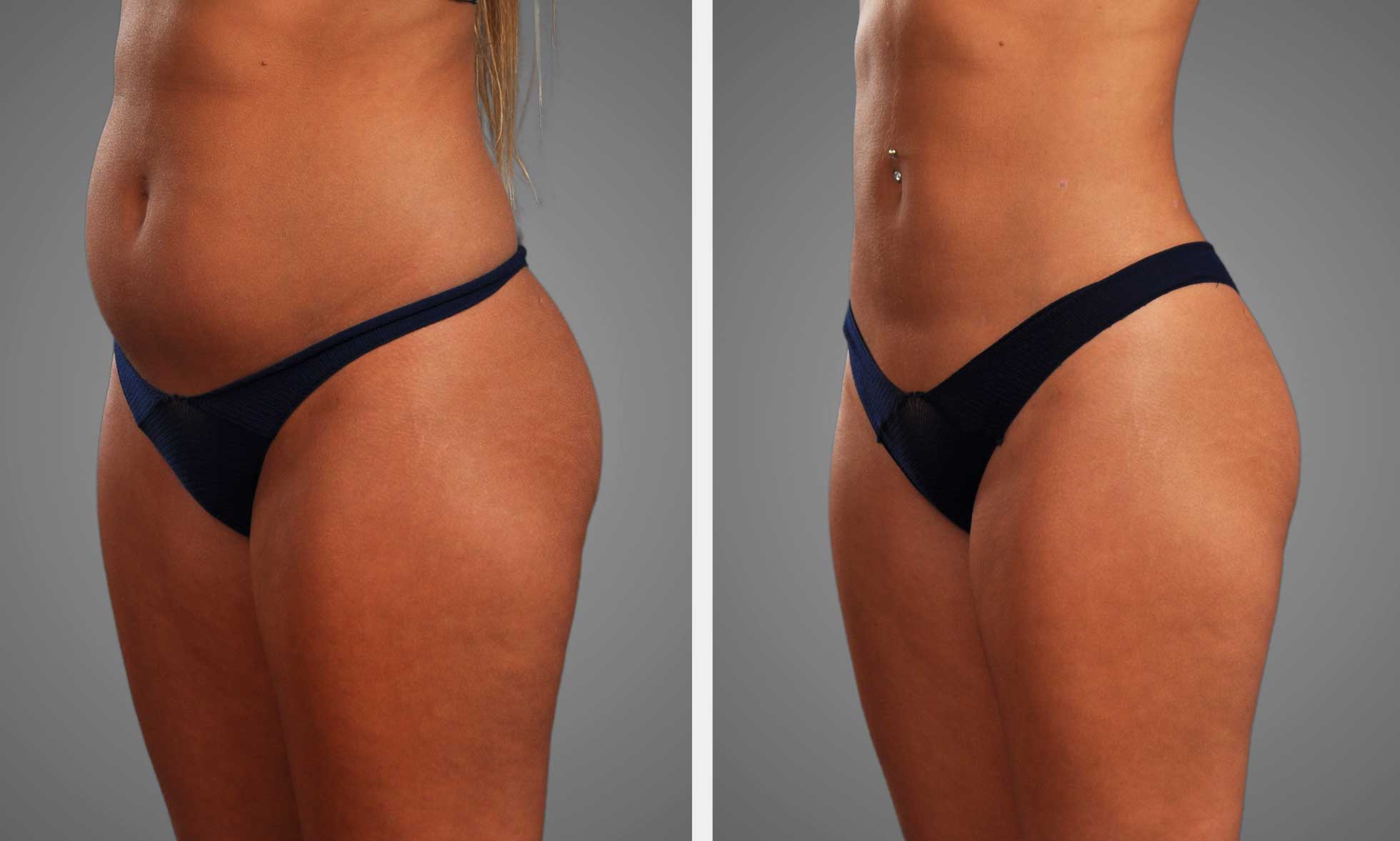
- Whereas traditional liposuction is all about fat removal, 4D Vaser Hi-Def Liposuction marries the fat removal with enhanced muscle definition sculpting for a more athletic look.
- 4D VASER Hi-Def Liposuction utilizes innovative ultrasound-assisted technology that can pinpoint and selectively emulsify fat deposits causing less trauma to surrounding tissue, requiring smaller incisions and usually a shorter recovery time.
- The decision between techniques really comes down to your goals, body-type, and desired definition of muscle — consulting with a talented plastic surgeon will help you find the best fit.
- Both procedures respond well to an artistic, 4D Vaser provides additional flexibility to highlight particular muscle groups and create natural-looking results.
- Good post-op care — like adhering to your surgeon’s instructions and pursuing lymphatic drainage massage — promotes good healing and lasting results.
- Prices for both depend on things such as the surgeon’s experience and facility fees, and these elective procedures are typically not covered by insurance.
4D liposuction vs hi-def comparison is comparing two methods of body contouring with more precision than regular lipo.
4D liposuction applies smooth maneuvers to either remove or add fat for a natural appearance.
Hi-def, or high definition, liposuction accentuates muscle lines and angular shapes.
Both selections utilize state-of-the-art instruments and accommodate fit individuals seeking a precision outcome.
The following sections detail what makes them different.
Core Distinctions
Conventional liposuction and 4D Vaser Hi-Def liposuction are distinguished by their objective, technology, and results. Both seek to eliminate stubborn fat, but 4D Vaser takes body contouring to the next level by chiseling out muscle definition, particularly for men and women going for that athletic appearance.
Recovery, visible results and treatment’s reach vary, influenced by innovations in technique and technology.
- Traditional Liposuction: Removes deep and superficial fat but does not shape muscle contours.
- 4D Vaser Hi-Def: Sculpts fat around muscles, creating a more athletic, defined appearance for areas like the abdomen or arms.
- Recovery: 4D Vaser is less invasive, usually with shorter downtime.
- Results: Traditional methods show smoother silhouettes. 4D Vaser delivers more defined, chiseled outcomes.
1. The Philosophy
Traditional liposuction hits fat pockets, but leaves muscles intact. The goal is a slimmer silhouette, not a defined one. This pullback is for those who want to deflate the volume but not emphasize muscle groups.
4D Vaser liposuction, in contrast, is muscle definition, through and through. It’s made for those looking to strut their stuff with a six-pack or chiseled arms. It’s about extracting fat from highly targeted locations in order to carve the muscles beneath.
This technique typically favors leaner physiques—typically under 10% body fat—seeking dramatic, athletically defined shapes. The mindset of body sculpting has evolved from crude fat removal to a more personalized, beauty-centric approach.
Now, it’s typically about contouring the body’s natural contours, not simply reducing them. Since all our objectives are different, the optimal method is the one that suits physique and ambitions. Tailored liposuction allows patients to elect the amount of definition desired.
2. The Technology
While traditional liposuction relies on manual suction and force to disrupt fat cells, the surgeon, in turn, moves a cannula back and forth to loosen and suction out fat beneath the skin’s surface.
With 4D Vaser Hi-Def, it’s more nuanced. It uses ultrasound energy to soften fat prior to extraction. This assists in shielding nerves and blood vessels, reduces trauma, and facilitates the ability to hit specific locations.
Vaser technology emulsifies fat, so it can be extracted more uniformly, resulting in smoother healing and less swelling. It even permits muscle etching, something the old methods couldn’t do!
Modern innovations have additionally rendered these procedures more secure. Less tissue trauma = less risk, quicker recovery, and superior long-term outcomes.
3. The Technique
In standard liposuction, the surgeon cuts a few small incisions and inserts a tube to vacuum out fat. This procedure is efficient but indiscriminating. It can address bigger areas but not polish muscle lines.
4D Vaser employs thinner, specialized cannulas to focus on fat layers immediately above and surrounding the muscle. This allows the surgeon to carve small touches, such as the ridges between abdominal muscles or the contours of the deltoids.
Smaller incisions are used in both methods; however, Vaser’s precision instruments frequently result in less apparent scarring. Your recovery will depend on the amount of fat being removed and the areas being treated.
The surgeon’s skill is a major factor with both techniques. A skilled plastic surgeon with hi-def or 4D Vaser experience can yield more natural, balanced results.
4. The Outcome
Traditional liposuction typically gives a smoother, slimmer look.
4D Vaser Hi-Def accentuates the muscles and provides a more chiseled, athletic form. Long-term satisfaction is high with both, but those craving lean visible muscle lines tend to be happier with hi-def.
Muscle etching and sharper contours are core distinctions of 4D Vaser.
Ideal Candidates
The decision between conventional liposuction and 4D Vaser Hi-Def Liposuction has a lot to do with your body ambitions, fat distribution, and general health. Knowing what makes a good candidate for each treatment establishes realistic expectations and results in better outcomes.
Conventional liposuction is most effective for individuals who maintain a stable weight and are overall healthy, yet struggle with pockets of stubborn fat that resist diet or exercise. These fat pockets typically manifest themselves in the belly, hips, thighs or back. The process is good for people who desire softer curves or a more balanced figure, not a chiseled or athletic appearance.
Great skin tone contributes to superior results, as the skin has to shrink after the fat is eliminated. If you have loose, sagging skin the final result may not appear as smooth. Those of you who like to get rid of bigger chunks of fat, but don’t want to display muscle lines, typically go for traditional lipo.
4D Vaser Hi-Def Liposuction is more for the chiseled muscle line enthusiast–think six-pack abs or chiseled biceps. Ideal candidates for 4D Hi-Def Lipo are frequently lean, have a BMI ≤ 32 and desire to display muscle definition. Most have under 10% body fat, which allows the surgeon to define muscle contours for a more sculpted appearance.
This is perfect for athletes, fitness enthusiasts, or anyone who already does the hard work in the gym and wants an extra bit of definition. This technique isn’t suitable for individuals with loose skin or an excess of fat, as it cannot correct these problems completely. If you lost a lot of weight recently, talk to your doctor, as this can alter your qualification.
Factors that determine the best fit for each procedure include:
- Weight stabilized for a minimum of 6 months prior to surgery
- Good overall health with no untreated chronic illnesses
- Realistic expectations about what surgery can and cannot do
- Not using liposuction as a substitute for healthy habits
- No significant health issues or medication that would increase surgical risk
- Tight, flexible skin that will re-contour nicely after fat extraction
- For 4D Hi-Def: low body fat (under 10%) and a BMI of 32 or less
- For traditional lipo: localized fat deposits that resist diet and exercise
A personal consult with a board-certified plastic surgeon is essential before selecting any body contouring procedures. The surgeon will review your health, skin quality, and goals, and assist you in selecting the technique that suits best.
The Artistic Element
HD body contouring isn’t merely losing fat. It’s about contouring the body in a manner that drapes each individual’s musculature and build. While both conventional and 4D liposuction require an artistic eye for form, 4D Vaser goes beyond. Surgeons use these tools to do more than just shrink regions. They attempt to construct a look that complements the patient’s natural curves.
A huge component of HD lipo is to make things look natural, not artificial. For instance, having a “six-pack” isn’t about carving out deep ridges. It’s an art to reveal muscle lines in the stomach without making them appear illustrated. The surgeon needs to understand where muscles rest and how light and shadow dance on the skin. If it’s done right, the end result is a fierce, yet still tender appearance.
It requires under 10% body fat to achieve this kind of definition in the majority of cases. The procedure is manual and requires the surgeon to focus intently on tiny elements. 4D Vaser utilizes ultrasound energy, allowing the surgeon to operate with increased precision. This implies they can sculpt muscles like the abs, back, and even the buttocks with more precision than with previous implements.
The objective is typically to cinch the waist to make it look as small as possible, eliminate back rolls, or enhance the appearance of the booty. This sort of shaping isn’t just technical—it’s artistic. The surgeon therefore needs to make decisions that align with the patient’s desires and what will look best for their body. For instance, one patient may desire defined lines in their abs, while another simply wants a sleek waist.
The surgeon’s artistic sensibility is what counts in these situations. It’s more than just proficiency with the mechanical or technical. They have to be familiar with the body, what muscles ought to look like, and how to maintain things in equilibrium. A strong finish is not just flat/tight. It’s a body that resonates with itself, where the lines align.
This requires a combination of surgical aptitude and an artistic eye for what “appears correct.” Patients help shape the final look too. Their flavor and objectives direct the surgeon’s decisions. Some desire strong lines, while others desire subtle shifts that complement their features. The optimal outcomes are the ones from a strategy that suits the patient’s manner and the surgeon’s talent.
Recovery Journey
4D liposuction and Hi-Def each have their own recovery journeys, molded by the way the procedures impact the body. It’s not a one-size-fits-all process, but there are definite stages and timelines to anticipate for the majority of patients.
Both traditional and 4D Vaser liposuction have different recovery times and complications. With conventional liposuction, recovery seems sluggish. Bruising and swelling are common and can linger for weeks. Some swelling can persist for months, which can obscure initial results. There remains the risk for fluid accumulation, infection, or irregularities so patients must monitor the healing process.
With 4D Vaser liposuction, your recovery is easier. It’s more gentle on the tissues, meaning that patients experience reduced swelling, faster skin contraction, and typically reduced discomfort. Rare complications can still happen with both, such as numbness or skin rippling, but they are uncommon if done by a trained provider.
4D Vaser Hi-Def usually translates into less recovery. Being minimally invasive, most patients return to office work or light daily activities within a week. The less tissue trauma equates to smaller incisions, which heal quicker. For instance, a desk job patient might be back in five to seven days, whereas someone with more physical work may require a little longer.
Most are able to perform light walking or gentle stretches within a few days, which aids in increasing blood circulation and reducing the risk of blood clots.
Strict post-operative care is key for both methods. Wearing a compression garment is a must—usually, this is worn all day and night for up to four weeks. Compression helps manage swelling and supports the skin as it reshapes and tightens. Patients should avoid tough workouts, jogging, or heavy lifting for at least four weeks.
Pushing too soon can slow healing or cause issues with the final shape. Even after the first month, it’s smart to ease back into intense exercise.
Lymphatic drainage massage is amazing for recovery. This then helps move out any additional fluid and brings down swelling. A number of clinics advise a treatment course of these massages during the first month post-surgery. For instance, receiving 2 – 3 sessions per week can aid your body heal quicker, reduce discomfort and enhance the appearance of your results.

The skin will continue to tighten for up to 6 months and the optimal results appear once all swelling has resolved. Final results are generally apparent anywhere from three to six months post surgery.
Long-Term Results
Long-term results post-sculpting count to anyone considering 4D liposuction or Hi-Def. Both are looking to sculpt the body and reveal muscle striations; however, how long these results persist is dependent on a number of factors. First, it’s important to realize that 4D and Hi-Def lipo are state-of-the-art approaches to fat removal and body contouring.
The extracted fat doesn’t regenerate, but the scale can still fluctuate. If a patient gains weight post-procedure, fresh fat can accumulate in new locations, potentially damaging the contours the surgeon strived to achieve. On the other hand, maintaining a stable weight and eating well can maintain the changes for years. A lot of people inquire whether the effects are permanent. Most experts agree: these techniques give lasting results, but they are not fully permanent. Your body will still morph with age, hormone fluctuations, or major lifestyle changes.
It’s patient work to see results. Swelling and bruises are expected after Hi-Def Lipo or 4D Liposculpture. Your body requires time to recover and adapt. They might notice a few initial changes within two weeks, but the full impact can be six months to a year.
Swelling can initially obscure the contour, but as it subsides, the definition and muscle tone become more pronounced. Other patients report that the skin continues to tighten for months, with optimal skin texture and tightness frequently noted between three and twelve months after surgery. So fat loss is quick, but the most realistic appearance is the long-term results. Consistent follow-ups at one week, two weeks, four to six weeks, and then again at six to twelve months are helpful to monitor healing and address any issues as they arise.
Skin quality is a big factor in long-term results. Younger patients or those with good skin bounce-back tend to get better muscle lines and smoother skin. Skin tightening from HD-lipo can continue to improve for up to a year, but for some, the tightness begins to subside after twelve months. Age, skin type, and self-care contribute to the skin’s firmness duration.
A healthy lifestyle—steady weight, good diet, and regular exercise—can keep the skin and muscles looking their best. Let’s set some real expectations. These provide powerful long-term results, but they still require maintenance and management from the patient.
Financial Picture
To really compare 4D liposuction and hi-def prices, we need to examine what goes into determining the cost. Both are considered sophisticated varieties of body sculpting that incorporate instruments such as VASER, which adds both additional expertise and sometimes more expense than more old-fashioned approaches.
Pricing is very dependent on a lot of factors. A few of the biggest are surgeon skill, location of the clinic, size of the region and technology used. Senior surgeons or those with additional training in hi-def sculpting charge more. The majority of clinics encompass the facility, anesthesia, and aftercare fees. These can all accumulate quickly.
A checklist of what to look for when thinking about cost:
- The surgeon’s skill and training in advanced liposuction
- The location and reputation of the clinic
- Fees for the use of the medical facility
- Cost of anesthesia and supplies
- How many areas or sessions are needed
- Post-surgery care and follow-up visits
- Extra fees for specialized technology
VASER liposuction, used in 4D and hi-def liposuction, costs an average of $2,000 to $5,000 (€1,850 to €4,600) or more per area. This doesn’t always cover extras such as anesthesia, facility fees or aftercare kits. If you want work on more than one area, or require a second round to achieve the desired results, the total cost becomes significantly greater.
A few clinics provide payment plans or third-party financing to help spread the expense. The majority of health insurance plans do not cover liposuction. All of them—VASER, 4D, hi-def—because they’re cosmetic, not medical. That’s true in most countries. Patients must budget all costs out-of-pocket, including any future touch-ups.
Selecting a good surgeon is crucial. Not only is it about price, it’s about safety and outcome. It’s a false economy, for example, to save money by going to a less-trained provider and get bad results or health risks. A lot of patients feel that it’s worth spending the extra money for a board-certified surgeon with an excellent track record for the security and superior results.
Conclusion
Both 4D lipo and hi-def sculpt provide defined paths to shift body contour. Both techniques are unique with their own procedures, expertise required, and recovery period. Some love the etched look from hi-def, others want the softer contours of 4D. Price, recovery time and what results last can all help choose what fits best. Physicians employ both artistry and craftsmanship to achieve the desired contour. To find the optimal approach, consult a board-certified surgeon experienced in both techniques. Come with your primary objectives and pose actual questions. Smart decisions begin with transparent data and candid conversations. For secure and sustainable transformation, begin with reality and your requirements. Contact a reputable clinic to get started.
Frequently Asked Questions
What is the main difference between 4D liposuction and hi-def techniques?
4D liposuction incorporates cutting-edge technology to sculpt and emphasize muscle contour. Hi-def zeroes in on fat extraction around your muscles. Both target a natural, athletic look.
Who is a good candidate for 4D liposuction or hi-def liposuction?
The best candidates are healthy adults with good skin elasticity and moderate amounts of fat. Athletically defined men and women, not just fat, stand to gain the most.
How long does recovery take for each method?
Most patients resume light activities in 5–7 days. It can take 4–6 weeks to have a full recovery. Recovery time is similar for both methods, though everyone is different.
Are the results from 4D liposuction or hi-def liposuction permanent?
If you keep your weight stable and healthy, the results can last a long time. Any subsequent weight gain can impact the result.
Is 4D liposuction more expensive than hi-def liposuction?
Prices differ by provider, location, and treatment area. 4D liposuction could cost a little more because of the technology and artistry.
Do these procedures require general anesthesia?
Both techniques typically employ local anesthesia with sedation. Occasionally, general anesthesia is utilized, depending on the depth of the procedure and patient preference.
Can 4D or hi-def liposuction be combined with other cosmetic procedures?
These techniques can often be combined with other procedures, such as skin tightening or body contouring, for enhanced results. As always, see a board-certified expert.