Directions
 Call Us
 Email Us


Exploring Breast Augmentation Techniques
Implant Augmentation
Traditional breast augmentation relies heavily on implants. Silicone or saline implants are common choices. They offer immediate and significant changes in breast size and shape.
However, they come with risks. These include the possibility of implant rupture, capsular contracture, and the need for replacement surgery after a few years. Patients often report a less natural feel compared to tissue-based enhancements.
Fat Transfer
The fat transfer method is gaining traction as a natural alternative. It involves harvesting fat from one’s own body and injecting it into the breasts. This technique has seen increased popularity due to its dual benefits: contouring areas where fat is removed and enhancing breast size naturally.
Using one’s own fat reduces the risk of allergic reactions and rejection by the body. It also promises a more natural look and feel than implants can provide. However, there is a limit to how much size increase one can achieve through this method.
Benefits of Natural Fat
Opting for fat transfer comes with several advantages. First, it eliminates concerns about foreign objects in the body. Second, recovery times tend to be shorter compared to traditional implant surgeries. Finally, it offers improvements in both the donor site and the breasts, resulting in a more comprehensive aesthetic enhancement.
Fat Transfer vs. Breast Reconstruction
Augmentation vs. Reconstruction
Breast augmentation and reconstruction serve different purposes. Augmentation enhances breast size for cosmetic reasons. Reconstruction rebuilds the breast after mastectomy.
Patients choose fat transfer for a more natural look in reconstruction. This method uses the patient’s own fat, reducing rejection risks.
Outcomes Satisfaction
Fat transfer in breast reconstruction offers a softer, more natural feel than implants. It also avoids the risks associated with synthetic materials, such as rupture or capsular contracture.
However, multiple sessions may be needed to achieve desired fullness. Patient satisfaction often hinges on realistic expectations and the skill of their surgeon.
Psychological Impact
Choosing a natural reconstruction method can significantly impact a patient’s psychological well-being. Rebuilding breasts using one’s own tissue can offer a sense of wholeness and recovery not always achieved with implants.
Patients report improved self-image and reduced anxiety about foreign objects in their bodies. The choice between fat transfer and synthetic implants is deeply personal, involving physical and emotional considerations.
The Procedure of Fat Transfer Augmentation
Fat Harvesting
The first step involves removing fat from other parts of the body. Common donor sites include the abdomen, thighs, and buttocks. This process uses liposuction, which is minimally invasive.
Surgeons carefully choose these areas to ensure a natural look and feel post-procedure.
Purification Process
Once harvested, the fat undergoes purification. This step is crucial for isolating healthy fat cells. Only the best quality cells make it to the next stage.
This ensures that the transferred fat remains viable and integrates well with breast tissue.
Injection Phase
Finally, surgeons inject the purified fat into the breasts. They use precise techniques for an even distribution and natural appearance.
This phase requires skill to achieve desired volume while avoiding complications.
Fat transfer augmentation stands out for its minimally invasive nature compared to traditional implants. It offers a dual benefit: liposuction from donor sites and enhanced breast volume. Patients appreciate this two-in-one approach for its efficiency and outcomes.
Identifying Candidates for Fat Transfer
Ideal Profiles
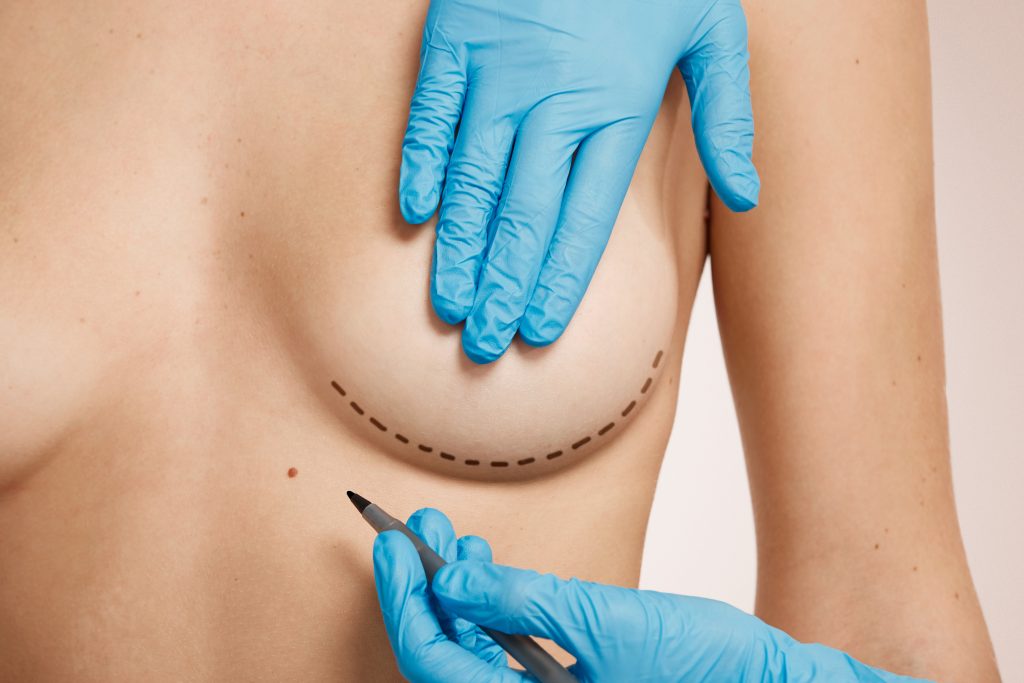
Candidates for fat transfer to the breast must meet certain criteria. First, they should have sufficient fat reserves in other body parts. This is crucial since the procedure involves transferring fat from one area to another.
They also need realistic expectations about the outcomes. It’s not about achieving perfection but improving breast volume naturally.
Health Status
Being in good overall health is vital. This reduces surgical risks and ensures a smoother recovery. Candidates should disclose their medical history during consultations.
Smokers or individuals with certain medical conditions might find themselves ineligible. Their risks during surgery could be significantly higher.
Risks of Fat Transfer Augmentation
Asymmetry Risks
Fat transfer to the breast, while a less invasive alternative to implants, carries its own set of risks. Potential for asymmetry stands out as a significant concern. The body may absorb the transferred fat unevenly between breasts. This can lead to one breast appearing differently in size or shape from the other.
Patients often require touch-up procedures to correct these imbalances. However, achieving perfect symmetry is sometimes challenging.
Oil Cyst Formation
Another risk involves oil cyst formation and calcification within the breast tissue. These complications arise when fat cells die and release their contents, forming cysts. They can harden over time, turning into calcifications.
These issues complicate mammography readings, potentially masking or mimicking signs of breast cancer. Radiologists need to distinguish between benign calcifications from fat transfer and malignant ones accurately.
Multiple Procedures
Patients should brace for the possibility of undergoing multiple procedures. Achieving the desired volume or shape often requires more than one fat transfer session. Each procedure carries its own risks and recovery periods.
The need for multiple treatments adds to the overall cost and time commitment involved in fat transfer augmentation. It can also increase the patient’s exposure to surgical risks with each additional procedure.
Understanding Fat Necrosis and Its Implications
Fat Necrosis
Fat necrosis occurs when fatty tissue in the breast gets damaged, leading to lumps or firmness. This condition often arises after fat transfer augmentation. Patients might notice these changes weeks or months post-procedure.
They may feel areas of hardness within their breasts. These are not always painful but can cause concern due to their texture and appearance. The affected area can also appear red or bruised.
Aesthetic Impact
Fat necrosis significantly affects the desired outcome of breast augmentation. It can lead to uneven shapes and asymmetry between the breasts. Such irregularities often disappoint patients, as the goal is a natural, balanced look.
In some cases, corrective surgery is necessary. This means additional time, expenses, and recovery for the patient. They may undergo procedures to remove the necrotic tissue or further augmentations to achieve symmetry.
Diagnostic Challenges
Differentiating fat necrosis from breast cancer poses significant challenges. Both conditions can present as lumps within the breast tissue. This similarity necessitates thorough medical evaluations, including mammograms and biopsies.
Such diagnostic processes add anxiety and stress for patients. They face uncertainty until definitive results are available. Moreover, these tests entail extra medical costs and time.
Infection and Reabsorption Concerns
Infection Risks
After undergoing a fat transfer to the breast, patients might face the risk of infection. This complication can arise if bacteria enter the surgical sites. Prompt recognition and treatment are crucial to prevent more severe health issues.
Patients must adhere strictly to post-operative care instructions provided by their surgeon. These guidelines aim to minimize infection risks by keeping the area clean and avoiding any unnecessary strain on the healing tissues.
Fat Reabsorption
Another significant concern is fat reabsorption, which affects the longevity of breast augmentation results. After transfer, some of the injected fat may not survive in its new location.
The body might reabsorb this non-viable fat, leading to a reduction in breast volume over time. The extent of reabsorption varies widely among individuals, making it difficult to predict final outcomes accurately.
Unpredictability Factor
The rate at which fat is reabsorbed can be highly unpredictable. Factors such as the technique used, patient’s health, and how well post-operative care instructions are followed play a role.
This unpredictability underscores the importance of selecting an experienced surgeon. They can employ techniques that maximize fat survival rates and tailor aftercare advice to suit each patient’s unique situation.
Additional Considerations Before Surgery
Surgeon Selection
Choosing a board-certified plastic surgeon is crucial. They possess the necessary skills and knowledge. This ensures safety and maximizes results.
Patients must research their surgeon’s experience with fat transfer procedures. It’s not just about qualifications but also about their track record.
Expectation Management
It’s essential to have realistic expectations. Fat transfer to the breast offers subtle enhancements, not dramatic changes.
Understanding the procedure’s limitations is key. Not all transferred fat survives, which can affect the final outcome.
Long-Term Commitment
Fat transfer augmentation requires a long-term outlook. Some patients may need touch-ups or additional procedures to maintain their desired look.
This commitment includes understanding the potential for changes over time. Weight fluctuations can impact results.
Closing Thoughts
Fat transfer to the breast is a game-changer for many seeking augmentation with a natural look and feel. However, it’s crucial you weigh the risks—fat necrosis, infection, and reabsorption among them—against the benefits. Every procedure has its pitfalls, but informed decisions lead to better outcomes. Your journey to a more confident you starts with understanding these risks and discussing them thoroughly with your surgeon.
Don’t let uncertainties deter your path to enhancement. Reach out to a certified plastic surgeon who specializes in fat transfer augmentation. They’ll guide you through tailoring a plan that suits your body and goals while minimizing risks. Remember, your safety and satisfaction are paramount. Ready to take the next step? Schedule a consultation today and embark on a transformative journey with confidence.
Frequently Asked Questions
What are the main risks associated with fat transfer to the breast?
Fat transfer augmentation can lead to complications such as fat necrosis, where transferred fat cells die, creating lumps. Infection and the body reabsorbing the transferred fat, leading to less than desired augmentation results, are also risks.
How does fat transfer to the breast compare to implants?
Fat transfer offers a more natural look and feel compared to implants, using your body’s own fat. However, it might not provide as significant an increase in size as implants can and carries different risks like fat reabsorption and necrosis.
What is fat necrosis, and why is it a concern in breast augmentation?
Fat necrosis occurs when transferred fat cells die after a breast augmentation procedure, potentially forming hard lumps. This condition can affect the aesthetic outcome and may require further intervention.
Can anyone undergo a fat transfer breast augmentation?
Ideal candidates are those seeking modest increases in breast size and have sufficient donor fat. Health status, realistic expectations, and specific anatomical considerations also play crucial roles in candidacy.
What steps should I take before deciding on a fat transfer breast augmentation?
Consult with a board-certified plastic surgeon to discuss your goals, evaluate your health and anatomy, understand potential risks and benefits, and develop a personalized treatment plan. Researching and understanding all aspects of the procedure is crucial.
How common are infections after a fat transfer to the breast?
While relatively rare due to stringent surgical protocols, infections can occur post-surgery. Promptly addressing any signs of infection is critical for preventing more serious complications.
Does the body always reabsorb some of the transferred fat?
Yes, some degree of reabsorption by the body is expected after a fat transfer procedure. The amount varies per individual but typically stabilizes within several months post-operation.